Ecommerce Best in category 2 results Social Commerce AI Tool

Popular AI tools in the Social Commerce field of Ecommerce include Chatbreezes、Amara, etc., helping you quickly improve efficiency.

Chatbreezes

Chatbreezes

Chatbreezes is an AI-powered social commerce platform designed to help businesses automate sales, marketing, and customer support on …

4.2K
Amara

Amara

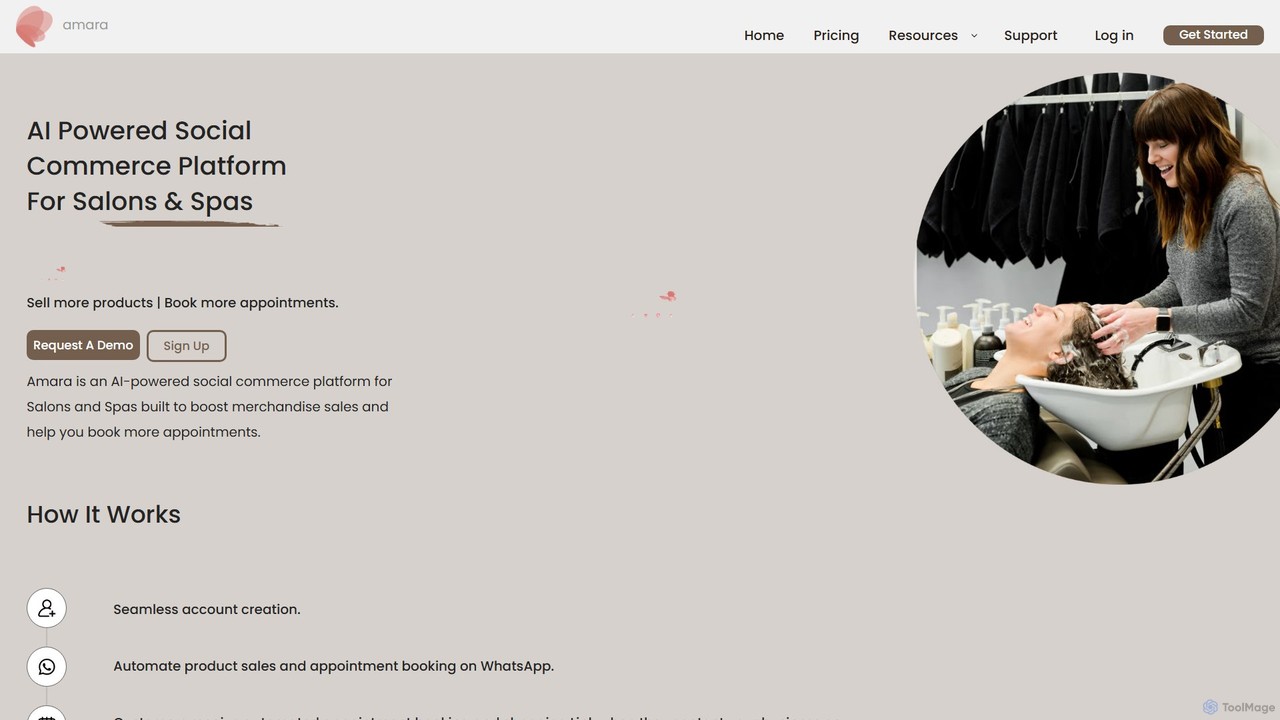
Amara is an AI-powered social commerce platform designed for salons and spas. It boosts merchandise sales and appointment …

4.1K

About Social Commerce

Social Commerce tools are AI-powered platforms that integrate a complete shopping experience directly within social media networks. These tools use AI to analyze content and user behavior, enabling features like instant purchasing from posts, stories, and live streams. This transforms passive browsing into an active shopping journey, increasing conversion rates by removing the friction between discovery and checkout. Unlike traditional e-commerce, which redirects users to external sites, social commerce keeps the entire process within the social app's ecosystem.

Core Features

  • Shoppable Content Automation: AI automatically identifies products in images and videos, tagging them to create interactive, shoppable posts and reels.
  • Conversational Commerce AI: Deploys intelligent chatbots in direct messages to provide personalized recommendations, answer customer queries, and process orders 24/7.
  • Live Shopping Analytics: Analyzes real-time viewer engagement, comments, and reactions during live streams to highlight popular products and inform sales strategy.
  • Influencer Campaign Tracking: Uses AI to monitor and attribute sales directly to specific influencer campaigns, providing clear ROI metrics.

Use Cases

These tools are particularly effective for direct-to-consumer (DTC) brands in visually-driven industries like fashion, beauty, home decor, and electronics. Marketing teams use them to create highly engaging, interactive campaigns on platforms like Instagram, TikTok, and Facebook. Sales teams leverage them to convert social media engagement directly into revenue without forcing users to leave the app.

How to Choose

When selecting a Social Commerce tool, prioritize its integration capabilities with your target social media platforms. Evaluate the sophistication of its conversational AI and its ability to understand user intent. Also, consider the depth of its analytics and ensure it can seamlessly sync inventory and order data with your primary e-commerce platform, such as Shopify or WooCommerce.


Social CommerceUse Cases

1

Interactive Live Stream Selling

A fashion brand hosts a weekly live stream on Instagram to showcase its new collection. Using a social commerce tool, products mentioned by the host are automatically displayed on-screen with a 'Buy Now' button. The tool's AI analyzes viewer comments in real-time, identifying questions about sizing or materials and feeding them to a moderator. This creates a seamless, interactive shopping experience where viewers can purchase items without leaving the live stream, significantly boosting impulse buys and conversion rates during the event.

2

Automated Sales via Instagram DMs

A skincare brand uses a conversational AI chatbot integrated with its Instagram account. When a user sends a DM asking for product recommendations, the AI chatbot initiates a conversation, asking about their skin type and concerns. Based on the answers, it suggests a personalized routine with specific products. The user can add these items to their cart and complete the purchase directly within the chat interface, using a secure payment link. This automates the sales consultation process and converts inquiries into sales 24/7.

3

Turning User-Generated Content into Shoppable Posts

A home decor company encourages customers to post photos of their purchases using a specific hashtag. A social commerce tool with AI image recognition scans for this hashtag, identifies the brand's products in the user's photo, and automatically creates a draft shoppable post for the brand's social media manager. The manager can then review and publish the post, tagging the original creator. This leverages authentic social proof and turns customer content into a direct sales channel, building community and driving revenue simultaneously.

4

Measuring Influencer Marketing Sales ROI

A cosmetics company collaborates with several beauty influencers on TikTok. Instead of relying on vanity metrics like likes and views, they use a social commerce platform to generate unique, trackable shopping links for each influencer. The platform's AI dashboard provides real-time data on clicks, add-to-carts, and completed purchases originating from each link. This allows the marketing manager to see exactly which influencers are driving actual sales, calculate a precise ROI for each partnership, and optimize future campaign budgets based on performance data.

5

Personalized Product Recommendations in Social Feeds

An online bookstore integrates a social commerce tool with its Facebook page. The tool's AI analyzes a user's past interactions with the page, such as liked posts, commented genres, and viewed author pages. When the user scrolls through their feed, the tool dynamically generates a personalized ad carousel showcasing books tailored to their specific interests. This moves beyond generic advertising, providing relevant suggestions that feel like organic discoveries, thereby increasing click-through rates and the likelihood of a sale directly from the feed.

6

Frictionless In-App Checkout Experience

A direct-to-consumer (DTC) electronics brand runs a campaign on Pinterest. A user discovers a pin featuring their new headphones. Instead of being redirected to the brand's website, which adds extra steps and loading time, they can tap a 'Buy' button directly on the pin. The social commerce integration allows them to select options, enter shipping information, and pay using a stored payment method, all within the Pinterest app. This streamlined, frictionless process significantly reduces cart abandonment compared to traditional funnels that require leaving the social platform.

Social CommerceFrequently Asked Questions