Ecommerce Best in category 1 results Woocommerce AI Tool

Popular AI tools in the Woocommerce field of Ecommerce include WP Zone, etc., helping you quickly improve efficiency.

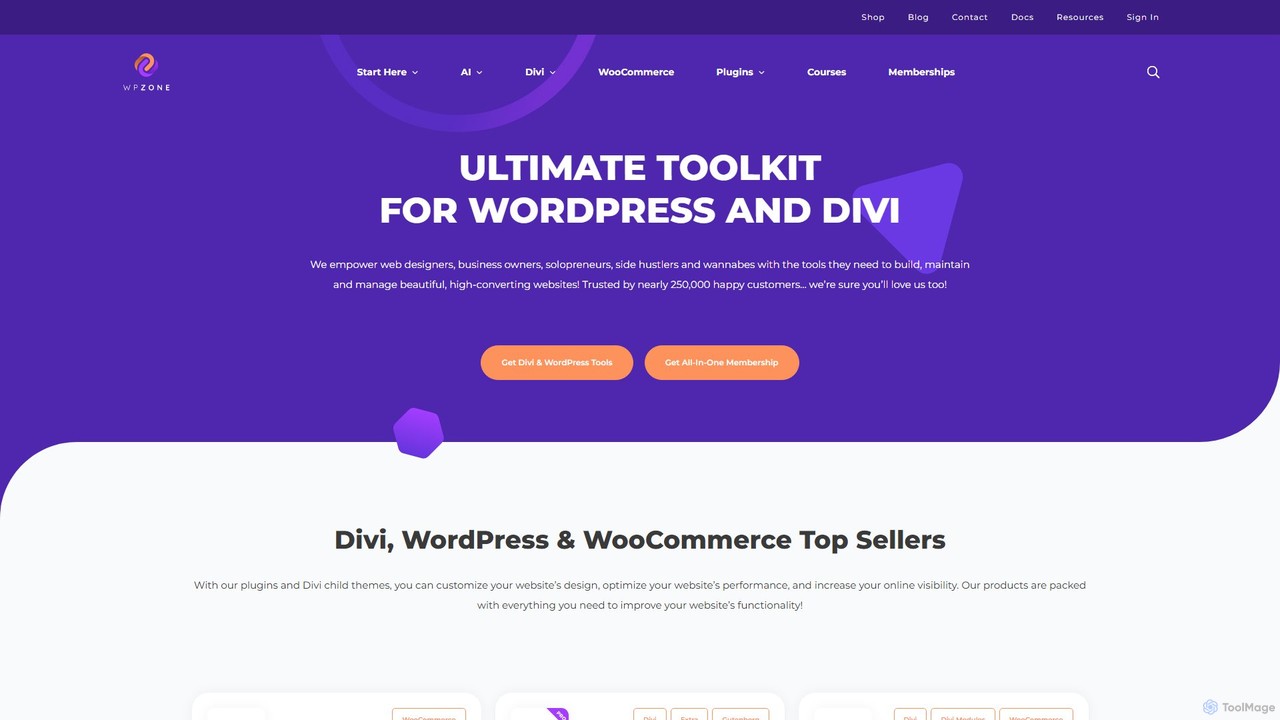
WP Zone

WP Zone

WP Zone is the ultimate toolkit for WordPress and Divi users, offering a comprehensive suite of plugins, themes, …

37.5K

About Woocommerce

AI WooCommerce tools are specialized plugins and services designed to integrate directly with the WordPress and WooCommerce ecosystem. They leverage artificial intelligence to automate tasks, personalize customer experiences, and optimize store operations. By analyzing your store's specific data on products, customers, and orders, these tools provide intelligent features that go beyond standard ecommerce functionality. This allows store owners to increase sales, improve efficiency, and gain deeper insights without extensive manual effort.

Core Features

  • Personalized Recommendations: Analyzes customer behavior to offer relevant product upsells, cross-sells, and related items directly on product and checkout pages.
  • Automated Content Generation: Creates SEO-friendly product descriptions, titles, and category tags automatically based on product images and attributes.
  • Dynamic Pricing: Adjusts product prices in real-time based on demand, inventory levels, competitor pricing, and customer segments.
  • AI-Powered Search: Replaces default search with a natural language processing (NLP) engine that understands user intent, synonyms, and typos for better results.
  • Customer Behavior Analysis: Segments customers based on purchasing habits and predicts churn risk, enabling targeted marketing campaigns.

Use Cases

These tools are ideal for WooCommerce store owners, from small businesses to large enterprises, who want to automate growth. Marketing managers use them to create personalized campaigns, while operations staff leverage them for inventory forecasting and pricing optimization. They are particularly valuable for stores with large product catalogs or high traffic volumes where manual optimization is impractical.

How to Choose

When selecting an AI tool for WooCommerce, first consider its specific function—do you need marketing automation, SEO enhancement, or pricing optimization? Evaluate its integration depth with WooCommerce and other plugins you use. Check the pricing model (subscription vs. one-time fee) and ensure it aligns with your budget. Finally, assess the user interface and the level of technical expertise required to manage the tool effectively.

WoocommerceUse Cases

1

Automate Personalized Upsells at Checkout

A fashion store owner uses an AI plugin to enhance their WooCommerce checkout process. The tool analyzes the items in a customer's cart and their browsing history to display a personalized selection of 'Complete the Look' accessories. This is shown directly on the cart and checkout pages. As a result, the store sees a 15% increase in average order value by encouraging relevant, last-minute additions without being intrusive.

2

Bulk-Generate SEO-Optimized Product Descriptions

A merchant selling electronic components has thousands of products with very technical specifications. Manually writing unique, SEO-friendly descriptions is a monumental task. They use an AI tool that connects to their WooCommerce database. The tool uses product titles, attributes, and images to generate compelling and unique descriptions for each item in bulk. This saves hundreds of hours of work and significantly improves the store's visibility on search engines for long-tail keywords.

3

Implement Dynamic Pricing for Seasonal Items

A gift shop uses an AI dynamic pricing tool to manage its seasonal inventory in WooCommerce. As a major holiday approaches, the tool automatically increases the prices of popular gift items based on rising demand and competitor data. After the holiday, it automatically puts remaining stock on sale to clear inventory. This automated strategy helps the shop maximize profit during peak season and minimize losses on unsold seasonal goods, all without constant manual price adjustments.

4

Enhance On-Site Search with Natural Language

An online hardware store with a complex catalog replaces its default WooCommerce search with an AI-powered search plugin. Customers can now type queries like 'rust-proof screws for outdoor deck' instead of just 'screws'. The AI understands the intent and context, filtering products by attributes like material and intended use. This leads to a higher search-to-cart conversion rate and reduced customer frustration, as shoppers find the exact product they need much faster.

5

Automate Customer Segmentation for Marketing

A subscription box company uses an AI tool integrated with WooCommerce to analyze customer purchase history. The tool automatically segments customers into groups like 'High-Value Customers,' 'First-Time Buyers,' and 'At-Risk of Churn.' These segments are then synced with their email marketing platform, allowing the marketing team to send highly targeted campaigns, such as exclusive offers to loyal customers or a special discount to win back at-risk users, improving retention and customer lifetime value.

6

Provide 24/7 AI-Powered Customer Support

A small business selling custom-printed goods integrates an AI chatbot with its WooCommerce store. The chatbot can access order data in real-time. When a customer asks, 'Where is my order?', the bot instantly retrieves the tracking information from WooCommerce and provides an update. It can also answer common questions about shipping policies and product materials, freeing up the human support team to handle more complex inquiries. This improves customer satisfaction and reduces support ticket volume by 40%.

WoocommerceFrequently Asked Questions