Kursi
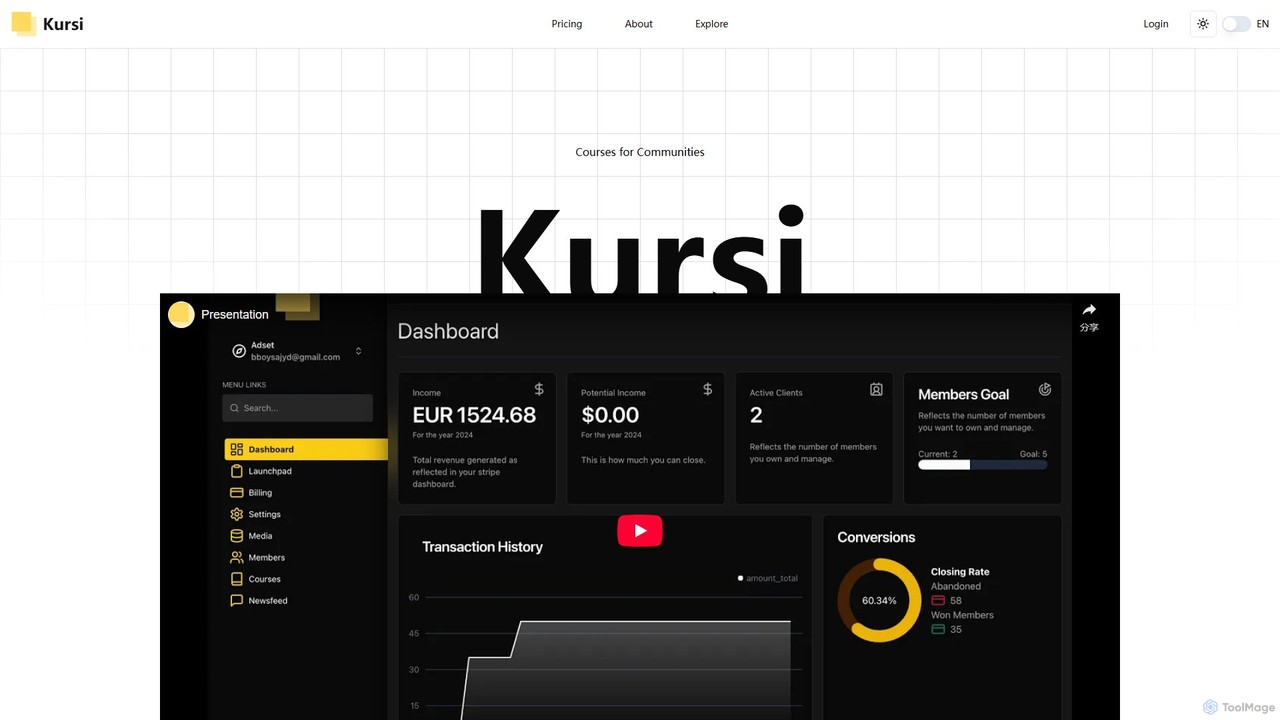
Kursi is an all-in-one platform for educators, coaches, and community leaders to build and manage online schools. It …
Kursi is an all-in-one platform for educators, coaches, and community leaders to build and manage online schools. It enables users to create unlimited multimedia courses, foster vibrant communities with newsfeeds and messaging, and monetize their expertise through subscriptions. The platform integrates AI-powered lesson creation, seamless payment processing with Stripe, and built-in analytics, providing a comprehensive solution for knowledge sharing and community growth.
Breakout Learning
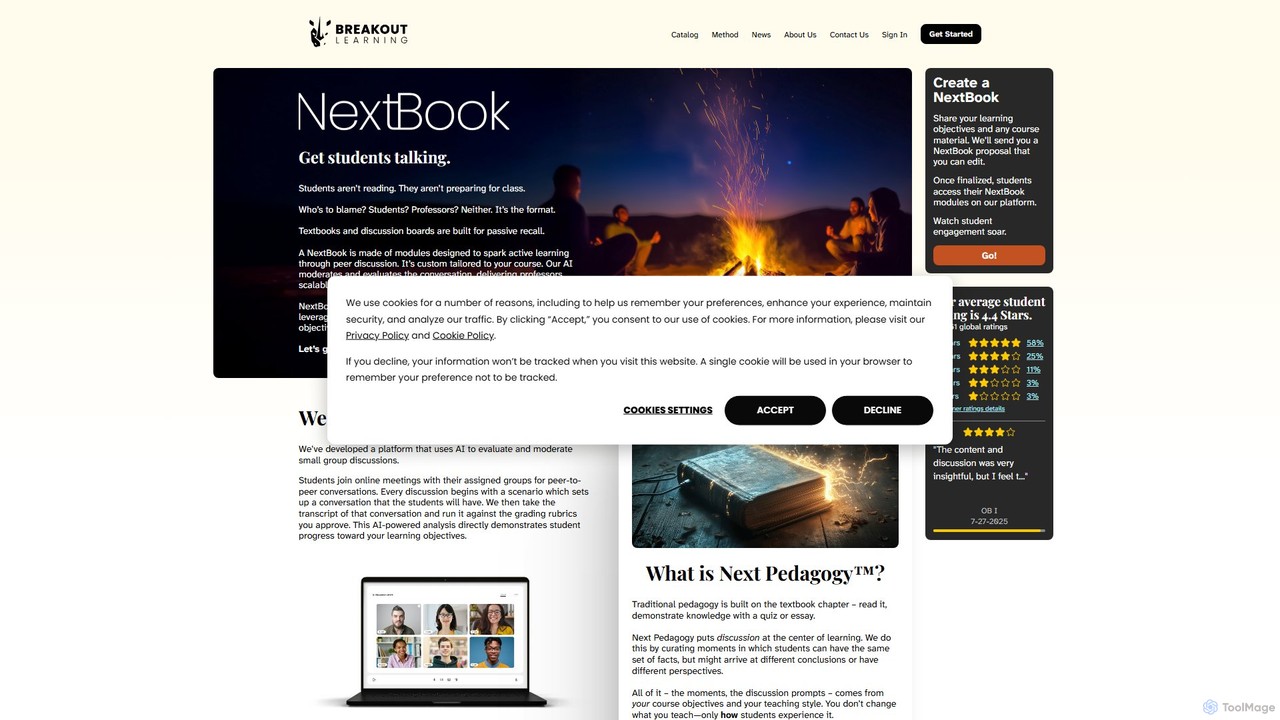
Breakout Learning is an AI-powered educational platform that transforms traditional learning by fostering active, peer-to-peer discussions. It uses …
Breakout Learning is an AI-powered educational platform that transforms traditional learning by fostering active, peer-to-peer discussions. It uses AI to moderate and evaluate student conversations, providing educators with deep insights into comprehension and critical thinking skills. The platform helps create engaging, discussion-based course modules called "NextBooks" to boost student participation and collaboration.
GuidedTrack
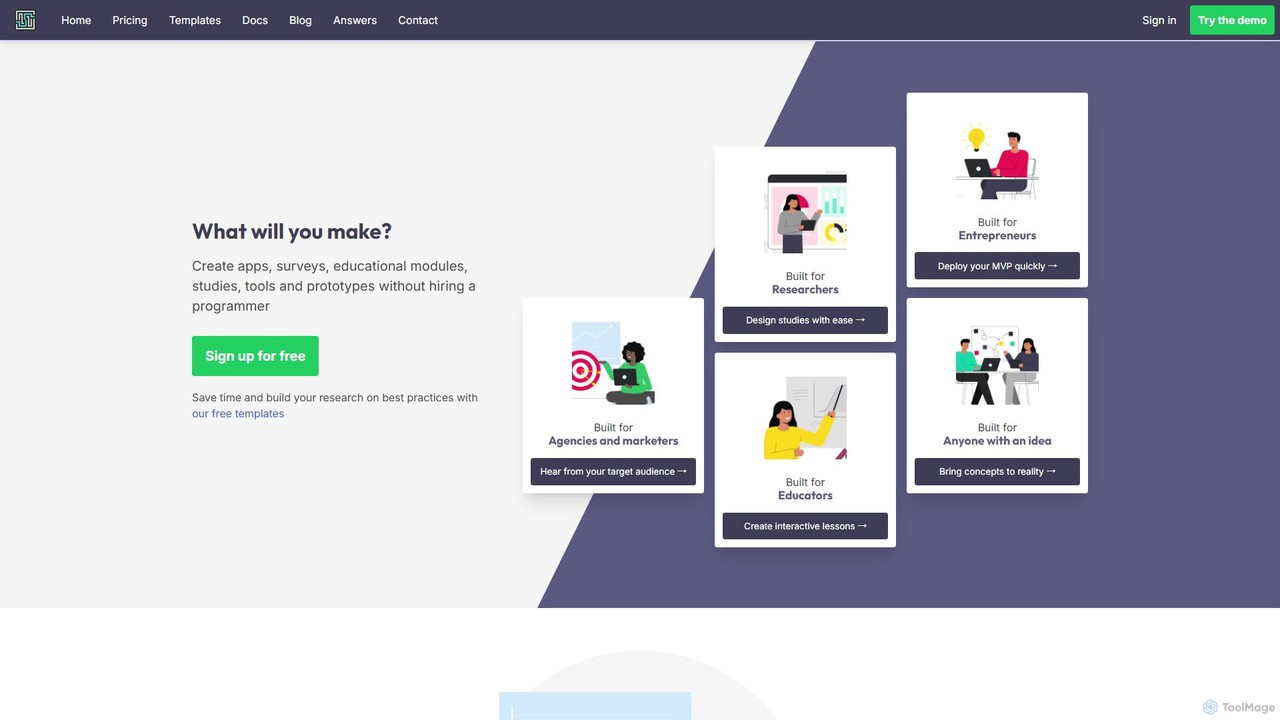
GuidedTrack is a powerful no-code platform for creating interactive web applications, complex surveys, educational modules, and prototypes. It …
GuidedTrack is a powerful no-code platform for creating interactive web applications, complex surveys, educational modules, and prototypes. It empowers marketers, researchers, educators, and entrepreneurs to build and deploy sophisticated digital experiences without writing a single line of code, using an intuitive, text-based language.
About Course Builder
AI Course Builders are intelligent tools that leverage artificial intelligence to streamline and enhance the creation of educational courses. These platforms utilize advanced algorithms to automate content generation, structure design, and personalization, significantly reducing the time and effort required to develop high-quality learning materials. They empower educators, trainers, and content creators to produce engaging, adaptive, and effective courses tailored to diverse learning needs, transforming traditional course development into a more efficient and innovative process.
Core Features
- Automated Content Generation: Generates text, summaries, and outlines based on provided topics or learning objectives.
- Personalized Learning Paths: Adapts course content and progression based on individual learner performance and preferences.
- Interactive Assessment Creation: Designs quizzes, assignments, and feedback mechanisms to evaluate understanding.
- Multimedia Integration: Suggests and integrates relevant images, videos, and audio to enrich learning experiences.
- Course Structure Design: Helps organize modules, lessons, and topics into a logical and pedagogically sound flow.
Applicable Scenarios
AI Course Builders are invaluable for online educators developing new curricula, corporate trainers creating engaging employee onboarding programs, and academic institutions designing adaptive learning modules. They also assist individual subject matter experts in quickly transforming their knowledge into structured, marketable online courses, accelerating content delivery and improving learner engagement across various educational settings.
How to Choose
When selecting an AI Course Builder, consider its AI capabilities for content generation and personalization, the range of content formats it supports (text, video, quizzes), its integration with existing Learning Management Systems (LMS), and the level of customization offered. Evaluate the user interface for ease of use, the quality of its AI-generated outputs, and the pricing model to ensure it aligns with your budget and specific course development needs.

Course BuilderUse Cases
Rapidly Develop Online Courses
An independent online educator needs to launch a new course quickly. Using an AI Course Builder, they input the course topic and learning objectives. The AI generates a comprehensive outline, drafts lesson content, and suggests interactive elements, allowing the educator to build a complete, high-quality course in a fraction of the time it would take manually, accelerating market entry.
Personalize Corporate Training Modules
A corporate training department aims to create adaptive training for new hires. The AI Course Builder analyzes employee roles and existing knowledge gaps, then tailors specific modules and quizzes. This ensures each employee receives relevant, personalized training, improving knowledge retention and skill acquisition while optimizing training resource allocation.
Generate Interactive Quizzes and Assessments
A university professor wants to create diverse and engaging assessments for a large class. The AI Course Builder takes the lesson content and automatically generates various question types (multiple choice, true/false, short answer) with different difficulty levels. This saves significant time in assessment design and provides students with varied ways to test their understanding.
Design Adaptive Learning Paths for Students
An academic institution seeks to offer more flexible learning. An AI Course Builder helps design learning paths that adapt based on student performance in quizzes and assignments. If a student struggles with a concept, the AI automatically provides supplementary materials or revisits foundational topics, ensuring a truly personalized and effective learning journey.
Automate Course Content Updates and Revisions
An organization with frequently updated industry content needs to keep its training materials current. The AI Course Builder can be fed new information or industry standards. It then identifies outdated sections, suggests revisions, and even drafts updated content for lessons and quizzes, ensuring all learning materials remain accurate and relevant with minimal manual effort.
Create Blended Learning Programs
A school wants to combine online learning with in-person instruction. The AI Course Builder assists in structuring modules for both environments, suggesting which content is best delivered asynchronously online and which requires synchronous classroom interaction. This helps educators design cohesive blended learning experiences that maximize engagement and learning outcomes.