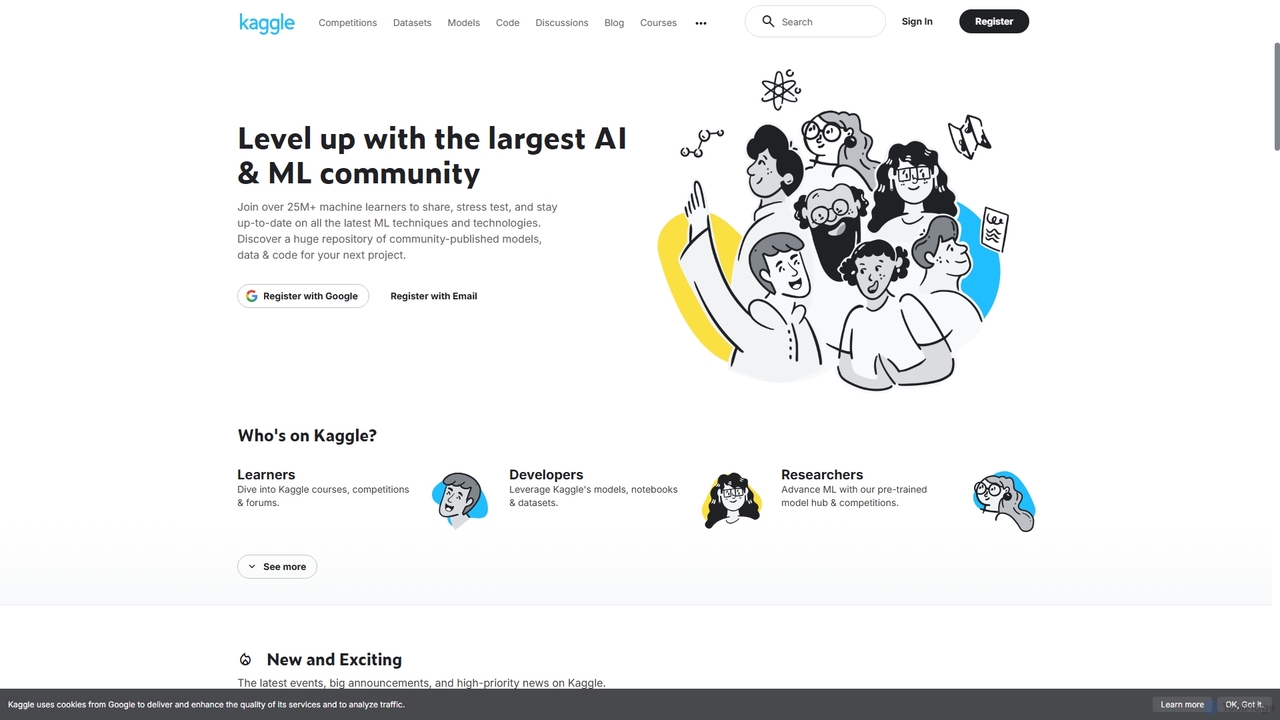
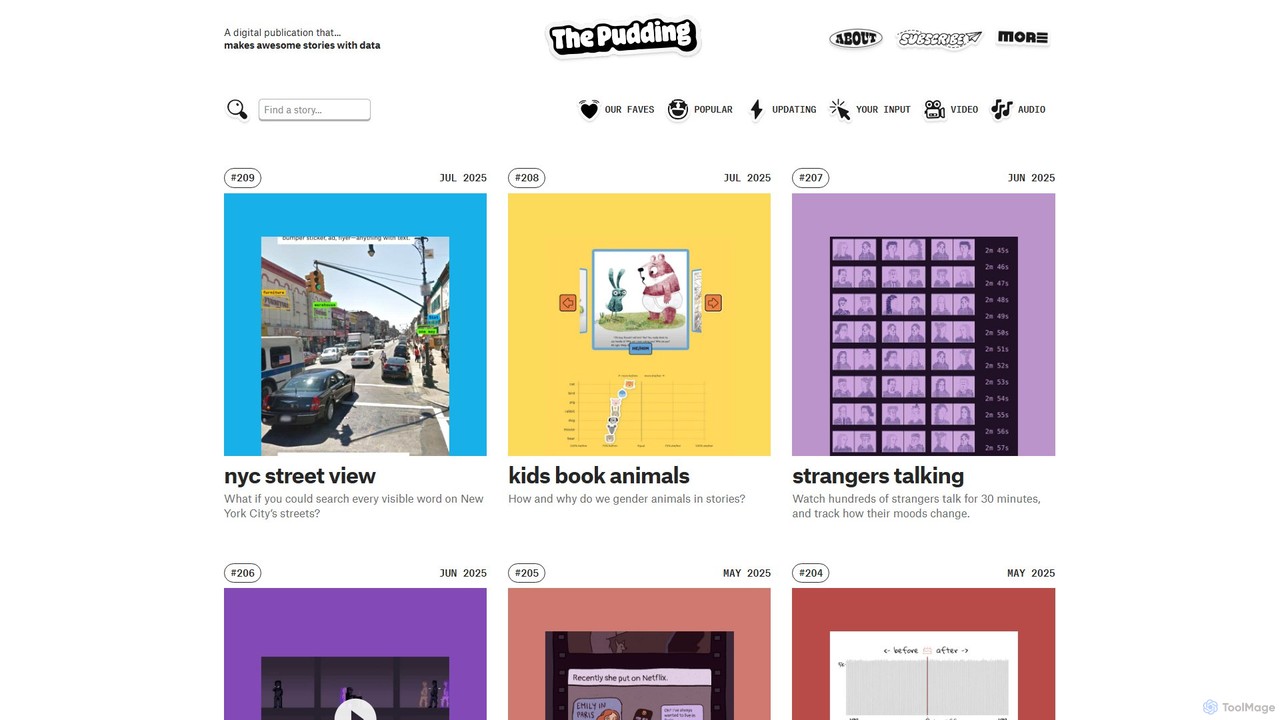
AI Data Science tools are specialized platforms designed to make learning and applying data science concepts more accessible, particularly within an educational context. These tools often integrate interactive coding environments, automated machine learning (AutoML) workflows, and guided tutorials to simplify complex processes. They empower students, educators, and aspiring professionals to analyze data, build predictive models, and generate insights without a deep prerequisite in programming or statistics. This approach accelerates the learning curve and fosters practical, hands-on skills in the field of data science.
Core Features
- Interactive Notebooks: Cloud-based environments for writing and executing code (like Python or R) with real-time results.
- Guided Model Building: Step-by-step interfaces that walk users through data preprocessing, model training, and evaluation.
- Data Visualization Tools: Drag-and-drop builders for creating insightful charts and dashboards from datasets.
- Pre-loaded Datasets: Access to a library of clean, ready-to-use datasets for practice and projects.
- AI-Powered Code Assistance: Features that suggest, complete, or explain code snippets to aid the learning process.
Applicable Scenarios
These tools are ideal for academic settings, from university courses to high school STEM programs. They are also widely used by individuals for self-study, professionals seeking to upskill, and instructors creating engaging course materials for data literacy programs.
How to Choose
When selecting a tool, consider its target audience (beginner vs. advanced), the availability of learning resources like tutorials and projects, the programming languages it supports (e.g., Python, R, SQL), and its pricing model, especially the availability of free or student-focused plans.