ToolMage
Sign in

Best 6 Financial Literacy AI tools for Education

Popular Financial Literacy AI tools in Education include Tykr, simplifymoney, RetireMint, PortfolioGPT, Chart Aether, and CovertNest, helping you work more efficiently.

Chart Aether
Paid

Chart Aether

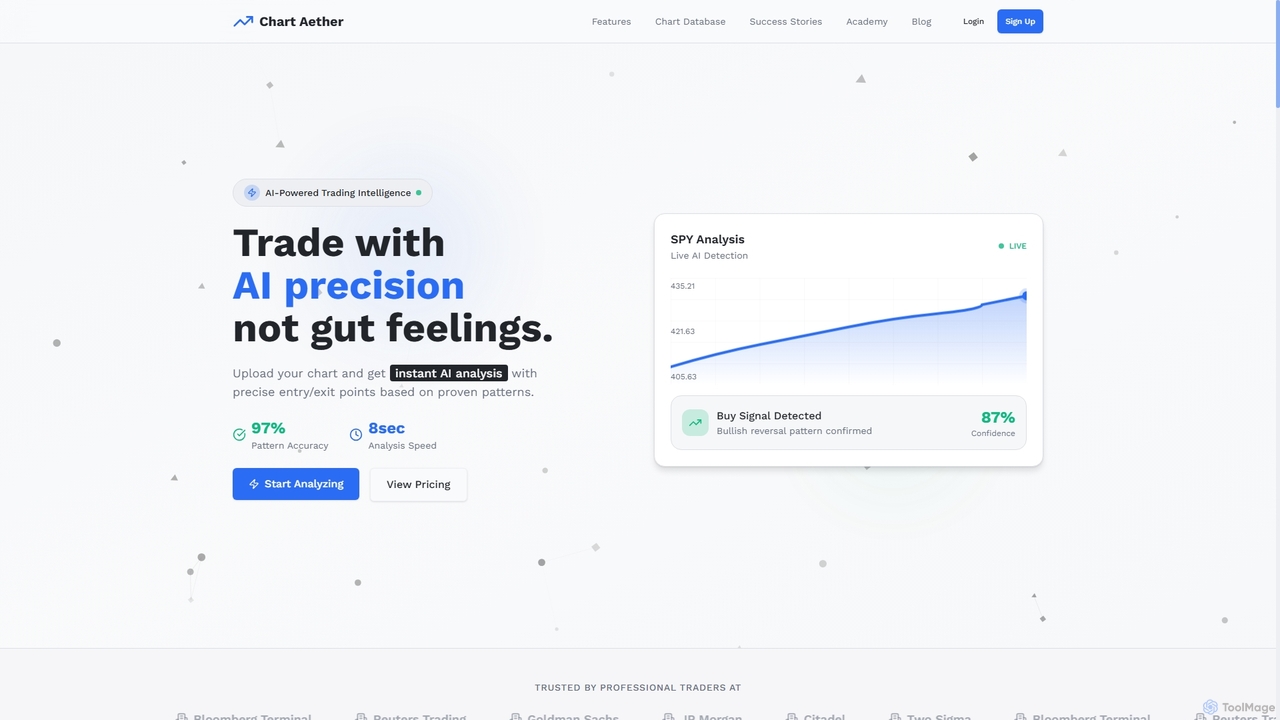
Chart Aether is an AI-powered trading intelligence platform that provides instant, precise analysis of trading charts. Upload any chart screenshot to receive AI-generated trade plans, including entry/exit points, stop-loss levels, and profit targets, based on over 50 proven chart patterns with up to 97% accuracy. It supports multiple assets and timeframes, empowering traders to make data-driven decisions.

Market Analysis
Visits 5.8KFavorites 113Likes 113
CovertNest
Freemium

CovertNest

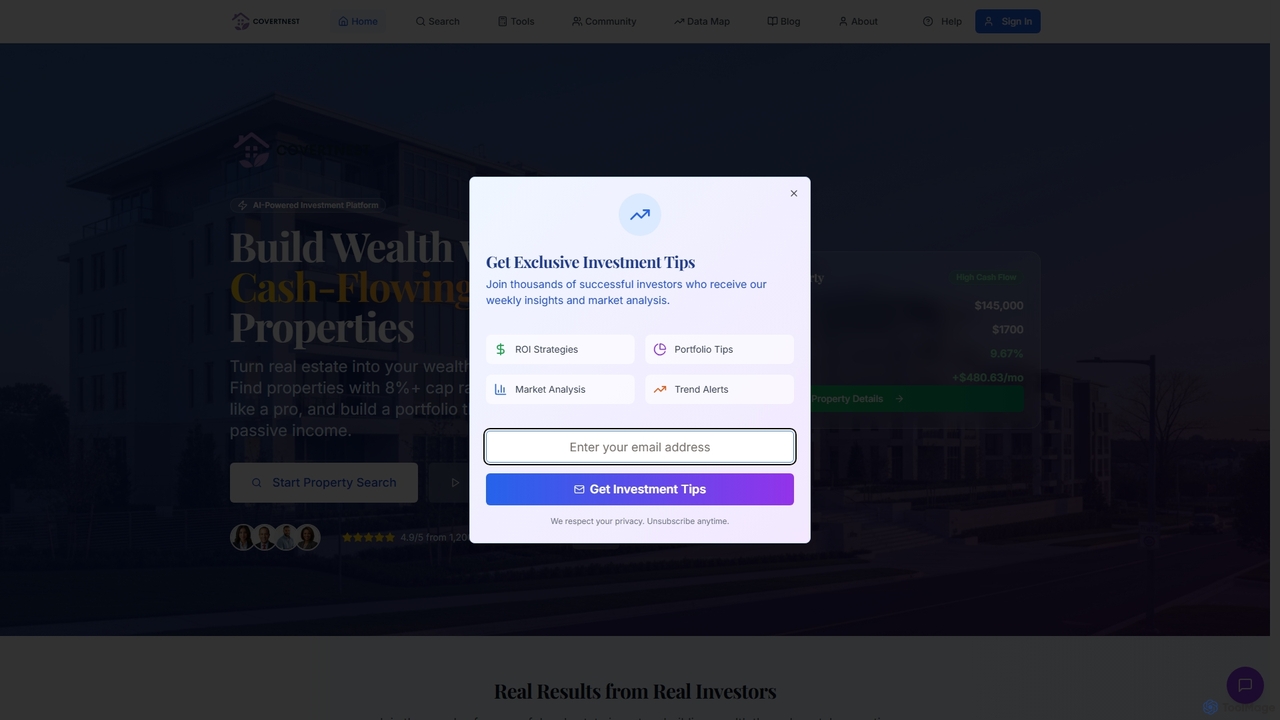
CovertNest is an AI-powered real estate investment platform designed to help investors find, analyze, and manage high-yield rental properties. It provides advanced search filters, comprehensive financial analysis tools, and personalized AI insights to build a cash-flowing portfolio, democratizing access to profitable investment opportunities.

Market Intelligence
Visits 5.7KFavorites 146Likes 140
RetireMint
Free

RetireMint

RetireMint is a free, AI-powered retirement planning platform designed specifically for Canadians. It offers a holistic approach, guiding users beyond finances to plan for all aspects of retirement life, including health, travel, hobbies, and estate planning. Through personalized assessments and a virtual assistant, RetireMint helps you create a comprehensive plan to retire with confidence and make your retirement years the best of your life.

Financial Literacy
Visits 6.7KFavorites 159Likes 153
Tykr
Freemium

Tykr

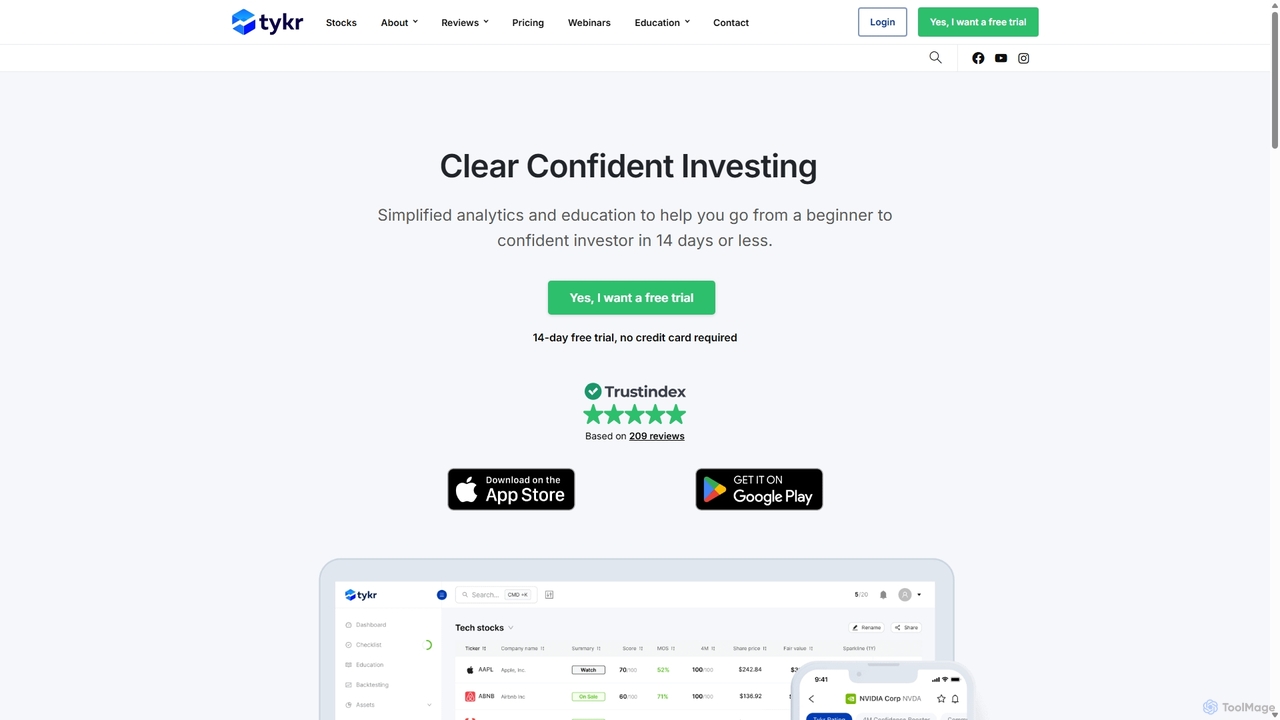
Tykr is an all-in-one stock screening and investment education platform designed to empower beginners to invest with confidence. It simplifies financial analysis by providing easy-to-understand ratings for over 40,000 stocks and 1,500 ETFs. The platform combines powerful tools with step-by-step education to help users learn when to buy, when to sell, and how to reduce risk in the stock market.

Financial Literacy
Visits 50.5KFavorites 148Likes 148
PortfolioGPT
Freemium

PortfolioGPT

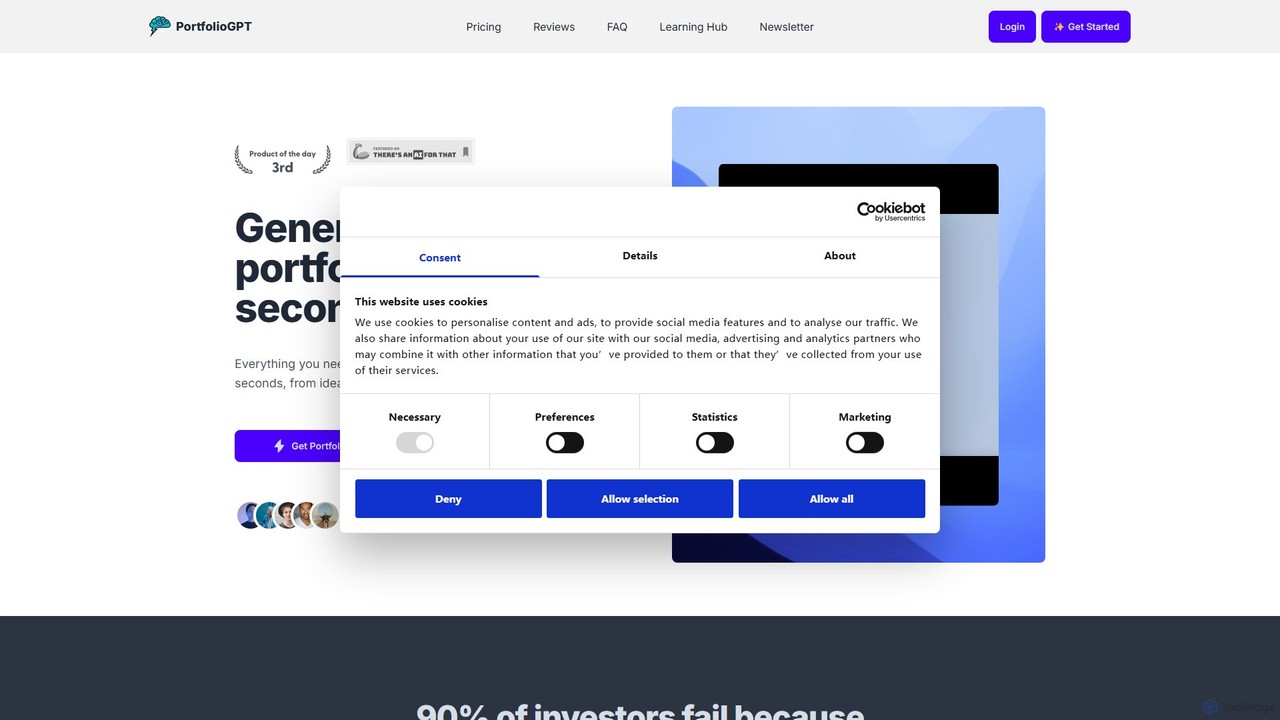
PortfolioGPT is an AI-powered platform that generates personalized investment portfolios in seconds. By analyzing your risk tolerance, investment amount, and financial goals, it creates intelligent, diversified strategies across stocks, ETFs, real estate, and crypto, helping both novice and experienced investors make smarter, data-driven decisions.

Financial Literacy
Visits 6.7KFavorites 138Likes 140
simplifymoney
Freemium

simplifymoney

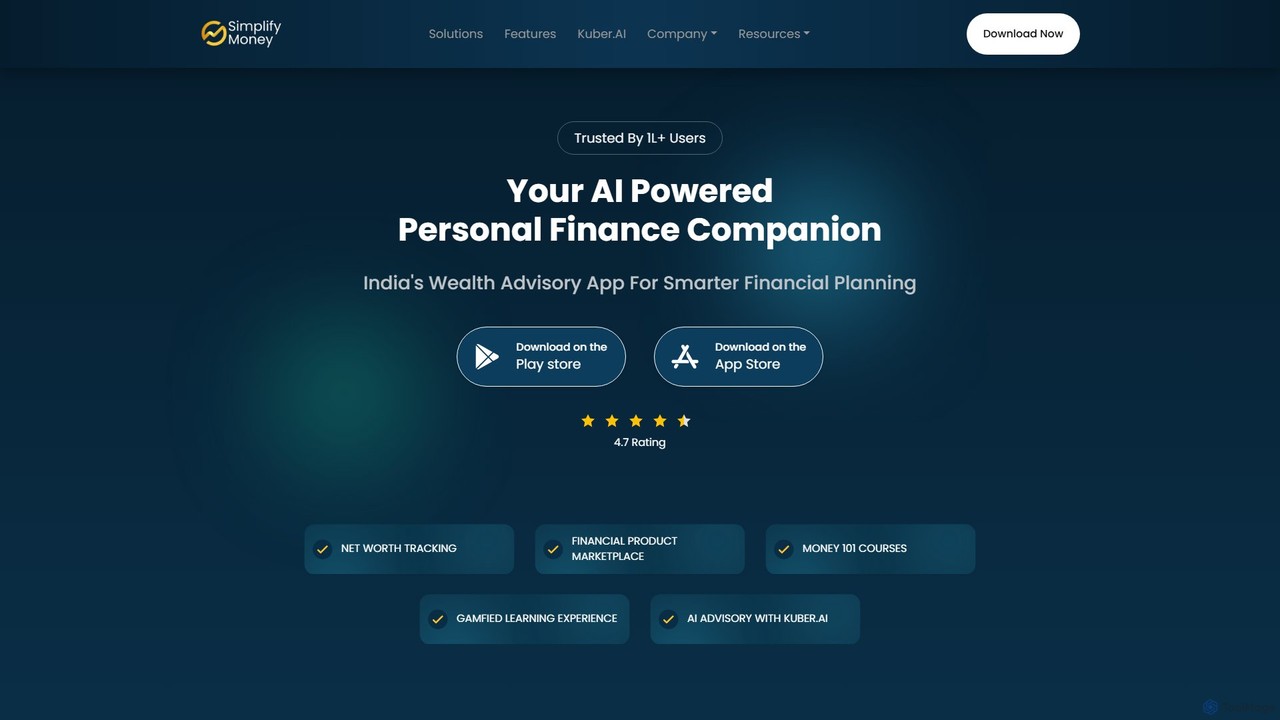
Simplify Money is an AI-powered personal finance companion designed for Gen Z in India. It combines net worth tracking, a financial product marketplace, and gamified learning to make money management simple, fun, and rewarding. Get AI-driven advice, buy insurance, invest in digital gold, and improve your financial literacy all in one app.

Financial Literacy
Visits 9KFavorites 143Likes 131

About Financial Literacy

AI Financial Literacy tools are a specialized category of educational software designed to improve users' understanding of personal finance. Leveraging interactive simulations, personalized learning paths, and data analysis, these tools make complex topics like budgeting, investing, and debt management accessible. They empower individuals to make informed financial decisions by providing customized advice and real-time feedback, moving beyond traditional static educational content.

Core Features

  • Personalized Learning Paths: Adapts educational content and recommendations based on a user's current knowledge, financial situation, and goals.
  • Interactive Budgeting Tools: Helps users create, track, and optimize budgets with AI-driven spending categorization and savings suggestions.
  • Investment Simulators: Provides a risk-free virtual environment to practice trading stocks or crypto, helping users understand market dynamics.
  • Debt Management Analysis: Analyzes user debt and suggests optimal repayment strategies, such as the avalanche or snowball method.

Use Cases

These tools are ideal for students learning financial basics, young adults managing their first income, and families planning for long-term goals like retirement or homeownership. Financial advisors also use them to provide clients with interactive educational resources to supplement their advice.

How to Choose

When selecting a tool, consider the scope of topics covered, from basic budgeting to advanced investment analysis. Evaluate the level of personalization and interactivity. Prioritize tools with strong data security protocols (like bank-level encryption) and check if their educational approach aligns with your learning style, whether it's gamified or data-driven.

Financial Literacy use cases

1

Personal Budget Creation and Optimization

For individuals new to managing their finances, an AI tool can simplify the process. Users connect their bank accounts, and the AI automatically categorizes transactions, providing a clear picture of spending habits. Based on this data, it identifies potential savings opportunities and helps set realistic monthly budgets for different categories like groceries, entertainment, and transport. The tool can send alerts when a user is approaching their budget limit, fostering disciplined spending.

2

Simulating Stock Market Investments

Aspiring investors can use an AI-powered simulator to learn without financial risk. They receive a virtual portfolio to buy and sell stocks, ETFs, or cryptocurrencies using real-time market data. The AI provides educational pop-ups explaining key concepts like diversification, market capitalization, and risk tolerance. It can also analyze the performance of the virtual portfolio, offering insights into what went right or wrong, thereby building practical knowledge and confidence for real-world investing.

3

Developing a Debt Repayment Strategy

For users with multiple debts, such as student loans, credit cards, and personal loans, an AI tool can create a clear path to becoming debt-free. The user inputs all their debt information (balance, interest rate, minimum payment). The AI then analyzes this data and models different repayment strategies, like the 'avalanche' (highest interest first) or 'snowball' (smallest balance first) methods. It visualizes how much time and money can be saved with each strategy, empowering the user to choose and stick to the most effective plan.

4

Teaching Financial Concepts to Students

Educators and parents can use AI-powered platforms to make financial education engaging for students. These tools often use gamification, such as interactive stories, quizzes, and reward systems, to teach core concepts like saving, earning interest, and the difference between needs and wants. An AI tutor can adapt the difficulty of the lessons based on a student's performance, ensuring they grasp one concept before moving to the next. This provides a personalized and effective learning experience that traditional classroom methods may not offer.

5

Retirement and Long-Term Goal Planning

Working professionals can use AI tools to visualize their path to long-term financial goals, such as retirement. By inputting their current income, savings rate, and investment portfolio, the AI can project their future wealth. It can run simulations based on different market conditions and model the impact of increasing savings contributions or changing investment strategies. This helps users understand if they are on track to meet their goals and what adjustments are needed to achieve them.

6

Understanding and Improving Credit Scores

For individuals looking to build or repair their credit, an AI tool can demystify the factors that influence credit scores. It can explain the impact of payment history, credit utilization, and length of credit history in simple terms. Some tools offer a credit score simulator, allowing users to see how potential actions—like paying off a credit card or taking out a new loan—might affect their score. The AI provides personalized, actionable tips for improvement, such as setting up payment reminders or strategies for lowering credit utilization.

Financial Literacy FAQ

What are AI Financial Literacy tools?

AI Financial Literacy tools are educational applications that use artificial intelligence to teach personal finance concepts. Unlike static articles or videos, they provide interactive and personalized experiences. Key features include AI-driven budget planners, risk-free investment simulators, and customized learning paths that adapt to a user's knowledge level. They aim to make complex financial topics like debt management, credit scores, and retirement planning more understandable and manageable for everyone.

How to choose the right AI Financial Literacy tool?

Choosing the right tool depends on your goals. Consider the following factors:

  • Learning Objectives: Are you trying to learn basic budgeting, or are you interested in advanced investment strategies? Select a tool that specializes in your area of interest.
  • Features: Look for tools with features that match your learning style. If you learn by doing, an investment simulator is valuable. If you need help with daily habits, an AI budget tracker is more suitable.
  • Data Security: Since you may be connecting financial accounts, ensure the tool uses bank-level encryption and has a clear privacy policy.
  • User Experience: Choose an application with an intuitive interface that makes learning enjoyable rather than a chore.
What's the difference between an AI Financial Literacy tool and a standard budgeting app?

The primary difference lies in their core purpose. A standard budgeting app is a tracking tool; it primarily records past income and expenses to show you where your money went. An AI Financial Literacy tool is an educational platform. While it may include budgeting features, its main goal is to teach you the 'why' behind financial decisions. It uses AI to provide personalized insights, simulate future financial scenarios (like investment growth or debt reduction), and actively build your financial knowledge, rather than just presenting data.

Who can benefit from using AI Financial Literacy tools?

A wide range of individuals can benefit. This includes:

  • Students and Young Adults: For learning foundational concepts like budgeting, saving, and understanding credit before they make major financial mistakes.
  • Working Professionals: To optimize their savings, plan for long-term goals like retirement, and explore investment strategies in a safe environment.
  • Families: For managing household budgets, planning for children's education, and teaching financial responsibility.
  • Anyone in Debt: To understand their options and create an effective, data-driven plan to become debt-free.
Is my financial data safe with these AI tools?

Reputable AI financial literacy tools prioritize data security. They typically use bank-level security measures, such as 256-bit AES encryption, to protect your data both in transit and at rest. Many also use third-party services like Plaid to connect to your bank accounts, which means the tool itself never stores your banking credentials. However, it is always crucial to review the privacy policy and security features of any financial app before linking your accounts. Look for transparency about how your data is used and protected.