ToolMage
Sign in

Best 4 Gamification AI tools for Education

Popular Gamification AI tools in Education include Wayground (Quizizz), Allchemy, Let's Copilot, and MindMash, helping you work more efficiently.

Wayground (Quizizz)
Freemium

Wayground (Quizizz)

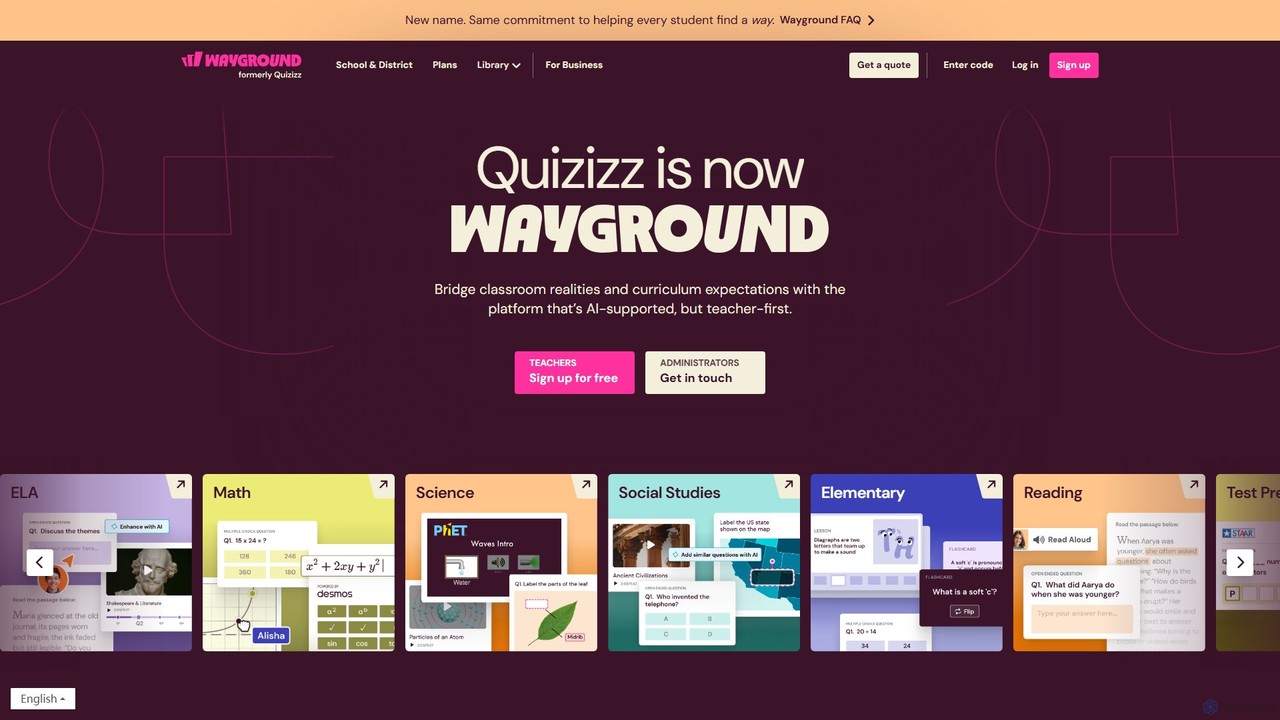
Wayground (formerly Quizizz) is an AI-powered K-12 learning platform that helps teachers create engaging quizzes, interactive lessons, and differentiated materials. It combines gamification with powerful assessment tools to motivate every student, provide data-driven insights, and seamlessly integrate with existing school curricula and technology ecosystems.

Assessment
Visits 38.8MFavorites 133Likes 113
Let's Copilot
Paid

Let's Copilot

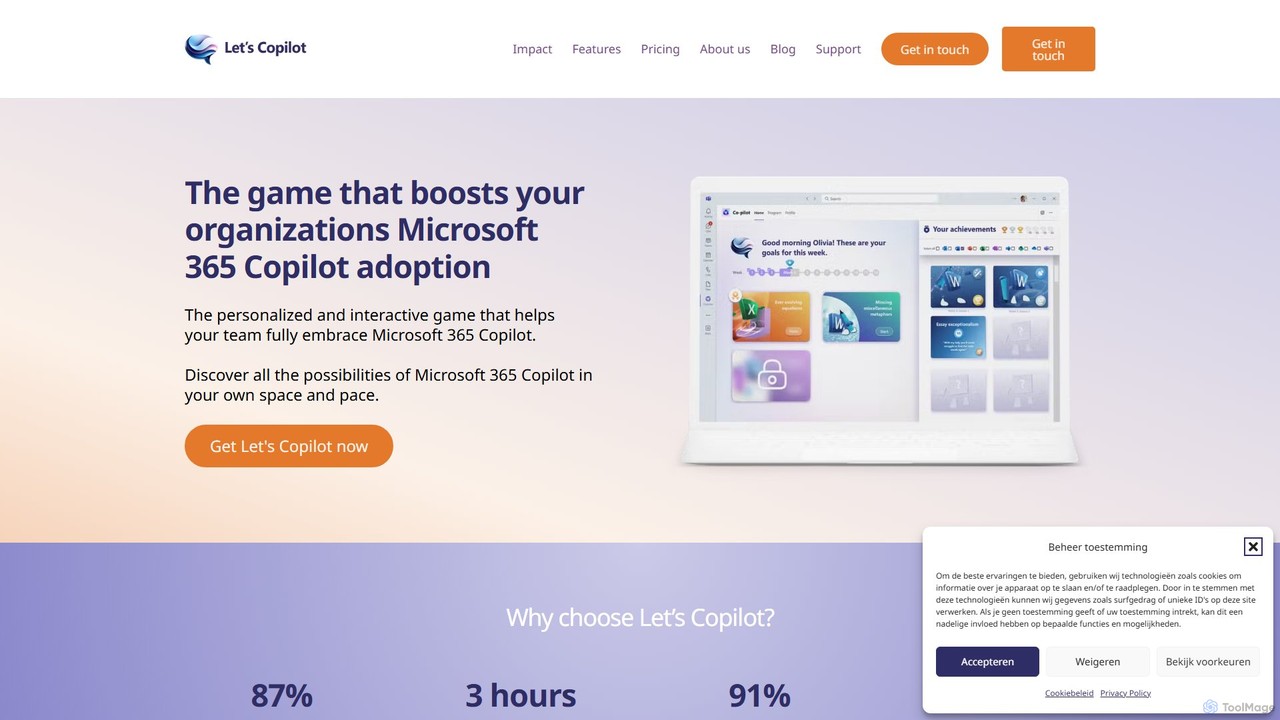
Let's Copilot is a gamified training application integrated into Microsoft Teams, designed to maximize your organization's adoption of Microsoft 365 Copilot. It offers a personalized and interactive learning journey to equip employees with the skills needed to enhance productivity in the AI era.

Employee Onboarding
Visits 8.4KFavorites 161Likes 149
Allchemy
Freemium

Allchemy

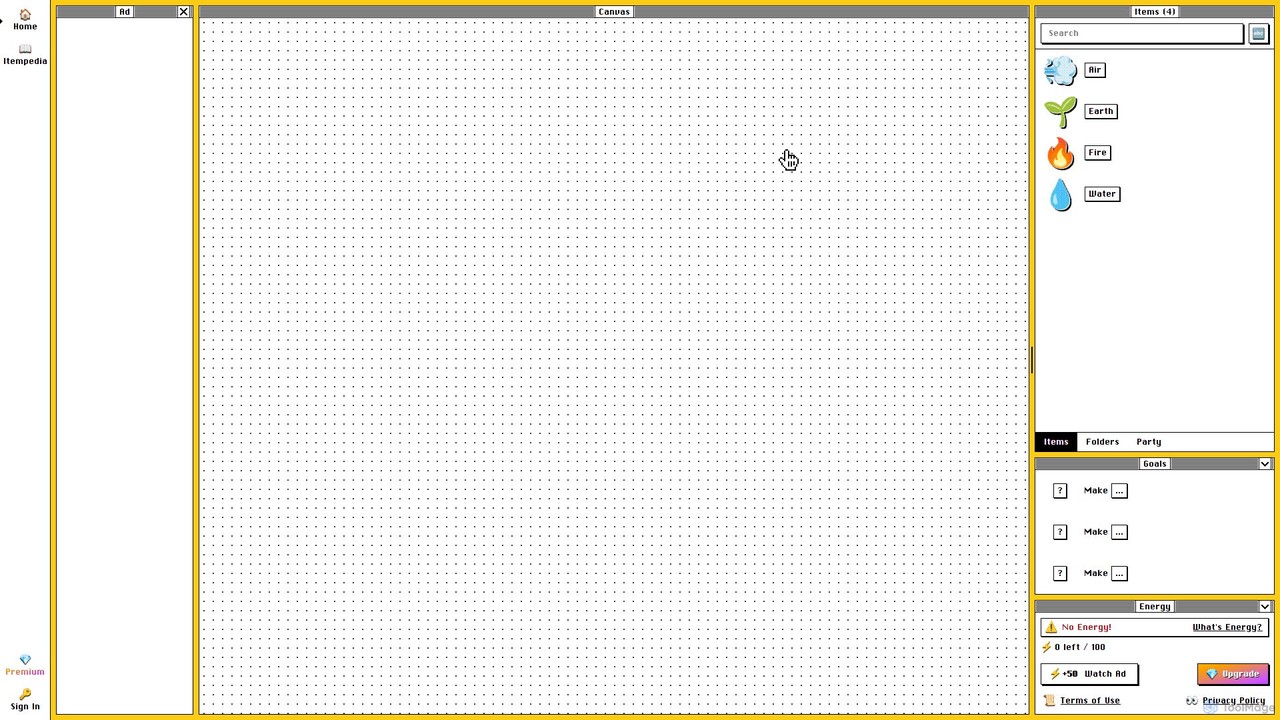
Allchemy is an AI-powered crafting game where you start with basic elements like Air, Earth, Fire, and Water, and combine them to discover thousands of new items. It features a collaborative multiplayer mode, a vast item encyclopedia, and endless creative possibilities.

Gamification
Visits 10.9KFavorites 138Likes 144
MindMash
Freemium

MindMash

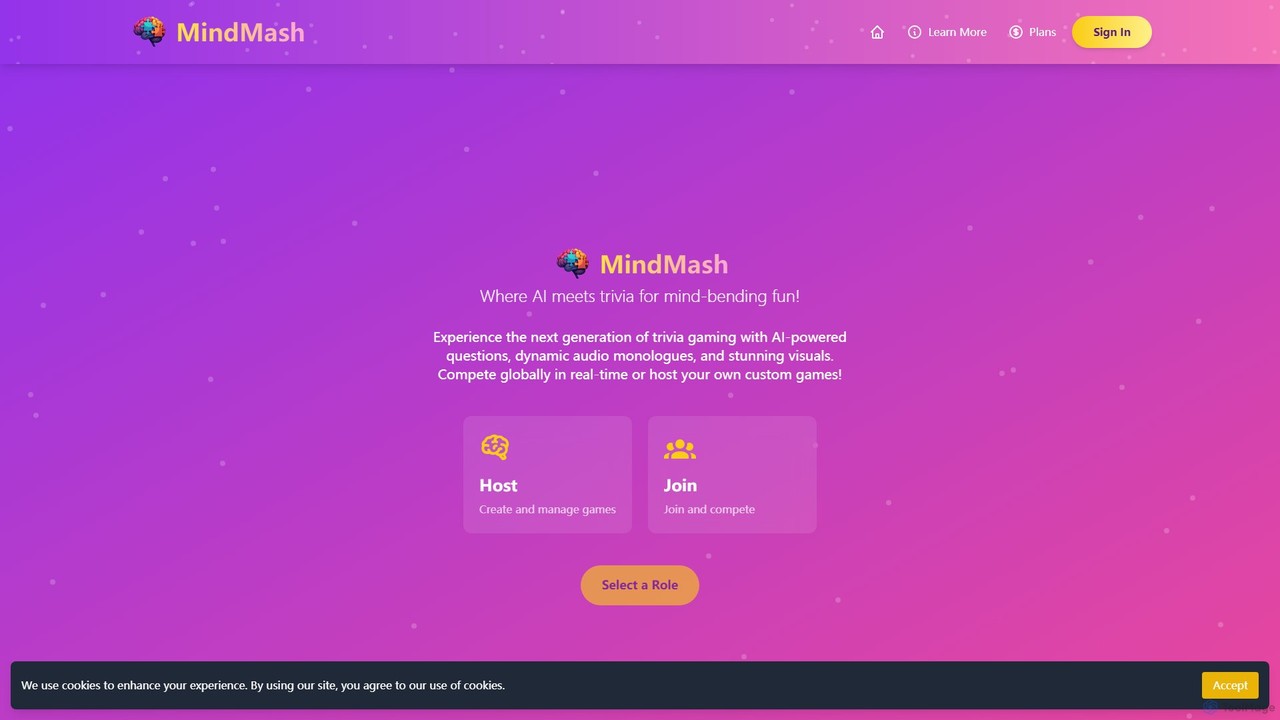
MindMash is an AI-powered trivia platform that transforms any content into engaging, interactive games. It automatically generates questions, answers, stunning visuals, and audio narration from documents, web links, or search queries. Ideal for team-building, educational activities, and social events, MindMash allows users to compete globally or host custom games, making learning and entertainment more immersive and fun.

Gamification
Visits 7.2KFavorites 124Likes 135

About Gamification

Gamification AI tools integrate game-like elements into non-game contexts, primarily to enhance engagement, motivation, and learning outcomes. These tools leverage artificial intelligence to personalize challenges, rewards, and feedback, dynamically adapting to individual user progress and preferences. They are widely applied in education, corporate training, marketing, and health to make tasks more enjoyable and effective, fostering sustained participation and skill development. AI-driven gamification offers a unique advantage through its ability to provide highly customized and adaptive user experiences based on real-time data.

Core Features

  • Personalized Challenges: AI analyzes user performance to offer tailored tasks and difficulty levels.
  • Dynamic Reward Systems: Automatically adjusts points, badges, and virtual rewards based on user behavior and progress.
  • Real-time Feedback: Provides immediate, constructive feedback to guide users and reinforce desired actions.
  • Behavioral Analytics: Tracks user engagement patterns and identifies areas for improvement in gamified experiences.
  • Interactive Content Generation: Creates engaging quizzes, simulations, and scenarios on the fly.

Applicable Scenarios

Gamification AI tools are invaluable for organizations seeking to boost user motivation and achieve specific behavioral goals. They are extensively used in online learning platforms to make courses more interactive, in corporate environments for engaging employee training and onboarding, and in marketing for customer loyalty programs. These tools transform routine activities into stimulating challenges, driving higher completion rates and deeper engagement across various domains.

How to Choose

When selecting a Gamification AI tool, consider its personalization engine's sophistication, ensuring it can truly adapt to individual users. Evaluate the range of game mechanics offered, such as leaderboards, badges, and quests, and their customization options. Look for robust analytics and reporting features to measure impact, along with seamless integration capabilities with existing platforms. Finally, assess scalability and the overall user experience to ensure it meets your audience's needs.

Gamification use cases

1

Personalized Learning Paths in Education

Educators and e-learning platform developers utilize AI gamification tools to create engaging, adaptive learning experiences. These tools analyze student performance and learning styles, then suggest personalized challenges, award points or badges for mastery, and dynamically adapt content difficulty. This results in increased student motivation, improved knowledge retention, and tailored learning journeys that cater to individual needs, making education more effective and enjoyable.

2

Employee Training & Skill Development

HR managers and corporate trainers leverage AI gamification to make mandatory training more engaging and effective. They design interactive modules with leaderboards, quizzes, simulations, and virtual rewards that track progress and encourage healthy competition among employees. This approach leads to higher completion rates for training programs, better skill acquisition, and a more positive learning culture, ultimately reducing training costs and improving workforce capabilities.

3

Customer Engagement & Loyalty Programs

Marketing teams and product managers employ AI gamification to boost user retention and encourage desired behaviors within their platforms. By implementing point systems, tiered rewards, challenges, and personalized notifications within apps or websites, they incentivize purchases, referrals, or content consumption. This strategy enhances brand loyalty, increases user activity, and provides valuable customer data for further optimization, creating a more dynamic and rewarding customer journey.

4

Health & Wellness Habit Formation

Healthcare providers and fitness app developers utilize AI gamification to motivate users to adopt and maintain healthier habits. They create daily challenges, progress trackers, virtual rewards, and social sharing features for fitness, diet, or meditation apps. This helps users sustain behavioral change, achieve improved health outcomes, and fosters a sense of community, making the journey towards better health more engaging and less daunting.

5

Onboarding & User Adoption for Software

Product teams and UX designers leverage AI gamification to guide new users through complex software and encourage feature exploration. They design interactive tutorials with progress bars, checklists, mini-challenges, and immediate feedback to make learning the software intuitive and rewarding. This approach leads to faster user adoption, reduced support queries, and higher feature engagement, ensuring users quickly become proficient and derive maximum value from the product.

6

Community Building & Participation

Community managers and social platform administrators employ AI gamification to encourage active participation and content contribution within online forums or communities. They implement reputation systems, badges for contributions, leaderboards for top users, and special privileges for reaching milestones. This fosters a more vibrant community, increases user-generated content, and strengthens user bonds, transforming passive members into active, engaged contributors who feel valued and recognized.

Gamification FAQ

What are AI Gamification tools?

AI Gamification tools are software solutions that integrate game-like elements into non-game environments, using artificial intelligence to enhance user engagement and motivation. They leverage AI to personalize challenges, rewards, and feedback, adapting dynamically to individual user behavior and progress. These tools are designed to make tasks more enjoyable and effective, commonly applied in education, corporate training, and marketing to drive specific behavioral outcomes and improve user experience.

How do AI Gamification tools differ from traditional gamification?

The primary difference lies in AI's dynamic and personalized capabilities. Traditional gamification often relies on static, rule-based systems with predefined challenges and rewards. AI gamification, however, uses machine learning to analyze real-time user data, adapting game mechanics, content, and difficulty levels on the fly. This allows for highly individualized experiences, optimized engagement, and more effective behavioral nudges, moving beyond a one-size-fits-all approach to truly responsive and intelligent interaction.

What are the key benefits of using AI Gamification in education?

In education, AI Gamification offers several key benefits. It significantly increases student engagement and motivation by making learning more interactive and rewarding. Personalized learning paths, tailored by AI, cater to individual student needs, improving knowledge retention and academic performance. Furthermore, these tools provide educators with valuable data-driven insights into student progress and areas of difficulty, enabling more targeted interventions and a more effective overall learning experience.

What features should I look for in an AI Gamification platform?

When choosing an AI Gamification platform, prioritize a robust AI engine capable of deep personalization and adaptive learning. Look for a wide array of customizable game mechanics, such as points, badges, leaderboards, quests, and virtual economies. Essential features include comprehensive analytics and reporting to track engagement and outcomes, seamless integration with your existing systems (LMS, CRM, etc.), and strong content creation tools. User-friendliness, scalability, and security are also critical for a successful implementation.

Can AI Gamification be applied beyond education?

Absolutely. While highly effective in education, AI Gamification extends its utility across various sectors. In corporate training, it boosts employee engagement and skill development. Marketing teams use it for customer loyalty programs and product onboarding to drive user adoption and retention. Healthcare leverages it for habit formation and wellness challenges. Essentially, any field requiring sustained user motivation, behavioral change, or skill acquisition can benefit from the dynamic and personalized engagement offered by AI Gamification tools.