Education Best in category 3 results K 12 AI Tool

Popular AI tools in the K 12 field of Education include esparklearning、StayQrious、Tutopa, etc., helping you quickly improve efficiency.

esparklearning

esparklearning

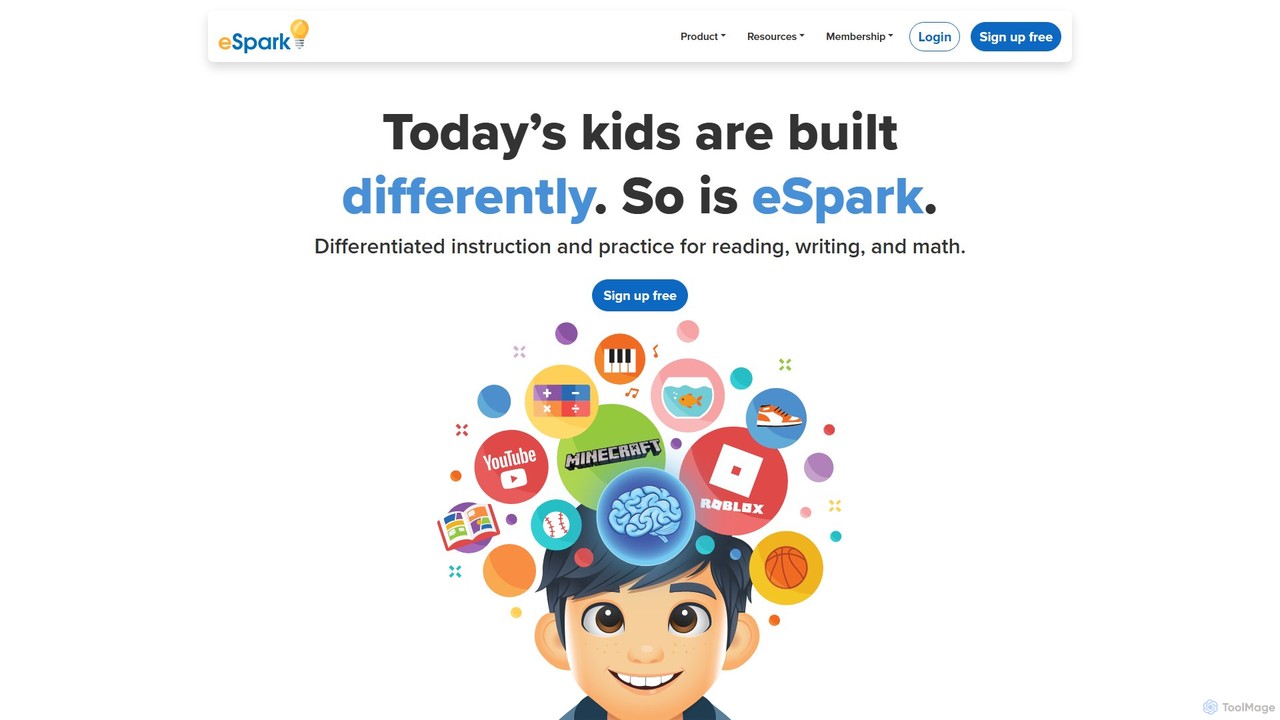
eSpark is an AI-powered K-5 learning platform that provides differentiated instruction in math, reading, and writing. It personalizes …

84.8K
StayQrious

StayQrious

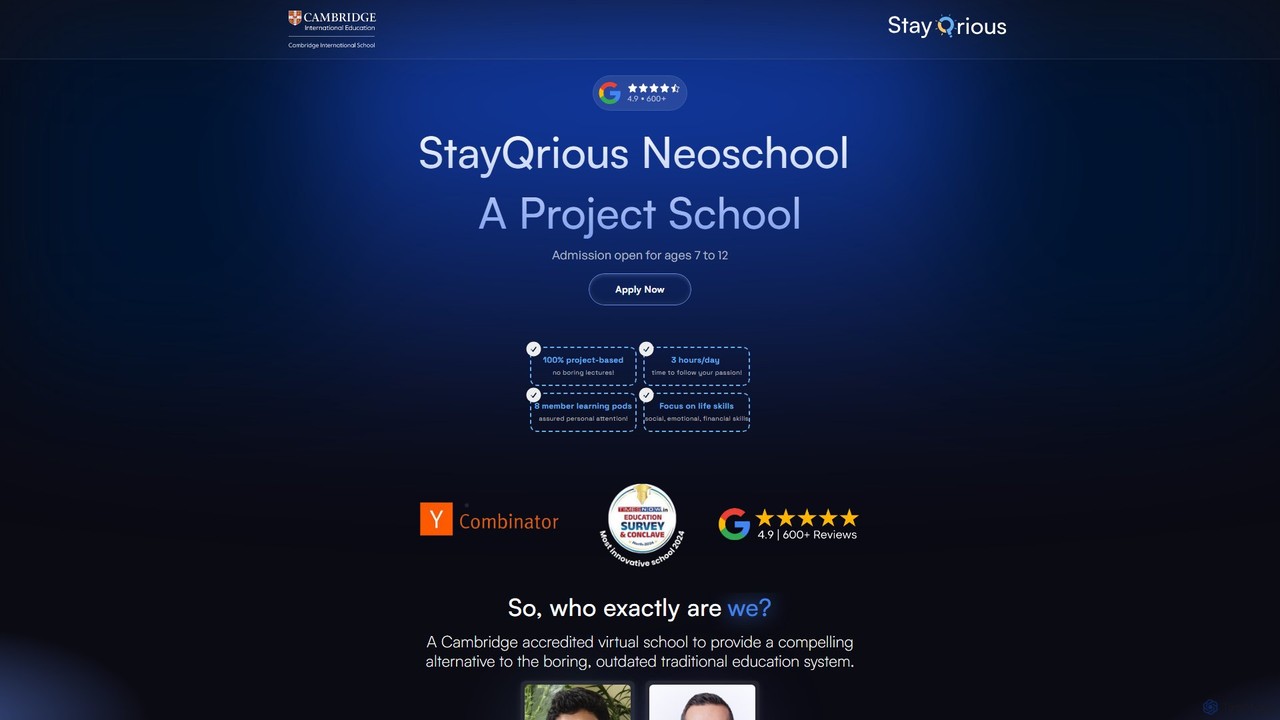
StayQrious is an AI-powered, Cambridge-accredited virtual school for children aged 7-12. It replaces traditional schooling with a 100% …

10.8K
Tutopa

Tutopa

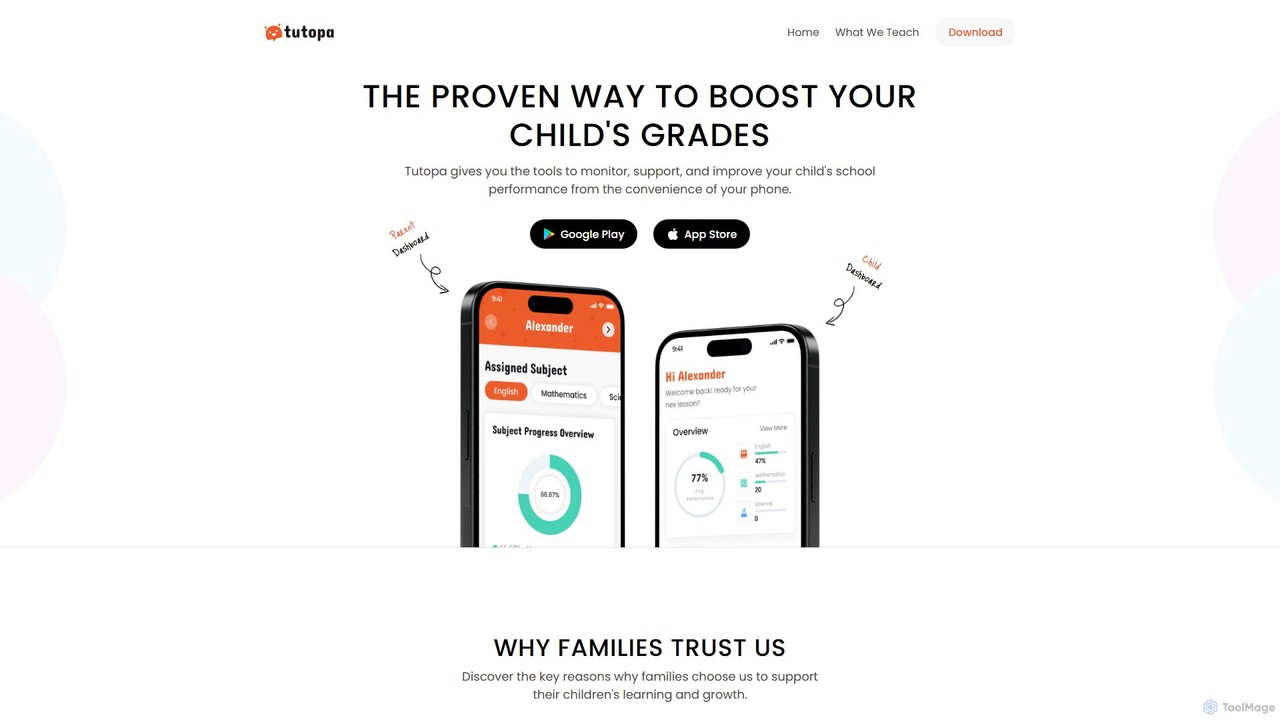
Tutopa is an AI-powered online learning platform for children, focusing on English, Math, and Science. It offers interactive, …

3.0K

About K 12

K-12 AI tools are a specialized category of educational software designed to support teaching and learning for students from kindergarten through 12th grade. These platforms leverage artificial intelligence to create personalized learning paths, automate administrative tasks, and deliver engaging, age-appropriate content. Their primary value lies in adapting educational experiences to individual student needs and providing teachers with powerful data-driven insights to enhance instruction. This focus on early and secondary education distinguishes them from broader educational AI for higher learning or corporate training.

Core Features

  • Personalized Learning Paths: The AI analyzes student performance to create customized lesson plans, quizzes, and activities that target specific learning gaps or areas for advancement.
  • Automated Assessment and Grading: Automatically grades multiple-choice tests, fill-in-the-blank questions, and can provide initial feedback on written assignments, saving teachers significant time.
  • Interactive & Adaptive Content: Delivers gamified lessons, AI-powered tutors, and educational simulations that adjust in difficulty based on student interaction.
  • Student Safety & Content Filtering: Provides a controlled environment for AI interaction, with robust filters to ensure all content is age-appropriate and curriculum-aligned.
  • Teacher & Administrator Dashboards: Offers analytics on class-wide and individual student progress, highlighting trends and identifying students who may need extra support.

Applicable Scenarios

These tools are primarily used by K-12 educators to differentiate instruction within a diverse classroom, school administrators to monitor academic progress across grade levels, and students to receive supplemental, self-paced instruction. Tutors and parents also use them to provide targeted academic support outside of school hours.

Selection Criteria

When choosing a K-12 AI tool, prioritize curriculum alignment with state or national standards. Scrutinize data privacy policies to ensure compliance with regulations like COPPA and FERPA. Evaluate the user interface for both teachers and students for ease of use. Finally, consider its integration capabilities with existing Learning Management Systems (LMS) and the availability of professional development for staff.

K 12Use Cases

1

Creating Differentiated Math Assignments

A 4th-grade teacher uses a K-12 AI tool to prepare for her upcoming math lesson on fractions. Based on the results of a recent diagnostic quiz, the AI platform automatically sorts students into three groups: those needing foundational support, those at grade level, and those ready for a challenge. The teacher then instructs the AI to generate three distinct sets of worksheets. Each worksheet covers the same core concepts but with varying levels of difficulty and scaffolding. This process, which used to take hours of manual planning, is now completed in under 15 minutes, allowing the teacher to focus on instructional strategies rather than material creation.

2

AI-Powered Reading Comprehension Tutor

A middle school student uses an AI tutor app to improve their reading comprehension skills. The app presents a short story and then asks a series of questions that test recall, inference, and vocabulary. When the student answers incorrectly, the AI doesn't just provide the right answer; it highlights the relevant passage in the text and explains the reasoning behind the correct choice. The difficulty of the texts and questions automatically adjusts based on the student's performance, ensuring they are always challenged but not overwhelmed. This provides personalized, 24/7 support that complements classroom instruction.

3

Automating Science Lab Report Feedback

A high school chemistry teacher uses an AI tool to streamline the grading of lab reports. Students submit their reports through the platform, and the AI performs an initial check. It verifies if all required sections (Hypothesis, Materials, Procedure, Results, Conclusion) are present, checks for plagiarism, and flags major formatting errors. It can even cross-reference the submitted data with expected outcomes to identify potential measurement errors. This initial automated review allows the teacher to focus their valuable time on assessing the students' critical thinking and scientific reasoning, rather than on tedious administrative checks.

4

Developing an Interactive History Lesson

A history teacher wants to make the American Revolution more engaging for 8th graders. Using a K-12 AI platform, they create an interactive simulation where students can 'interview' an AI persona of George Washington. The teacher provides the AI with key historical documents and context. Students then ask questions about his strategies, challenges, and motivations. The AI responds in character, drawing from the provided information. This active learning experience helps students develop a deeper, more memorable understanding of historical events and figures compared to passively reading a textbook.

5

Early Identification of Learning Gaps

A school administrator uses an AI-powered analytics dashboard that aggregates student performance data from various sources, including standardized tests, classroom assignments, and attendance records. The system's algorithm identifies patterns that might otherwise be missed, such as a district-wide difficulty with a specific math concept in 5th grade. It also flags individual students who are beginning to fall behind, even before their grades drop significantly. This allows for timely, data-informed interventions, enabling the school to provide targeted support to students and professional development for teachers exactly where it's needed most.

6

Safe Introduction to Generative AI for Students

A middle school technology teacher uses a sandboxed AI platform designed specifically for K-12 education. This platform allows students to experiment with generative AI for tasks like writing poetry, creating story ideas, or generating images for a project. However, it operates within a secure 'walled garden'. The system has built-in, education-focused safety filters that prevent the generation of inappropriate content and block sensitive topics. It also provides teachers with a dashboard to monitor student usage and prompts, ensuring that students learn to use this powerful technology responsibly and ethically within a controlled, educational context.

K 12Frequently Asked Questions