ToolMage
Sign in

Best 2 Plagiarism Checker AI tools for Education

Popular Plagiarism Checker AI tools in Education include AIDetector and AI Humanizer, helping you work more efficiently.

AIDetector
Free

AIDetector

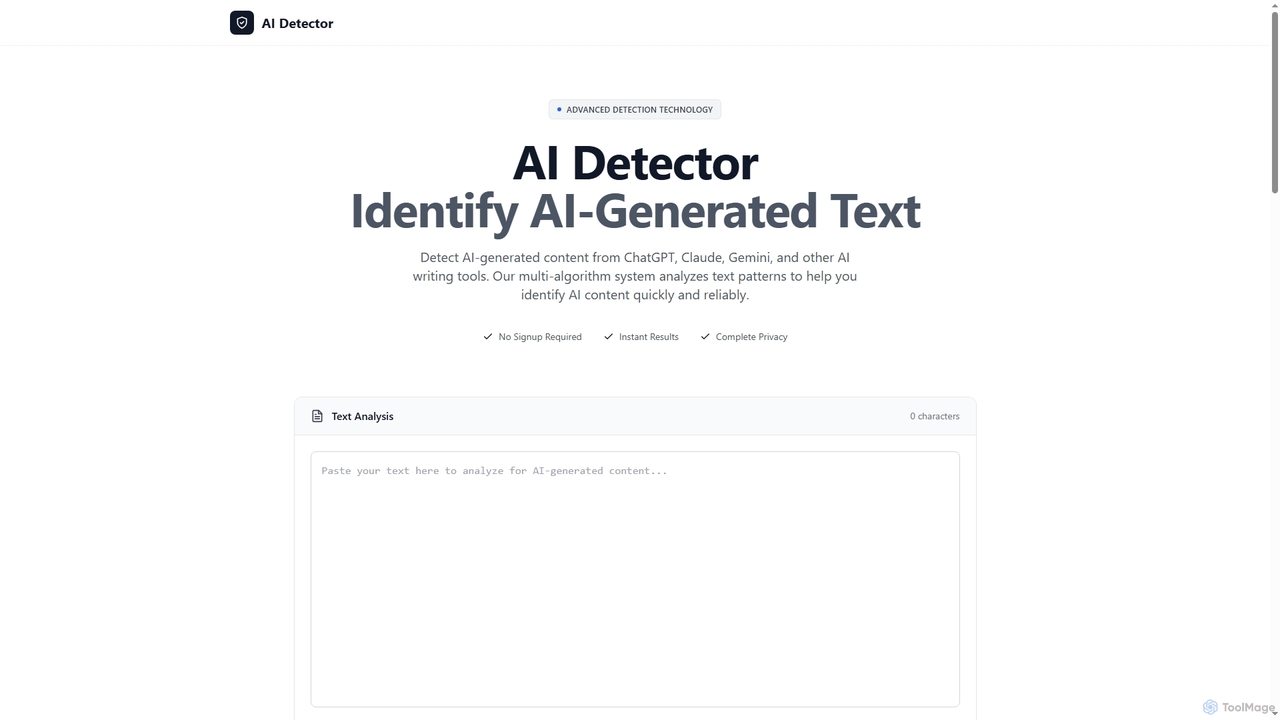
AIDetector is an advanced, multi-algorithm AI content detection tool designed to accurately identify text generated by leading AI models like ChatGPT, Claude, and Gemini. It offers instant results, ensures complete user privacy, and provides detailed, reliable analysis without requiring any signup.

Ai Content Detection
Visits 7.4KFavorites 109Likes 111
AI Humanizer
Free

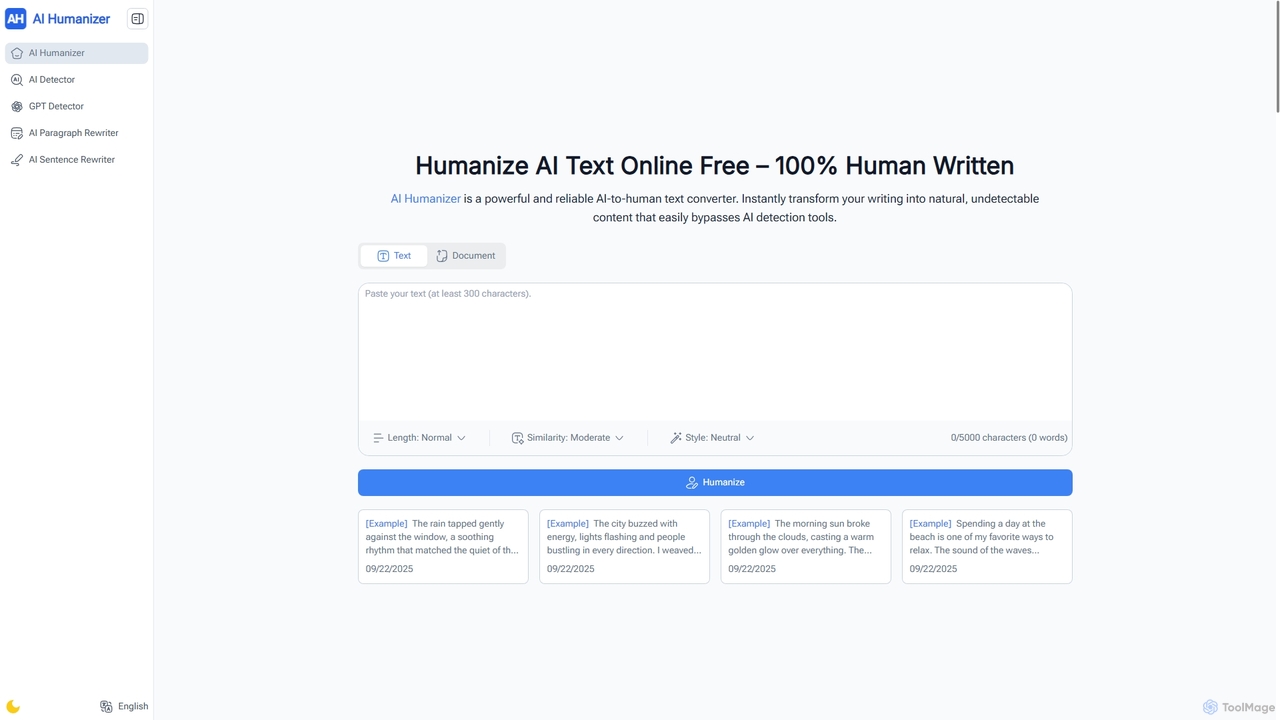
AI Humanizer

AI Humanizer is a comprehensive online platform offering a suite of free tools to transform AI-generated text into natural, human-like content, accurately detect AI writing, and rewrite sentences or paragraphs in various styles. It helps users bypass AI detection, enhance readability, and maintain authenticity across academic, professional, and creative writing, all without requiring any sign-up or hidden fees.

Ai Detection
Visits 6.6KFavorites 131Likes 125

About Plagiarism Checker

Plagiarism Checker tools are AI-powered solutions designed to identify instances of unoriginal content within text. Utilizing advanced algorithms and extensive databases, these tools compare submitted documents against billions of web pages, academic papers, and other published works to detect similarities. They are essential for upholding academic integrity, ensuring content authenticity, and protecting intellectual property across various sectors, particularly in education and publishing.

Core Features

  • Text Comparison: Analyzes submitted text against a vast repository of sources to highlight matching phrases and sentences.
  • Source Identification: Pinpoints the original sources of detected similarities, providing links or references for verification.
  • Similarity Report Generation: Creates detailed reports indicating the percentage of unoriginal content and specific sections requiring review.
  • AI Content Detection: Some advanced checkers can also identify text potentially generated by AI models, distinguishing it from human-written content.
  • Citation & Referencing Check: Verifies proper citation formats and identifies missing or incorrect references.

Use Cases

Plagiarism checkers are widely used by students to ensure their assignments are original, by educators to evaluate academic honesty, and by content creators to verify the uniqueness of their articles before publication. Publishers and researchers also rely on these tools to maintain the integrity of their works and prevent copyright infringement.

How to Choose

When selecting a plagiarism checker, consider its database size and scope (web, academic journals), accuracy in detecting various forms of plagiarism, integration capabilities with learning management systems, and the clarity of its similarity reports. Also, evaluate its ability to detect AI-generated content and its pricing model based on your usage needs.

Plagiarism Checker use cases

1

Ensuring Academic Originality for Students

Students can use plagiarism checkers to review their essays, research papers, and dissertations before submission. By identifying unintentional plagiarism or improper citations, they can refine their work, learn correct referencing practices, and ensure their academic integrity is maintained, avoiding penalties for unoriginal content.

2

Evaluating Student Submissions for Educators

Educators and professors utilize these tools to quickly and efficiently check student assignments for originality. The detailed similarity reports help them identify instances of plagiarism, provide constructive feedback on proper citation, and uphold academic standards within their institutions, ensuring fair assessment.

3

Verifying Content Authenticity for Publishers

Publishing houses and online media platforms employ plagiarism checkers to ensure that submitted manuscripts, articles, and blog posts are original and free from copyright infringement. This protects their brand reputation, avoids legal issues, and guarantees that readers receive unique and valuable content.

4

Maintaining Research Integrity for Researchers

Researchers and academics use plagiarism detection tools to scrutinize their own work and peer reviews. This helps prevent self-plagiarism, ensures proper attribution of sources, and maintains the high ethical standards required in scientific and academic research, contributing to credible knowledge dissemination.

5

Protecting Brand Reputation for Content Marketers

Content marketing agencies and businesses leverage plagiarism checkers to verify the originality of marketing copy, website content, and promotional materials created by their teams or freelancers. This safeguards their brand from accusations of content theft and ensures their SEO efforts are not undermined by duplicate content penalties.

6

Detecting AI-Generated Text in Submissions

With the rise of AI writing tools, many institutions and publishers now use advanced plagiarism checkers that include AI content detection capabilities. This helps them identify if a submitted text was generated by an AI model rather than a human, which is crucial for policies regarding originality and authorship.

Plagiarism Checker FAQ

What is a Plagiarism Checker?

A Plagiarism Checker is an AI-powered software tool designed to detect similarities between a submitted text and existing published works. It scans vast databases of web pages, academic articles, and other documents to identify matching phrases, sentences, or ideas, providing a similarity score and highlighting potential instances of plagiarism. These tools are crucial for ensuring originality and academic integrity.

How does a Plagiarism Checker work?

Plagiarism checkers typically work by breaking down the submitted text into smaller segments and comparing them against a massive database of online and offline content. They use algorithms to identify exact matches, paraphrased content, and structural similarities. The tool then generates a report detailing the percentage of matched content, the sources of the matches, and often provides suggestions for proper citation.

What's the difference between a Plagiarism Checker and an AI Content Detector?

While some modern plagiarism checkers integrate AI content detection, their primary functions differ. A Plagiarism Checker focuses on identifying unoriginality by comparing text to existing sources. An AI Content Detector, on the other hand, aims to determine if a text was generated by an artificial intelligence model rather than a human, often by analyzing linguistic patterns and predictability. Many tools now offer both capabilities.

Who primarily uses Plagiarism Checkers?

Plagiarism checkers are primarily used by students to ensure their work is original, educators to verify academic honesty in assignments, and content creators or publishers to maintain the uniqueness and integrity of their written materials. Researchers, journalists, and legal professionals also use them to ensure the authenticity and proper attribution of information.

Can Plagiarism Checkers detect paraphrasing?

Yes, advanced plagiarism checkers are designed to detect paraphrasing, not just exact word-for-word matches. They use sophisticated algorithms that can identify semantic similarities and structural rephrasing, even when the wording has been changed. However, the effectiveness can vary, and highly skilled paraphrasing might still evade detection by some tools.