ToolMage
Sign in

Best 5 Public Speaking AI tools for Education

Popular Public Speaking AI tools in Education include Orai, Verble, Rennor, SpeechPro, and SpeechCraftPro, helping you work more efficiently.

Rennor

Rennor

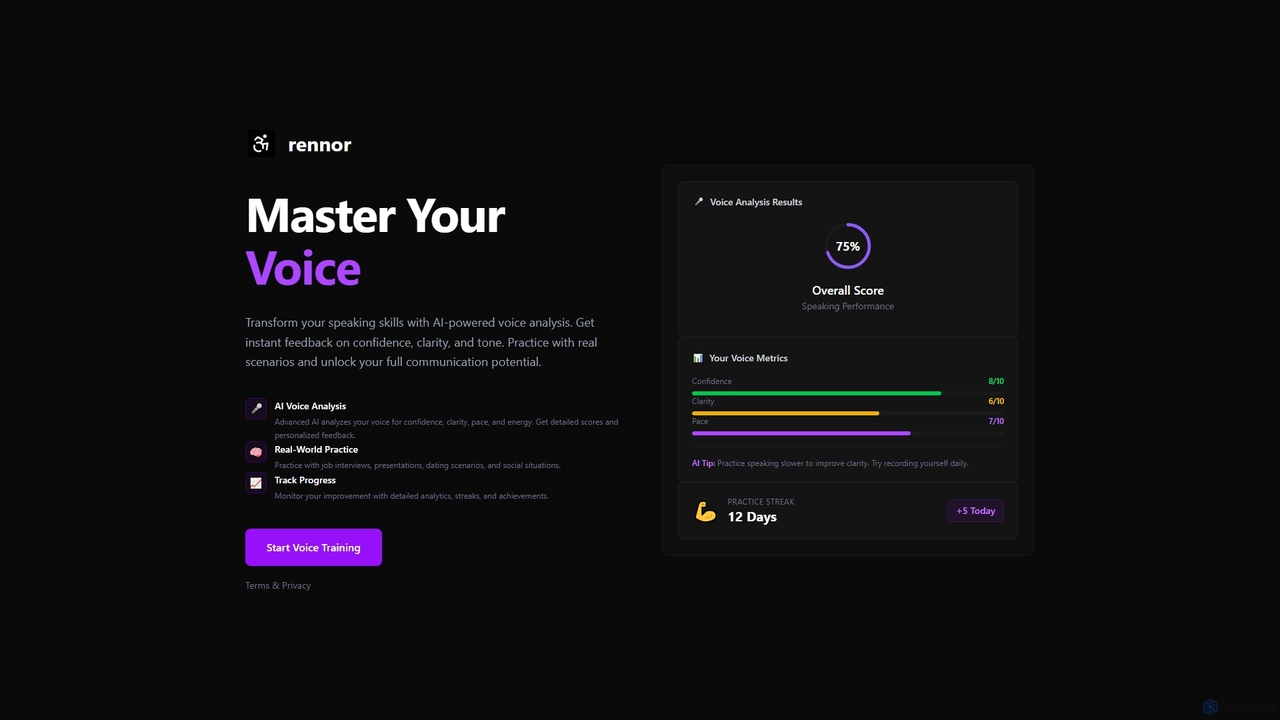
Rennor is an AI-powered personal growth companion designed to help users master their speaking skills. It provides instant voice analysis, offering feedback on confidence, clarity, pace, and energy. Users can practice with realistic scenarios to track their improvement and unlock their full communication potential.

Public Speaking
Visits 6.2KFavorites 122Likes 103
SpeechPro
Freemium

SpeechPro

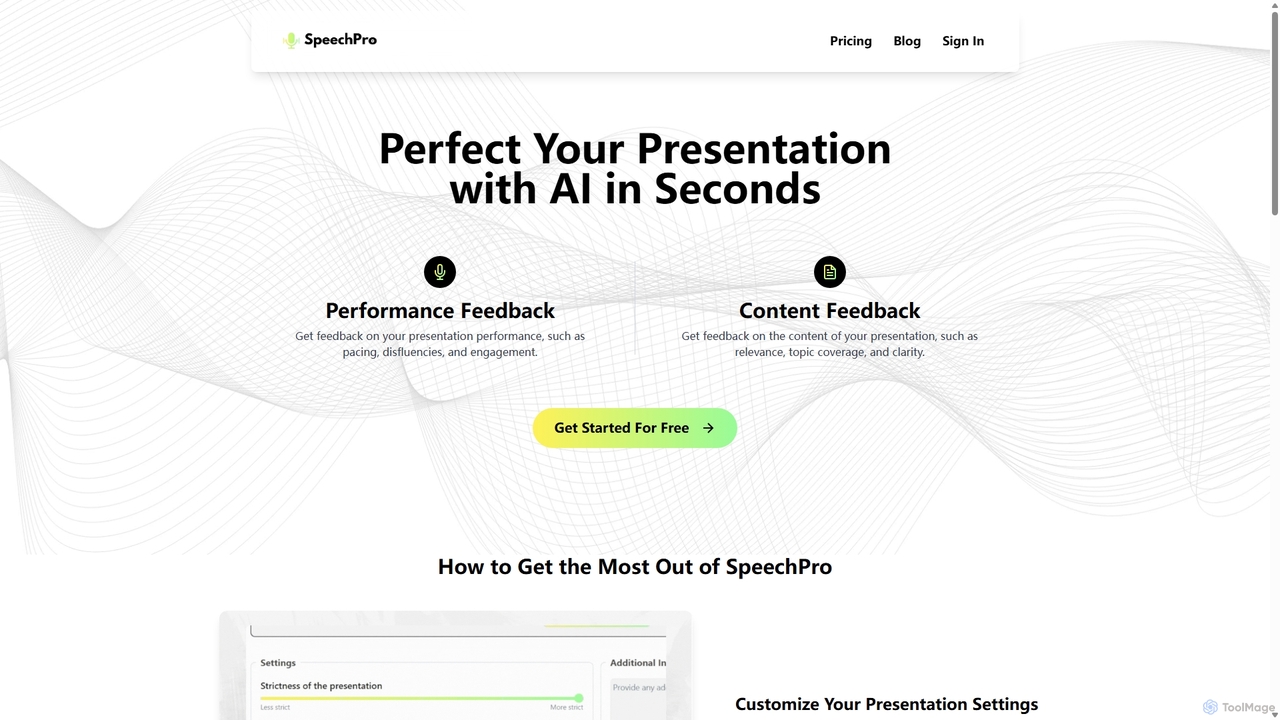
SpeechPro is an AI-powered coach that analyzes your presentation recordings to provide detailed feedback on both performance and content. Improve your pacing, clarity, and engagement with personalized insights, customizable settings, and comprehensive assessments to become a more confident and effective speaker.

Skill Development
Visits 6KFavorites 161Likes 165
Verble
Freemium

Verble

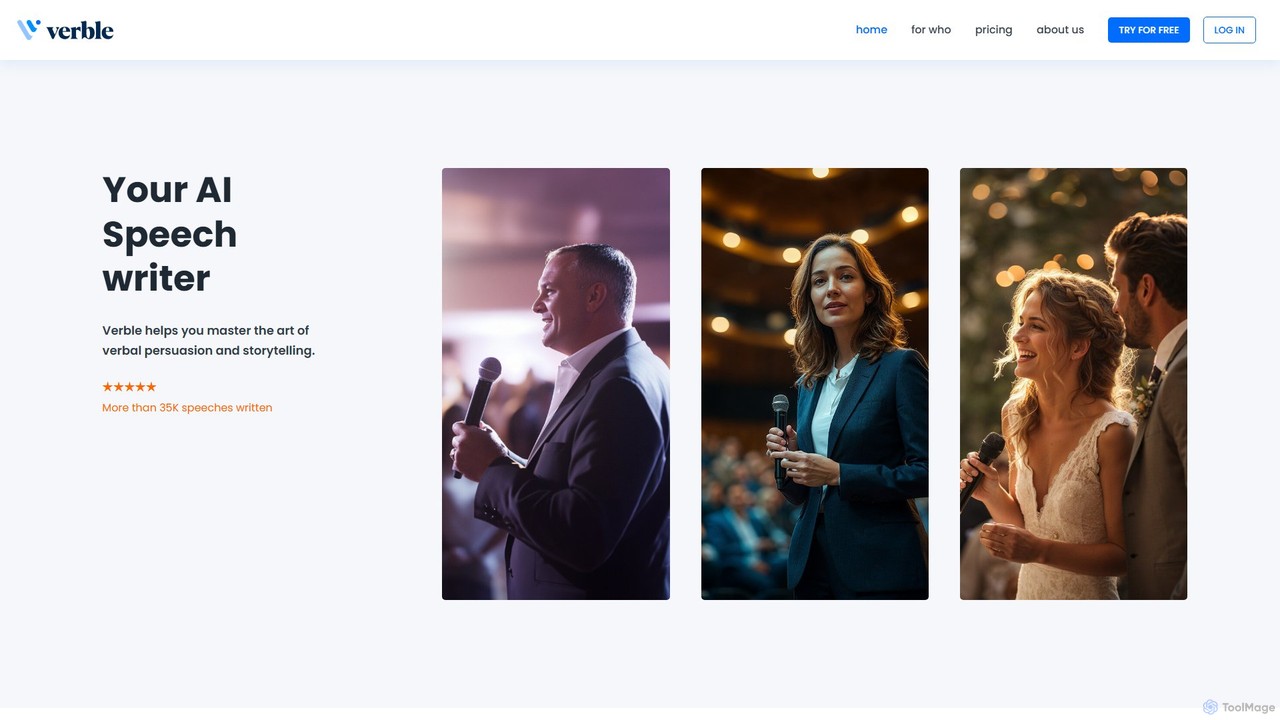
Verble is an AI-powered speechwriting assistant and public speaking coach designed to help users master verbal persuasion and storytelling. It guides you from initial idea to final delivery, helping you craft and practice compelling speeches for any occasion, including business, academic, and personal events.

Public Speaking
Visits 50KFavorites 116Likes 109
SpeechCraftPro
Paid

SpeechCraftPro

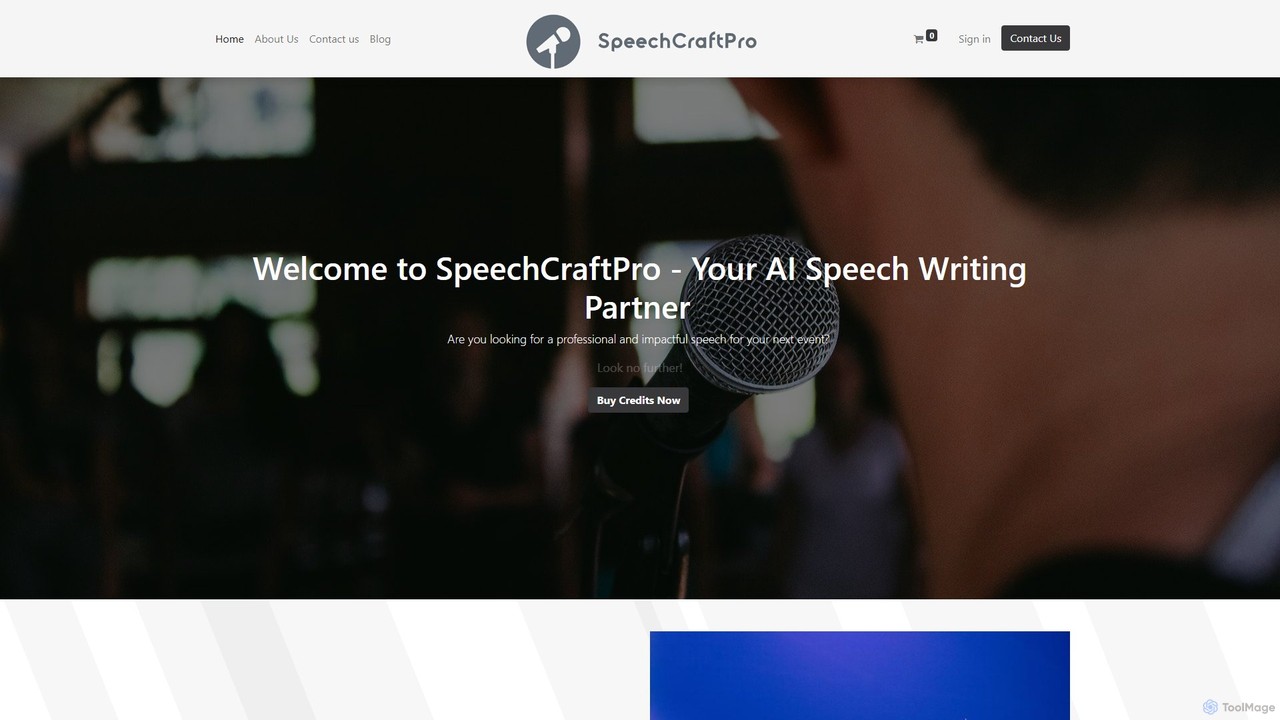
SpeechCraftPro is an AI-powered platform designed to help users effortlessly create professional, impactful, and customized speeches for any occasion. From weddings and business presentations to eulogies and graduation addresses, the tool uses advanced AI to transform simple inputs into well-structured and eloquent speeches, saving users time and reducing public speaking anxiety.

Public Speaking
Visits 5.7KFavorites 136Likes 126
Orai
Freemium

Orai

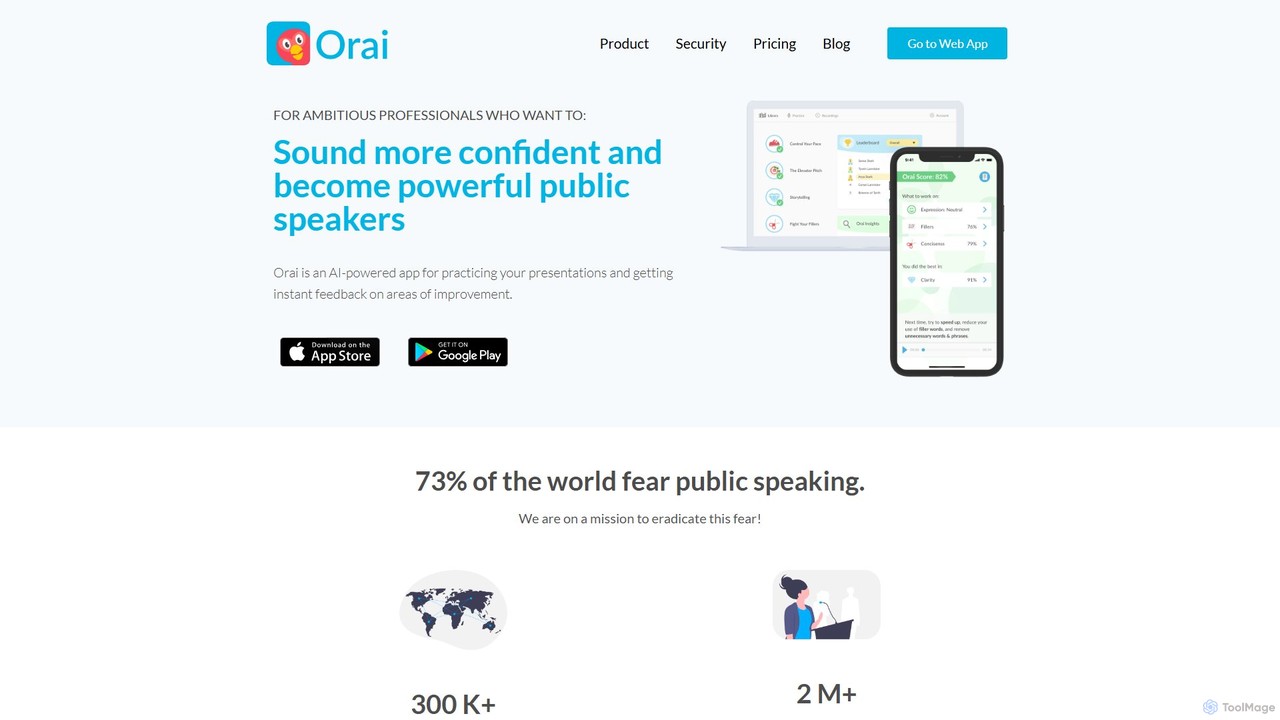
Orai is an AI-powered public speaking coach designed to help professionals and students improve their presentation skills. It provides instant feedback on speech, helping users build confidence, reduce filler words, and deliver more impactful presentations.

Skill Development
Visits 93.9KFavorites 109Likes 137

About Public Speaking

Public Speaking AI tools are specialized platforms designed to help individuals enhance their communication and presentation skills. Leveraging advanced AI, these tools analyze speech patterns, provide real-time feedback, and simulate various speaking environments. They offer a structured approach to practice, helping users overcome anxiety and deliver impactful messages in diverse settings. This category empowers professionals, students, and anyone looking to refine their oratorical abilities within the broader field of education and personal development.

Core Features

  • Speech Analytics: Provides real-time feedback on pace, volume, pitch, and identifies filler word usage.
  • Virtual Practice Environments: Simulates audience reactions and different presentation settings for realistic training.
  • Script & Teleprompter Support: Assists with speech writing, organization, and smooth delivery through integrated teleprompter functions.
  • Pronunciation & Diction Coaching: Identifies and corrects pronunciation errors, improving clarity and articulation.
  • Body Language & Eye Contact Tracking: Offers feedback on non-verbal cues, crucial for engaging an audience (often via webcam).

Use Cases

These tools are invaluable for professionals preparing for critical business presentations, students practicing academic defenses, or job seekers honing their interview delivery. Content creators can also refine their on-camera presence, ensuring clear and engaging communication with their audience. They provide a safe, private space for iterative practice and skill development, reducing anxiety associated with public speaking.

How to Choose

When selecting a Public Speaking AI tool, consider the depth of speech analytics offered, the realism and variety of virtual practice environments, and the quality of script and teleprompter integration. Evaluate its language support, feedback customization options, and whether it provides actionable insights for improvement. User interface intuitiveness, data privacy policies, and pricing models are also important factors to ensure it meets your specific training needs.

Public Speaking use cases

1

Rehearsing High-Stakes Business Presentations

A marketing manager uses an AI public speaking tool to practice an upcoming quarterly report presentation. The tool provides real-time feedback on their speaking pace, identifies excessive filler words like "um" or "ah," and suggests improvements for vocal variety. This iterative practice helps them refine their delivery, ensuring a confident and persuasive presentation to stakeholders, reducing anxiety and improving overall impact.

2

Preparing for Critical Job Interviews

A job seeker utilizes an AI public speaking platform to simulate interview scenarios. The tool records their responses, analyzes their clarity, conciseness, and confidence, and offers suggestions for improving answers to common behavioral questions. By practicing with AI feedback, they can refine their communication style, maintain appropriate eye contact (virtually), and present themselves more effectively to potential employers, increasing their chances of success.

3

Practicing Academic Lectures and Thesis Defenses

A university student prepares for their thesis defense using an AI public speaking coach. The tool helps them structure their arguments, ensures their explanations are clear and well-paced, and flags any jargon that might confuse a general audience. Through repeated practice in a simulated environment, the student gains confidence in articulating complex research, leading to a more polished and impactful defense, crucial for academic success.

4

Enhancing On-Camera Delivery for Content Creators

A YouTuber or podcaster uses an AI tool to review their video scripts and practice their delivery. The AI analyzes their vocal tone, energy levels, and identifies areas where their speech might become monotonous. This allows them to adjust their speaking style, ensuring their content is engaging, dynamic, and maintains viewer interest, ultimately improving their audience retention and channel growth in the competitive digital landscape.

5

Building Confidence to Overcome Speaking Anxiety

An individual with public speaking anxiety uses the tool's private practice environment to gradually build confidence. The AI provides gentle, constructive feedback on small improvements, such as maintaining a steady pace or reducing nervous fidgeting (if tracked). This safe space allows them to experiment with different delivery styles without judgment, slowly desensitizing them to the act of speaking in front of an "audience" and fostering greater self-assurance.

6

Refining Multilingual Speech and Pronunciation

A non-native speaker preparing for an international conference uses an AI public speaking tool with multilingual support. The tool specifically focuses on pronunciation, accent reduction, and grammatical accuracy in their target language. By receiving precise feedback on specific sounds and sentence structures, they can significantly improve their clarity and confidence when presenting in a second language, ensuring their message is understood globally and professionally.

Public Speaking FAQ

What are Public Speaking AI tools?

Public Speaking AI tools are software applications that utilize artificial intelligence to assist individuals in improving their oral presentation and communication skills. They typically offer features like real-time speech analysis, virtual practice environments, and personalized feedback on aspects such as pace, volume, filler words, and even body language. These tools serve as a digital coach, providing a safe and objective space for users to practice and refine their delivery for various speaking engagements, from casual talks to formal presentations, ultimately enhancing their overall oratorical effectiveness.

How do I choose the best Public Speaking AI tool for my needs?

When selecting a Public Speaking AI tool, consider several key factors. First, evaluate the depth and accuracy of its feedback – does it analyze pace, volume, pitch, filler words, and provide actionable insights? Second, assess the realism and variety of its virtual practice environments, if offered, to ensure they match your typical speaking scenarios. Third, check for script and teleprompter integration if you often work with prepared speeches. Also, consider language support, customization options for feedback, and the overall user interface for ease of use. Finally, compare pricing models and available features to find a tool that aligns with your budget and specific improvement goals.

What are the main benefits of using AI for public speaking practice?

Using AI for public speaking practice offers several significant benefits. It provides objective and consistent feedback that a human coach might miss or deliver inconsistently, covering metrics like pace, volume, and filler word usage. The private and judgment-free practice environment helps users, especially those with anxiety, build confidence through repeated, low-stakes rehearsals. AI tools allow for flexible, on-demand practice anytime, anywhere, without needing to schedule with a person. They can also simulate diverse audience reactions and settings, preparing speakers for various real-world scenarios, and often offer personalized learning paths based on identified weaknesses, leading to faster skill development.

What specific features should I look for in a Public Speaking AI tool?

Key features to look for in a Public Speaking AI tool include:

  • Real-time Speech Analytics: Feedback on pace, volume, pitch, and detection of filler words ("um," "like").
  • Virtual Audience Simulation: Environments that mimic different presentation settings and audience sizes.
  • Script & Teleprompter Functionality: Tools to help organize and deliver speeches smoothly.
  • Pronunciation & Diction Correction: Assistance with clarity and articulation, especially useful for non-native speakers.
  • Body Language & Eye Contact Tracking: (If webcam-enabled) Feedback on non-verbal communication.
  • Performance Tracking & Reports: Summaries of progress over time and areas for improvement.

These features collectively provide a comprehensive training experience tailored to enhance various aspects of public speaking.

How do Public Speaking AI tools compare to human coaches?

Public Speaking AI tools offer a cost-effective and highly accessible alternative to human coaches, providing instant, objective data-driven feedback on quantifiable metrics like pace and filler words. They excel in repetitive practice and creating judgment-free environments for building initial confidence. However, human coaches provide nuanced qualitative feedback on content, emotional connection, audience engagement, and strategic communication, which AI currently struggles with. They can also offer personalized motivation and adapt to complex social dynamics. AI tools are excellent for foundational skill building and data analysis, while human coaches are invaluable for refining advanced rhetorical skills and addressing deeper psychological aspects of speaking. Ideally, they can complement each other.