Education Best in category 3 results Reading Assistant AI Tool

Popular AI tools in the Reading Assistant field of Education include Speak4Me、getbooknotes、Narrator: Audiobook Maker, etc., helping you quickly improve efficiency.

Narrator: Audiobook Maker

Narrator: Audiobook Maker

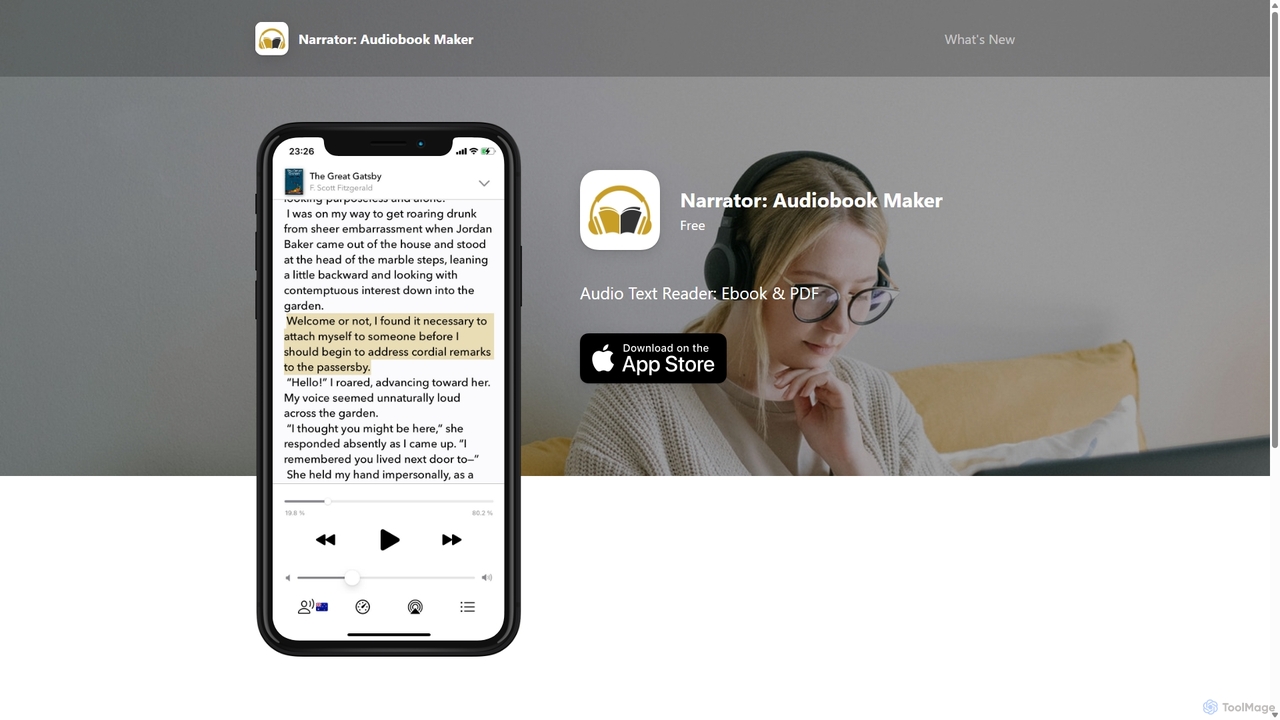
Narrator is an AI-powered mobile app that converts text from various formats like ePub, PDF, and DOCX into …

3.9K
getbooknotes

getbooknotes

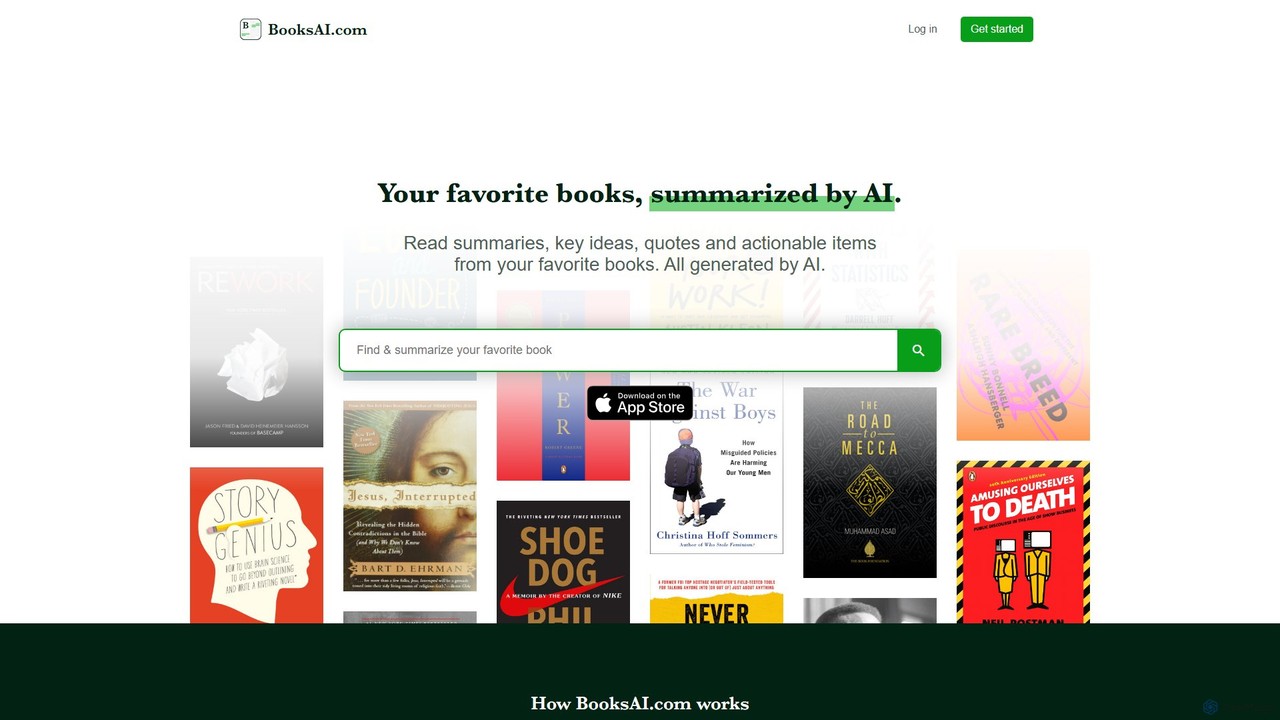
getbooknotes (BooksAI.com) is an AI-powered platform that transforms your reading experience. It generates concise summaries, key ideas, quotes, …

5.1K
Speak4Me

Speak4Me

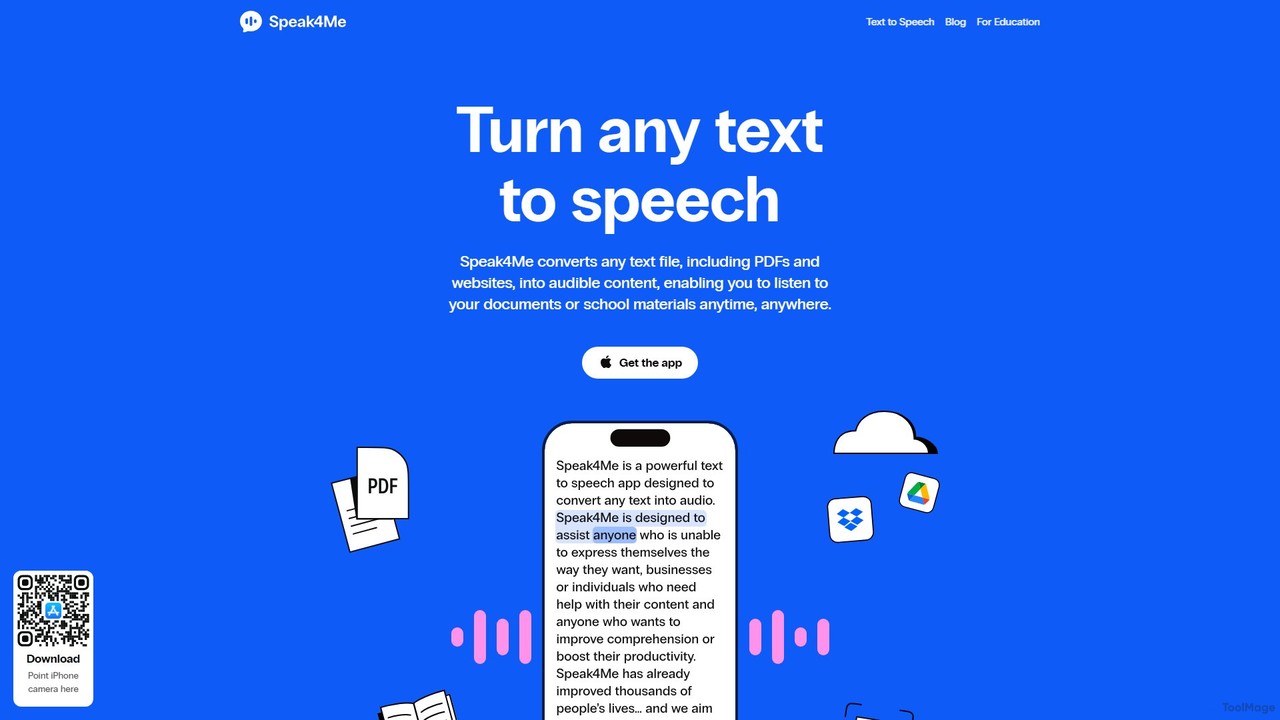
Speak4Me is an advanced text-to-speech iOS app that converts any text from documents, websites, or scanned pages into …

10.5K

About Reading Assistant

Reading Assistant tools are AI-powered applications designed to enhance comprehension, speed, and efficiency for users engaging with digital text. Leveraging advanced natural language processing (NLP) and machine learning, these tools offer features like summarization, vocabulary lookup, and personalized reading experiences. They significantly aid students, researchers, and professionals in processing vast amounts of information, making learning and knowledge acquisition more accessible and productive.

Core Features

  • Text Summarization: Automatically condenses long articles, reports, or documents into concise summaries, highlighting key points.
  • Vocabulary Enhancement: Provides instant definitions, pronunciations, and contextual examples for unfamiliar words, often with translation capabilities.
  • Reading Speed Optimization: Offers features like Bionic Reading or Spritz-like displays to guide eye movement and improve reading pace without sacrificing comprehension.
  • Interactive Q&A: Allows users to ask questions about the text and receive AI-generated answers based on the document's content.
  • Content Annotation & Highlighting: Enables users to mark important sections, add notes, and organize insights directly within the reading interface.

Use Cases

Students preparing for exams, researchers reviewing academic papers, professionals analyzing industry reports, or anyone seeking to quickly grasp the essence of lengthy documents.

How to Choose

Consider the primary reading tasks (e.g., summarization, vocabulary, speed), supported document formats (PDF, web pages, e-books), integration with other tools (note-taking apps, browsers), and the accuracy of AI-generated insights. Evaluate the user interface for ease of use and the availability of personalized learning features.

Reading AssistantUse Cases

1

Summarizing Academic Papers for Research

University students and researchers often face hundreds of academic papers. A Reading Assistant can automatically generate concise summaries of these papers, extracting key findings, methodologies, and conclusions. This allows researchers to quickly assess relevance, prioritize reading, and save hours previously spent on manual skimming, accelerating literature reviews and knowledge synthesis.

2

Enhancing Vocabulary for Language Learners

Language learners reading foreign texts frequently encounter unknown words. Reading Assistants provide instant, in-context definitions, pronunciations, and even example sentences for any selected word. This eliminates the need to switch between apps or dictionaries, making the learning process smoother and more immersive, directly improving vocabulary acquisition and reading fluency.

3

Accelerating Review of Business Reports

Business professionals, such as managers or analysts, need to digest lengthy market analyses, financial reports, or project documentation efficiently. A Reading Assistant can optimize reading speed through guided techniques and provide quick summaries of sections, enabling them to grasp critical information rapidly. This facilitates faster decision-making and keeps them informed without extensive time commitment.

4

Preparing for Exams with Interactive Q&A

Students preparing for exams can utilize Reading Assistants to deepen their understanding of course materials. After uploading textbooks or notes, they can ask the AI specific questions about the content. The assistant provides answers directly from the text, helping students test their knowledge, clarify doubts, and identify areas needing further study, acting as a personalized tutor.

5

Extracting Key Information from Legal Documents

Legal professionals or paralegals often deal with dense contracts, case files, and regulations. Reading Assistants can help by summarizing complex clauses, identifying key terms, and allowing users to quickly navigate to relevant sections. This significantly reduces the time spent on document review, ensuring critical details are not overlooked and improving overall efficiency in legal research.

6

Personalized Reading Experience for Dyslexic Readers

Individuals with dyslexia can benefit from Reading Assistants that offer customizable display options, such as specific fonts, line spacing, and Bionic Reading modes. These features can reduce visual clutter and improve text readability, making the reading process less strenuous and more enjoyable. The AI adapts the text presentation to individual needs, fostering greater independence in reading.

Reading AssistantFrequently Asked Questions