ToolMage
Sign in

Best 3 Resource Hub AI tools for Education

Popular Resource Hub AI tools in Education include Google · GitHub, IdealHireAI, and Prompt Engineering Jobs, helping you work more efficiently.

Prompt Engineering Jobs
Freemium

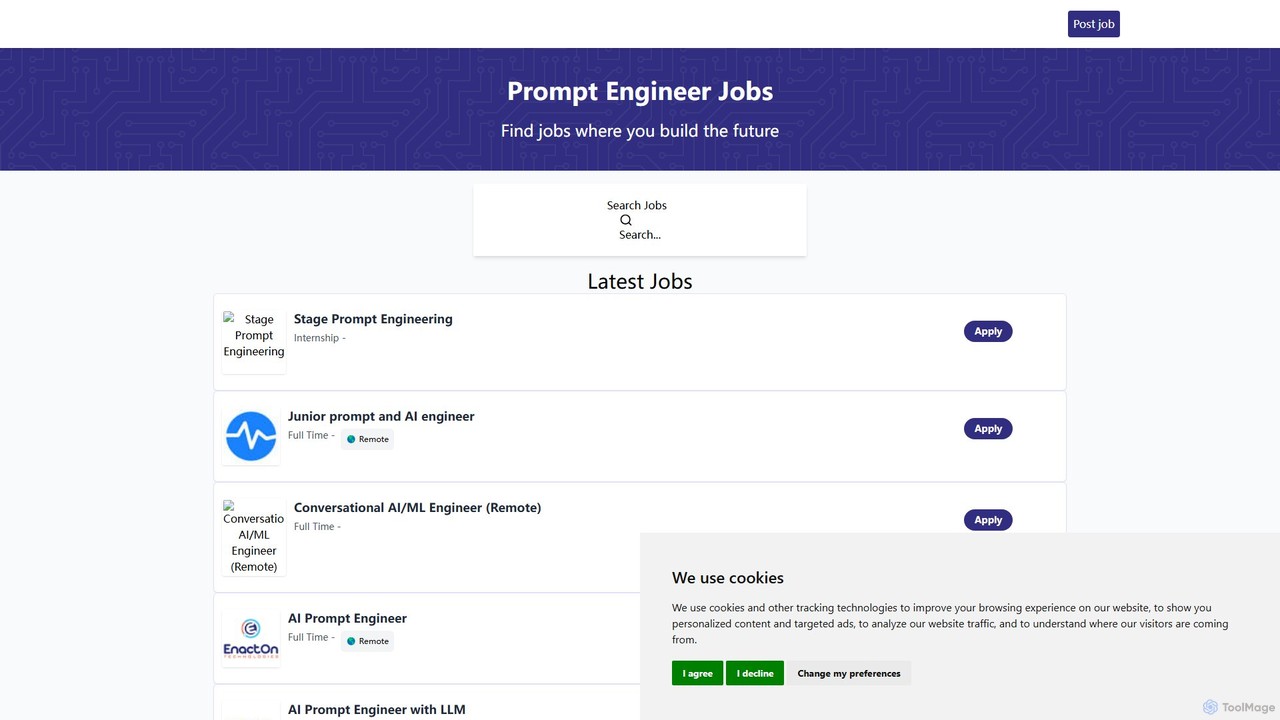
Prompt Engineering Jobs

A specialized job board dedicated to connecting prompt engineers and AI professionals with leading companies. Discover curated remote and on-site job opportunities, from internships to senior roles, in the rapidly growing field of AI.

Job Board
Visits 5.4KFavorites 120Likes 111
IdealHireAI
Freemium

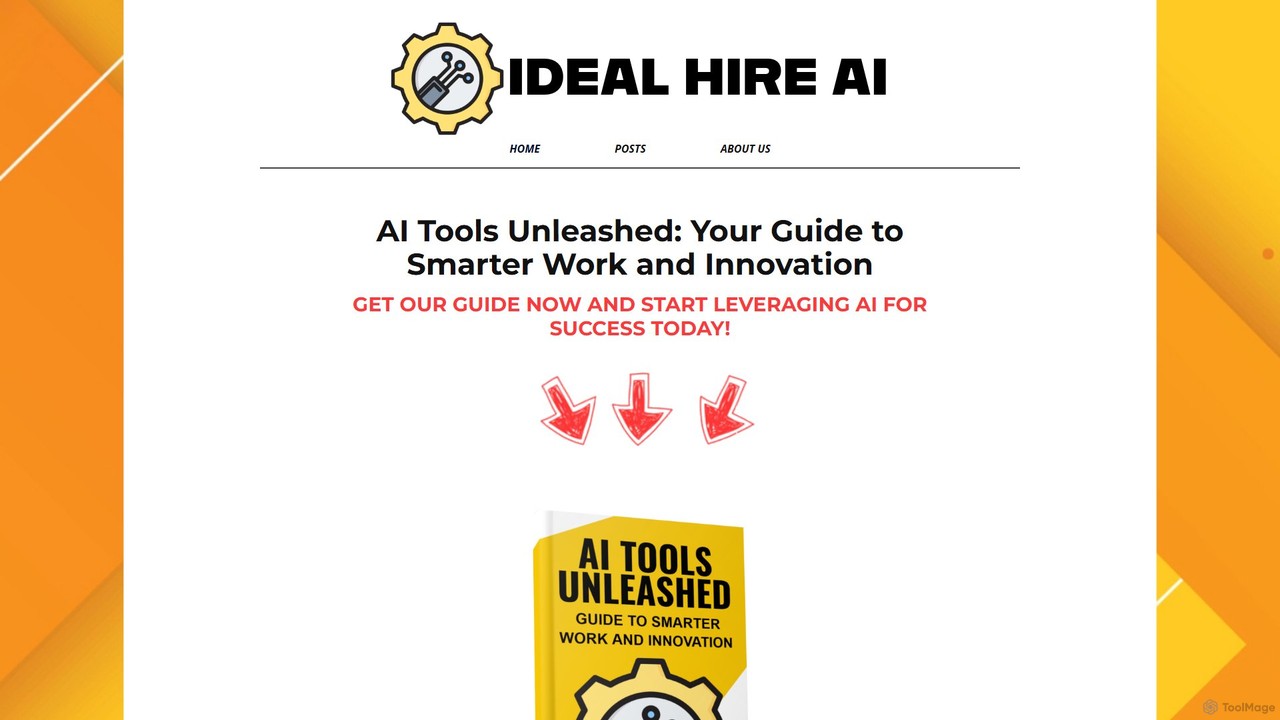
IdealHireAI

IdealHireAI is a comprehensive online resource hub and blog dedicated to exploring the world of artificial intelligence. It provides in-depth articles, guides, and reviews on AI tools and strategies, with a strong focus on applications in cryptocurrency trading, business intelligence, and talent recruitment, empowering users to leverage AI for smarter work and innovation.

Artificial Intelligence
Visits 5.6KFavorites 151Likes 144
Google · GitHub
Free

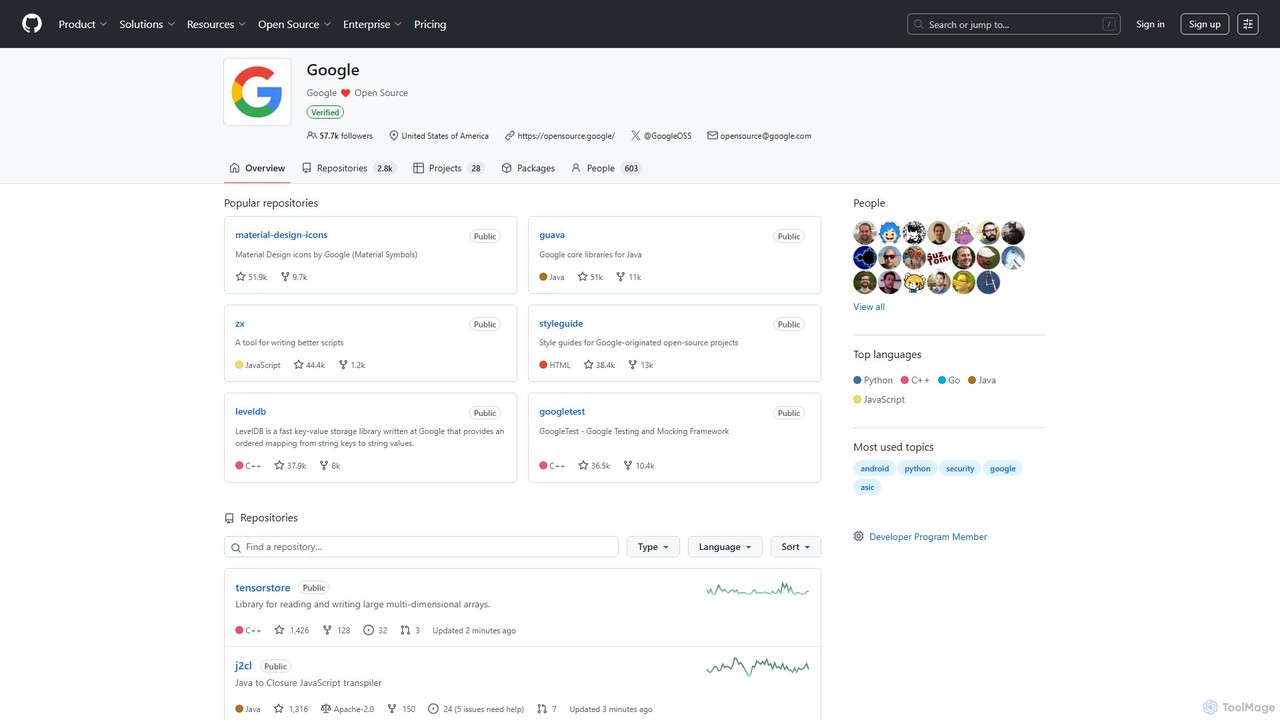
Google · GitHub

The official open-source hub for Google on GitHub. It hosts a vast collection of over 2,700 public repositories, including libraries, developer tools, frameworks, and style guides. A critical resource for developers working with Java, C++, Python, Android, web technologies, and more, offering production-tested code and fostering community collaboration.

Code Libraries
Visits 403.8KFavorites 131Likes 136

About Resource Hub

AI Resource Hubs are centralized platforms that aggregate and curate a wide range of learning materials for artificial intelligence. They function as comprehensive digital libraries, providing structured access to courses, research papers, datasets, and tutorials. These hubs are designed to support continuous learning and skill development for individuals at all levels, from beginners to expert practitioners. By consolidating scattered information, they accelerate the process of finding reliable and relevant AI knowledge within the broader field of education.

Core Features

  • Curated Knowledge Base: Access a vetted collection of articles, tutorials, and research papers.
  • Structured Learning Paths: Follow guided roadmaps for mastering specific AI domains like machine learning or NLP.
  • Community Forums: Engage with peers to ask questions, share insights, and collaborate on projects.
  • Dataset & Tool Directories: Find public datasets and open-source AI tools for practical application.
  • Trend & News Aggregation: Stay updated with the latest developments and breakthroughs in the AI industry.

Use Cases

These platforms are invaluable for students, researchers, developers, and data scientists. A student might use a resource hub to follow a learning path for deep learning, while a researcher could use it to find the latest papers and benchmark datasets for their work. They serve as a foundational educational tool for anyone looking to deepen their AI expertise.

How to Choose

When selecting an AI Resource Hub, consider the breadth and depth of its content, the quality of its curation process, and the activity level of its community. Also, evaluate whether it offers structured learning paths that align with your career goals and if its content focus (e.g., academic vs. practical) matches your needs.

Resource Hub use cases

1

Structured Learning for AI Beginners

A university student new to AI wants to build a solid foundation. Instead of randomly searching for tutorials, they use an AI Resource Hub to follow a 'Machine Learning for Beginners' learning path. The path provides a curated sequence of articles, video lectures, and hands-on coding exercises. This structured approach helps them grasp core concepts systematically and track their progress, saving time and avoiding information overload.

2

Accessing Cutting-Edge AI Research

A PhD researcher is working on a novel computer vision algorithm. They use an AI Resource Hub's research paper repository to stay updated on the latest publications from top conferences like NeurIPS and CVPR. The platform's advanced search filters allow them to quickly find papers on specific topics, access relevant datasets, and even discover open-source code implementations, significantly accelerating their research cycle.

3

Practical Skill-Building for Developers

A software developer needs to integrate a natural language processing (NLP) model into an application. They turn to an AI Resource Hub to find practical tutorials and code examples for libraries like Hugging Face Transformers. The hub provides step-by-step guides, best practice documentation, and links to relevant GitHub repositories, enabling them to quickly learn and apply the new technology in a real-world project.

4

Creating AI Training Curriculums

A corporate trainer is tasked with developing an internal AI literacy program for non-technical staff. They leverage an AI Resource Hub to gather high-quality, easy-to-understand articles, case studies, and explanatory videos. The curated content saves them dozens of hours of content creation, allowing them to assemble a comprehensive and engaging curriculum that explains core AI concepts and their business implications.

5

Staying Current with AI Trends

An AI enthusiast and hobbyist wants to keep up with the fast-paced industry. They use an AI Resource Hub as their daily go-to source for news, trend analysis, and interesting projects. The platform aggregates content from various blogs, news sites, and social media, providing a consolidated view of what's new and important in the AI world, from model releases to ethical discussions.

6

Finding Datasets for Model Training

A data scientist is building a predictive model for a personal project but lacks the necessary data. They use the dataset directory within an AI Resource Hub to browse and find suitable public datasets. The platform provides descriptions, usage licenses, and direct download links for datasets across various domains like finance, healthcare, and image recognition, enabling them to start experimenting without the hassle of extensive data collection.

Resource Hub FAQ

What is an AI Resource Hub?

An AI Resource Hub is a centralized online platform that collects, organizes, and provides access to a wide range of educational materials related to artificial intelligence. Unlike a single course, it acts as a comprehensive library, featuring tutorials, research papers, datasets, tools, and learning paths. Its primary goal is to streamline the learning and research process by making high-quality AI knowledge easily discoverable and accessible.

How does an AI Resource Hub differ from an online course platform?

The key difference lies in scope and structure. Online course platforms offer structured, linear courses with a defined start and end. An AI Resource Hub is a broader, non-linear repository of diverse resources. While it may feature courses, its main value is in providing a searchable, curated collection of individual articles, papers, and datasets that support self-directed, continuous learning and specific problem-solving, making it a more flexible educational tool.

Who is the ideal user for an AI Resource Hub?

AI Resource Hubs cater to a wide audience within the Education and AI space. This includes:

  • Students and Beginners: Seeking structured learning paths and foundational knowledge.
  • Researchers and Academics: Needing access to the latest papers and datasets.
  • Developers and Practitioners: Looking for practical tutorials, code, and documentation.
  • Educators and Content Creators: Sourcing materials for their own courses and content.
What types of content are typically found in an AI Resource Hub?

You can typically find a diverse mix of content designed for learning and application. Common resources include in-depth tutorials and articles, academic research papers, links to public datasets for model training, directories of open-source AI tools and libraries, curated learning paths or roadmaps, and community forums for discussion and collaboration. The focus is on providing a comprehensive educational toolkit.

How should I choose the right AI Resource Hub?

To choose the best hub for your educational needs, evaluate the following:

  • Content Curation: Does the platform vet its resources for quality and accuracy?
  • Topical Coverage: Does it cover the specific AI domains you are interested in (e.g., NLP, Computer Vision)?
  • Community Engagement: Is there an active community for support and discussion?
  • Learning Structure: Does it offer guided learning paths if you are a beginner, or is it better for ad-hoc research?