ToolMage
Sign in

Best 2 Virtual Tutor AI tools for Education

Popular Virtual Tutor AI tools in Education include CallStar and slait, helping you work more efficiently.

CallStar
Freemium

CallStar

CallStar is an innovative AI platform that allows you to have realistic voice calls with a vast library of characters and celebrities. From historical figures and scientists to movie stars and anime heroes, engage in immersive, dynamic conversations powered by advanced voice synthesis and AI.

Virtual Tutor
Visits 4.4KFavorites 145Likes 143
slait
Freemium

slait

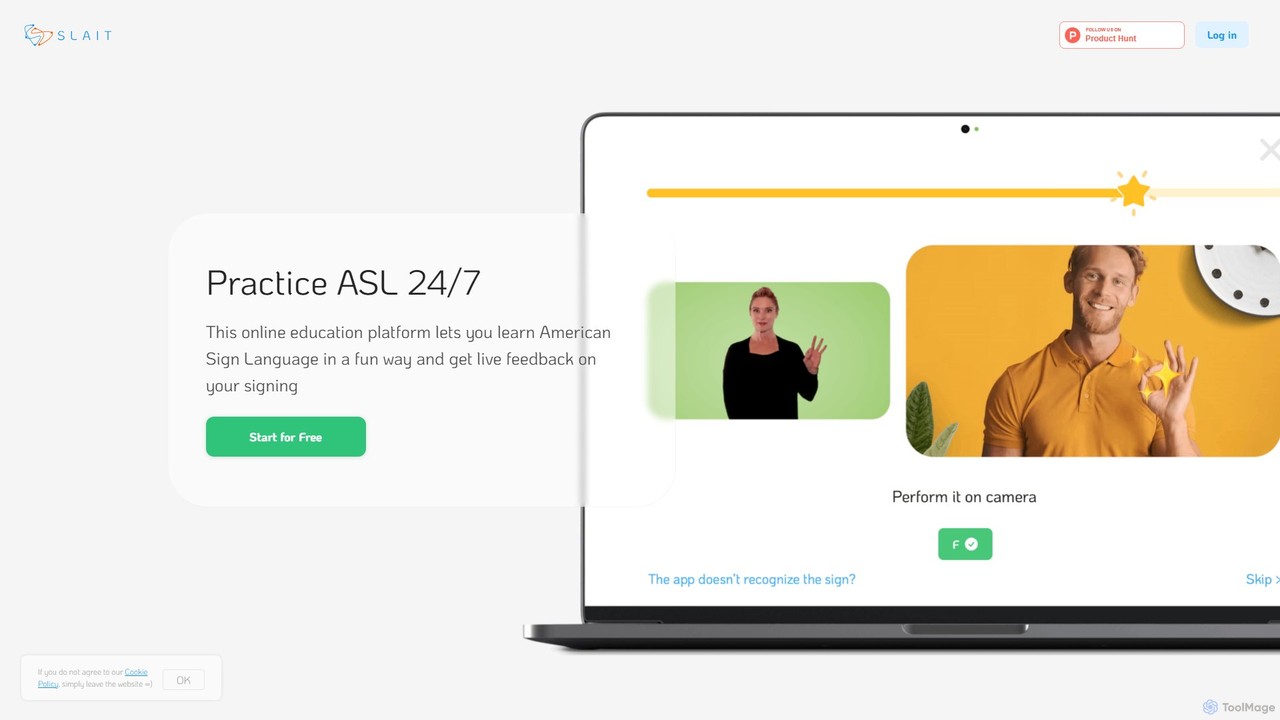
slait is an AI-powered online platform designed for learning American Sign Language (ASL). It offers a unique, interactive experience by providing real-time feedback on your signing using your device's camera. Through structured lessons, gamified quizzes, and interactive tests, users can practice ASL 24/7 at their own pace. It's an ideal tool for beginners, students, and anyone looking to communicate effectively with the Deaf and hard-of-hearing community in a fun, engaging, and pressure-free environment.

Communication Aid
Visits 4.3KFavorites 102Likes 106

About Virtual Tutor

Virtual Tutors are AI-powered educational tools designed to provide personalized learning support and guidance. Leveraging advanced artificial intelligence, these tools adapt to individual learning styles, paces, and knowledge gaps, offering a highly tailored educational experience. They aim to enhance comprehension, improve retention, and make learning more engaging and accessible for students across various disciplines.

Core Features

  • Personalized Learning Paths: Dynamically adjusts curriculum and content based on individual student progress and needs.
  • Real-time Feedback: Delivers immediate, constructive feedback on assignments, quizzes, and practice questions.
  • Adaptive Quizzing: Generates questions that evolve in difficulty and topic focus to match the student's current understanding.
  • Concept Explanation: Provides clear, multi-modal explanations for complex subjects, breaking down difficult concepts.
  • Progress Tracking & Analytics: Monitors learning trajectory, identifies strengths and weaknesses, and offers insights for improvement.

Applicable Scenarios

Virtual Tutors are widely used for individualized academic support, test preparation, and skill development. They assist K-12 students with homework, university students in mastering complex subjects, and professionals acquiring new skills. These tools are particularly effective in supplementing traditional classroom learning by offering on-demand, customized assistance.

How to Choose

When selecting a Virtual Tutor, consider its subject coverage, the depth of its personalization capabilities, and the quality of its real-time feedback. Evaluate the user interface for intuitiveness and engagement, especially for younger learners. Additionally, assess its integration options with existing learning platforms and its overall pricing structure to ensure it meets both educational and budgetary requirements.

Featured tool rankings

Virtual Tutor use cases

1

Personalized Academic Tutoring

A high school student struggling with algebra can use a Virtual Tutor to receive step-by-step explanations, practice problems tailored to their specific difficulties, and immediate feedback. The tutor identifies common misconceptions and provides alternative teaching methods until the concept is mastered, significantly improving grades and confidence.

2

Language Learning & Practice

An adult learner aiming to improve their conversational Spanish can engage with a Virtual Tutor for interactive dialogue practice. The AI provides pronunciation correction, grammar suggestions, and expands vocabulary through context-aware conversations, simulating a real-life language exchange partner and accelerating fluency.

3

Standardized Test Preparation

A university applicant preparing for the SAT or GRE can utilize a Virtual Tutor for adaptive practice tests. The tutor analyzes performance on each section, identifies weak areas, and then generates targeted exercises and study materials to address those specific gaps, optimizing study time and boosting scores.

4

Professional Skill Development

A marketing professional looking to learn data analytics can use a Virtual Tutor to guide them through complex statistical concepts and software applications. The tutor offers interactive modules, practical exercises, and project-based learning, allowing the professional to acquire new skills at their own pace and apply them directly to their career.

5

Supplementing Classroom Education

An elementary school teacher can recommend a Virtual Tutor to students needing extra help outside of class hours. The tutor provides supplementary lessons, homework assistance, and reinforces classroom concepts through engaging activities, ensuring no student falls behind due to lack of individual attention.

6

Specialized Subject Mastery

A medical student studying anatomy can leverage a Virtual Tutor for interactive 3D models and detailed explanations of human body systems. The tutor can quiz them on specific structures, provide clinical correlations, and adapt the learning path to focus on areas where the student needs more reinforcement, deepening their understanding.

Virtual Tutor FAQ

What are Virtual Tutors?

Virtual Tutors are AI-powered educational platforms that offer personalized, adaptive learning experiences. They use artificial intelligence to understand a student's knowledge level, learning style, and pace, then deliver customized content, exercises, and feedback to help them master subjects more effectively. They act as an intelligent, on-demand learning companion.

How do Virtual Tutors personalize learning?

Virtual Tutors personalize learning by continuously assessing a student's performance and interactions. They track progress, identify strengths and weaknesses, and then dynamically adjust the curriculum, difficulty of questions, and types of explanations provided. This adaptive approach ensures that content is always relevant and challenging enough without being overwhelming, optimizing the learning path for each individual.

What's the difference between a Virtual Tutor and a traditional human tutor?

While both provide educational support, Virtual Tutors offer instant, 24/7 availability and highly scalable, data-driven personalization at a potentially lower cost. They excel at adaptive content delivery and objective feedback. Human tutors provide nuanced emotional support, can address complex, open-ended questions requiring deep human understanding, and offer social interaction. Virtual Tutors complement, rather than fully replace, human interaction in education.

What subjects can Virtual Tutors teach?

Virtual Tutors can cover a wide range of subjects, from core academic areas like mathematics, science, and language arts to specialized fields such as coding, data science, and foreign languages. Their effectiveness depends on the specific AI model and the quality of the educational content it's trained on. Many platforms offer comprehensive curricula across multiple disciplines.

Who benefits most from using Virtual Tutors?

Virtual Tutors benefit a diverse group of learners. Students who need extra help outside of class, those preparing for standardized tests, self-learners acquiring new skills, and individuals seeking flexible, self-paced education find them particularly useful. They are also valuable for educators looking to provide supplementary, individualized support to their students.