Finance Best in category 5 results Cost Management AI Tool

Popular AI tools in the Cost Management field of Finance include Keebo、AI Spend、Valmi、Fiorino.AI、AICosts.ai, etc., helping you quickly improve efficiency.

Valmi

Valmi

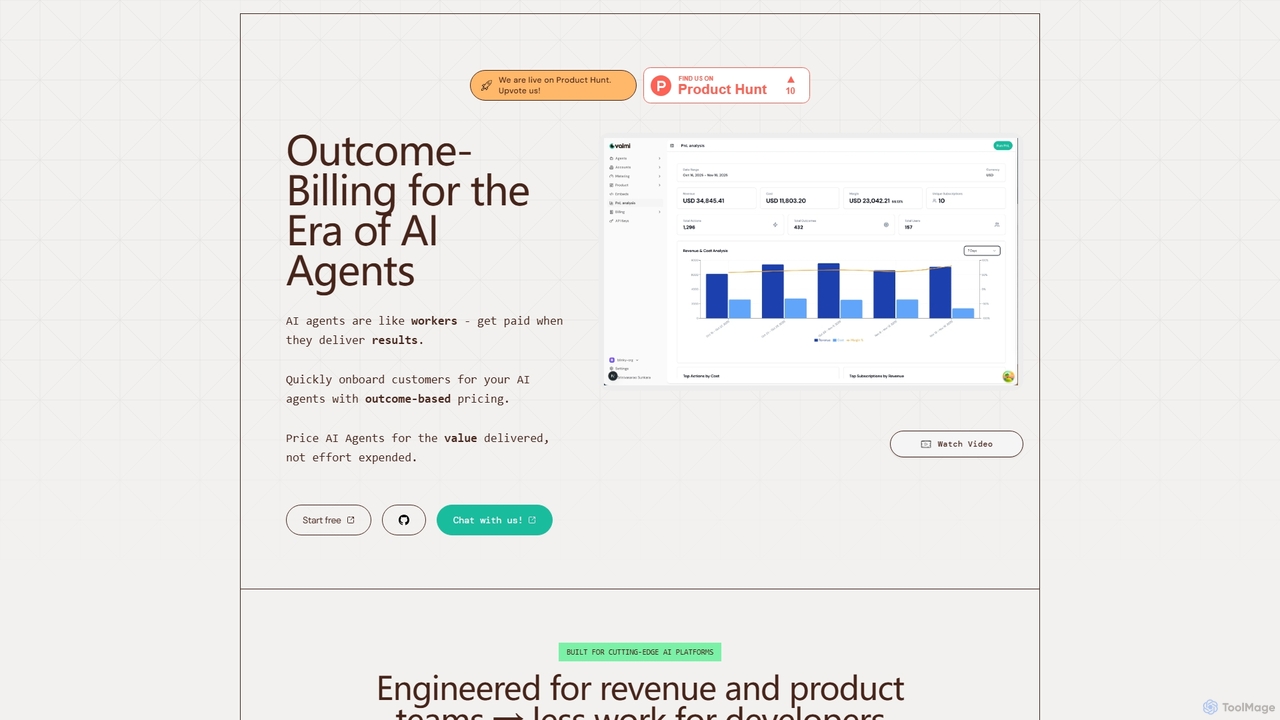
Valmi is an outcome-billing and payments infrastructure designed for AI agents and platforms. It enables businesses to monetize …

5.0K
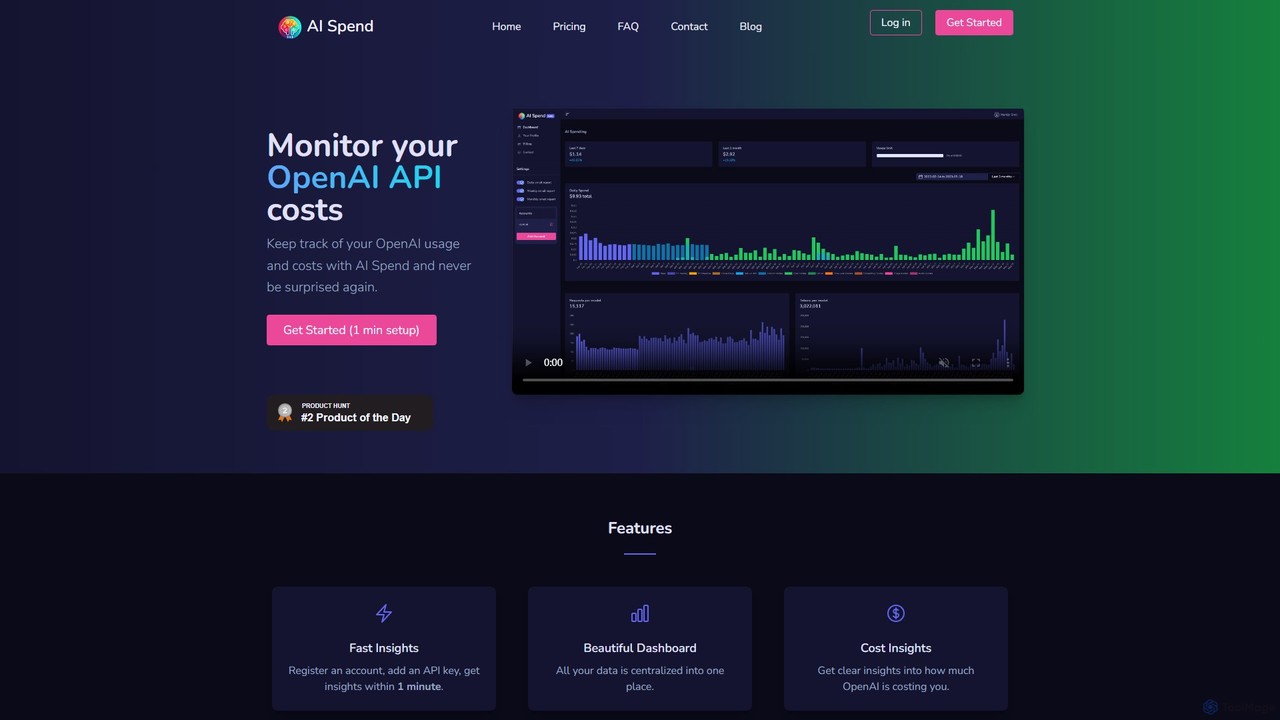
AI Spend

AI Spend

AI Spend is a dedicated monitoring tool for OpenAI API costs. It provides a centralized dashboard to track …

5.9K
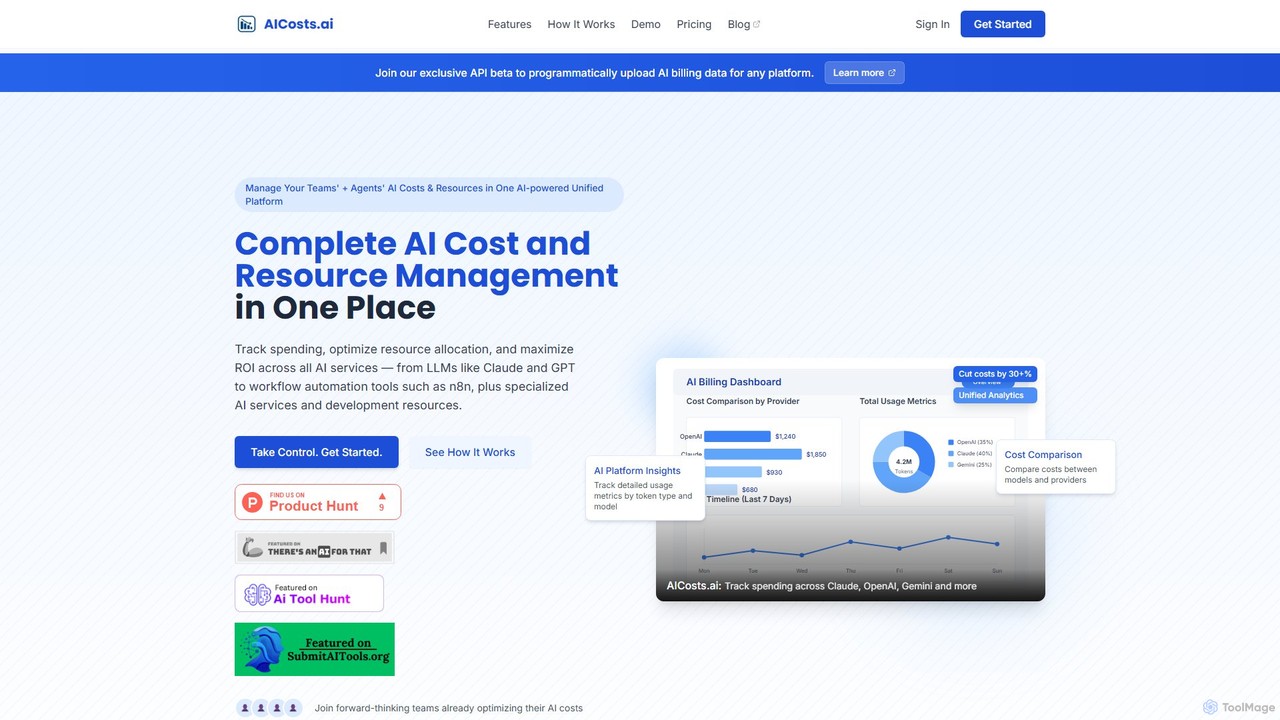
AICosts.ai

AICosts.ai

AICosts.ai is a unified AI cost management platform designed to help teams track, analyze, and optimize spending across …

2.9K
Free
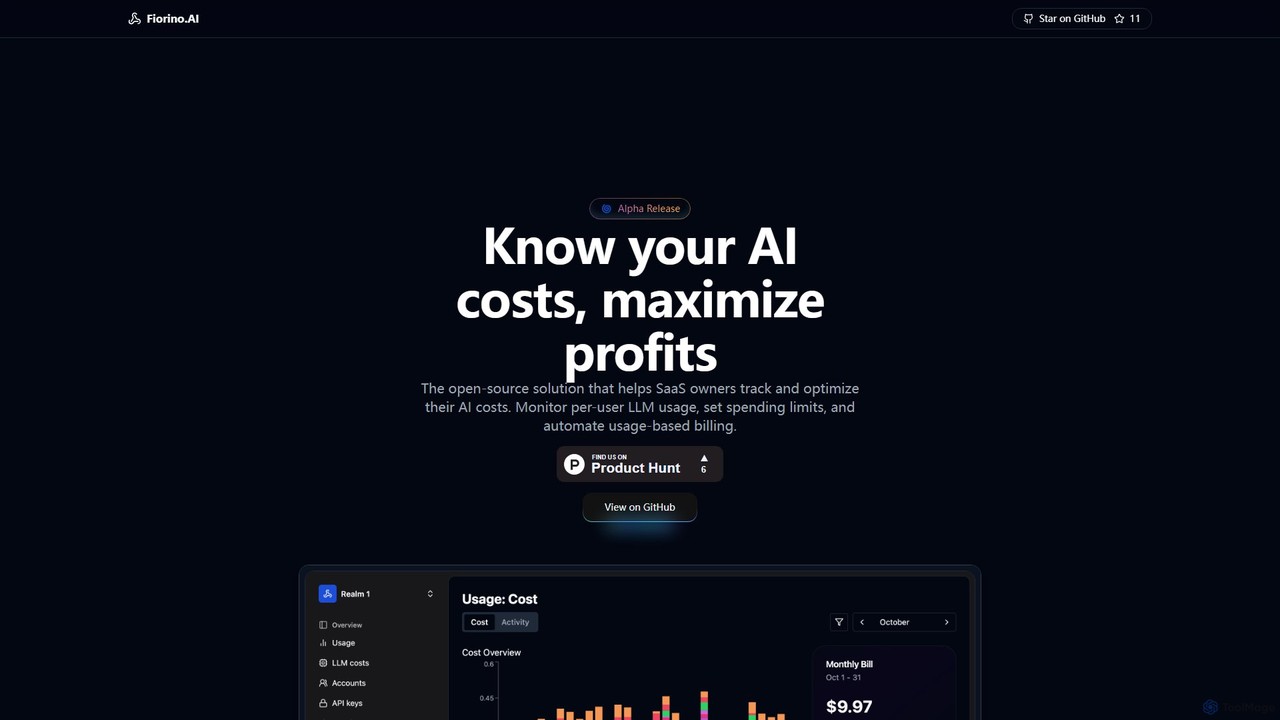
Fiorino.AI

Fiorino.AI

Fiorino.AI is an open-source AI cost management platform designed for SaaS businesses. It enables you to track per-user …

3.0K
Keebo

Keebo

Keebo is an AI-powered platform designed to optimize Snowflake and Databricks data clouds. It automates cost reduction, enhances …

12.2K

About Cost Management

AI Cost Management tools are specialized platforms that use machine learning to analyze, predict, and optimize business expenditures. These tools automate the process of tracking spending, identifying savings opportunities, and forecasting future costs with high accuracy. By processing vast amounts of financial data, they provide actionable insights that help organizations control budgets and improve financial efficiency. This goes beyond traditional expense tracking by offering predictive capabilities and intelligent recommendations for cost reduction.

Core Features

  • Automated Expense Analysis: Automatically categorizes transactions and detects spending anomalies or policy violations.
  • Predictive Forecasting: Uses historical data and AI models to accurately predict future costs, such as cloud usage or project expenses.
  • Optimization Recommendations: Identifies areas for savings, like redundant software subscriptions or more favorable supplier terms.
  • Real-time Budget Monitoring: Continuously tracks spending against budgets and provides instant alerts for potential overruns.

Use Cases

These tools are valuable for finance departments, IT teams (especially for cloud FinOps), procurement managers, and project leaders. They are used for auditing employee expense reports, managing SaaS subscriptions, optimizing complex cloud infrastructure costs, and ensuring projects stay within budget.

How to Choose

When selecting a tool, consider its integration capabilities with your existing accounting or ERP systems. Evaluate the sophistication of its AI models for forecasting and anomaly detection. Also, assess the user interface for ease of use and the clarity of its reporting and dashboards. Finally, check the pricing model to ensure it aligns with your usage scale and business needs.

Cost ManagementUse Cases

1

Optimize Cloud Infrastructure Spending

For FinOps engineers and IT managers, managing cloud costs from providers like AWS, Azure, or GCP is a major challenge. AI Cost Management tools connect directly to these platforms, continuously analyzing usage data. They automatically identify idle resources, suggest right-sizing for virtual machines, and recommend purchasing reserved instances or savings plans to reduce hourly rates. This process can cut monthly cloud bills by 15-30% without impacting performance.

2

Automate Employee Expense Report Auditing

Finance teams often spend countless hours manually reviewing employee expense reports for compliance. An AI tool automates this by scanning receipts and expense entries. It uses natural language processing and computer vision to check for policy violations, such as exceeding meal limits, submitting duplicate receipts, or expensing non-reimbursable items. This frees up the finance team for more strategic tasks and ensures 100% audit coverage.

3

Uncover Savings in SaaS Subscriptions

Modern companies use dozens of SaaS applications, leading to redundant subscriptions and underutilized licenses. AI Cost Management tools discover all SaaS spending across the organization, even shadow IT. They analyze usage data to identify overlapping functionalities and licenses that can be downgraded or eliminated, providing a centralized dashboard to manage renewals and negotiate better contracts based on actual usage.

4

Predict and Prevent Project Budget Overruns

Project managers can use AI-powered cost management tools to maintain financial control over complex projects. The tool integrates with project management and financial systems to track real-time spending against the planned budget. Its predictive models analyze progress, resource allocation, and spending velocity to provide early warnings of potential budget overruns, allowing managers to take corrective action before it's too late.

5

Enhance Procurement and Supplier Negotiations

Procurement departments can leverage AI to analyze historical spending data across all suppliers. The tool identifies trends, benchmarks pricing against industry standards, and highlights opportunities for volume discounts or contract consolidation. These data-driven insights empower procurement managers to negotiate more effectively with vendors, ensuring the company gets the best possible value for goods and services.

6

Optimize Marketing Campaign Ad Spend

Marketing teams manage complex budgets across multiple digital advertising channels. An AI cost management tool can integrate with platforms like Google Ads and Facebook Ads to track spend and performance in real-time. It helps identify underperforming campaigns, analyzes cost-per-acquisition (CPA) trends, and recommends reallocating the budget to channels with the highest return on investment (ROI), maximizing the impact of every marketing dollar.

Cost ManagementFrequently Asked Questions