Freemium
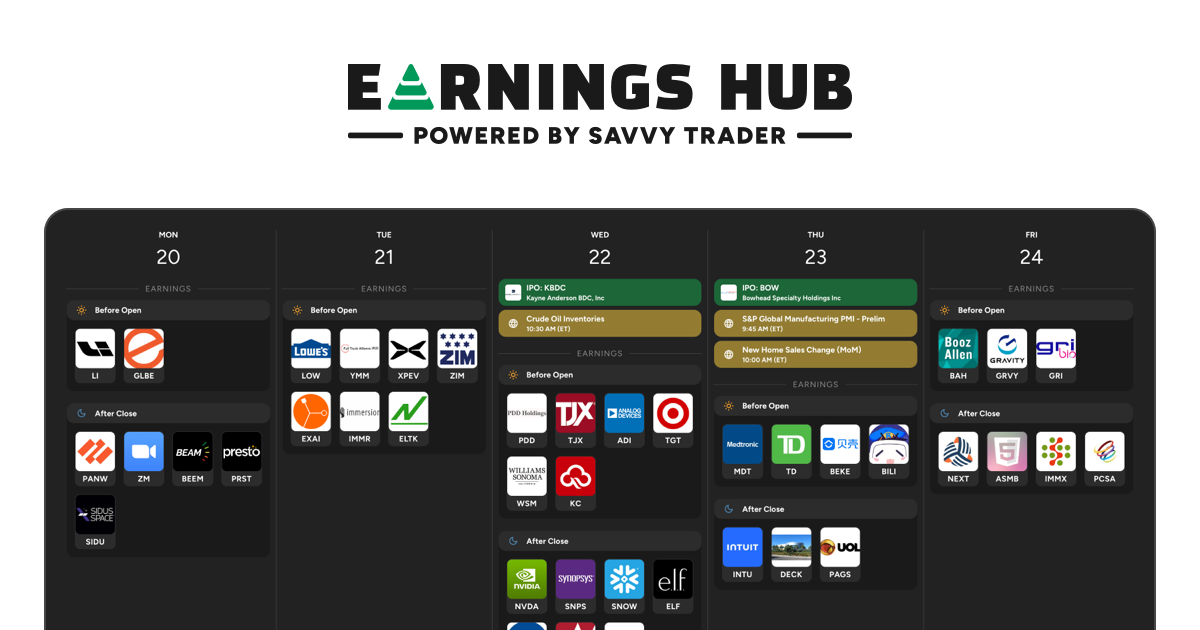
Popular Investing AI tools in Finance include KuCoin, Public.com, EarningsHub, Origin, StockStory, AInvest, Composer, Intellectia, Kavout, and PortfolioPilot, helping you work more efficiently.
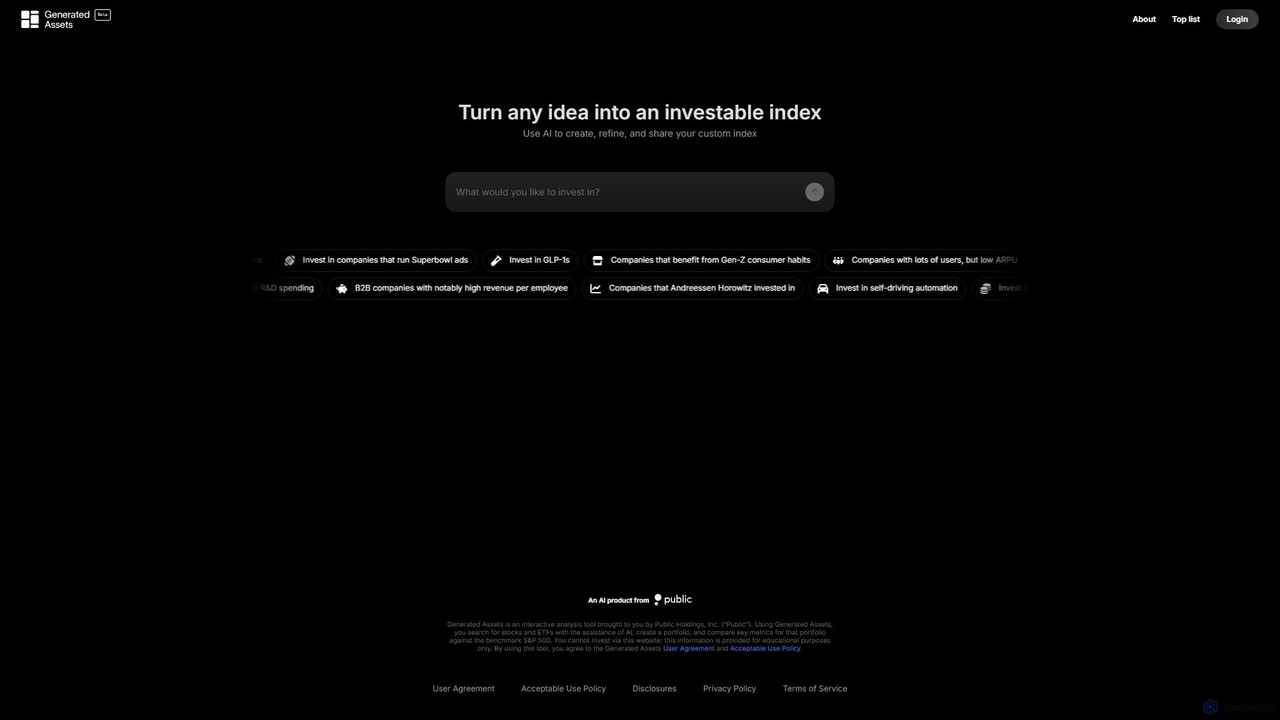
GeneratedAssets is an AI-powered tool that transforms any investment idea into a custom, hypothetical index. Users can create, refine, and analyze portfolios using natural language prompts. The platform provides detailed performance metrics, comparison against the S&P 500, and social sharing features, making it an excellent educational resource for testing investment theses without financial risk.
Learning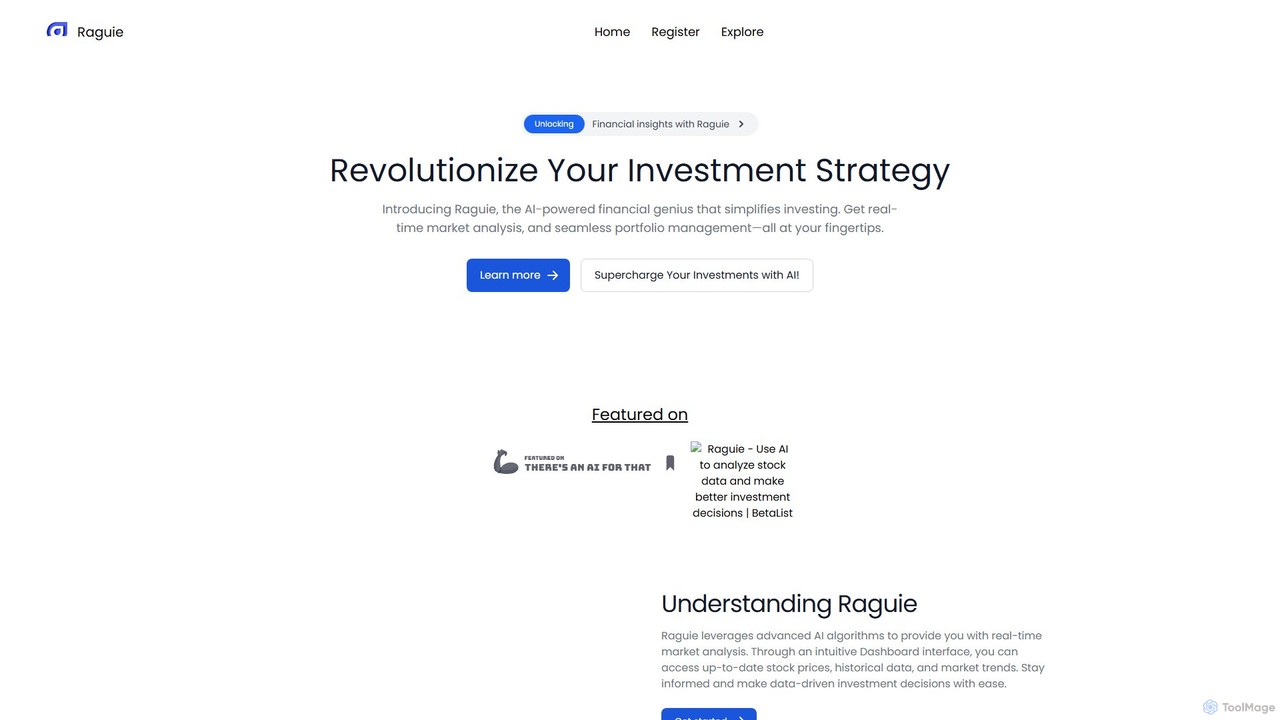
Raguie is an AI-powered financial assistant designed to simplify investing. It provides real-time market analysis, personalized portfolio monitoring, and actionable insights by analyzing financial data, news, and social media trends. It empowers investors of all levels to make informed, data-driven decisions through an intuitive dashboard and chat interface.
Investing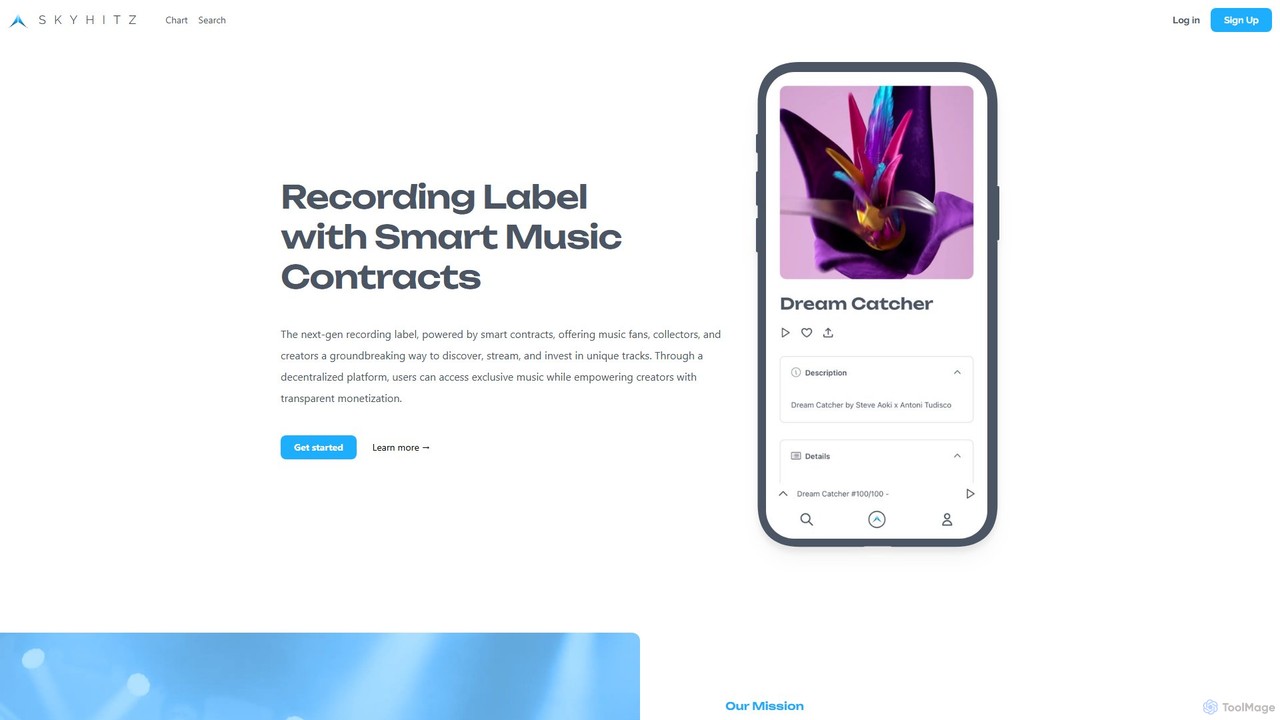
Skyhitz is a next-generation recording label powered by blockchain technology. It allows music creators to monetize their work as Music NFTs (MFTs) and offers fans a unique way to discover, stream, and invest in music. By leveraging smart contracts on the Stellar network, Skyhitz creates a transparent ecosystem where interactions like streaming and liking generate revenue, and fans can earn returns by investing in their favorite tracks.
Music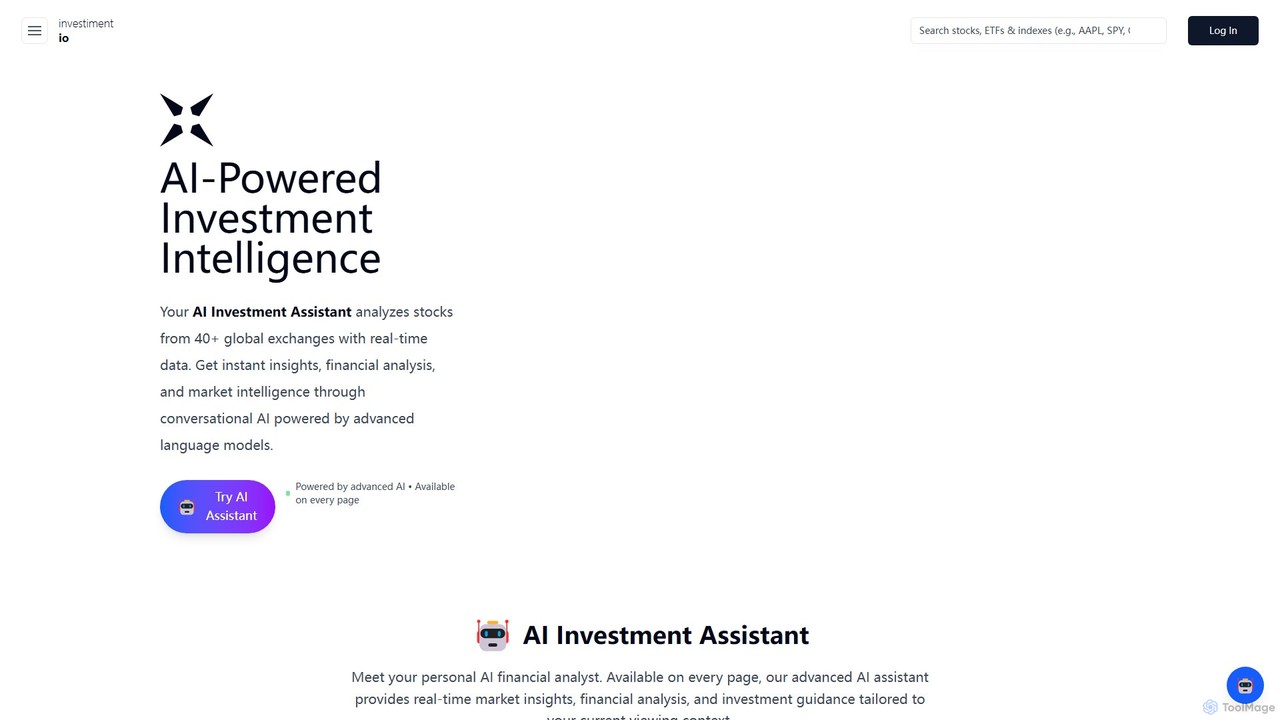
investiment.io is an AI-powered investment platform featuring a conversational AI assistant. It provides real-time financial analysis, market intelligence, and stock screening for over 40 global exchanges. Users can ask questions in plain English to get instant insights on stock valuation, financial health, and market trends, making institutional-grade analysis accessible to all investors.
Investing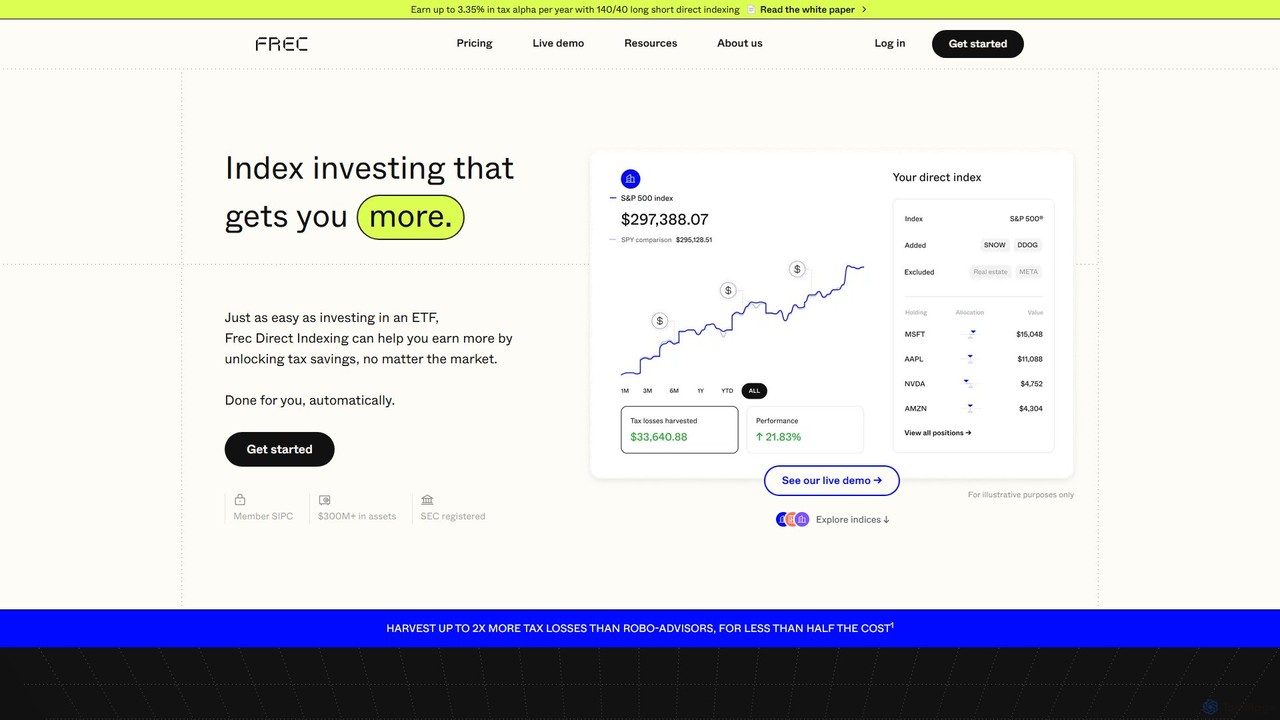
Frec is an AI-powered investment platform specializing in direct indexing. It allows investors to own individual stocks of an index, enabling automated daily tax-loss harvesting and deep portfolio customization. This approach aims to generate higher after-tax returns compared to traditional ETFs and robo-advisors, all for a low, transparent fee.
Investing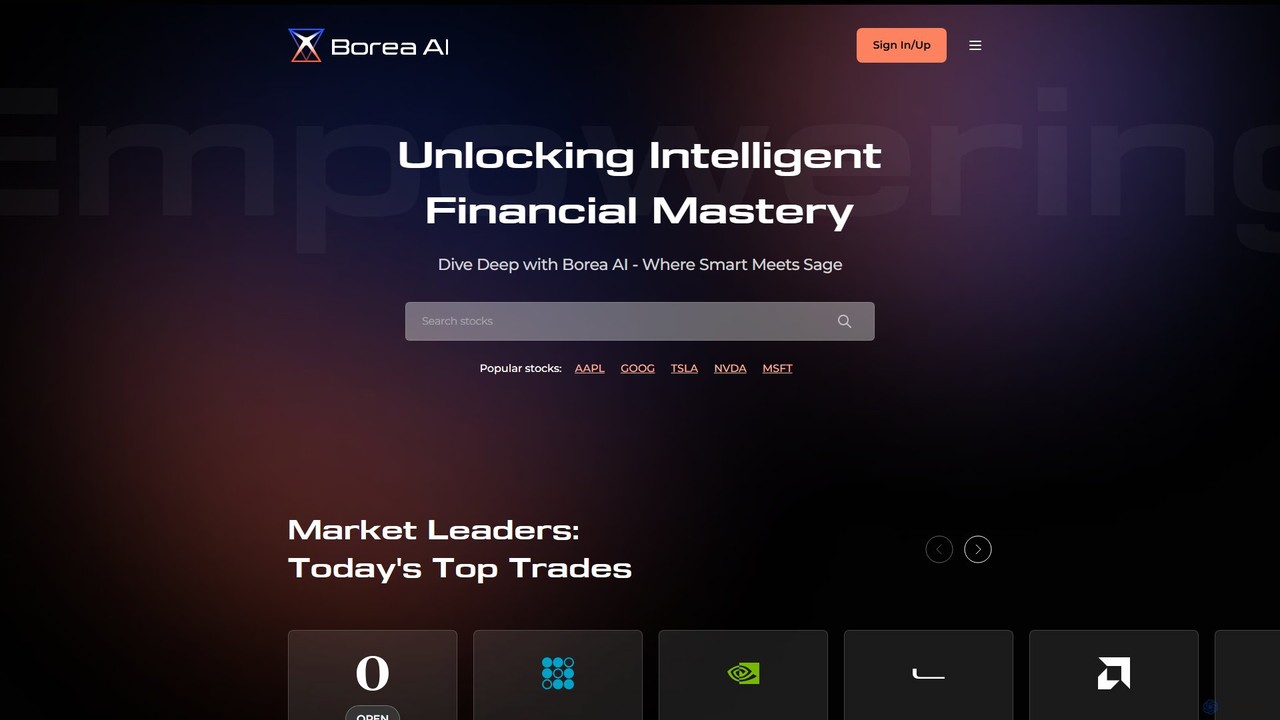
Borea AI is an AI-powered financial platform designed to empower retail investors. It provides institutional-grade tools, including AI-driven stock ratings, price predictions, and a financial assistant named BoreaGPT. By analyzing vast datasets like company financials, news, and market sentiment, Borea AI simplifies complex information, making it accessible for both novice and experienced investors to make informed decisions and achieve their financial goals.
Investing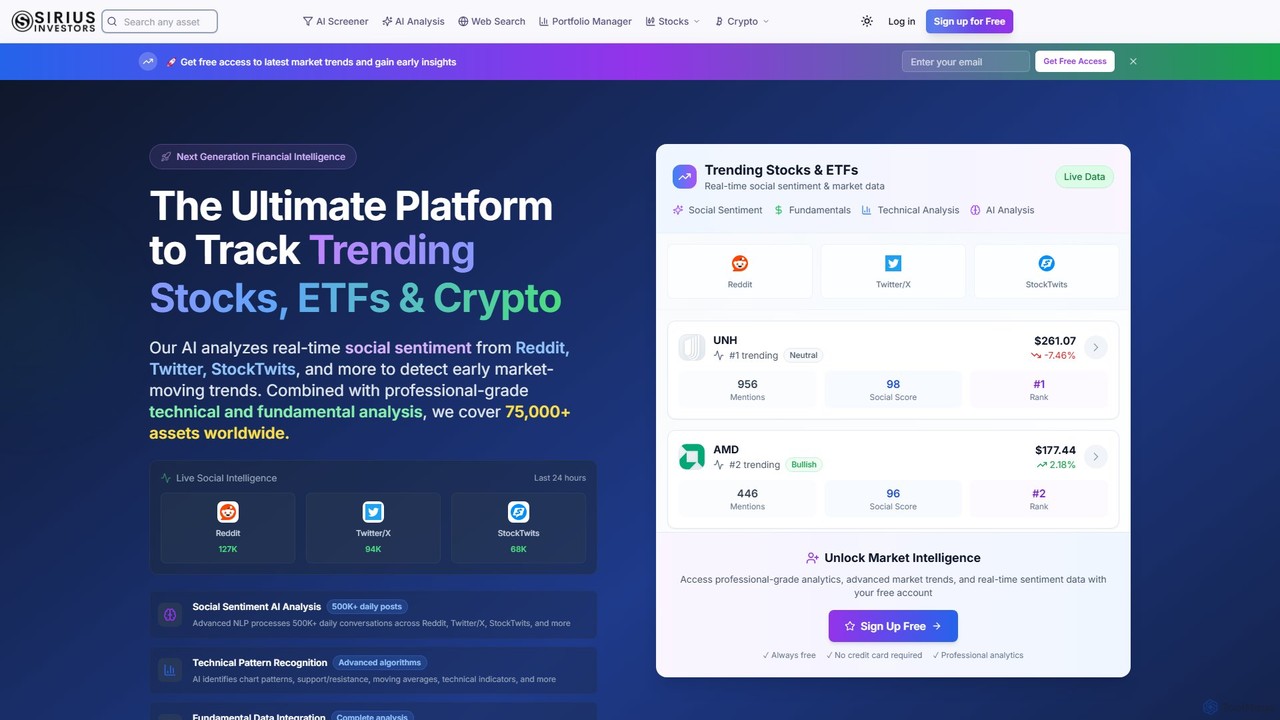
Sirius Investors is an AI-powered financial intelligence platform designed to give investors an edge. It analyzes over 75,000 global assets (stocks, ETFs, crypto) by uniquely combining real-time social sentiment from platforms like Reddit and Twitter, professional-grade technical analysis, and deep fundamental data. Its natural language AI screener and predictive engine help users discover market-moving trends and investment opportunities before they happen.
Investing
An AI-powered platform providing stock market predictions, trading signals, and securities forecasts. Available on iOS, Android, Windows, and macOS, it helps investors make data-driven decisions by leveraging artificial intelligence to analyze market trends.
Investing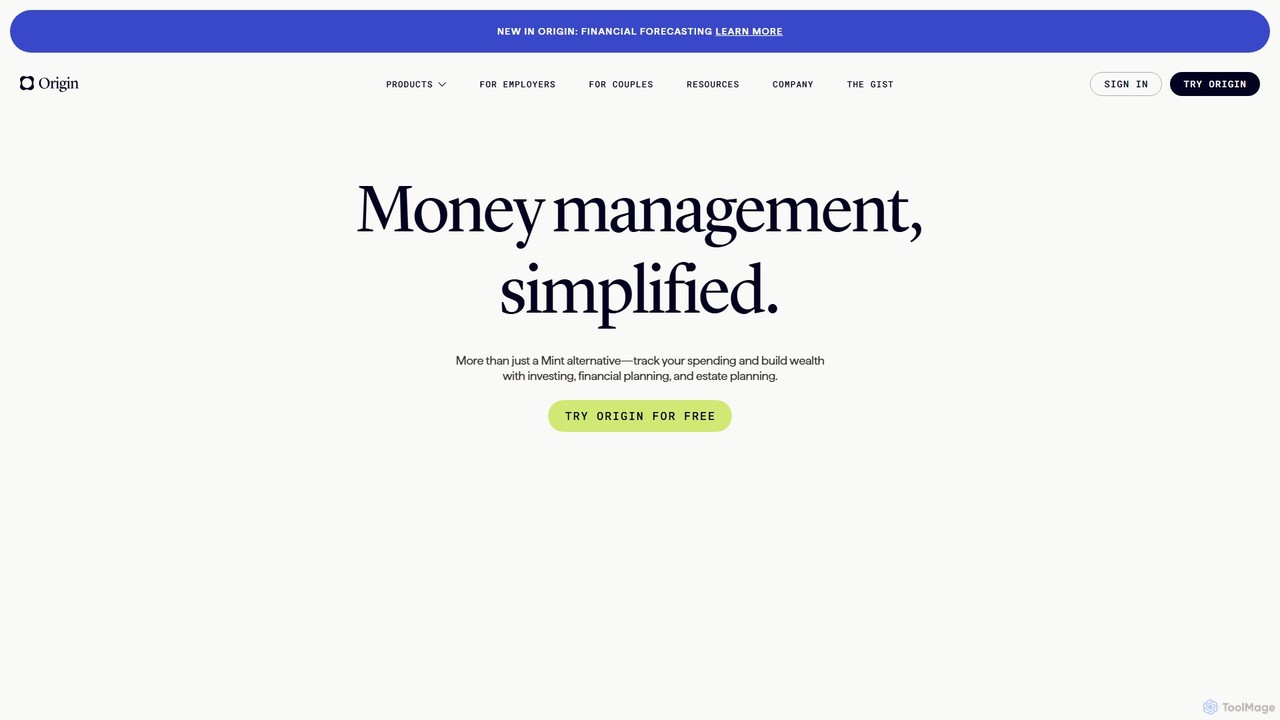
Origin is an all-in-one financial management platform that combines AI-powered insights with human expertise. It allows users to track net worth, budget, invest, and plan for the future in a single app. With features like an AI finance assistant, access to Certified Financial Planners®, and tools for couples and estate planning, Origin aims to simplify wealth building for a new generation.
Financial AdviceAI Investing tools are a class of software that leverages artificial intelligence to analyze financial markets and manage investment portfolios. These tools utilize machine learning algorithms, quantitative analysis, and big data to identify trading opportunities, predict market trends, and assess risk with high precision. They empower investors to make data-driven decisions, automate complex trading strategies, and optimize asset allocation beyond the scope of manual analysis. This technology provides a significant edge by processing vast amounts of information in real-time, from market prices to news sentiment.
AI Investing tools are utilized by a wide range of users, from individual retail investors seeking automated portfolio management to institutional investors like hedge funds and asset management firms. Financial analysts use them for in-depth market research and identifying undervalued assets. Quantitative traders (quants) also rely on these platforms to build, backtest, and deploy sophisticated high-frequency trading models.
When selecting an AI Investing tool, consider the quality and breadth of its data sources (market data, alternative data). Evaluate the transparency of its algorithms—whether it's a 'black box' or provides understandable insights. Check for seamless integration with your preferred brokerage accounts for automated execution. Also, assess the level of customization available for strategies and risk parameters, and ensure the pricing model aligns with your investment scale.
A busy professional wants to maintain a long-term investment portfolio with a target allocation of 70% stocks and 30% bonds. They use an AI investing tool to connect to their brokerage account and set this target. The AI continuously monitors the portfolio. When market movements cause the allocation to drift (e.g., to 75% stocks), the tool automatically executes trades—selling some stocks and buying bonds—to bring the portfolio back to the desired 70/30 balance. This automates discipline and removes emotional decision-making from the rebalancing process.
A financial analyst at a boutique investment firm is tasked with finding new opportunities in the tech sector. Instead of manually sifting through hundreds of financial statements, she uses an AI platform. She inputs criteria such as P/E ratio below 15, consistent revenue growth above 10%, and positive recent news sentiment. The AI scans thousands of stocks in seconds, cross-references financial data with news APIs, and generates a shortlist of 10 companies that meet all criteria. This allows the analyst to focus her deep-dive research on the most promising candidates, saving dozens of hours of work.
An experienced day trader develops a strategy based on technical indicators like RSI and MACD, combined with real-time volume spikes. Manually executing this strategy is stressful and prone to error. They use an AI trading bot to automate it. The trader programs the rules into the bot, connects it to their exchange account via API, and lets it run. The bot monitors the market 24/7, executing trades instantly when the specific conditions are met, far faster and more consistently than a human could. It also logs every trade for later performance analysis and strategy refinement.
A cryptocurrency investor wants to gain an edge in the volatile market. They subscribe to an AI investing service that specializes in digital assets. The tool's AI analyzes on-chain data (like transaction volumes and wallet activity), order book data from major exchanges, and social media sentiment from platforms like Twitter and Reddit. It then generates a daily 'sentiment score' and a trend prediction for major cryptocurrencies like Bitcoin and Ethereum. This provides the investor with a consolidated, data-backed insight, helping them decide whether to be bullish or bearish, rather than relying solely on news headlines or gut feelings.
A fund manager needs to ensure their new 'Green Impact Fund' only includes companies with strong Environmental, Social, and Governance (ESG) scores. Manually vetting thousands of companies is impossible. They use an AI platform that ingests corporate sustainability reports, news articles, and data from NGOs. The AI uses Natural Language Processing (NLP) to score companies on hundreds of ESG factors, flagging controversies like environmental fines or labor disputes in real-time. This allows the fund manager to build and maintain a compliant portfolio efficiently, providing verifiable ESG credentials to their investors.
A portfolio manager is concerned about a potential market downturn. They use an AI risk analysis tool to simulate how their current portfolio would perform under various stress scenarios, such as a sudden interest rate hike or a geopolitical crisis. Based on the simulation results, the AI recommends specific hedging strategies. For example, it might suggest buying put options on a major index like the S&P 500 or shorting specific overvalued stocks within the portfolio. The tool quantifies how each hedging action would reduce the portfolio's overall potential loss, allowing the manager to make informed decisions to protect capital.
AI Investing tools are software applications that use artificial intelligence, particularly machine learning, to analyze financial data and make investment decisions. They go beyond simple automation by identifying complex patterns, predicting market trends, and adapting strategies in real-time. Core functions often include predictive analytics, algorithmic trading, portfolio optimization, and risk assessment, helping investors make more informed and data-driven choices.
Choosing the right tool depends on your goals and expertise. Consider the following factors:
The primary difference lies in their complexity and adaptability. Traditional robo-advisors typically use established, rule-based models like Modern Portfolio Theory to create and rebalance a diversified portfolio based on a user's risk tolerance. AI Investing tools are more dynamic. They employ machine learning to analyze vast, unstructured datasets (like news sentiment), identify complex patterns, and can adapt their strategies as market conditions change. In essence, AI tools aim to actively find opportunities, whereas traditional robo-advisors focus on passive, long-term asset allocation.
It depends on the specific tool. Some AI investing platforms are designed with beginners in mind, offering simplified interfaces, pre-built strategies, and automated portfolio management similar to robo-advisors but with more advanced analytics. These can be very suitable for newcomers. However, other tools are highly complex, providing advanced quantitative analysis, strategy backtesting, and API access for custom algorithm development. These are targeted at experienced traders, quantitative analysts, and institutional investors. It's crucial for a beginner to choose a platform that matches their knowledge level and provides clear educational resources.
AI tools analyze market sentiment primarily through a technology called Natural Language Processing (NLP). They ingest massive amounts of text-based data from various sources, including:
The NLP models are trained to understand context, sarcasm, and financial jargon, allowing them to assign a sentiment score (e.g., from -1 for very negative to +1 for very positive) to an asset, providing a quantifiable measure of market mood.