ToolMage
Sign in

Best 2 Spend Management AI tools for Finance

Popular Spend Management AI tools in Finance include Wolters Kluwer ELM Solutions and Globality, helping you work more efficiently.

Globality
Paid

Globality

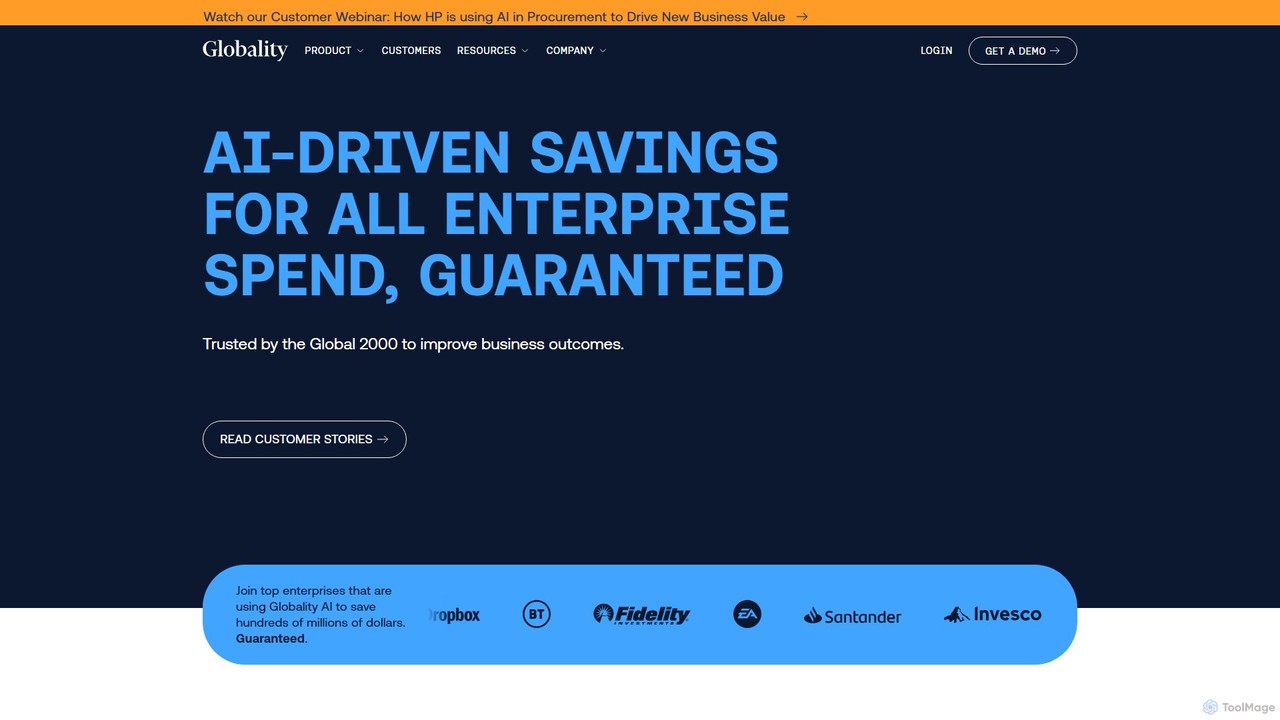
Globality is an AI-powered platform designed for large enterprises to optimize procurement and spend management. It utilizes autonomous sourcing and AI-driven workflows to provide total visibility over all company spending, guaranteeing significant cost savings and improving business outcomes. Trusted by Global 2000 companies, it transforms procurement into a smarter, more efficient, and strategic process.

Procurement
Visits 26.4KFavorites 121Likes 130
Wolters Kluwer ELM Solutions
Paid

Wolters Kluwer ELM Solutions

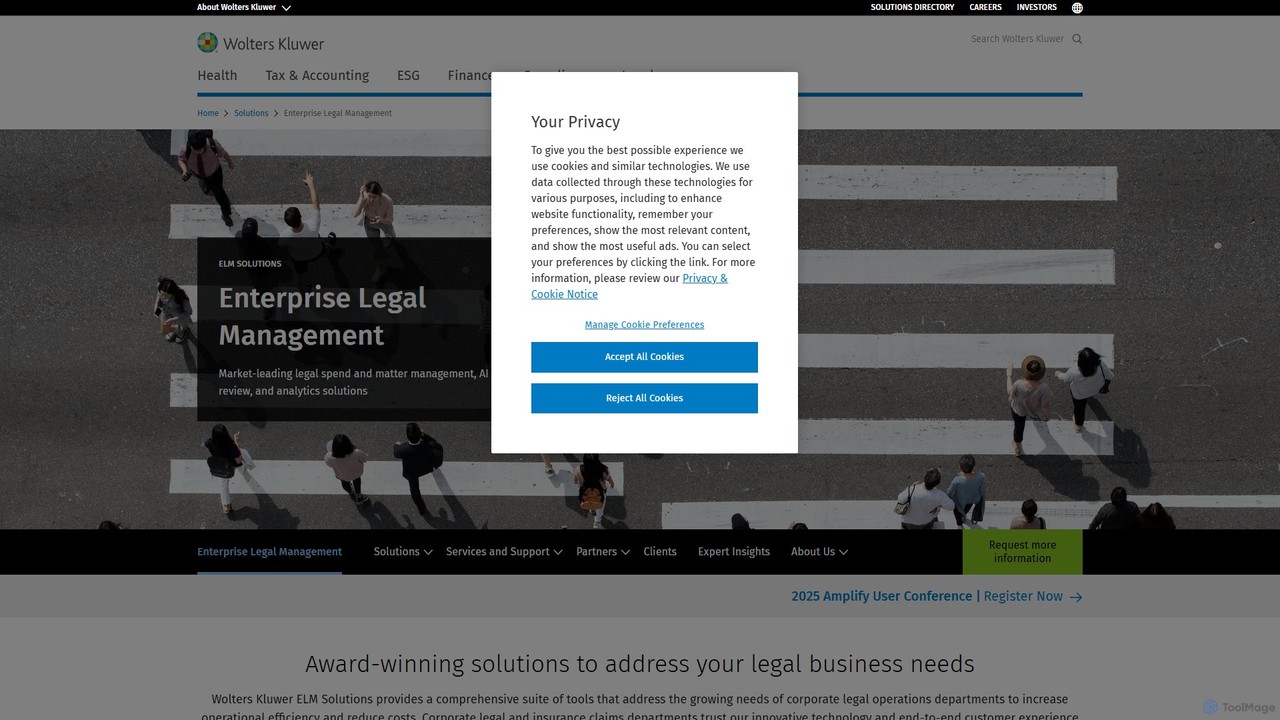
An AI-powered Enterprise Legal Management (ELM) platform for corporate legal departments. It streamlines matter management, controls legal spend with intelligent e-billing, and provides data-driven insights to mitigate risk and optimize legal operations.

Enterprise Resource Planning
Visits 3.2MFavorites 143Likes 127

About Spend Management

Spend Management tools are AI-powered platforms designed to automate and optimize the entire lifecycle of business expenditures. They utilize technologies like Optical Character Recognition (OCR) for receipt scanning and machine learning for anomaly detection to streamline approvals and data entry. This provides organizations with real-time visibility into their spending, enforces budget policies automatically, and uncovers significant cost-saving opportunities. As a specialized area within Finance AI, these tools focus on proactive control over expenses before they are recorded in accounting systems.

Core Features

  • Automated Expense Reporting: Captures data from receipts and invoices using AI, automatically categorizing expenses and populating reports.
  • Real-time Budget Tracking: Provides live dashboards that monitor spending against departmental or project budgets, sending alerts for potential overruns.
  • Policy Compliance Engine: Automatically flags expenses that violate company policies, such as exceeding spending limits or unapproved vendors, before reimbursement.
  • Invoice Processing Automation: Streamlines the accounts payable process by extracting invoice data, matching it with purchase orders, and routing it for approval.
  • Spend Analytics and Insights: Analyzes spending patterns to identify trends, detect potential fraud, and suggest areas for cost reduction.

Use Cases

These tools are essential for finance teams, department managers, and employees in companies of all sizes, particularly those with mobile workforces or complex procurement processes. For instance, a consulting firm can use a spend management platform to allow consultants to submit travel expenses on the go, while managers approve them from their mobile devices, ensuring policy compliance and rapid reimbursement.

How to Choose

When selecting a Spend Management tool, consider its integration capabilities with your existing accounting software (e.g., NetSuite, QuickBooks, SAP). Evaluate the user-friendliness of its mobile app for employees. Assess the flexibility of its policy engine to match your company's specific rules and the depth of its analytics for providing actionable financial insights.

Spend Management use cases

1

Automating Employee Expense Reimbursement

A sales representative on a business trip uses their smartphone to capture a photo of a meal receipt. The AI spend management tool instantly scans the receipt using OCR, extracts the vendor, amount, and date, categorizes it as 'Meals & Entertainment,' and checks it against the company's daily spending limit. The expense is then automatically added to a report and submitted for approval. This process eliminates manual data entry, reduces errors, and shortens the reimbursement cycle from weeks to just a few days.

2

Streamlining Invoice and Accounts Payable Processes

A finance department receives hundreds of vendor invoices weekly via email. An AI spend management platform automatically ingests these invoices, uses AI to extract key data like invoice number, PO number, and line-item details, and performs a three-way match against the purchase order and goods receipt note. If everything matches, the invoice is routed for payment approval. This automation reduces manual processing time by over 80%, minimizes the risk of duplicate payments, and allows the company to capture early payment discounts.

3

Enforcing Real-time Budget Control for Department Heads

A marketing manager is planning a new campaign with a fixed budget. Using the spend management platform, they can see their department's committed and actual spend in real-time. Before approving a new software subscription or a large ad buy, they can check the dashboard to see the immediate impact on their remaining budget. The system also sends automated alerts when spending reaches 75% and 90% of the budget, allowing for proactive adjustments and preventing unexpected overspending at the end of the quarter.

4

Managing Corporate Cards and Simplifying Reconciliation

An IT administrator issues virtual corporate cards to employees for specific online subscriptions, setting spending limits and expiration dates directly within the platform. As transactions occur, they are automatically categorized and employees are prompted via mobile notification to upload a receipt. This eliminates the need for manual reconciliation of lengthy credit card statements at the end of the month. The finance team gains full visibility into card spending as it happens, reducing the risk of unauthorized purchases and fraud.

5

Identifying Cost-Saving Opportunities with Spend Analytics

A procurement officer uses the analytics dashboard of the spend management tool to review company-wide software subscriptions. The AI-powered analysis reveals that three different departments are paying for separate licenses for the same project management tool, resulting in redundant spending. The dashboard also highlights the top 10 vendors by spend, enabling the officer to consolidate purchases and negotiate volume discounts. These data-driven insights allow the company to strategically reduce costs without impacting operations.

6

Ensuring Audit Readiness and Policy Compliance

An internal audit team prepares for a quarterly review. Instead of manually sampling paper receipts and spreadsheets, they use the spend management platform to access a complete, digitized audit trail for every transaction. The system's AI automatically flags high-risk transactions, such as duplicate expense submissions or spending from unapproved vendors. This allows the audit team to focus their efforts on exceptions, significantly reducing audit preparation time and ensuring the company is always compliant with internal policies and external regulations.

Spend Management FAQ

What are AI Spend Management tools?

AI Spend Management tools are software platforms that use artificial intelligence to automate and control business spending. They handle the entire process from expense submission and invoice processing to budget tracking and analytics. By leveraging technologies like OCR and machine learning, they reduce manual work, enforce spending policies in real-time, and provide valuable insights to help companies manage their finances more effectively.

How to choose the right Spend Management software?

To choose the right software, consider these factors:

  • Integration: Ensure it seamlessly integrates with your existing accounting or ERP system (e.g., QuickBooks, SAP, NetSuite).
  • User Experience: The tool should be intuitive for all users, from employees submitting expenses on a mobile app to finance teams managing policies.
  • Scalability: Select a solution that can grow with your company, supporting more users, transactions, and complex workflows.
  • Features: Evaluate if its core features—like corporate card management, invoice automation, and analytics—match your specific business needs.
What's the difference between Spend Management and Accounting software?

Spend Management software focuses on the 'pre-accounting' phase. Its primary goal is to proactively control and approve spending *before* it happens or as it happens. It deals with expense reports, purchase requests, and invoices. Accounting software, on the other hand, is a system of record that deals with the 'post-accounting' phase. It records financial transactions that have already been approved (like those from a spend management system) into the general ledger to produce financial statements.

What are the main benefits of using an AI Spend Management tool?

The primary benefits include:

  • Increased Efficiency: Automates manual tasks like data entry and report creation, freeing up finance teams and employees.
  • Enhanced Cost Control: Provides real-time visibility into spending and automatically enforces budget policies to prevent overspending.
  • Reduced Risk: AI can detect duplicate invoices, out-of-policy expenses, and potential fraud more effectively than manual checks.
  • Data-Driven Decisions: Centralized spending data allows for powerful analytics, helping businesses identify savings opportunities and negotiate better vendor contracts.
Who typically uses Spend Management platforms in a company?

Spend Management platforms are used by various roles across a company:

  • Employees: To submit expense reports, make purchase requests, and use corporate cards easily.
  • Managers: To review and approve their team's spending requests and monitor departmental budgets.
  • Finance & Accounting Teams: To set spending policies, manage the reimbursement and payment process, reconcile accounts, and analyze company-wide spending data.
  • Executives: To gain high-level visibility into the company's financial health and spending patterns.