ToolMage
Sign in

Best 134 Mental Health AI tools for Health

Popular Mental Health AI tools in Health include Tiimo, Abby, Rosebud, Wysa, Ahead App, mylifenote, Woebot Health, Dream Interpreter AI, PracticalPie, and Stellar Sleep, helping you work more efficiently.

Affirmations AI
Freemium

Affirmations AI

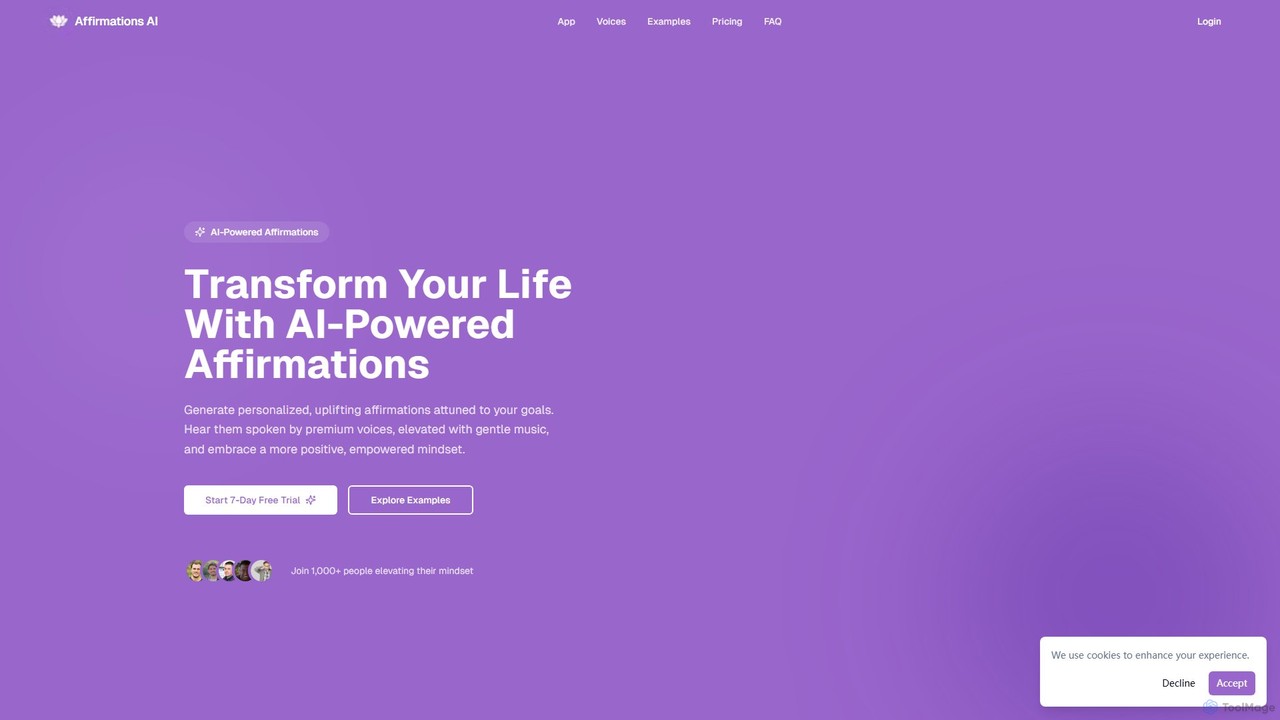
Affirmations AI is an AI-powered platform for creating personalized daily affirmations. It transforms your personal growth goals into uplifting text and high-quality audio affirmations, complete with premium voices and calming background music, helping you cultivate a more positive and empowered mindset.

Voice Generation
Visits 5.9KFavorites 113Likes 147
FindYourTriggers
Freemium

FindYourTriggers

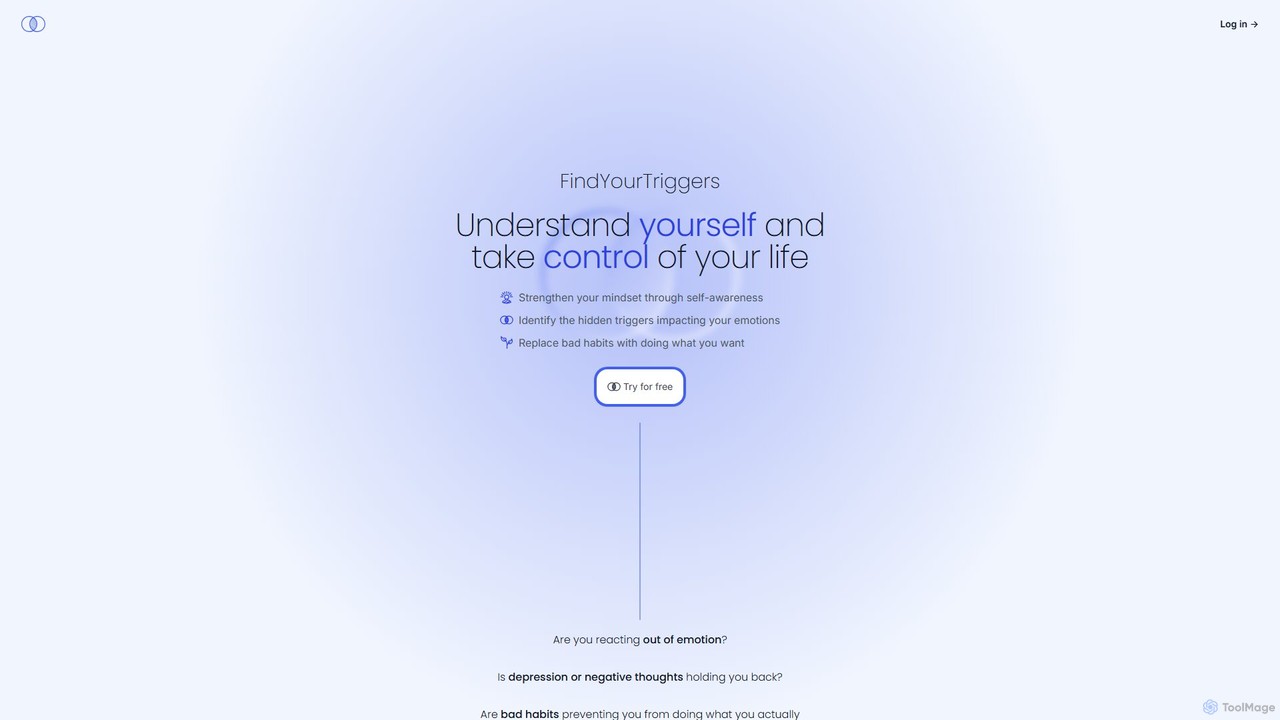
An AI-powered digital journal and self-awareness tool designed to help you understand and manage your emotional triggers. It analyzes your journal entries to identify patterns, provides insights, and guides you through a structured process for personal growth and improved mental well-being.

Mental Health
Visits 6.5KFavorites 130Likes 150
Stamina
Paid

Stamina

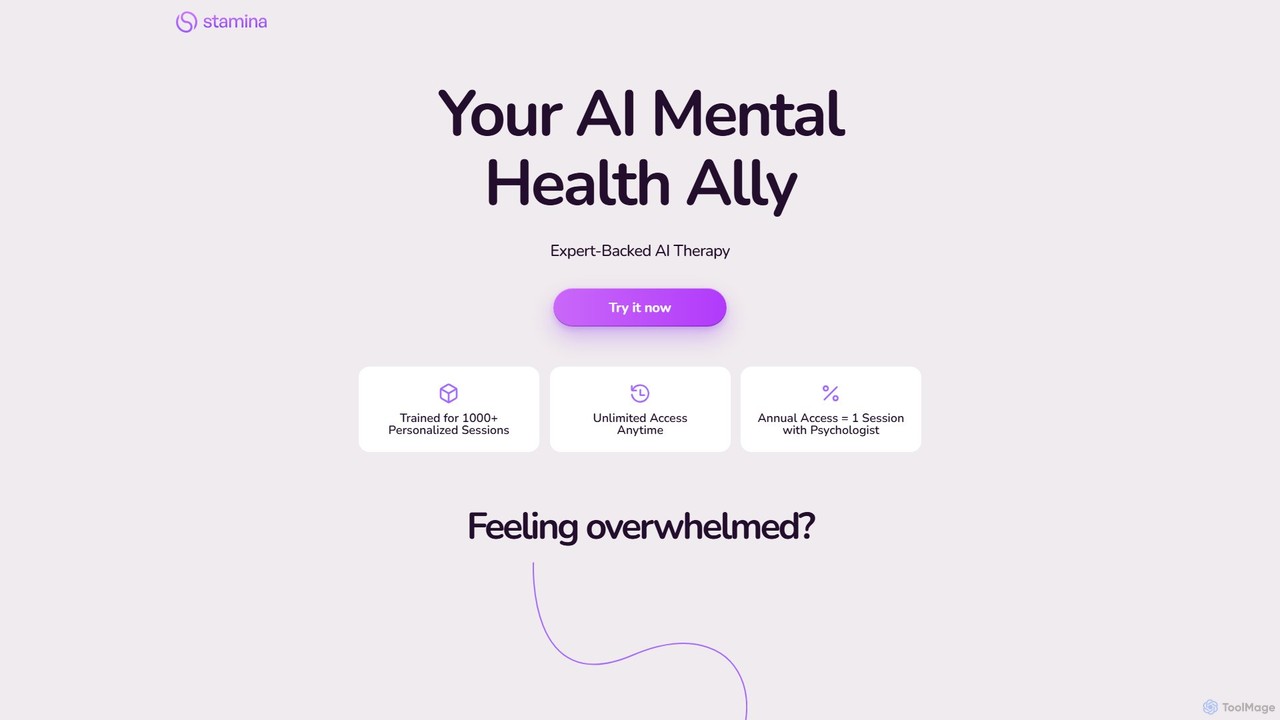
Stamina is an expert-backed AI mental health ally providing 24/7 support through personalized, evidence-based therapy. Leveraging Cognitive Behavioral Therapy (CBT) and supported by over 200 professionals, it offers a confidential and accessible space to manage stress, anxiety, and overwhelming feelings. Stamina provides unlimited sessions, making mental wellness support affordable and always available.

Conversational Ai
Visits 6.6KFavorites 121Likes 111
moodset
Freemium

moodset

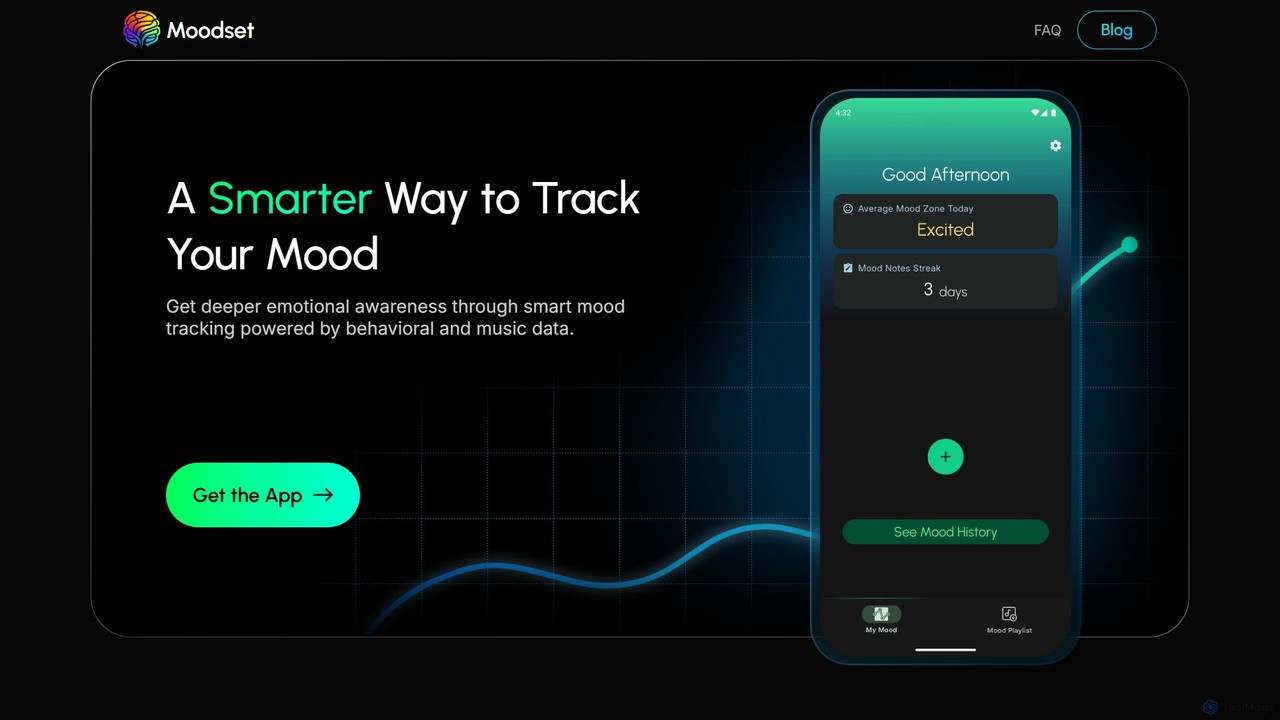
Moodset is an intelligent mood tracking app that provides deeper emotional awareness by integrating manual entries, behavioral data, and music listening habits. It uses a scientifically-backed two-dimensional model (valence and arousal) to map emotions precisely, helping users understand not just how they feel, but why.

Mental Health
Visits 6.3KFavorites 134Likes 141
blushy
Freemium

blushy

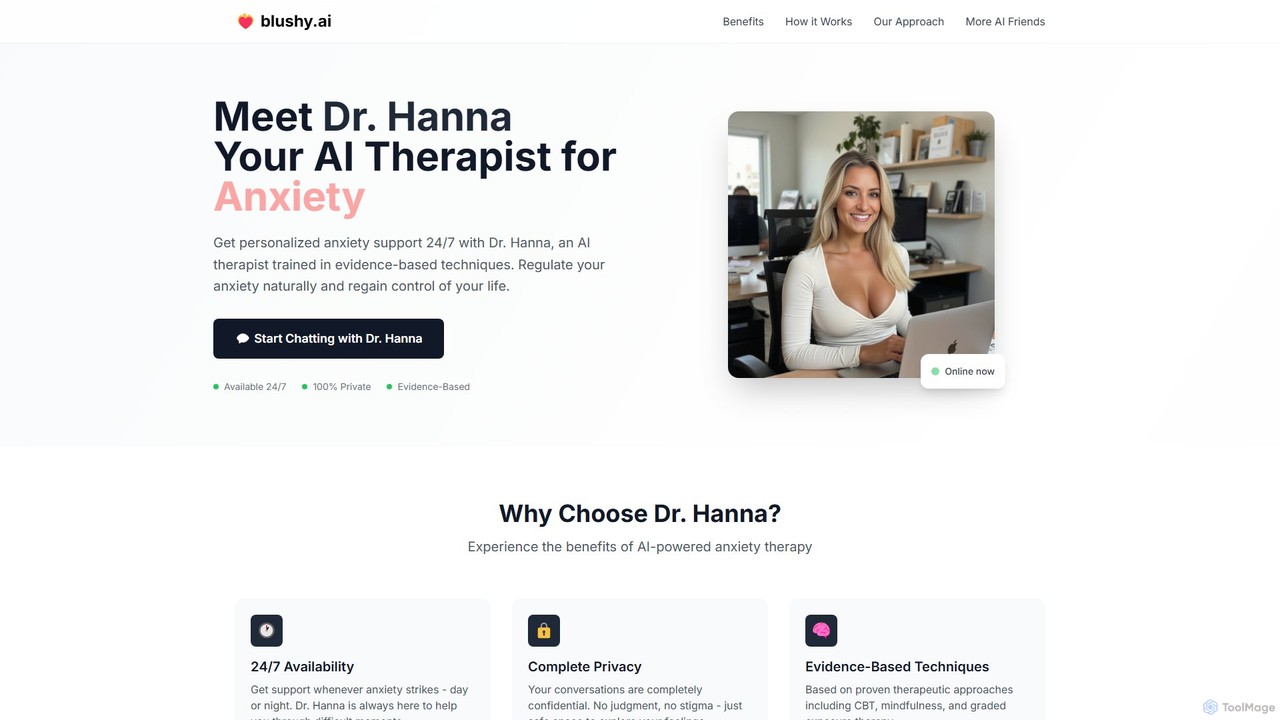
Blushy is a Telegram-based AI platform offering a diverse range of companions. Chat with AI girlfriends, boyfriends, and anime characters for roleplay and uncensored conversations, or connect with Dr. Hanna, an AI therapist specializing in CBT for 24/7 anxiety support. All interactions are private, secure, and instantly accessible on Telegram.

Ai Companions
Visits 10.3KFavorites 178Likes 158
Kalm.chat
Paid

Kalm.chat

Kalm.chat offers instant, 24/7 access to qualified counselors and therapists directly through WhatsApp. It provides a convenient, private, and affordable way to get professional help for personal challenges, relationship issues, and mental wellness without the need for appointments or scheduling.

Mental Health
Visits 6.7KFavorites 160Likes 146
DrDoGood
Freemium

DrDoGood

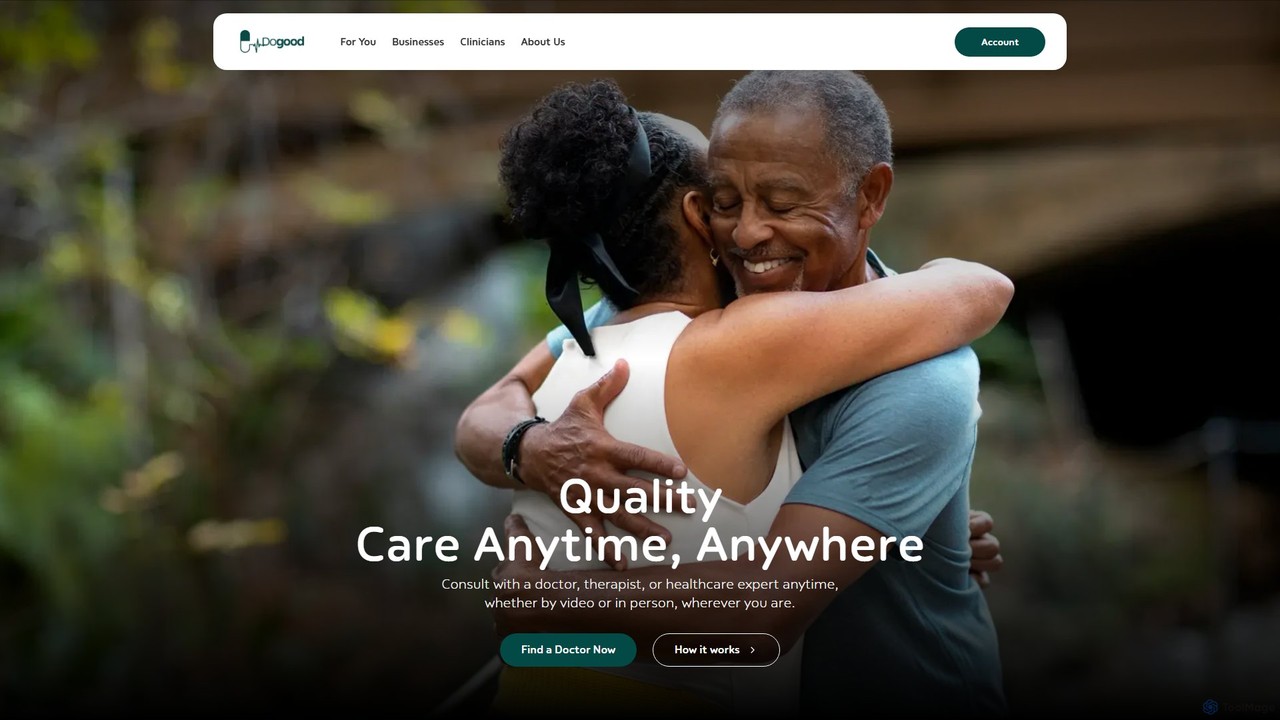
DrDoGood is a comprehensive telehealth platform providing 24/7 access to doctors, therapists, and specialists via video or in-person consultations. It uses AI to help users understand lab reports and find the right care. The platform allows for managing appointments, prescriptions, health records, and vitals for the entire family, with a focus on making quality healthcare accessible, particularly in regions like Africa.

Mental Health
Visits 8.7KFavorites 126Likes 114
HeartDialog
Freemium

HeartDialog

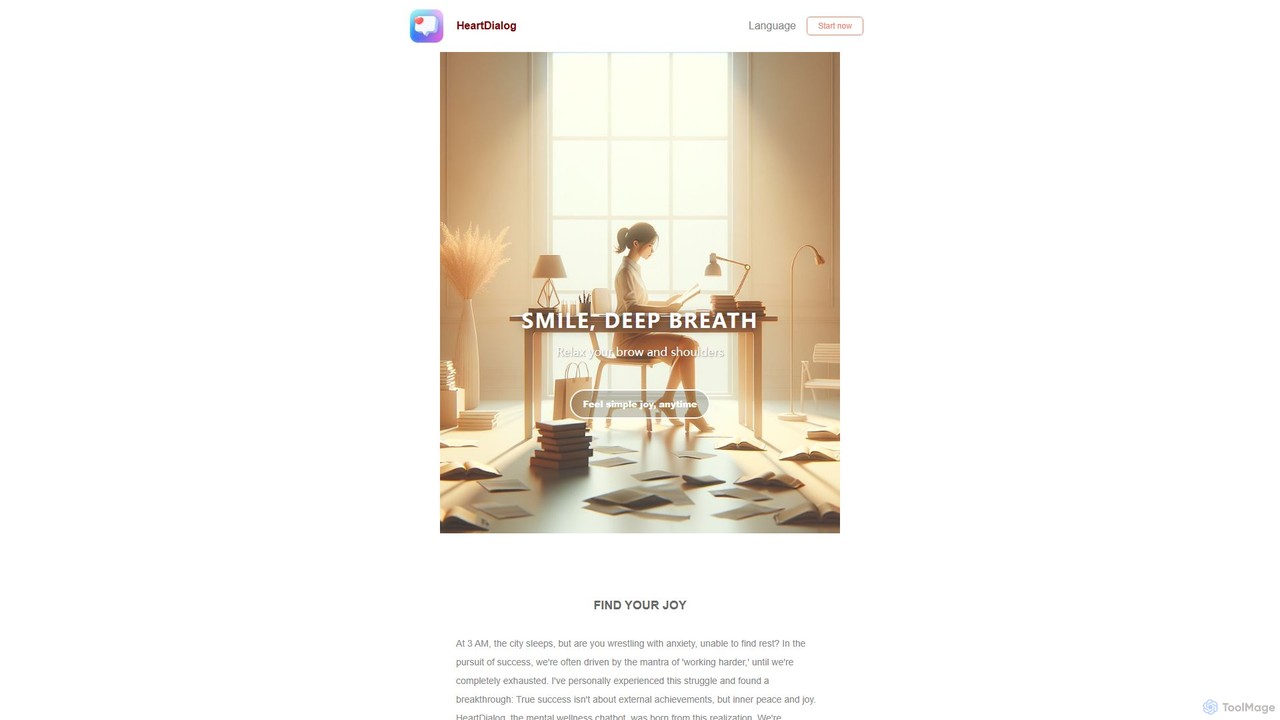
HeartDialog is a 24/7 AI mental health companion designed to provide emotional support and guidance. Using therapeutic frameworks like CBT and DBT, it offers a safe, anonymous space for users to discuss their feelings. It's free for personal use, with specialized plans for non-profits and enterprises, aiming to make mental wellness accessible to everyone.

Ai Companions
Visits 6.2KFavorites 161Likes 150
DreamStory
Freemium

DreamStory

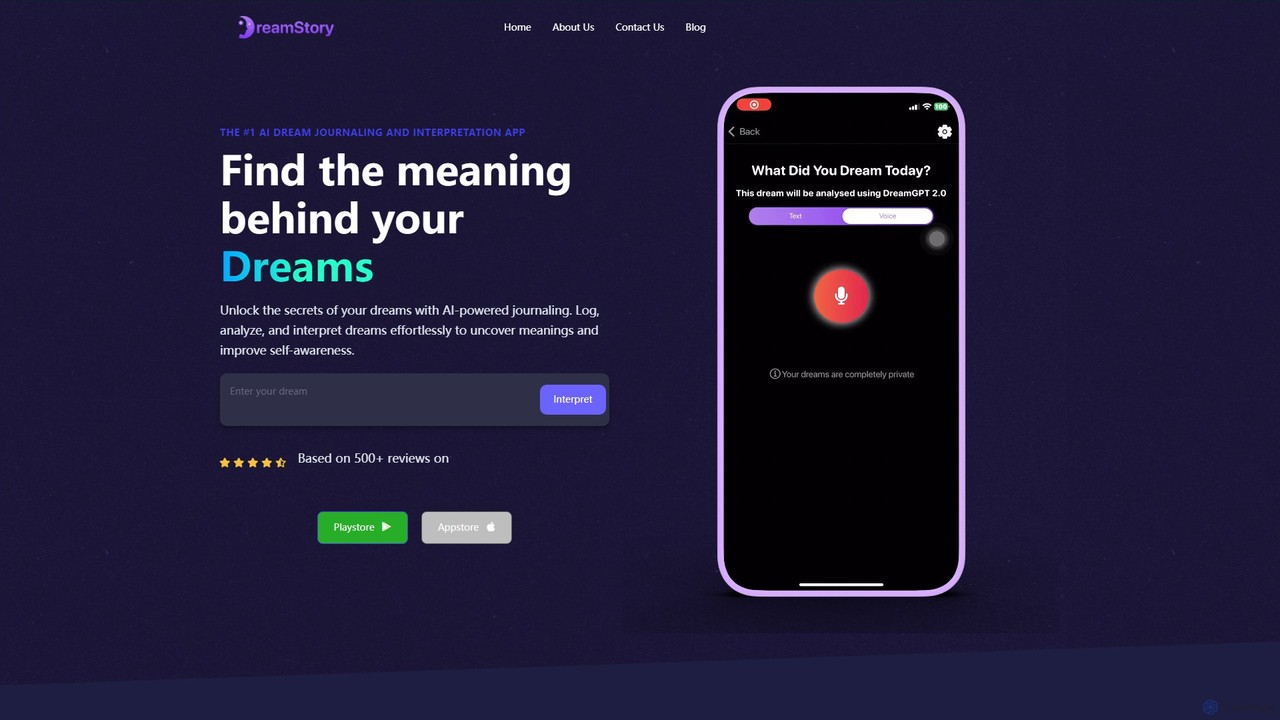
DreamStory is an AI-powered dream journal and interpretation app. It helps you log, analyze, and understand your dreams using advanced AI to uncover hidden meanings, track emotional patterns, and improve self-awareness. Available on iOS and Android.

Mental Health
Visits 6.9KFavorites 133Likes 120
Tiimo
Freemium

Tiimo

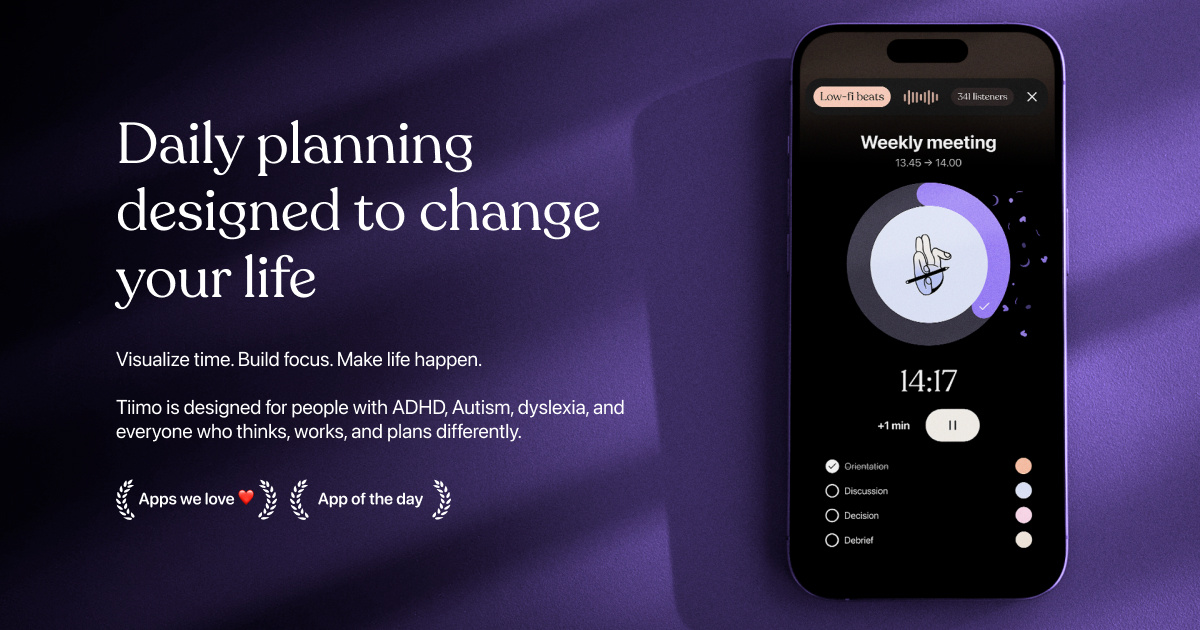
Tiimo is an AI-powered visual daily planner designed for neurodivergent individuals, especially those with ADHD and Autism. It helps users organize their life, build routines, and stay focused with visual tools, AI checklists, and customizable timers, reducing stress and anxiety.

Assistive Technology
Visits 497.2KFavorites 130Likes 124
BlissBot.ai
Freemium

BlissBot.ai

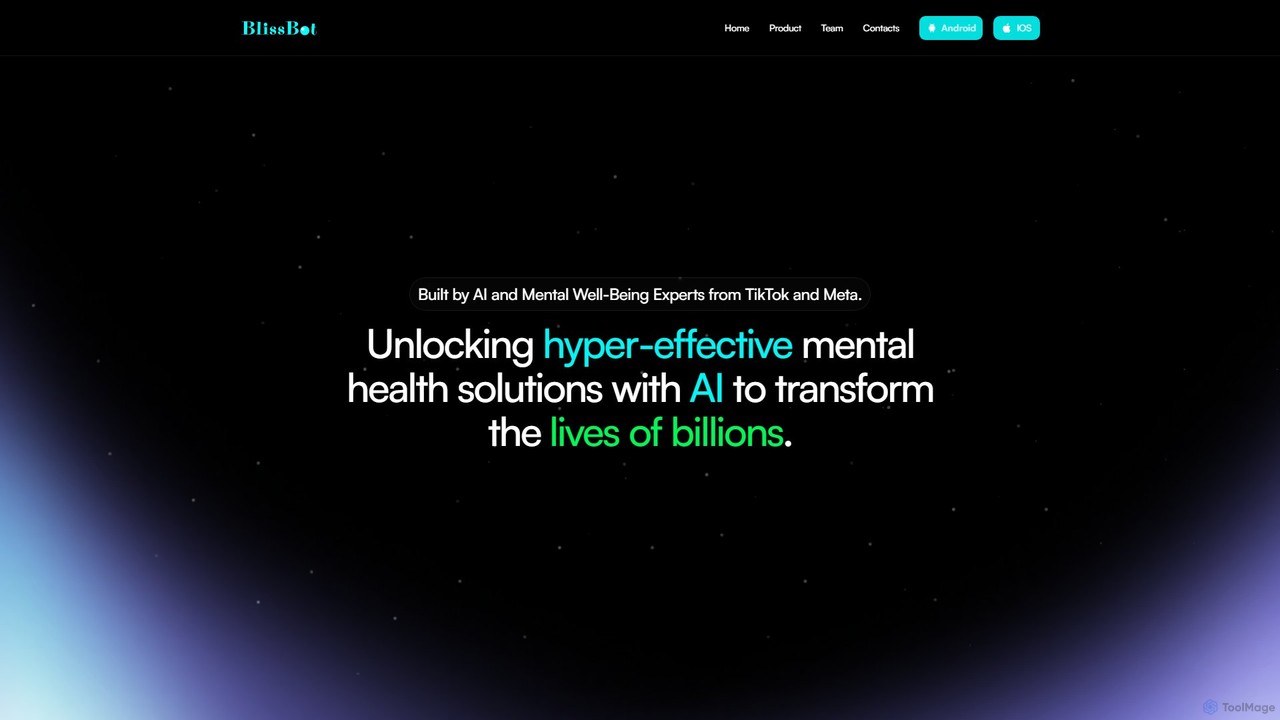
BlissBot.ai is an AI-powered companion for mental, emotional, and spiritual well-being. Developed by experts from TikTok and Meta, this mobile app provides 24/7 support, personalized guidance, and mindfulness tools to help users overcome challenges, reduce stress, and cultivate happiness. It acts as a judgment-free space for emotional processing and personal growth.

Mental Health
Visits 6.3KFavorites 143Likes 151
MeilleurMood
Paid

MeilleurMood

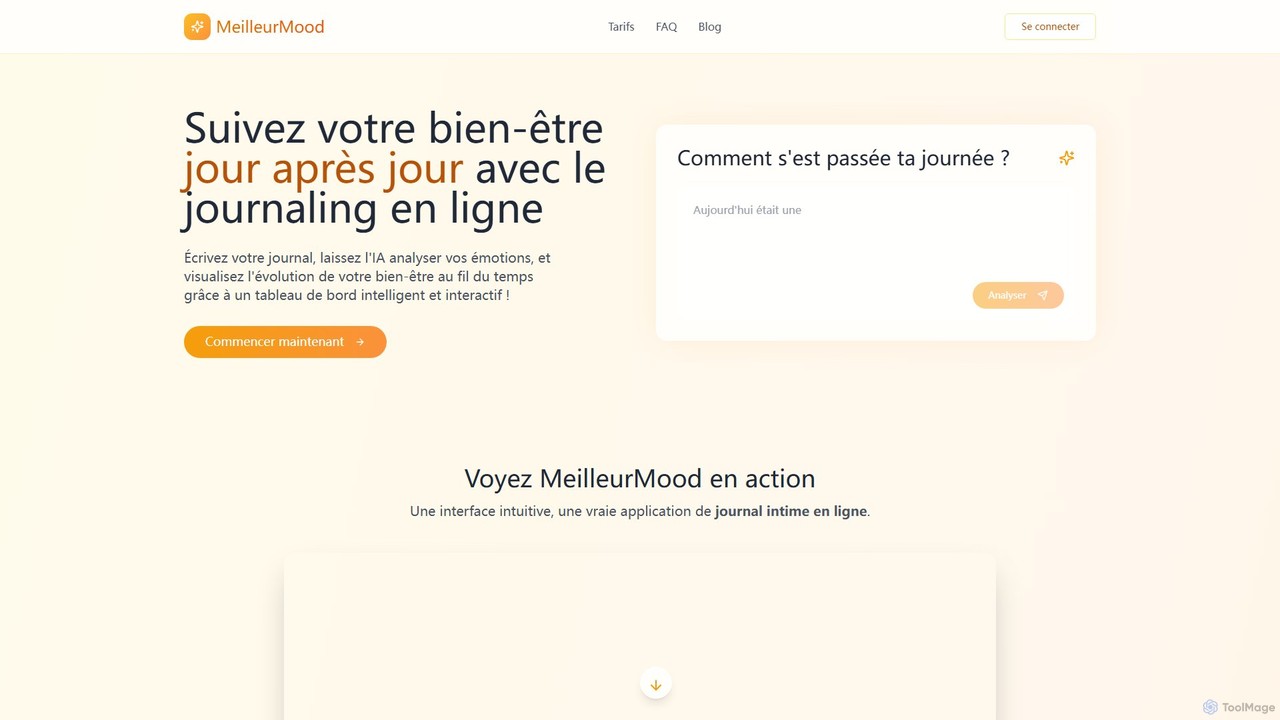
MeilleurMood is an AI-powered online journaling app to enhance your emotional well-being. Write daily entries, and its intelligent AI will analyze your emotions, identify trends, and provide personalized insights. Track your progress on an interactive dashboard to better understand your mental health and build positive habits.

Mental Health
Visits 5.9KFavorites 134Likes 151
Gaslighting Check
Freemium

Gaslighting Check

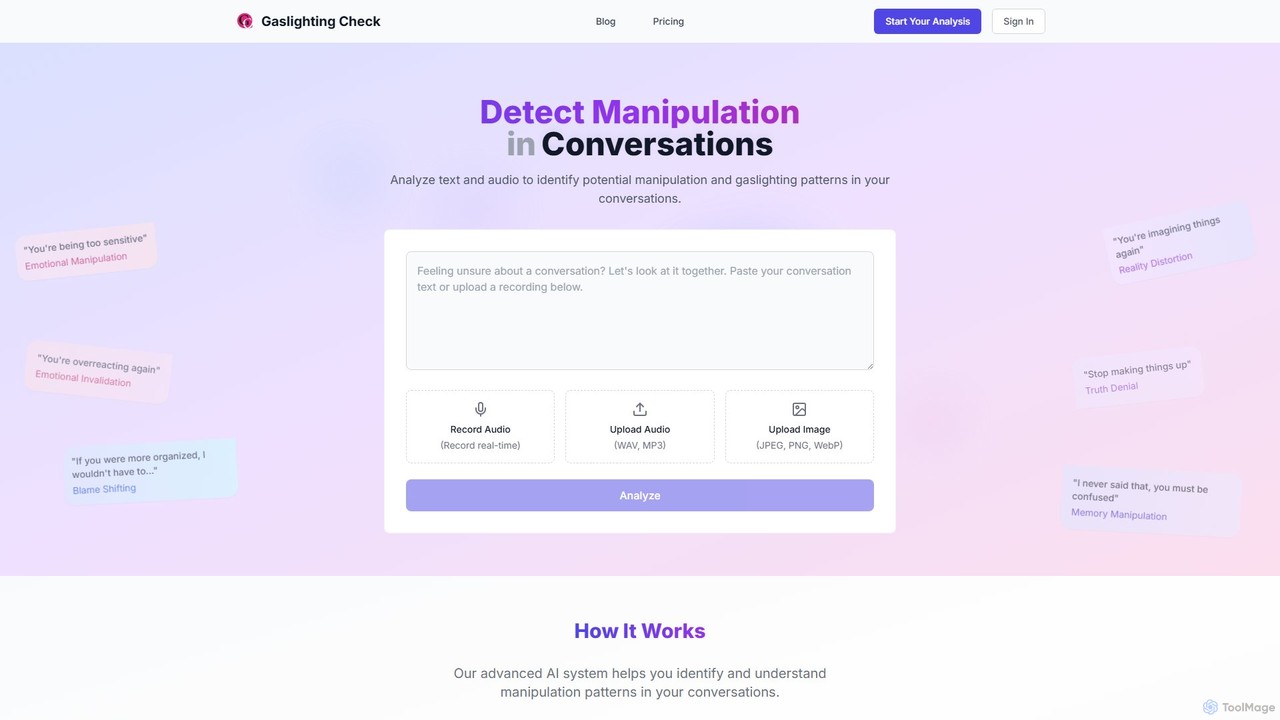
An AI-powered tool designed to analyze text, audio, and image conversations to detect patterns of gaslighting, manipulation, and emotional abuse. It provides objective insights to help users validate their experiences, build confidence, and navigate difficult relationships.

Mental Health
Visits 26.4KFavorites 117Likes 125
Blush
Freemium

Blush

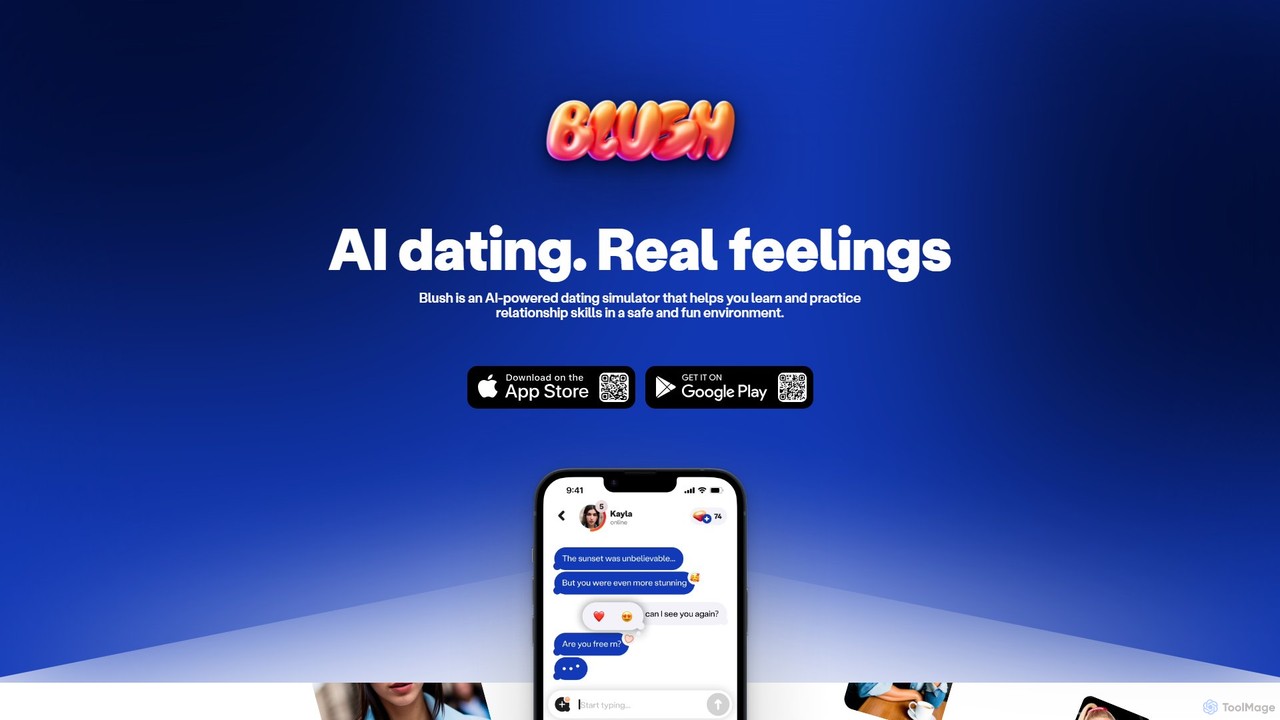
Blush is an AI-powered dating simulator designed to help you practice relationship and communication skills in a safe, fun, and judgment-free environment. Interact with diverse AI characters to build confidence and prepare for real-world dating.

Chatbots
Visits 25.4KFavorites 159Likes 156

About Mental Health

AI Mental Health tools are applications designed to provide accessible, personalized support for emotional well-being and psychological resilience. Leveraging technologies like natural language processing (NLP) and machine learning, these tools offer interactive experiences such as guided journaling, mood tracking, and conversational support. They aim to help users understand their emotional patterns, learn coping mechanisms, and build healthier mental habits. As a key part of the digital health ecosystem, these tools focus specifically on providing scalable and immediate psychological support.

Core Features

  • Conversational Support: AI-powered chatbots that offer empathetic listening and guided conversations based on therapeutic principles like CBT.
  • Mood & Behavior Tracking: Tools for logging daily emotions and activities, with AI analysis to identify patterns and triggers.
  • Personalized Exercises: Customized mindfulness, meditation, and cognitive reframing exercises based on the user's current emotional state.
  • Educational Content: Provides access to curated resources and learning modules about mental health topics and coping strategies.
  • Progress Monitoring: Tracks user progress over time, offering insights into emotional trends and the effectiveness of interventions.

Use Cases

These tools are widely used by individuals seeking daily mental wellness support, students managing academic stress, and employees looking for confidential workplace mental health resources. They also serve as a supplementary tool for people in therapy to practice skills and track progress between sessions, enhancing the overall therapeutic journey.

How to Choose

When selecting an AI Mental Health tool, consider its scientific foundation—whether it's based on proven methods like Cognitive Behavioral Therapy (CBT). Evaluate its privacy policy to ensure data security and confidentiality. Assess the level of personalization and the quality of the AI interaction. Crucially, check if it provides clear resources and pathways to human support for crisis situations.

Featured tool rankings

Mental Health use cases

1

Daily Mood Journaling and Pattern Analysis

For individuals wanting to better understand their emotional landscape. Users can log their mood, activities, and thoughts daily. The AI analyzes this data to reveal correlations, such as how sleep affects mood or which activities lead to increased anxiety, providing actionable insights for self-improvement and emotional regulation.

2

Managing Acute Stress and Anxiety

A user feeling overwhelmed before a presentation or exam can use an AI tool for immediate support. The tool can guide them through a 5-minute breathing exercise, a grounding technique, or a quick cognitive reframing exercise to reduce physiological stress and regain focus in the moment.

3

Learning and Practicing CBT Skills

Users new to therapy or seeking self-help can learn Cognitive Behavioral Therapy (CBT) techniques. The AI acts as a coach, guiding them through identifying negative thought patterns, challenging cognitive distortions, and creating balanced alternative thoughts through interactive, structured exercises.

4

Anonymous Emotional Support 24/7

For individuals who are not ready to speak to a person or need a non-judgmental space to vent. AI chatbots provide a confidential outlet to express feelings 24/7, offering empathetic responses and helping users process their emotions without fear of judgment or the need to schedule an appointment.

5

Building a Consistent Mindfulness Habit

A person looking to incorporate mindfulness into their routine can use an AI tool for personalized meditation. Based on the user's stated goals (e.g., better sleep, less stress) and current mood, the AI recommends and delivers specific guided meditation sessions, adapting the length and style over time to foster a sustainable habit.

6

Supplementing Professional Therapy

A patient undergoing therapy can use an AI app to reinforce concepts learned in sessions. They can practice skills, complete 'homework' assigned by their therapist, and track their mood and symptoms. This provides valuable, structured data to discuss in their next appointment, making therapy more effective and collaborative.

Mental Health FAQ

What are AI Mental Health tools?

AI Mental Health tools are digital applications that use artificial intelligence to provide support for emotional and psychological well-being. They offer features like AI-powered chatbots for conversation, mood tracking, personalized meditation, and exercises based on therapeutic techniques like CBT. They are designed to be accessible, immediate, and private resources for daily mental wellness management.

How do I choose a reliable AI Mental Health tool?

To choose a reliable tool, consider these key factors:

  • Scientific Basis: Check if its methods are based on evidence-backed approaches like Cognitive Behavioral Therapy (CBT) or Mindfulness.
  • Privacy Policy: Review it thoroughly to understand how your data is collected, stored, and protected.
  • User Experience: Assess the quality of the AI's responsiveness and whether the interface is easy and calming to use.
  • Crisis Support: Ensure it has clear protocols for crisis intervention, directing users to human support when needed.
Can AI Mental Health tools replace a human therapist?

No, AI Mental Health tools are not a replacement for professional human therapists. They are best viewed as supplementary support tools. They can help with daily wellness, skill-building, and immediate emotional support, but they cannot diagnose conditions, handle complex crises, or provide the deep, nuanced understanding of a licensed professional. They are a valuable part of a broader mental health care strategy, not a substitute for it.

Are my conversations with an AI mental health app private?

Privacy policies vary significantly between apps. Reputable tools use encryption and data anonymization to protect user privacy. However, it is crucial to read the privacy policy of any app before sharing sensitive information. Look for transparency about data usage, storage, and whether the information is shared with third parties. Do not assume all apps offer the same level of confidentiality.

What is the main difference between AI Mental Health tools and general wellness apps?

While both aim to improve well-being, AI Mental Health tools are more specialized. They often incorporate principles from established psychotherapies (like CBT or DBT) and use AI to create interactive, personalized therapeutic exercises. General wellness apps might focus more broadly on fitness, sleep, and nutrition, while AI Mental Health tools specifically target cognitive and emotional patterns to support psychological health.