ToolMage
Sign in

Best 3 Symptom Tracker AI tools for Health

Popular Symptom Tracker AI tools in Health include March Health, eczemaless, and Diagnoza, helping you work more efficiently.

Diagnoza
Freemium

Diagnoza

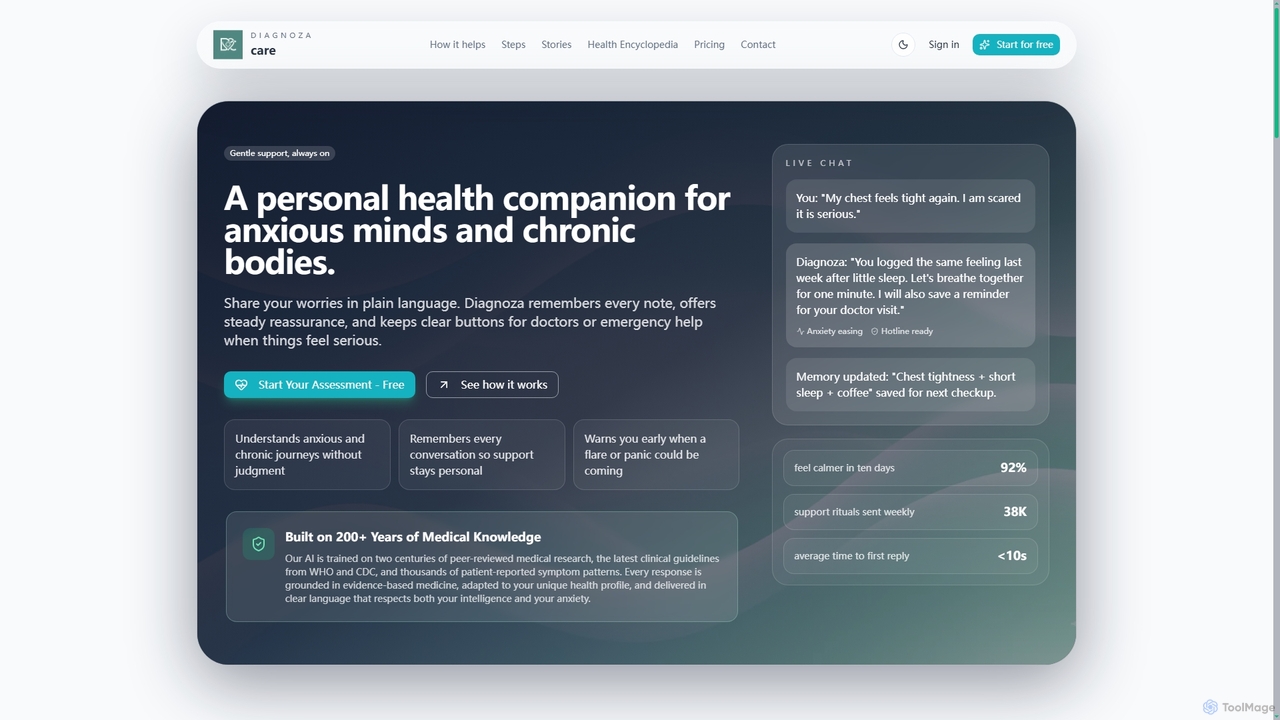
Diagnoza is an AI health companion designed for individuals with chronic illnesses and health anxiety. It helps users track symptoms, manage medications, and prepare for doctor visits by providing gentle, evidence-based support and personalized insights, remembering your health journey to offer continuous reassurance.

Mental Health
Visits 5.5KFavorites 104Likes 112
eczemaless
Freemium

eczemaless

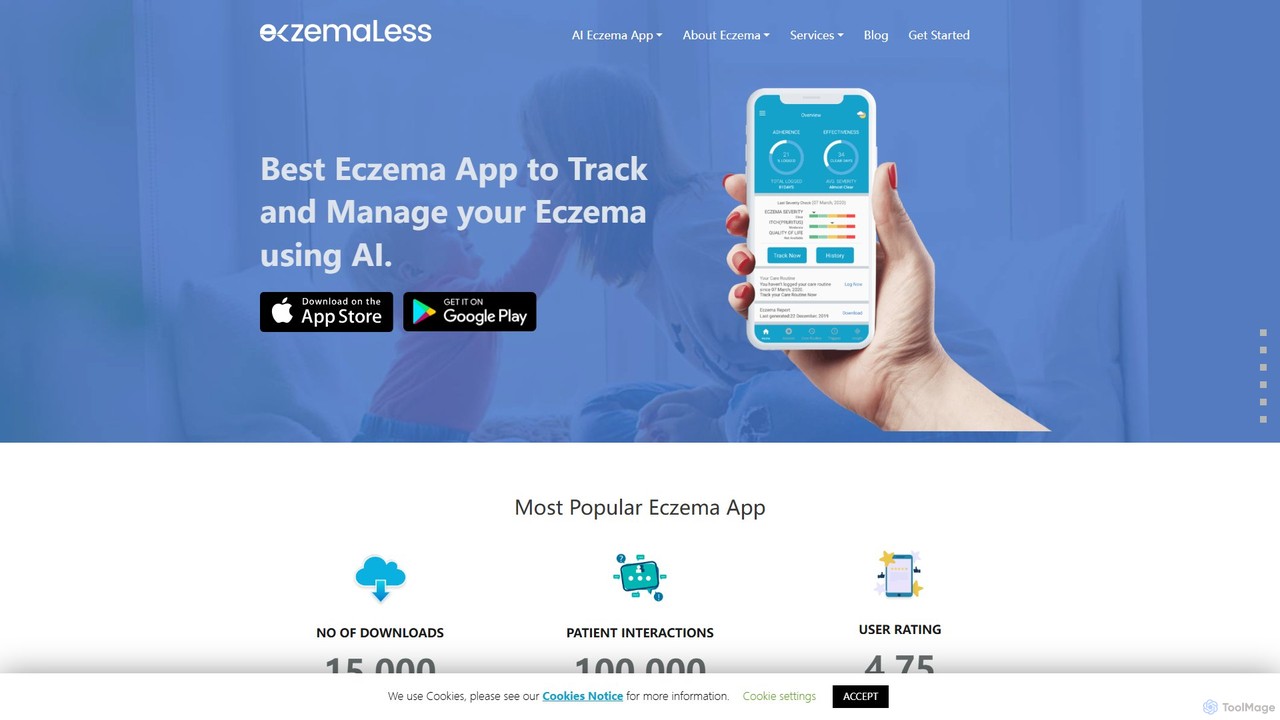
Eczemaless is an AI-powered mobile app designed for effective eczema management. It helps users track symptoms, identify triggers, score severity, and access a specialized AI search engine for reliable information, empowering them to take control of their skin health.

Personal Health
Visits 9KFavorites 102Likes 105
March Health

March Health

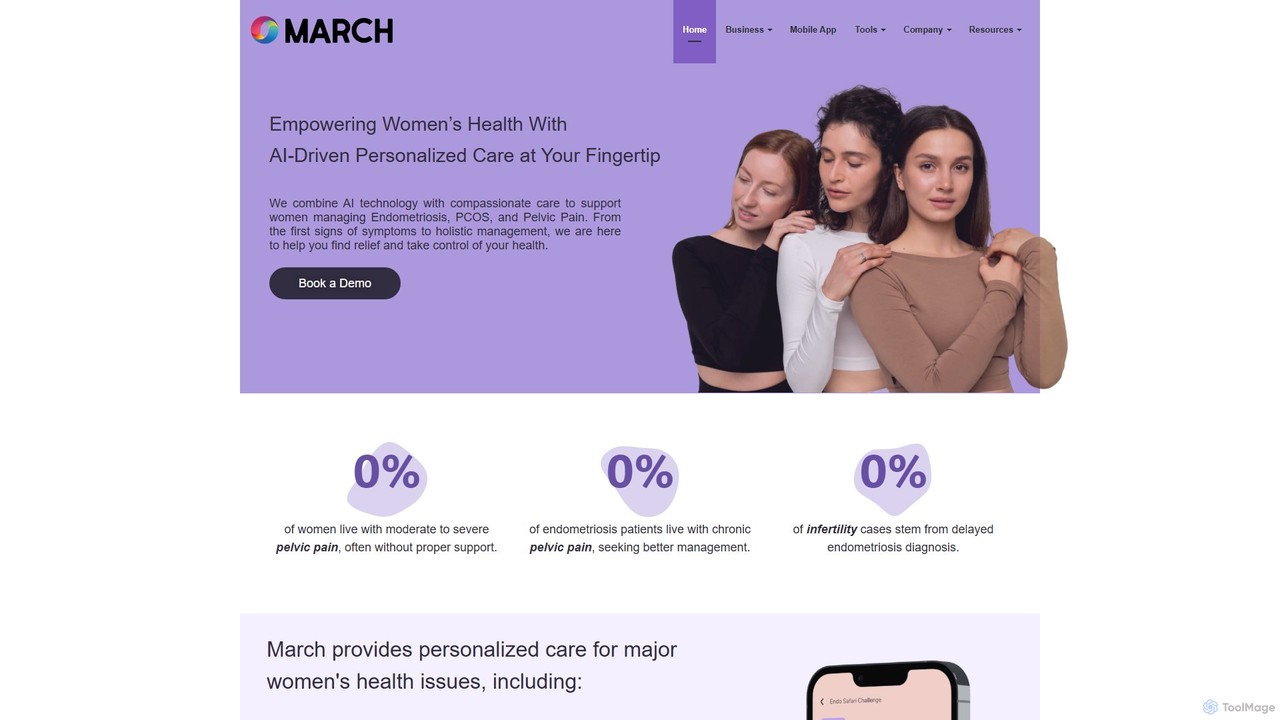
March Health is an AI-driven digital health platform dedicated to revolutionizing women's healthcare. It provides personalized, AI-powered care for managing complex conditions like Endometriosis, PCOS, and Chronic Pelvic Pain. By combining AI screening, symptom tracking, personalized recommendations, and access to health coaches and clinicians, March Health empowers women to take control of their health journey from initial symptoms to holistic management.

Symptom Tracker
Visits 14.1KFavorites 127Likes 156

About Symptom Tracker

AI Symptom Trackers are specialized applications that use artificial intelligence to help users log, monitor, and analyze health symptoms over time. These tools employ machine learning and natural language processing (NLP) to identify patterns, potential triggers, and correlations that are often difficult to spot manually. By transforming subjective entries into structured data, they provide users and healthcare professionals with actionable insights for managing chronic conditions, evaluating treatment efficacy, or understanding overall health trends. Their primary advantage lies in automating the analysis of complex health data to reveal meaningful connections.

Core Features

  • Intelligent Data Entry: Utilizes NLP to interpret free-text descriptions of symptoms, diet, and activities, reducing the need for rigid forms.
  • Pattern Recognition & Correlation Analysis: AI algorithms automatically identify relationships between symptoms and lifestyle factors like diet, sleep, or medication.
  • Predictive Forecasting: Employs historical data to forecast potential symptom flare-ups, allowing for proactive management.
  • Automated Reporting: Generates clear, visual reports and summaries that can be easily shared with doctors to facilitate more informed consultations.
  • Personalized Insights: Delivers tailored feedback and suggestions based on the user's unique data patterns.

Use Cases

AI Symptom Trackers are primarily used by individuals with chronic illnesses such as migraines, Irritable Bowel Syndrome (IBS), fibromyalgia, or autoimmune disorders. They are also valuable for patients tracking side effects from treatments like chemotherapy, or for anyone seeking to understand connections between their lifestyle and well-being. In clinical research, these tools are used to efficiently collect and analyze patient-reported outcomes.

How to Choose

When selecting an AI Symptom Tracker, consider the specific conditions it is designed to monitor. Evaluate its data privacy and security policies, looking for HIPAA compliance or equivalent standards. Assess the quality and clarity of its analytical reports and visualizations. Finally, consider its ease of use and ability to integrate with other health apps or wearable devices for a more comprehensive view of your health.

Symptom Tracker use cases

1

Managing Chronic Migraines with AI Insights

An individual who suffers from chronic migraines uses an AI Symptom Tracker to log daily headache intensity, duration, location, and accompanying symptoms like nausea. They also input potential triggers such as specific foods, sleep duration, and stress levels. After several weeks of consistent logging, the AI's pattern recognition algorithm identifies a strong correlation between consuming aged cheese and the onset of a migraine within 12 hours. The app presents this insight through a clear chart, empowering the user to make an informed dietary change and subsequently reduce their migraine frequency.

2

Identifying Triggers for Irritable Bowel Syndrome (IBS)

A patient diagnosed with IBS uses an AI tracker to log their daily food intake using free-text entry and photos, alongside symptoms like bloating, pain, and bowel habits. The app's NLP capabilities categorize the foods and its machine learning model analyzes the data over time. It highlights a recurring pattern: symptoms consistently worsen 2-4 hours after consuming meals high in FODMAPs, specifically onions and garlic. This data-driven evidence helps the patient and their dietitian implement a targeted low-FODMAP diet, leading to significant symptom relief.

3

Monitoring Rheumatoid Arthritis (RA) Activity

A person with Rheumatoid Arthritis uses an AI tracker to rate their daily joint pain, stiffness, and fatigue levels on a simple scale. They also log medication adherence and physical activity. The AI synthesizes this information and generates a visual timeline of disease activity. The app's predictive model alerts the user to a potential upcoming flare-up based on a subtle but consistent increase in morning stiffness over three days. This early warning allows them to adjust their activities, focus on self-care, and contact their rheumatologist proactively for advice, potentially lessening the severity of the flare-up.

4

Tracking Post-Chemotherapy Side Effects

A cancer patient undergoing chemotherapy uses an AI symptom tracker to log the severity and timing of side effects like nausea, fatigue, and mouth sores. The app provides a structured way to capture this critical information, which can be difficult to recall accurately during appointments. Before each visit to the oncologist, the app automatically generates a concise summary report highlighting trends, such as nausea peaking 48 hours post-infusion. This report enables the oncologist to make precise adjustments to the patient's anti-nausea medication and supportive care plan, improving their quality of life during treatment.

5

Correlating Lifestyle Factors with Mental Health

A user managing anxiety and depression logs their daily mood, energy levels, and instances of panic attacks. They also connect the app to their wearable device, which automatically imports data on sleep quality and physical activity. The AI analyzes all these inputs and reveals a strong link between nights with less than six hours of sleep and a significant drop in mood the following day. It also notes that days with at least 30 minutes of moderate exercise correlate with higher energy levels. These personalized insights encourage the user to prioritize sleep hygiene and consistent exercise as part of their mental health management strategy.

6

Optimizing Athletic Training by Tracking Fatigue

An athlete uses an AI symptom tracker to monitor factors beyond performance metrics, such as muscle soreness, sleep quality, and perceived exertion after each workout. The AI model learns the athlete's personal baseline and recovery patterns. It detects a trend of increasing muscle soreness combined with declining sleep quality, flagging a potential state of overtraining before it impacts performance. The app suggests an unscheduled rest day or a low-intensity recovery session. This data-driven approach helps the athlete and their coach make smarter training decisions to prevent injury and optimize long-term progress.

Symptom Tracker FAQ

What is an AI Symptom Tracker?

An AI Symptom Tracker is a digital health tool that uses artificial intelligence to help you record, analyze, and understand your health symptoms. Unlike a simple digital diary, it actively processes your data using machine learning algorithms. Its primary functions are to identify hidden patterns, correlate symptoms with lifestyle factors (like diet or sleep), and sometimes even predict future symptom flare-ups. This provides you and your doctor with deeper, data-driven insights that can lead to more effective health management.

How do AI Symptom Trackers differ from standard health diary apps?

The key difference lies in analysis. A standard health diary is a passive logging tool; you enter data, and it stores it. An AI Symptom Tracker is an active analytical tool. It uses algorithms to:

  • Find Correlations: It can automatically suggest that your migraines might be linked to a specific food you ate two days prior.
  • Identify Trends: It can visualize how your energy levels change throughout your menstrual cycle or in response to medication.
  • Provide Insights: It moves beyond raw data to offer potential explanations or highlight factors you should discuss with your doctor.

In essence, a diary app records 'what' happened, while an AI tracker helps you understand 'why' it might be happening.

Is the health data I enter into a symptom tracker secure?

Data security is a critical consideration. Reputable AI Symptom Trackers employ strong security measures like end-to-end encryption to protect your data both in transit and at rest. However, the level of security varies between apps. Before using a tool, it is essential to review its privacy policy and terms of service. Look for apps that are transparent about how they use your data and whether they comply with health data regulations like HIPAA (in the US) or GDPR (in Europe). Choosing apps from well-established developers can also provide an additional layer of confidence in their security practices.

Who can benefit most from using an AI Symptom Tracker?

While anyone can use these tools for general wellness, they are particularly beneficial for:

  • Individuals with Chronic Conditions: People managing conditions like migraines, IBS, fibromyalgia, endometriosis, or autoimmune diseases can uncover triggers and patterns that are difficult to see day-to-day.
  • Patients Undergoing Treatment: Tracking side effects from medications or treatments like chemotherapy provides valuable, structured feedback for doctors.
  • People with Undiagnosed Symptoms: A detailed, analyzed log of symptoms can provide crucial information to help healthcare providers reach a diagnosis.
  • Athletes and Biohackers: Individuals looking to optimize performance by correlating lifestyle factors with physical and mental states.
How do I choose the right AI Symptom Tracker for my needs?

Choosing the right tool depends on your specific goals. Consider the following factors:

  • Condition Specificity: Does the app have features tailored to your specific condition (e.g., migraine tracking, FODMAP food lists for IBS)?
  • Data Input Method: Do you prefer simple scales, detailed forms, or free-text journaling? Check if the app's input style suits you.
  • Reporting and Visualization: Look at examples of the reports it generates. Are they easy to understand and share with a healthcare provider?
  • Integrations: Does it connect with other health apps or wearables (like a fitness tracker or sleep monitor) that you already use?
  • Privacy Policy: Read the privacy policy carefully to understand how your data is stored, used, and protected.