CoughPro
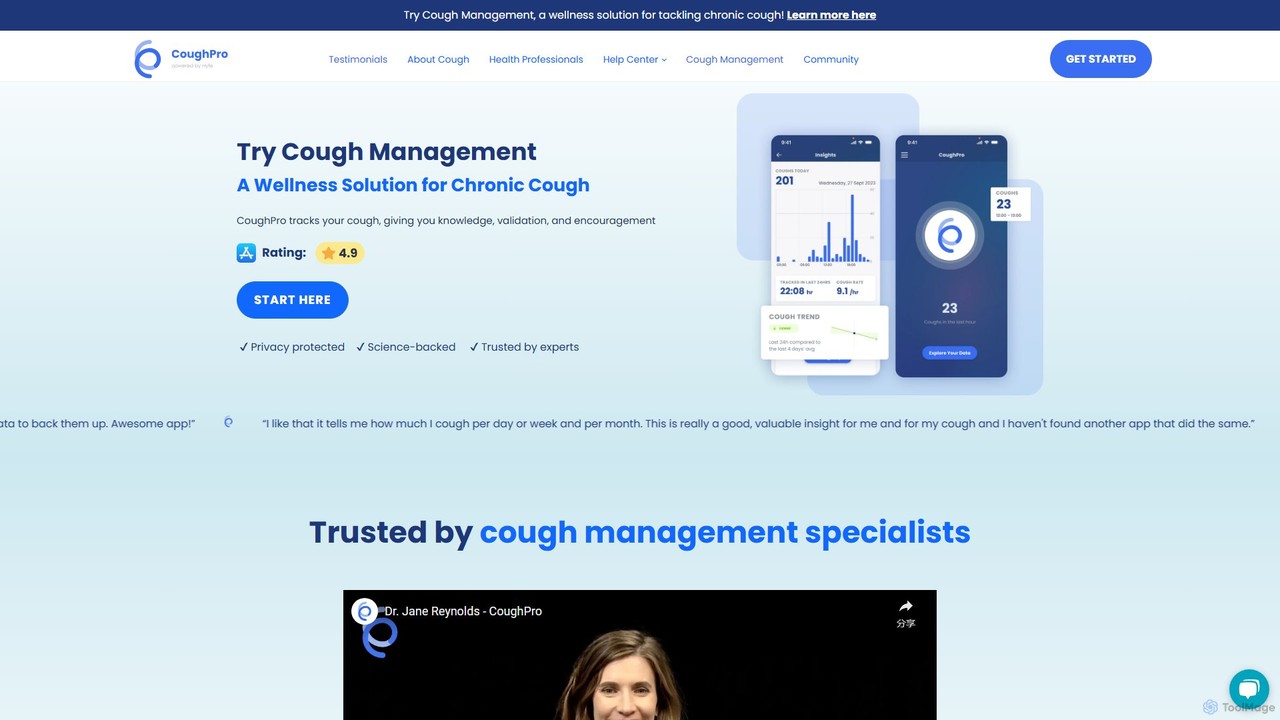
CoughPro is an AI-powered wellness app that accurately tracks your coughs using your smartphone's microphone. It provides detailed …
CoughPro is an AI-powered wellness app that accurately tracks your coughs using your smartphone's microphone. It provides detailed analytics and reports on cough frequency and patterns, empowering you with objective data to better understand your respiratory health and facilitate more informed discussions with your doctor.
Insightfull
Insightfull is an AI-powered iOS app designed to help users understand their health by analyzing symptoms, food intake, …
Insightfull is an AI-powered iOS app designed to help users understand their health by analyzing symptoms, food intake, and medication. It identifies potential triggers for symptoms, empowering users to manage chronic conditions and improve their overall well-being through data-driven insights.
proudP
proudP is a revolutionary AI-powered mobile app that allows users to track their urine flow at home. Using …
proudP is a revolutionary AI-powered mobile app that allows users to track their urine flow at home. Using advanced sound analysis technology, it non-invasively measures key urological metrics to help monitor symptoms of conditions like Benign Prostatic Hyperplasia (BPH). The app provides objective data, progress tracking, and shareable reports, empowering users and their doctors to make more informed decisions about prostate and bladder health.
About Symptom Tracking
AI Symptom Tracking tools are applications that use artificial intelligence to help users systematically log, monitor, and analyze their health symptoms over time. These tools often leverage Natural Language Processing (NLP) to interpret user descriptions and machine learning to identify patterns, correlations, and potential triggers that might otherwise go unnoticed. Their primary value lies in transforming subjective feelings into structured data, empowering users to have more informed discussions with healthcare providers and take a more active role in managing their health, particularly for chronic conditions. This data-driven approach helps in understanding the relationship between lifestyle factors and symptom fluctuations.
Core Features
- AI-Powered Data Entry: Utilizes NLP to understand and categorize symptoms described in natural language, making logging faster and more intuitive.
- Pattern & Trigger Identification: Employs machine learning algorithms to analyze logged data and suggest correlations between symptoms and factors like diet, activity, or medication.
- Data Visualization & Reporting: Generates easy-to-understand charts, graphs, and summaries that illustrate symptom trends over time, which can be shared with doctors.
- Personalized Insights: Provides tailored feedback based on the user's unique data, highlighting potential areas for lifestyle adjustments.
- Medication & Treatment Logging: Allows users to track medication adherence and its perceived effect on their symptoms.
Use Cases
These tools are particularly beneficial for individuals managing chronic illnesses such as migraines, Irritable Bowel Syndrome (IBS), or autoimmune diseases. They are also used by patients to monitor the side effects of new medications, by individuals trying to identify food sensitivities or allergies, and by those tracking mental health fluctuations like anxiety or mood swings. The structured reports are invaluable for clinical appointments, providing doctors with a detailed health history.
How to Choose
When selecting an AI Symptom Tracking tool, consider its specificity—whether it's for a general purpose or a specific condition. Evaluate its data privacy and security policies, especially regarding sensitive health information. Check for integration capabilities with wearables or other health apps like Apple Health. Finally, assess the quality and exportability of its reports, as the ability to share clear data with a healthcare professional is a key feature.
Symptom TrackingUse Cases
Managing Chronic Migraines with Pattern Recognition
A user suffering from chronic migraines uses an AI symptom tracker daily to log headache intensity, duration, location, and accompanying symptoms like nausea or light sensitivity. They also input potential triggers such as sleep duration, stress levels, and specific foods consumed. After several weeks, the AI algorithm identifies a strong correlation between consuming aged cheese and the onset of a migraine within 12 hours. The generated report visualizes this pattern, empowering the user to make specific dietary changes and providing their neurologist with concrete data to adjust their treatment plan, leading to a significant reduction in migraine frequency.
Tracking IBS Symptoms for Gastroenterologist Visits
A patient with Irritable Bowel Syndrome (IBS) struggles to explain their fluctuating symptoms to their doctor. Using an AI tracker, they log daily food intake, bloating levels, pain scores, and stress events. The app's NLP understands entries like "ate a big salad for lunch and felt very bloated." Before their appointment, they generate a 30-day summary report that clearly charts flare-ups against their dietary and stress logs. This structured data allows the gastroenterologist to quickly identify potential trigger foods and recommend a targeted elimination diet, making the consultation far more productive than relying on patient recall alone.
Monitoring Side Effects of a New Medication
An individual starting a new medication for rheumatoid arthritis uses a symptom tracker to monitor its effectiveness and side effects. They log daily joint pain levels on a scale of 1-10, morning stiffness duration, and any new symptoms like fatigue or stomach upset. The AI tool visualizes the data, showing a gradual decrease in joint pain while also charting the intensity of side effects. This allows the user and their rheumatologist to objectively assess if the therapeutic benefits outweigh the adverse effects over the first few months, facilitating a data-informed decision on whether to continue or adjust the medication.
Identifying Potential Food Sensitivities
A user suspects they have a food sensitivity but can't pinpoint the cause. They use an AI symptom tracker to meticulously log every meal and snack, along with any subsequent symptoms like skin rashes, bloating, or headaches. The AI cross-references the timing of symptom onset with the ingredient lists of the consumed foods. After a month, the system highlights a recurring pattern: symptoms consistently appear 2-4 hours after consuming products containing dairy. This data-driven insight provides a strong hypothesis for the user to discuss with an allergist or to try a dairy-free diet to confirm the sensitivity.
Tracking Mental Health Fluctuations for Therapy
A person in therapy for anxiety uses an AI symptom tracker to log daily mood, energy levels, sleep quality, and specific anxiety triggers (e.g., social situations, work deadlines). They can also note the use of coping mechanisms like meditation or exercise. The AI generates weekly summaries that visualize mood patterns in relation to life events and coping strategies. Sharing these objective reports with their therapist allows for more focused sessions, helping to identify which strategies are most effective and uncovering subtle triggers that might have been missed in conversation alone.
Post-Operative Recovery Monitoring for Follow-up
After undergoing knee surgery, a patient uses an AI symptom tracker to monitor their recovery. They log daily pain levels, medication intake (especially painkillers), swelling measurements, and progress in physical therapy exercises (e.g., range of motion). The app creates a clear timeline of their recovery progress. During their follow-up appointment, they can show their surgeon a graph illustrating a steady decrease in pain and reliance on medication, alongside an increase in mobility. This provides precise, quantitative data that complements the physical examination, helping the surgeon to accurately assess the recovery trajectory.