ToolMage
Sign in

Best 3 Wearables AI tools for Health

Popular Wearables AI tools in Health include WHOOP, Luna Smart Ring, and aabo, helping you work more efficiently.

Luna Smart Ring
Paid

Luna Smart Ring

The Luna Smart Ring is an AI-powered health and sleep tracker that provides personalized insights without any subscription fees. Made from durable titanium, it monitors sleep, activity, stress, and fertility. Its integrated LifeOS AI Health Coach offers actionable advice, making it a comprehensive wellness companion with a 30-day battery life via its charging case.

Wearables
Visits 205.4KFavorites 152Likes 152
WHOOP
Paid

WHOOP

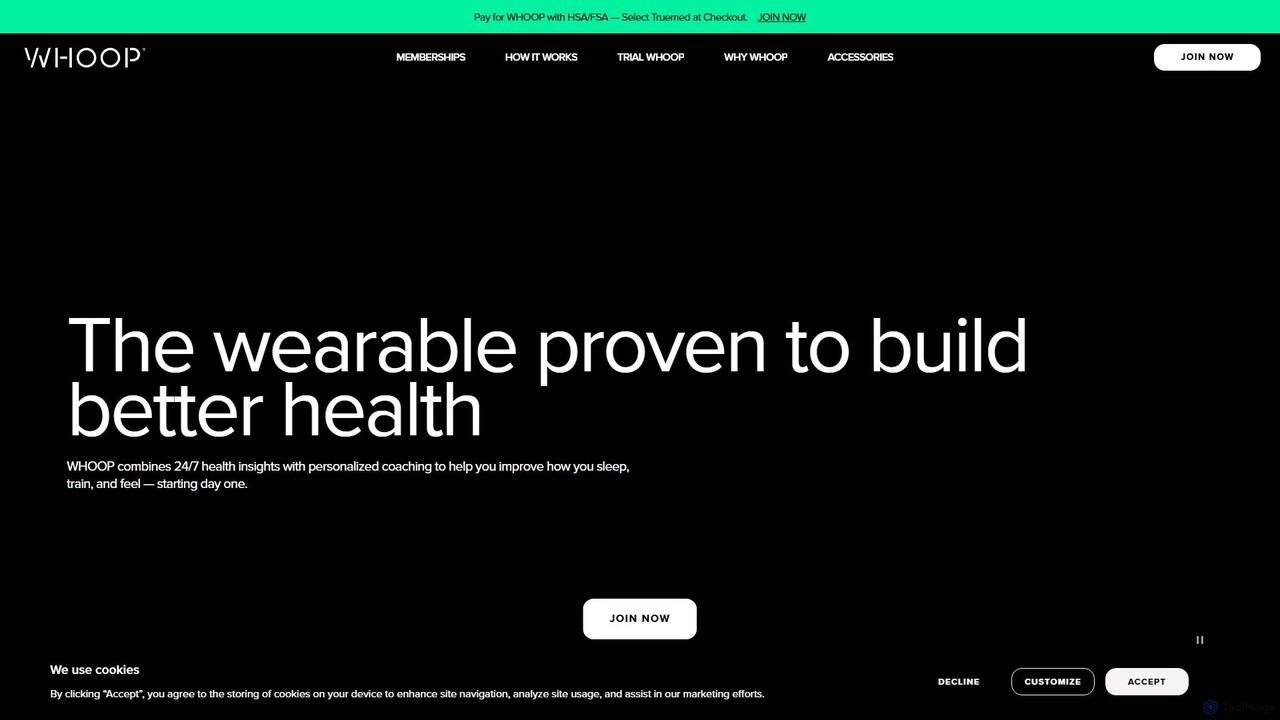
WHOOP is a 24/7 wearable health and fitness coach that provides personalized insights into your sleep, strain, stress, and recovery. It combines a screen-free device with a powerful app to help you optimize performance, improve health, and extend your healthspan with actionable data and AI-powered coaching.

3D
Visits 6.2MFavorites 122Likes 149
aabo
Paid

aabo

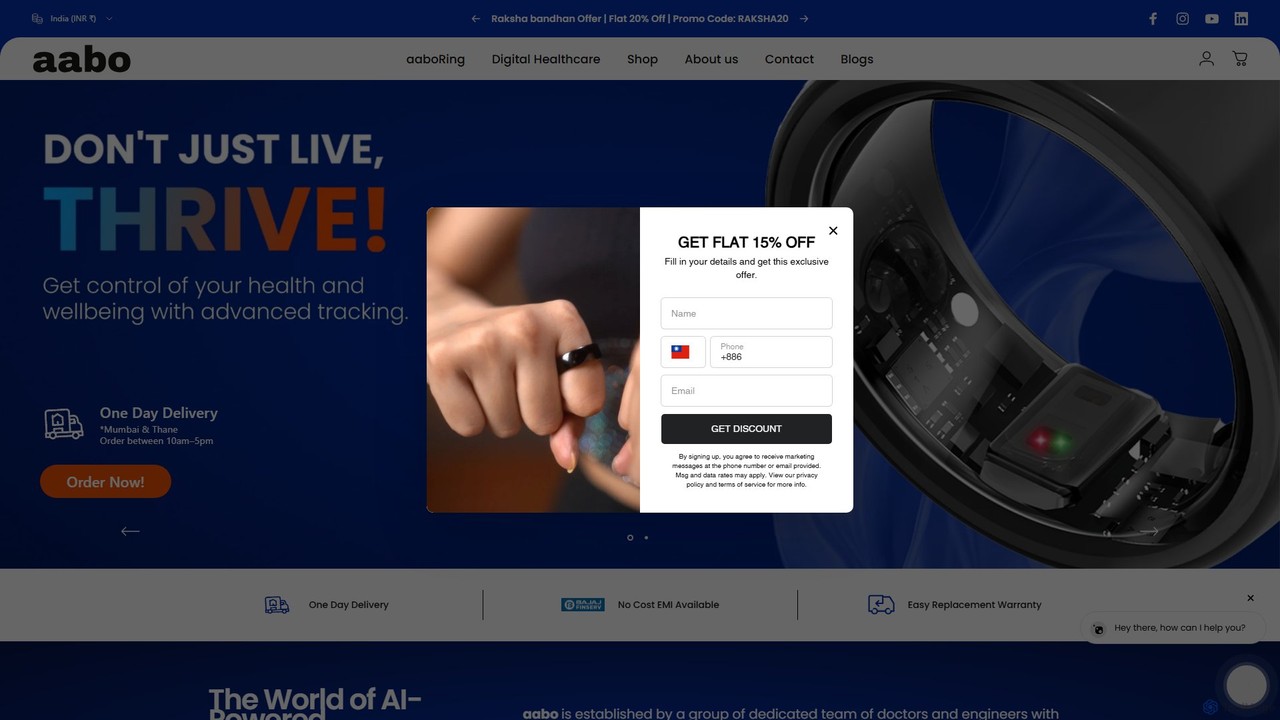
aabo is an AI-powered health-tech company offering the aaboRing, a smart ring for real-time health monitoring. It tracks key vitals like sleep stages, stress levels, heart rate, and body temperature. The companion app provides personalized, AI-driven insights and recommendations to help users improve sleep, manage stress, and optimize physical activity, making advanced digital healthcare accessible and affordable.

Data Analysis
Visits 19.2KFavorites 119Likes 120

About Wearables

Wearables are AI-powered devices designed to be worn on the body, continuously collecting and analyzing physiological and environmental data. These tools leverage advanced AI algorithms to transform raw data into personalized health insights, offering real-time feedback and predictive analytics. They empower users to proactively manage their fitness, monitor vital signs, and detect potential health anomalies, significantly contributing to personal well-being within the broader health tech landscape.

Core Features

  • Continuous Health Monitoring: Tracks vital signs like heart rate, sleep patterns, blood oxygen, and activity levels throughout the day.
  • Personalized Insights & Coaching: AI analyzes data to provide tailored recommendations for fitness, sleep improvement, and stress management.
  • Anomaly Detection: Identifies unusual patterns in health data that might indicate potential health issues, prompting early intervention.
  • Activity & Fitness Tracking: Accurately measures steps, calories burned, distance, and recognizes various exercise types.
  • Stress & Recovery Analysis: Monitors physiological markers to assess stress levels and guide recovery strategies.

Use Cases

Individuals seeking to optimize their fitness routines can use AI wearables for detailed workout analysis and recovery guidance. For those managing chronic conditions, these devices offer continuous monitoring of key health indicators, providing valuable data for healthcare providers. Additionally, busy professionals can leverage wearables for stress management and sleep optimization, ensuring better overall health.

How to Choose

When selecting an AI wearable, consider the specific health metrics you need to track, such as heart rate variability or blood oxygen. Evaluate the accuracy and reliability of its sensors and AI algorithms, as well as its battery life and comfort for continuous wear. Compatibility with your existing health apps and the level of personalized insights offered are also crucial for maximizing its utility.

Wearables use cases

1

Optimizing Athletic Training and Recovery

Athletes and fitness enthusiasts utilize AI wearables to gain deep insights into their physical performance and recovery. These devices continuously monitor heart rate zones, VO2 max, running dynamics, and sleep quality, providing AI-driven analysis to identify overtraining risks and optimize workout intensity. By receiving personalized recovery recommendations and performance metrics, users can fine-tune their training regimens, prevent injuries, and achieve peak physical condition more effectively.

2

Proactive Chronic Disease Management

Individuals managing chronic conditions such as diabetes or hypertension benefit significantly from AI wearables. These devices offer continuous, non-invasive monitoring of key health indicators like blood glucose levels (via integrated sensors or compatible devices) or blood pressure. AI algorithms analyze these trends, alert users to significant deviations, and provide data logs that can be shared with healthcare providers, enabling more informed and proactive management of their health conditions.

3

Enhancing Sleep Quality and Analysis

Users leverage AI wearables to gain comprehensive insights into their sleep patterns and quality. These devices track sleep stages (light, deep, REM), duration, disturbances, and even blood oxygen saturation during sleep. The integrated AI analyzes this data to identify potential issues like sleep apnea indicators or poor sleep hygiene, offering personalized recommendations for improving sleep environment, habits, and overall restorative rest, leading to better daytime energy and focus.

4

Stress Management and Mental Well-being

Professionals and individuals facing high stress levels can use AI wearables for proactive stress management. These devices monitor physiological indicators such as heart rate variability (HRV) and skin conductance, which are linked to stress responses. AI algorithms interpret these metrics to provide real-time stress level assessments, offer guided breathing exercises, mindfulness prompts, or suggest breaks, helping users to recognize and mitigate stress before it escalates, thereby supporting overall mental well-being.

5

Elderly Care and Fall Detection

For seniors living independently or with limited mobility, AI wearables offer enhanced safety and peace of mind. Devices equipped with advanced accelerometers and gyroscopes can detect sudden movements indicative of a fall. AI algorithms analyze these patterns to differentiate between normal activities and actual falls, automatically triggering emergency alerts to caregivers or emergency services, along with location data. This capability significantly reduces response times in critical situations, providing vital support for elderly care.

6

Workplace Wellness Programs

Companies are increasingly integrating AI wearables into their workplace wellness programs to promote employee health and productivity. These devices can track activity levels, sleep quality, and stress indicators across a workforce (with individual consent and data privacy). AI-driven platforms can then offer personalized wellness challenges, provide insights into collective health trends, and suggest interventions to improve overall employee well-being, potentially reducing healthcare costs and absenteeism while fostering a healthier work environment.

Wearables FAQ

What are AI Wearables?

AI wearables are smart devices worn on the body that integrate artificial intelligence to collect, analyze, and interpret personal health and activity data. Unlike basic fitness trackers, they leverage AI algorithms to provide deeper, personalized insights, such as predictive health alerts, tailored coaching, and advanced anomaly detection. These tools empower users with actionable information to proactively manage their well-being, from optimizing sleep and fitness to monitoring vital signs for early detection of potential health issues.

How do I choose the best AI wearable for my needs?

Choosing the right AI wearable involves considering several factors. First, identify your primary health goals, whether it's fitness tracking, sleep analysis, stress management, or specific health monitoring. Second, evaluate the accuracy and range of sensors, ensuring they track the metrics most important to you, like ECG, SpO2, or skin temperature. Third, assess the AI's ability to provide actionable insights and personalized recommendations, not just raw data. Finally, consider battery life, comfort, water resistance, and compatibility with your smartphone or other health platforms for a seamless user experience.

What's the difference between AI wearables and general health apps?

AI wearables differ from general health apps primarily in their data collection and analysis capabilities. Wearables actively and continuously collect real-time physiological data directly from your body, such as heart rate, sleep stages, and activity levels, often with high precision. General health apps, while useful for logging data or providing information, typically rely on manual input or smartphone sensors, which offer less comprehensive or continuous data. AI in wearables then processes this rich, continuous dataset to offer more personalized, predictive, and context-aware insights, whereas apps might offer more generic advice based on broader data sets.

What specific health metrics can AI wearables track?

AI wearables are capable of tracking a wide array of health metrics, providing a comprehensive view of your well-being. Common metrics include heart rate (resting, active, and variability), sleep stages (light, deep, REM), blood oxygen saturation (SpO2), skin temperature, and activity levels (steps, calories, distance). More advanced wearables may also offer electrocardiogram (ECG) for heart rhythm analysis, blood pressure monitoring, and even stress level assessments based on physiological responses. The AI then interprets these metrics to identify trends, anomalies, and offer personalized health recommendations.

How can AI wearables contribute to preventive healthcare?

AI wearables play a crucial role in preventive healthcare by enabling continuous, passive monitoring of key health indicators. By tracking vital signs and activity patterns over time, AI algorithms can detect subtle changes or anomalies that might signal the onset of a health condition before symptoms become apparent. For example, irregular heart rhythms or significant deviations in sleep patterns can trigger alerts, prompting users to consult a doctor. This proactive approach facilitates early detection and intervention, potentially preventing the progression of diseases and promoting healthier lifestyle choices based on personalized data.