ToolMage
Sign in

Best 50 Mental Health AI tools for Health & Wellness

Popular Mental Health AI tools in Health & Wellness include Replika, Depth, soulmaite, Rosebud, talktoash, Mindsera, DreamDecoder, iprevail, Flamme, and audiodiary, helping you work more efficiently.

ZenDiary
Freemium

ZenDiary

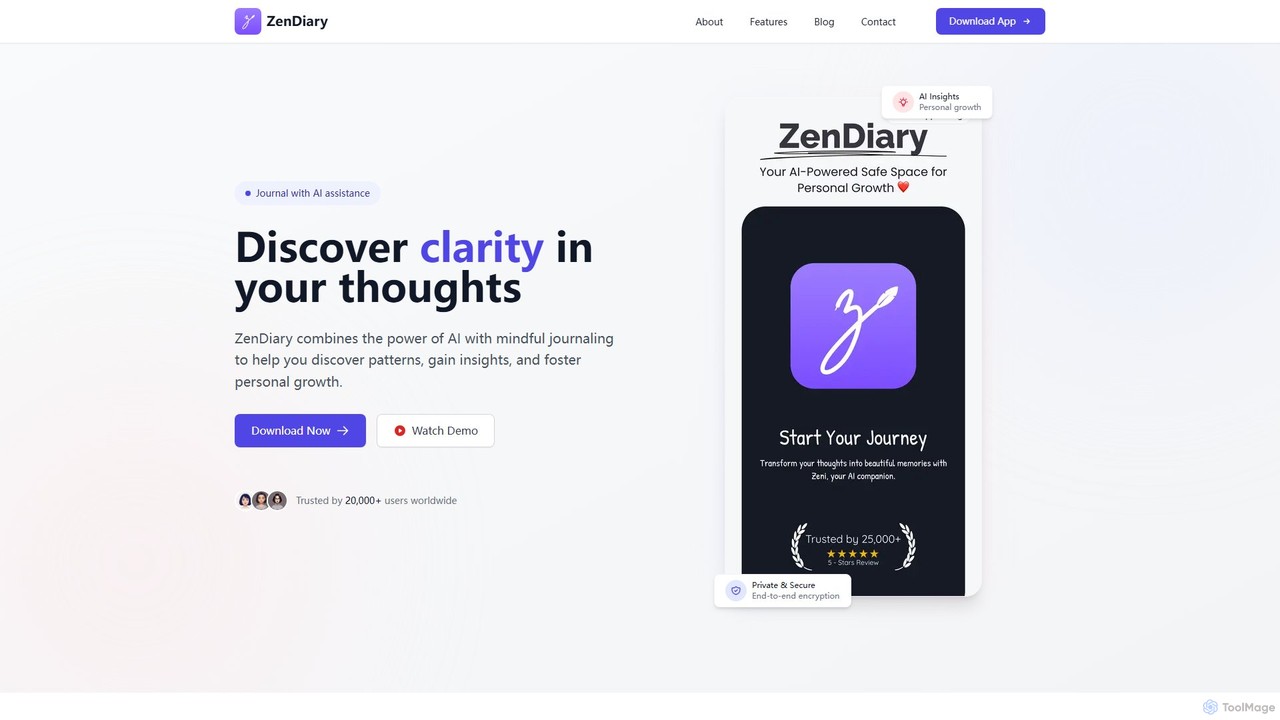
ZenDiary is an AI-powered journaling app designed for mindfulness and self-discovery. It helps you understand your thoughts and emotional patterns through personalized insights, smart prompts, and mood analytics. With a strong focus on privacy, ZenDiary acts as a secure companion for personal growth, offering guided reflections and a distraction-free writing experience.

Mental Health
Visits 9.9KFavorites 141Likes 133

audiodiary
Freemium

audiodiary

AudioDiary is an intelligent AI voice journaling app that transforms your spoken thoughts into structured, insightful entries. It automatically transcribes, analyzes, and summarizes your recordings, helping you with self-reflection, mood tracking, and personal goal setting. Available on iOS, Android, macOS, and the web, it offers a private and effortless way to maintain a diary and gain deeper self-understanding.

Mental Health
Visits 18.2KFavorites 140Likes 135

About Mental Health

Mental Health AI tools are AI-powered applications designed to support emotional well-being and mental health management. These tools leverage machine learning, natural language processing, and data analytics to offer personalized support, insights, and interventions. They provide accessible, confidential, and often immediate resources for individuals seeking to improve their mental well-being or manage specific conditions, complementing traditional care.

Core Features

  • Mood Tracking & Analysis: Monitors emotional states over time, identifying patterns and triggers.
  • Personalized Coping Strategies: Offers tailored exercises, mindfulness techniques, or cognitive behavioral therapy (CBT) prompts.
  • Virtual Coaching & Support: Provides conversational interfaces for guided self-help or therapeutic exercises.
  • Stress & Anxiety Management: Delivers guided meditations, breathing exercises, and relaxation techniques.
  • Crisis Resource Integration: Connects users to emergency services or professional help when needed.

Use Cases

Individuals utilize these tools for daily mood management, stress reduction, and self-improvement. Mental health professionals can integrate them to augment patient care, offering supplementary support and data insights between sessions. Employers also deploy them as part of employee wellness programs to foster a supportive work environment.

How to Choose

When selecting a Mental Health AI tool, prioritize data privacy and security, ensuring compliance with health regulations. Look for evidence-based approaches or clinical validation, personalization capabilities, and a user-friendly interface. Consider integration options with professional care and the availability of crisis support features.

Featured tool rankings

Mental Health use cases

1

Personalized Stress & Anxiety Management

Individuals experiencing daily stress or anxiety can use AI mental health tools to receive personalized coping mechanisms. The AI analyzes user input, such as mood logs and reported stressors, to suggest tailored breathing exercises, guided meditations, or journaling prompts. This helps users proactively manage their emotional state and develop healthier responses to triggers, improving overall resilience.

2

Automated Mood Tracking & Pattern Identification

Users can regularly log their moods, thoughts, and daily activities into an AI mental health application. The AI then processes this data to identify long-term emotional patterns, potential triggers, and correlations between lifestyle factors and mood fluctuations. This provides valuable self-awareness, enabling users to understand their mental state better and discuss insights with a therapist if applicable.

3

Virtual Cognitive Behavioral Therapy (CBT) Support

For those seeking structured therapeutic guidance, AI tools offer virtual CBT exercises. These applications guide users through cognitive restructuring techniques, helping them identify and challenge negative thought patterns. They provide interactive modules and prompts that reinforce CBT principles, making therapeutic approaches more accessible and allowing users to practice skills at their own pace outside of traditional therapy sessions.

4

Mindfulness & Meditation Guidance

AI mental health tools provide a wide array of guided mindfulness and meditation sessions. Based on user preferences, stress levels, or specific goals (e.g., better sleep, focus), the AI curates and delivers appropriate audio or video content. This helps users cultivate present-moment awareness, reduce rumination, and improve emotional regulation, making mindfulness practices more consistent and personalized.

5

Early Detection of Mental Health Changes

By continuously monitoring user-reported data, such as mood swings, sleep patterns, and activity levels, AI tools can detect subtle shifts that might indicate emerging mental health concerns. The AI can then gently prompt users to reflect, suggest self-care strategies, or recommend seeking professional advice, acting as an early warning system to encourage timely intervention.

6

Augmenting Professional Mental Healthcare

Mental health professionals can integrate AI tools into their practice to extend support beyond clinic hours. These tools can provide patients with supplementary exercises, track their progress between sessions, and gather data on mood and symptom fluctuations. This data offers therapists deeper insights, enabling more informed discussions and personalized treatment adjustments, enhancing the effectiveness of human-led therapy.

Mental Health FAQ

What are AI Mental Health tools?

AI Mental Health tools are software applications that use artificial intelligence, such as natural language processing and machine learning, to support mental well-being. They offer features like mood tracking, personalized coping strategies, guided meditations, and virtual coaching to help individuals manage stress, anxiety, depression, and other mental health concerns, often complementing traditional therapy.

How do AI Mental Health tools work?

These tools typically work by collecting user data (e.g., mood logs, journal entries, responses to prompts) and using AI algorithms to analyze patterns, identify triggers, and provide personalized feedback or interventions. They can simulate therapeutic conversations, offer evidence-based exercises (like CBT or mindfulness), and adapt content based on individual progress and needs, learning over time to offer more relevant support.

Are AI Mental Health tools safe and private?

Reputable AI Mental Health tools prioritize user safety and data privacy. They often employ encryption, comply with health data regulations (like HIPAA or GDPR), and clearly outline their data usage policies. However, it's crucial for users to research and choose tools from trusted developers, understand their privacy settings, and be aware that AI tools are not a substitute for professional crisis intervention.

How to choose the right AI Mental Health tool?

When selecting an AI Mental Health tool, consider its clinical backing or evidence-based methodologies, data privacy policies, and the specific features it offers (e.g., CBT modules, meditation library, mood tracking). Evaluate user reviews, ease of use, and whether it integrates with professional care. Also, check if it provides resources for crisis situations and aligns with your personal mental health goals.

Can AI Mental Health tools replace human therapists?

No, AI Mental Health tools are generally designed to complement, not replace, human therapists. While they can provide accessible support, self-help exercises, and valuable insights, they lack the empathy, nuanced understanding, and complex decision-making capabilities of a trained human professional. For severe conditions, crisis intervention, or complex therapeutic needs, human therapy remains essential.