ToolMage
Sign in

Best 2 Skincare AI tools for Health & Wellness

Popular Skincare AI tools in Health & Wellness include Beauty.AI and GlowPro, helping you work more efficiently.

GlowPro
Freemium

GlowPro

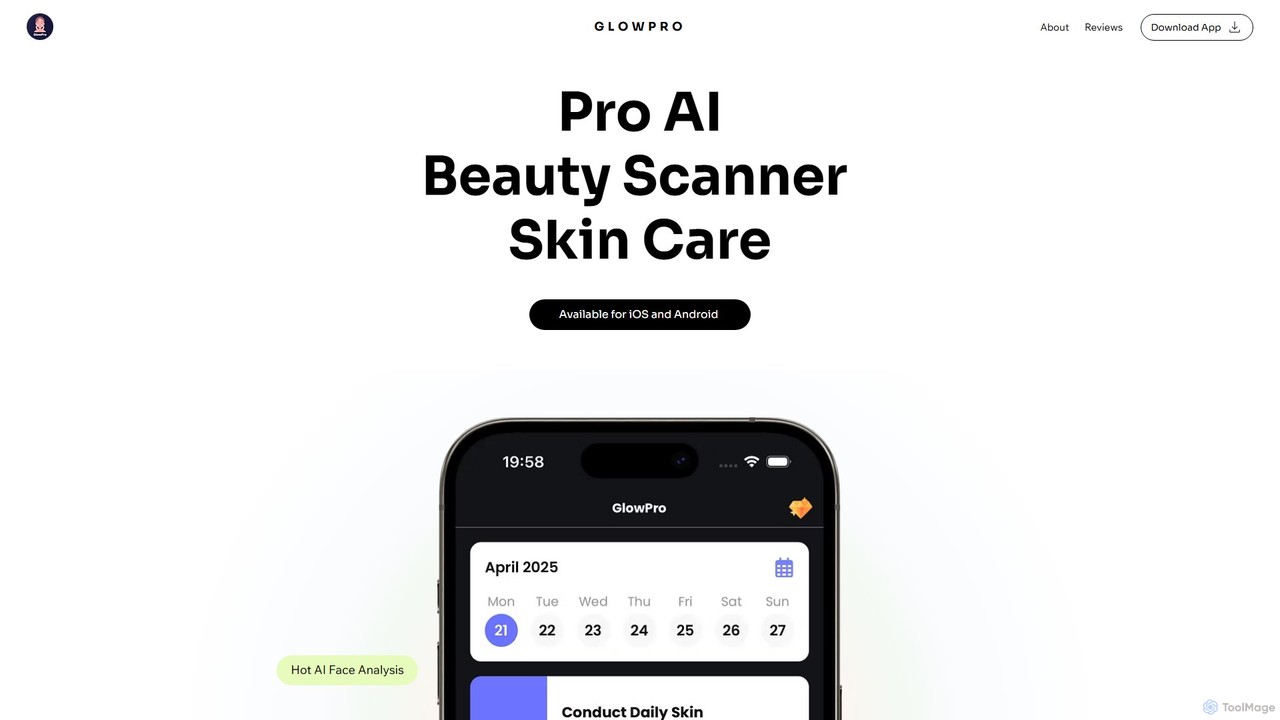
GlowPro is an AI-powered skincare assistant available for iOS and Android. It uses your phone's camera to perform a detailed skin analysis, identifying issues like acne, wrinkles, and dark spots. Based on the scan, it generates a personalized daily skincare routine, recommends products, and allows you to track your skin's improvement over time with a before-and-after comparison feature.

Skincare
Visits 6KFavorites 131Likes 122
Beauty.AI
Free

Beauty.AI

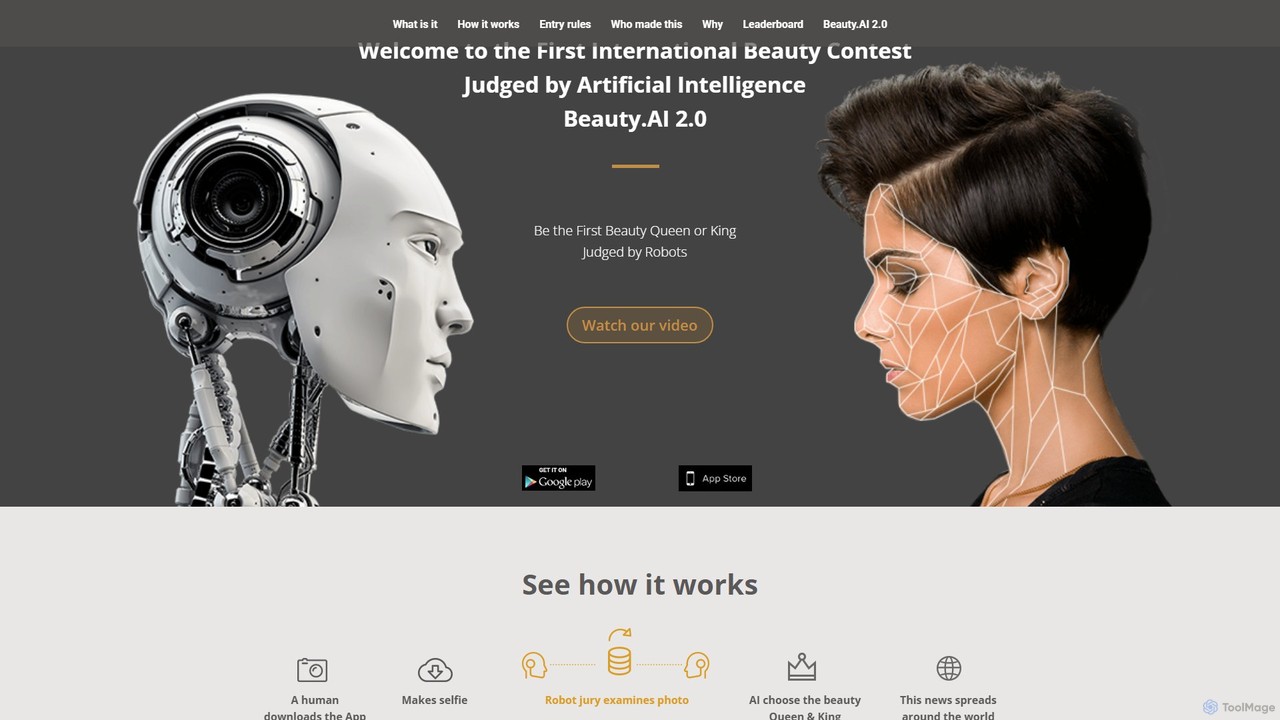
Beauty.AI is a pioneering platform that hosted the world's first international beauty contest judged by artificial intelligence. It uses advanced algorithms to analyze facial features from selfies, aiming to find objective links between perceived beauty, health, and aging.

Contests
Visits 11.7KFavorites 130Likes 125

About Skincare

AI Skincare tools are advanced applications that leverage artificial intelligence to analyze individual skin conditions and provide personalized care recommendations. As a specialized segment within Health & Wellness, these tools utilize sophisticated computer vision and machine learning algorithms to meticulously assess various skin attributes, from texture, tone, and hydration levels to specific concerns like acne, wrinkles, pigmentation, and sensitivity. Their primary value lies in offering data-driven, tailored product suggestions, optimizing daily routines, and tracking skin health progress, thereby moving beyond generic advice to highly individualized and proactive skincare solutions for enhanced well-being.

Core Features

  • Detailed Skin Analysis: Employs advanced image processing and AI models to accurately identify and quantify skin concerns such as fine lines, pores, redness, dark spots, and uneven texture.
  • Personalized Product Recommendations: Suggests specific skincare products, ingredients, and brands best suited for the user's unique skin profile, concerns, and even environmental factors.
  • Optimized Routine Planning: Generates customized daily and weekly skincare routines, detailing product application order, timing, and complementary treatments for maximum efficacy.
  • Progress Tracking & Monitoring: Allows users to consistently track changes in their skin over time through comparative analysis, evaluating the effectiveness of their current regimen and making data-backed adjustments.
  • Virtual Product Try-on: Offers augmented reality features, enabling users to visualize how makeup or certain skincare products might look on their face before making a purchase decision.

Applicable Scenarios

These AI-powered tools are invaluable for individual users seeking data-driven, personalized skincare solutions, helping them navigate the vast product market and optimize their routines without constant expert consultation. For dermatologists and estheticians, integrating AI analysis can enhance diagnostic precision, provide objective client progress monitoring, and support evidence-based treatment plans. Skincare brands also extensively utilize AI for consumer insights, personalized marketing campaigns, and even in the research and development phase to formulate products that precisely meet specific customer needs and predict efficacy.

How to Choose

When selecting an AI Skincare tool, prioritize the accuracy and depth of its skin analysis capabilities, which often depend on the quality of the AI model, its training data, and the clarity of image capture. Consider the breadth and relevance of its product recommendation database, ensuring it aligns with your personal preferences (e.g., clean beauty, specific brands, budget). Evaluate the user interface for ease of use, intuitive navigation, and the tool's ability to track progress effectively with clear visualizations. Furthermore, critically review data privacy and security policies, as these tools handle sensitive personal health information, and assess compatibility with your devices or other health apps.

Skincare use cases

1

Personalized Daily Skincare Routine Planning

An individual user, overwhelmed by countless products, utilizes an AI Skincare tool by uploading a selfie and answering a few questions about their lifestyle. The AI analyzes their skin type, concerns (e.g., dryness, oiliness, fine lines), and local environmental data, then generates a step-by-step daily and nightly routine, recommending specific products and their application order, saving time and reducing guesswork.

2

Early Detection of Potential Skin Concerns

A user regularly scans their face with an AI Skincare app. The AI, trained on vast datasets of skin conditions, identifies subtle changes in redness, texture, or pigmentation that might indicate early signs of acne breakouts, sun damage, or irritation. This proactive detection allows the user to adjust their routine or seek professional advice before issues become more pronounced.

3

Targeted Product Recommendation for Specific Needs

Someone with sensitive, acne-prone skin struggles to find suitable products. They input their concerns into an AI Skincare tool. The AI filters through thousands of products, cross-referencing ingredients known to exacerbate sensitivity or acne, and recommends a curated list of hypoallergenic, non-comedogenic options, significantly narrowing down choices and preventing adverse reactions.

4

Tracking Skin Health Progress Over Time

After starting a new anti-aging serum, a user wants to monitor its effectiveness. They use an AI Skincare tool to take weekly scans. The AI quantitatively measures improvements in wrinkle depth, skin firmness, and overall radiance, providing visual progress reports and data-backed insights, helping the user decide if the product is working or if adjustments are needed.

5

Virtual Try-on for Makeup and Skincare Products

Before purchasing a new foundation or lipstick online, a consumer uses an AI Skincare tool's augmented reality feature. By overlaying virtual products onto their live camera feed, they can see how different shades match their skin tone or how a new serum might visually improve their complexion, enhancing confidence in their purchase decision.

6

Skincare Product Formulation & Efficacy Testing for Brands

A cosmetic R&D team is developing a new moisturizer. They use AI Skincare simulation tools to analyze how different ingredient combinations might interact with various skin types and predict their efficacy in addressing concerns like hydration or barrier repair. This allows for rapid iteration of formulations, reducing the need for extensive physical testing and accelerating product development cycles.

Skincare FAQ

What are AI Skincare tools and how do they work?

AI Skincare tools are digital applications or devices that use artificial intelligence, primarily computer vision and machine learning, to analyze your skin's condition and provide personalized recommendations. They work by capturing images of your skin, often via a smartphone camera, and then processing these images through algorithms trained on vast datasets of skin types, conditions, and product information. This allows them to identify concerns like redness, pores, wrinkles, or pigmentation, and subsequently suggest tailored products, routines, or lifestyle adjustments based on the analysis.

How accurate are AI Skincare tools compared to professional dermatologists?

AI Skincare tools offer a high degree of accuracy in identifying common skin concerns and providing personalized product recommendations, often leveraging extensive data that a human might not process as quickly. However, they are generally designed to complement, not replace, professional dermatologists. While AI can detect patterns and suggest solutions, a dermatologist provides medical diagnosis, can prescribe treatments, and offers nuanced advice based on a comprehensive understanding of your overall health. AI tools are excellent for routine monitoring and personalized product guidance, but for complex or persistent skin issues, professional medical consultation remains essential.

Can AI Skincare tools help with specific conditions like acne, eczema, or anti-aging?

Yes, AI Skincare tools can be highly beneficial for managing and improving specific conditions like acne, eczema, or signs of aging. For acne, they can identify breakout patterns, recommend non-comedogenic products, and track the effectiveness of treatments. For anti-aging, they can measure wrinkle depth, skin elasticity, and pigmentation, suggesting ingredients and routines to mitigate these concerns. While they can provide valuable insights and personalized regimens, for severe or chronic conditions, they should be used in conjunction with advice from a healthcare professional, as they cannot diagnose or prescribe medication.

What factors should I consider when choosing an AI Skincare app or device?

When selecting an AI Skincare app or device, several factors are crucial. First, assess the accuracy and depth of its skin analysis, looking for tools that provide detailed reports on various parameters. Second, consider the breadth and quality of its product recommendation database, ensuring it aligns with your preferences and offers relevant options. Third, evaluate the user interface and ease of use, as consistent interaction is key for tracking progress. Fourth, prioritize data privacy and security policies, as these tools handle sensitive personal information. Finally, check for compatibility with your devices and any integration capabilities with other health or wellness platforms you use.

Do AI Skincare tools require special equipment, or can I use my smartphone?

Most modern AI Skincare tools are designed to be highly accessible and can be effectively used with just your smartphone camera. These apps leverage advanced computer vision algorithms to analyze high-resolution images captured by your phone. While some premium AI Skincare devices might offer enhanced sensors for more detailed analysis (e.g., measuring hydration or oil levels more precisely), many users find excellent value and accurate insights from smartphone-only solutions. The key is often good lighting and following the app's instructions for consistent image capture to ensure reliable results.