Health Best in category 7 results Wellness Tracking AI Tool

Popular AI tools in the Wellness Tracking field of Health include FlowTunes、Rejuve.AI、Miri AI、Magicflow、Health Pocket、Slumbr、Gala, etc., helping you quickly improve efficiency.

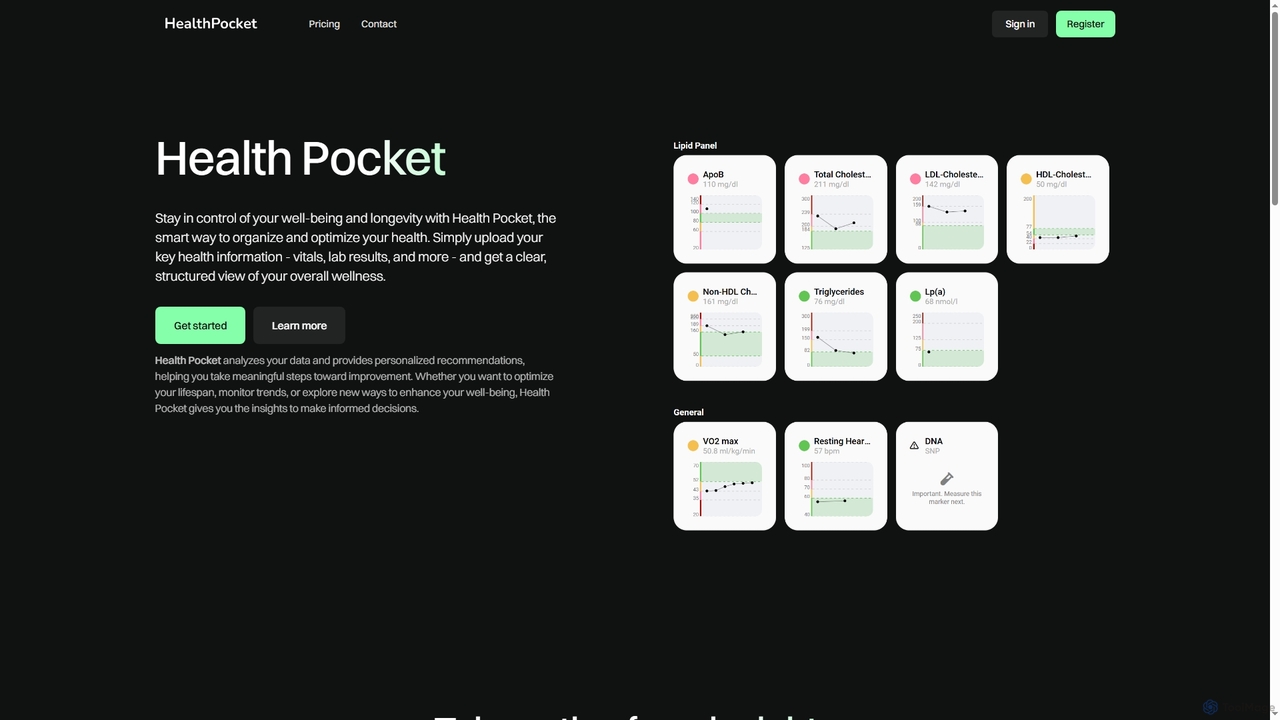
Health Pocket

Health Pocket

Health Pocket is a smart digital platform designed to help individuals organize, understand, and optimize their health data. …

3.8K
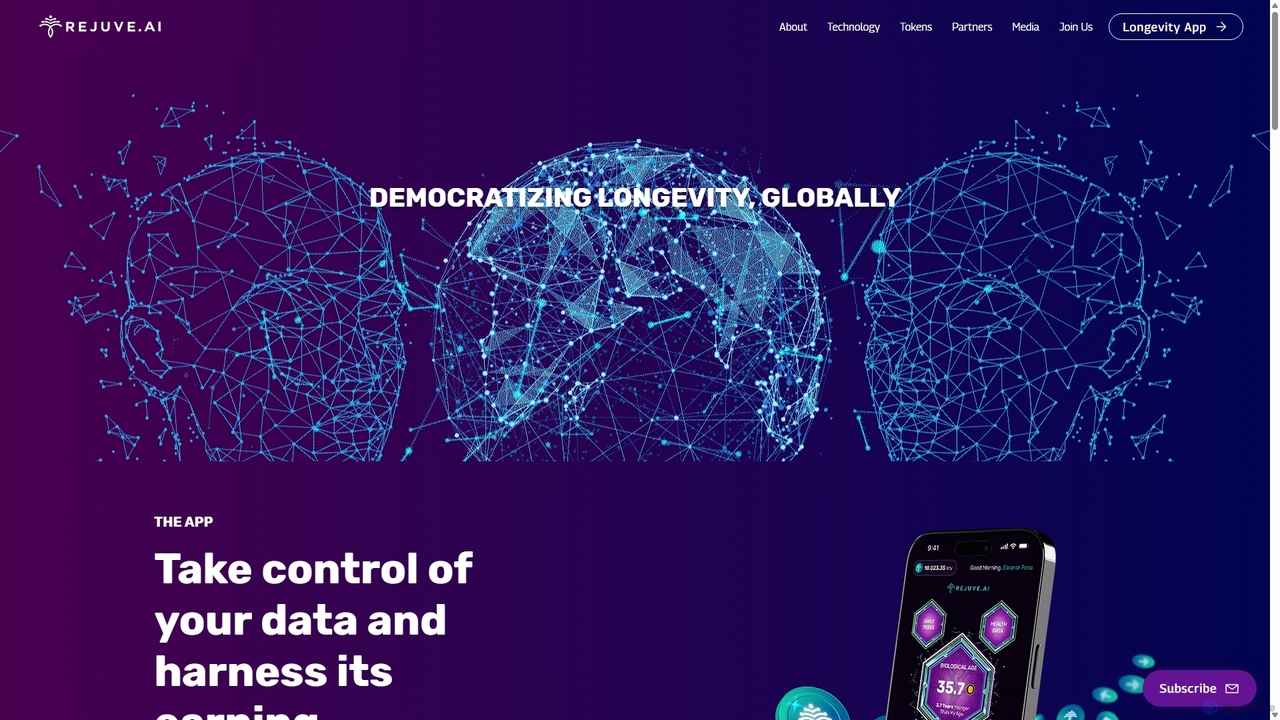
Rejuve.AI

Rejuve.AI

Rejuve.AI is a decentralized, AI-powered network dedicated to longevity research. Through its Longevity App, users contribute health data, …

22.6K
Slumbr

Slumbr

Slumbr is an AI-powered wellness tool that generates personalized bedtime stories, guided meditations, and calming soundscapes. It creates …

3.2K
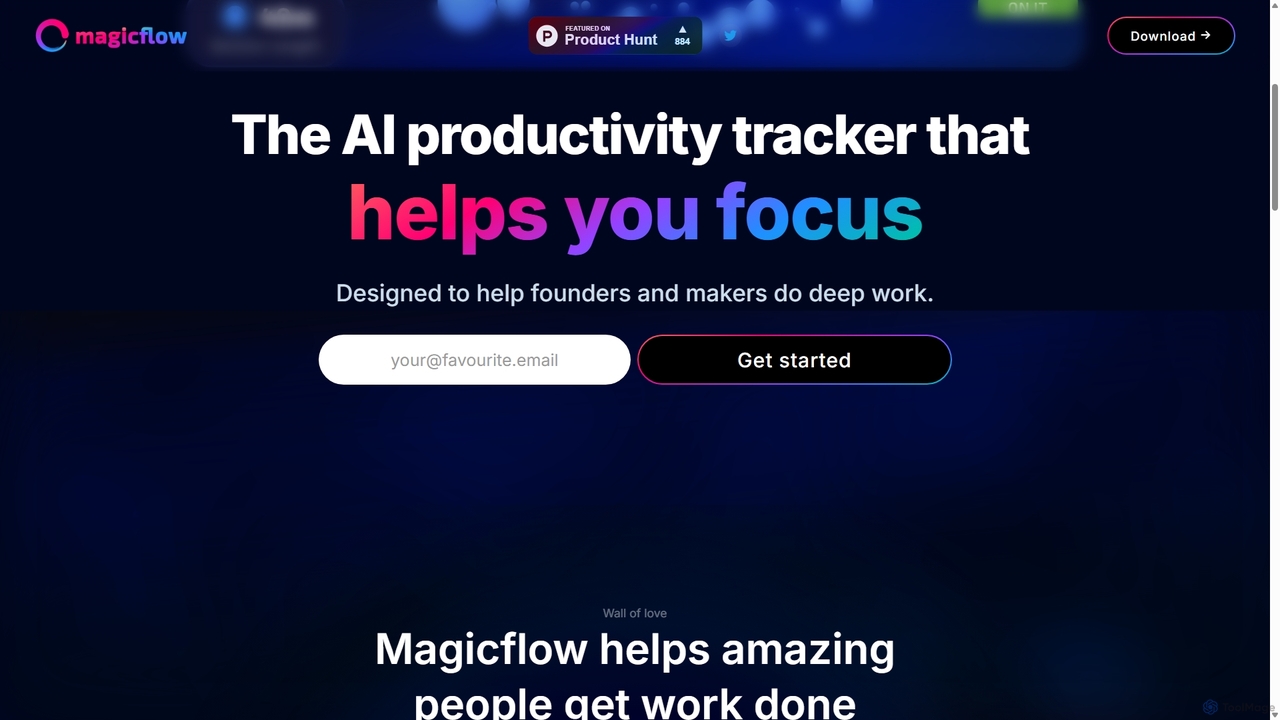
Magicflow

Magicflow

Magicflow is your personal AI productivity coach, designed to help you achieve deep focus and optimize your work …

6.3K
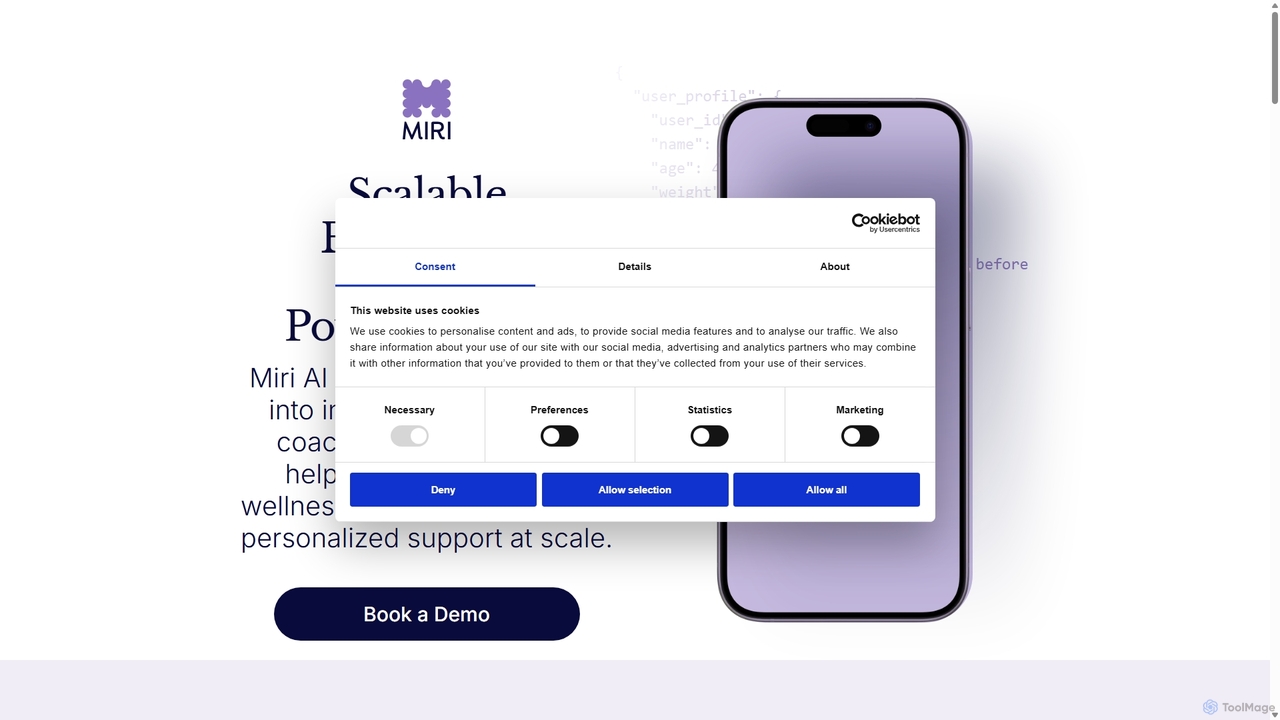
Miri AI

Miri AI

Miri AI is an advanced AI-powered health companion designed to provide personalized wellness guidance, symptom analysis, and mental …

6.8K
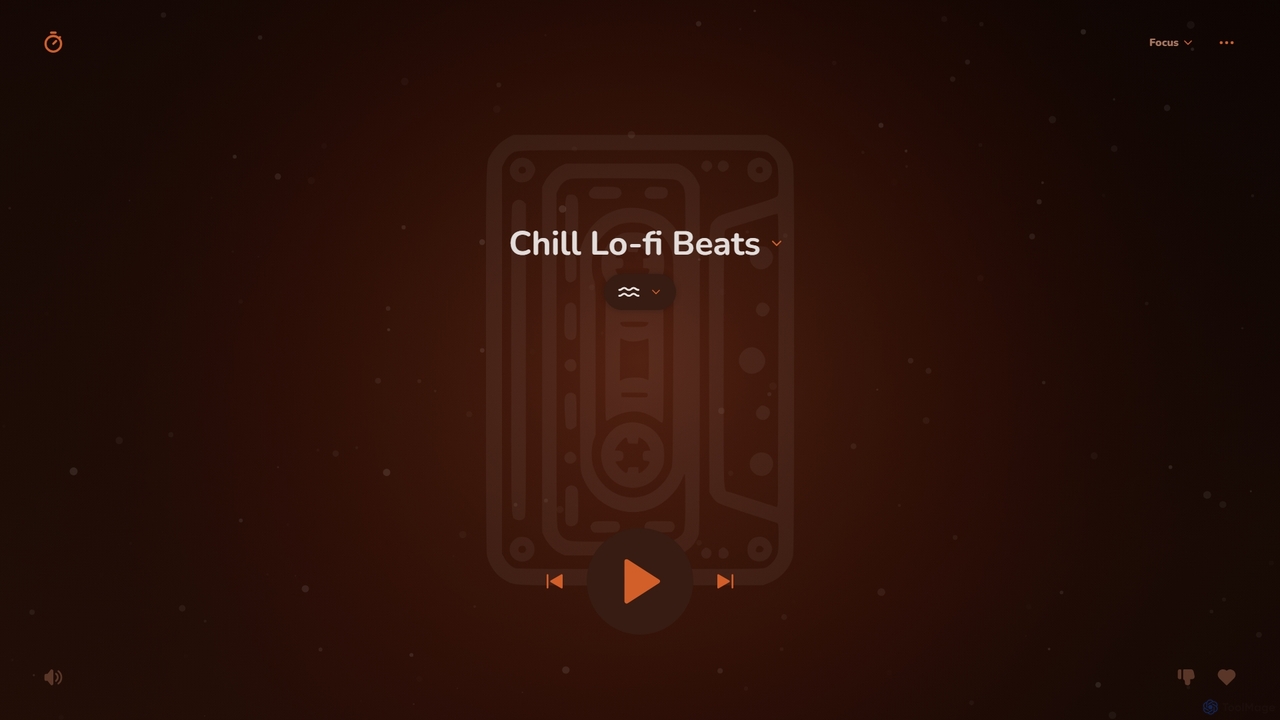
FlowTunes

FlowTunes

FlowTunes is an AI-powered music and soundscape generator designed to enhance focus, productivity, and relaxation. It provides endless, …

121.4K
Gala

Gala

Gala is a telehealth platform offering personalized, doctor-supervised weight loss programs. It provides access to GLP-1 medications through …

3.2K

About Wellness Tracking

AI Wellness Tracking tools are applications that analyze personal health data to provide actionable insights for improving well-being. Using machine learning, they interpret metrics from wearables and user logs, such as sleep patterns, heart rate variability (HRV), and activity levels. Their primary value lies in transforming raw data into personalized recommendations for optimizing sleep, managing stress, and enhancing physical performance. This proactive approach helps users understand the connections between their daily habits and overall health outcomes.

Core Features

  • Personalized Insights: The AI analyzes your unique data to provide tailored advice, moving beyond generic health tips.
  • Predictive Trend Analysis: Identifies patterns to forecast potential issues like burnout risk, fatigue, or disruptions to your circadian rhythm.
  • Multi-Source Data Integration: Consolidates information from smartwatches, fitness bands, and manual logs for a comprehensive health overview.
  • Behavioral Pattern Recognition: Detects habits, such as late-night caffeine intake or screen time, and correlates them with wellness metrics like sleep quality.
  • Holistic Health Scoring: Generates simple, understandable scores (e.g., Readiness, Sleep Score) to summarize complex data for quick daily check-ins.

Applicable Scenarios

These tools are ideal for individuals focused on performance optimization, such as athletes or executives, who need to manage recovery and stress. They are also valuable for anyone seeking to improve specific health areas like sleep quality or energy levels. In a corporate setting, they can be part of wellness programs to support employee health and reduce burnout by providing data-driven personal care strategies.

Selection Criteria

When choosing a Wellness Tracking tool, first consider its compatibility with your existing devices (e.g., Apple Watch, Oura Ring, Garmin). Evaluate the tool's specific focus—whether it excels in sleep analysis, stress management, or athletic recovery—to align with your primary goals. Scrutinize the privacy policy to understand how your sensitive health data is handled. Finally, assess the quality and actionability of the insights; a good tool offers clear, practical advice, not just complex charts.

Wellness TrackingUse Cases

1

Optimize Sleep for Peak Cognitive Performance

An executive preparing for a critical presentation uses an AI wellness tracker to improve mental clarity. The tool integrates data from their smart ring, analyzing sleep stages, body temperature, and heart rate variability (HRV). The AI identifies that late-evening screen time is disrupting their deep sleep. Based on this, it suggests a 'wind-down' routine starting 60 minutes before bed, including reading and avoiding blue light. After a week of following the personalized advice, their deep sleep duration increases by 25%, and their reported morning focus improves significantly, leading to a more confident and effective presentation.

2

Manage Stress and Prevent Employee Burnout

A project manager notices increasing team fatigue during a high-pressure project. They use a wellness tracking app that monitors stress levels through HRV and self-reported mood logs. The AI detects a recurring pattern of high stress scores on Thursdays, correlating with weekly deadline pressures. The app proactively suggests short, guided breathing exercises for the team on Thursday mornings. By implementing this small change, the manager observes a 15% reduction in average stress scores on those days and receives positive feedback about improved team morale and focus, helping to prevent project burnout.

3

Personalize Fitness Training Based on Daily Readiness

An amateur athlete uses a wellness tracker to balance their training load and recovery. Each morning, the app provides a 'Readiness Score' based on sleep quality, HRV, and recent activity strain. If the score is high, the app might suggest a high-intensity interval training (HIIT) session. If the score is low due to poor sleep, it recommends a lighter activity like yoga or a rest day. This AI-driven guidance helps the athlete avoid overtraining, reduce injury risk, and ensure their workouts are always aligned with their body's actual capacity to perform, leading to more consistent progress.

4

Identify Dietary Triggers Affecting Energy Levels

A user experiencing midday energy slumps uses a wellness app to log their meals and energy levels throughout the day. By integrating this with activity data from their smartwatch, the AI model identifies a correlation between high-carbohydrate lunches and a sharp drop in energy and activity around 2 PM. The app suggests experimenting with lunches balanced with more protein and healthy fats. The user follows the advice and notices a sustained energy level in the afternoons, improving their productivity and overall feeling of well-being without drastic dietary changes.

5

Understand and Adapt to Menstrual Cycle Phases

A user tracks their menstrual cycle, mood, and physical symptoms in a wellness app. The AI analyzes this data alongside sleep and activity metrics to provide phase-specific insights. For example, during the luteal phase, it might explain why sleep quality can decrease and suggest prioritizing rest and consuming magnesium-rich foods. During the follicular phase, it might highlight potentially higher energy levels, recommending scheduling more intense workouts. This helps the user understand their body's natural rhythms, reduce frustration with hormonal fluctuations, and proactively adapt their lifestyle for better well-being throughout the month.

6

Proactively Monitor Health for Early Warning Signs

An individual uses a wellness tracker that monitors resting heart rate (RHR) and respiratory rate during sleep. The AI establishes a personalized baseline for these metrics. One morning, the app alerts them that their RHR and respiratory rate were significantly elevated overnight, even though they feel fine. This deviation from their baseline can be an early indicator of the body fighting off an illness. Acting on this early warning, they decide to prioritize rest and hydration for the day, potentially reducing the severity or duration of an impending sickness before major symptoms appear.

Wellness TrackingFrequently Asked Questions