ToolMage
Sign in

Best 80 Health & Wellness AI tools

Popular Health & Wellness AI tools include Brain.fm, Qoves, Sexpositions.club, Replika, Bloom Stories, Selfgazer, Depth, soulmaite, Rosebud, and talktoash, helping you work more efficiently.

The Cognity
Freemium

The Cognity

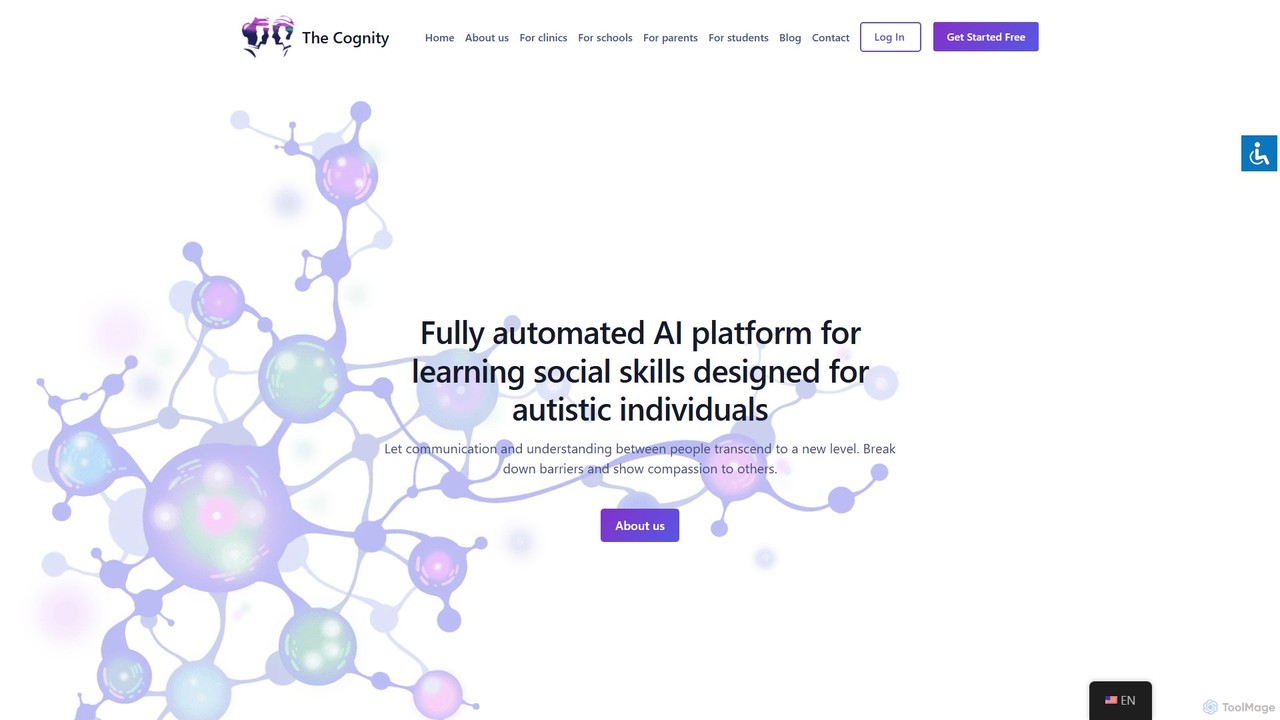
The Cognity is a fully automated AI platform designed to help autistic individuals learn and train social skills. It provides personalized learning journeys, practical exercises with automated feedback, and a dedicated administration panel for therapists to enhance therapy sessions and track progress.

Special Needs
Visits 6KFavorites 154Likes 151
Pagefelt
Freemium

Pagefelt

Pagefelt is your personal AI life coach and productivity platform, powered by an advanced Emotional AI. It acts as your heart's copilot, providing interactive feedback and personalized guidance to enhance your emotional well-being, manage stress, and boost your productivity in a holistic way.

Mental Health
Visits 5.9KFavorites 139Likes 149
DermaProtect
Paid

DermaProtect

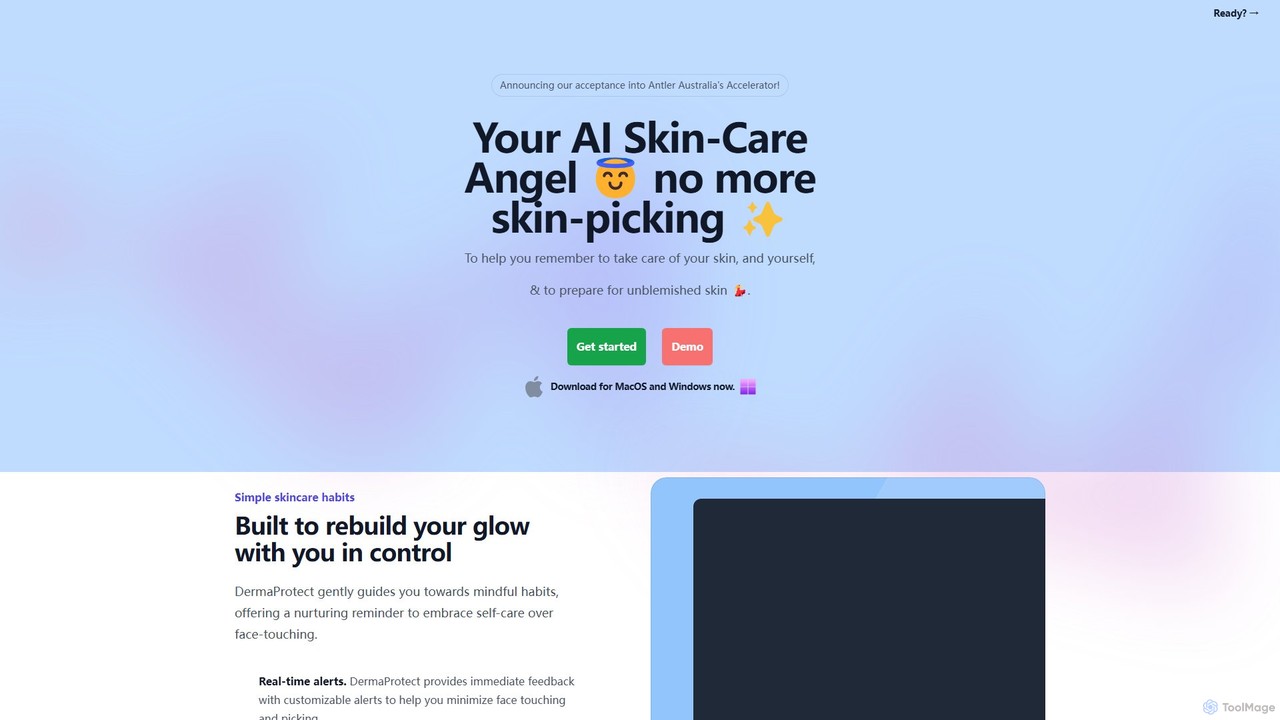
DermaProtect is an AI-powered web application designed to help individuals manage dermatillomania (compulsive skin picking). Using your device's webcam, it employs computer vision to detect face-touching behaviors in real-time and provides customizable alerts to help you break the habit. The tool is informed by dermatological research, including studies backed by CSIRO, offering a scientifically-validated approach to support your skin journey.

Computer Vision
Visits 6KFavorites 139Likes 148
ZenDiary
Freemium

ZenDiary

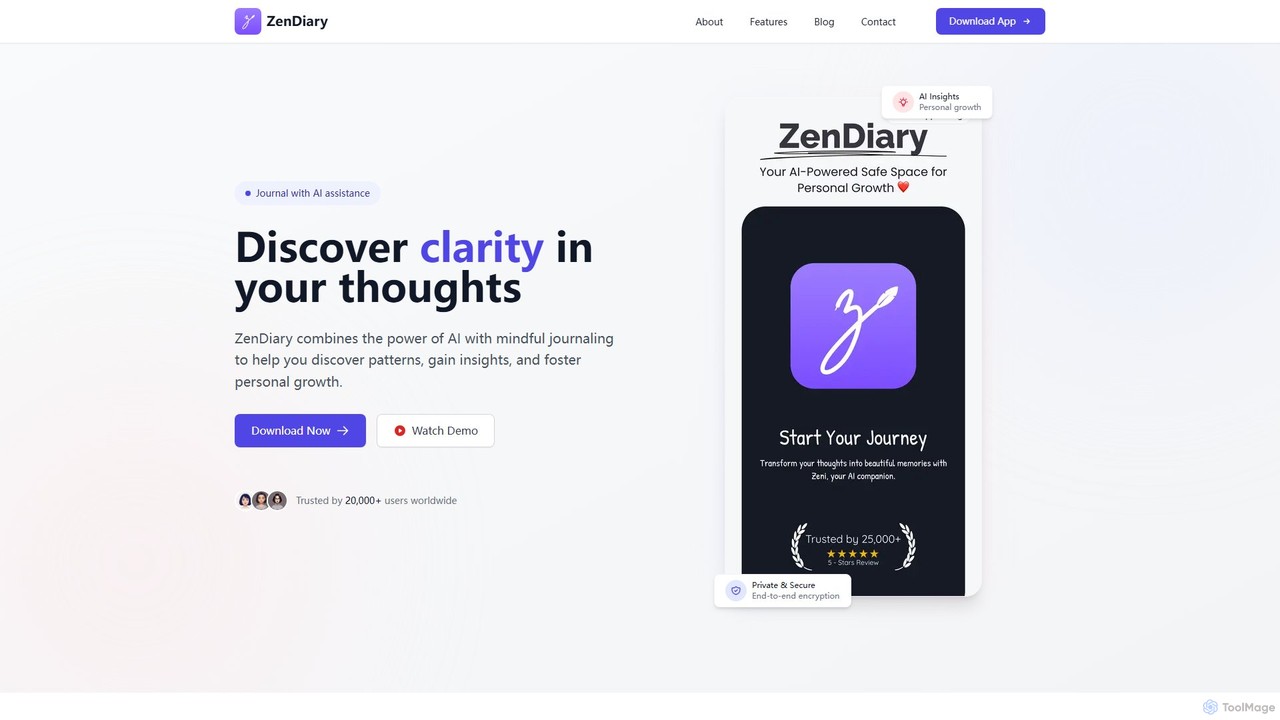
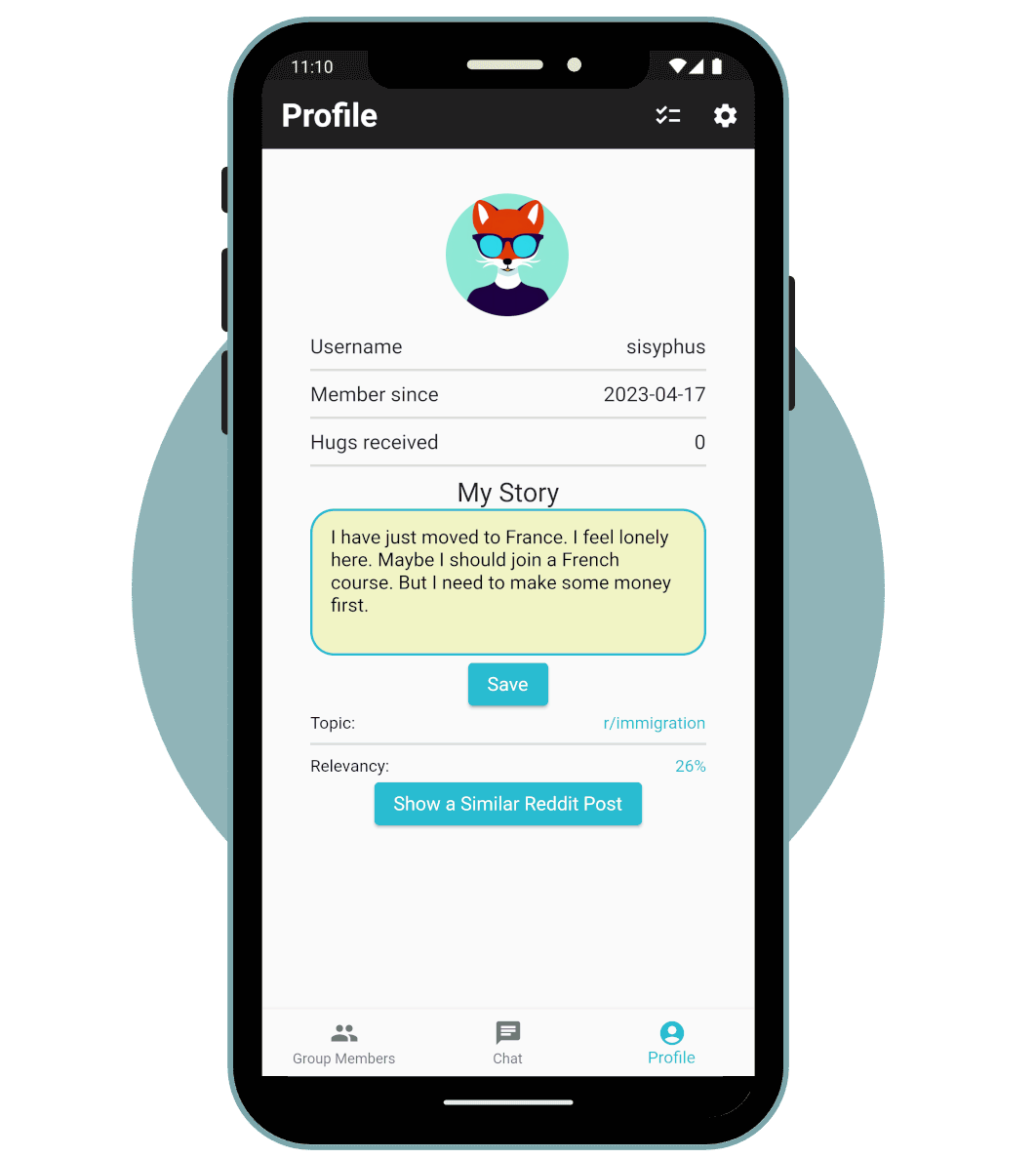
ZenDiary is an AI-powered journaling app designed for mindfulness and self-discovery. It helps you understand your thoughts and emotional patterns through personalized insights, smart prompts, and mood analytics. With a strong focus on privacy, ZenDiary acts as a secure companion for personal growth, offering guided reflections and a distraction-free writing experience.

Mental Health
Visits 9.8KFavorites 141Likes 131
HeHealth
Paid

HeHealth

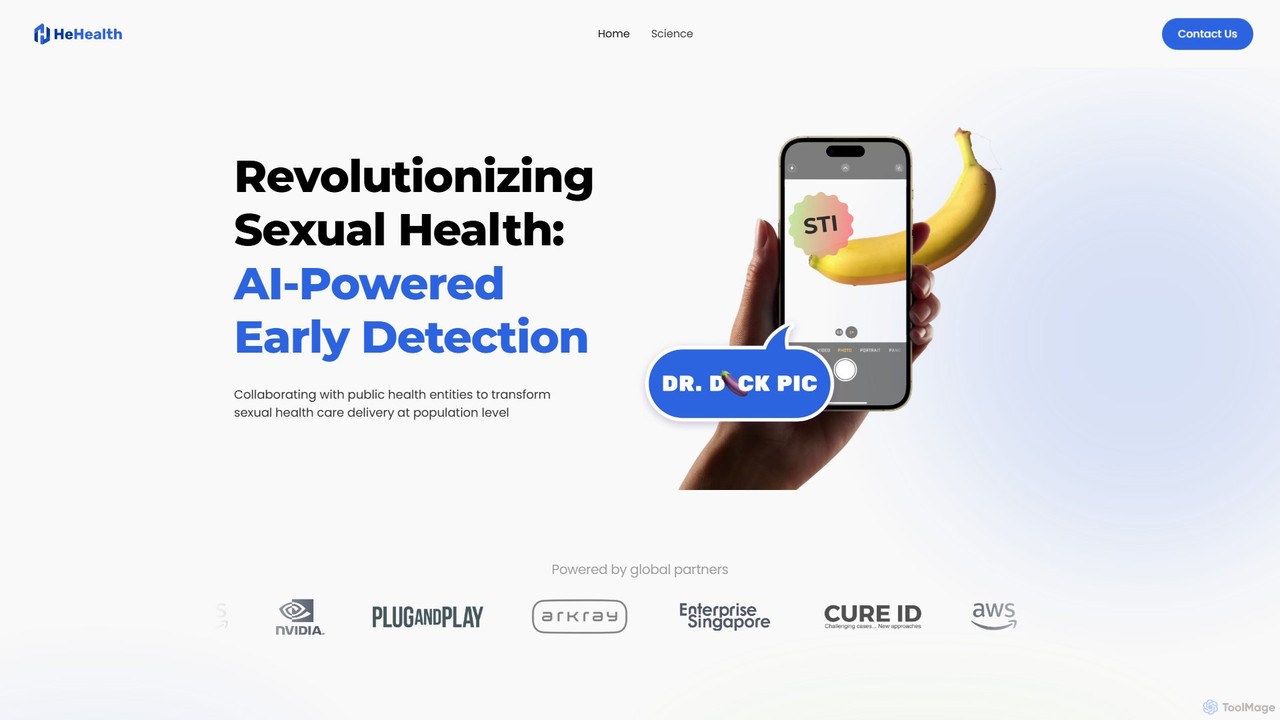
HeHealth is an AI-powered platform revolutionizing men's sexual health. It offers a discreet, accurate, and affordable way to get instant analysis of visual symptoms for early detection of STDs and other penile diseases, all from the privacy of home. Backed by scientific research and medical experts, it achieves ~94% accuracy.

Medical Diagnosis
Visits 7.2KFavorites 173Likes 177
audiodiary
Freemium

audiodiary

AudioDiary is an intelligent AI voice journaling app that transforms your spoken thoughts into structured, insightful entries. It automatically transcribes, analyzes, and summarizes your recordings, helping you with self-reflection, mood tracking, and personal goal setting. Available on iOS, Android, macOS, and the web, it offers a private and effortless way to maintain a diary and gain deeper self-understanding.

Mental Health
Visits 18.2KFavorites 139Likes 135
rbtpracticetest
Free

rbtpracticetest

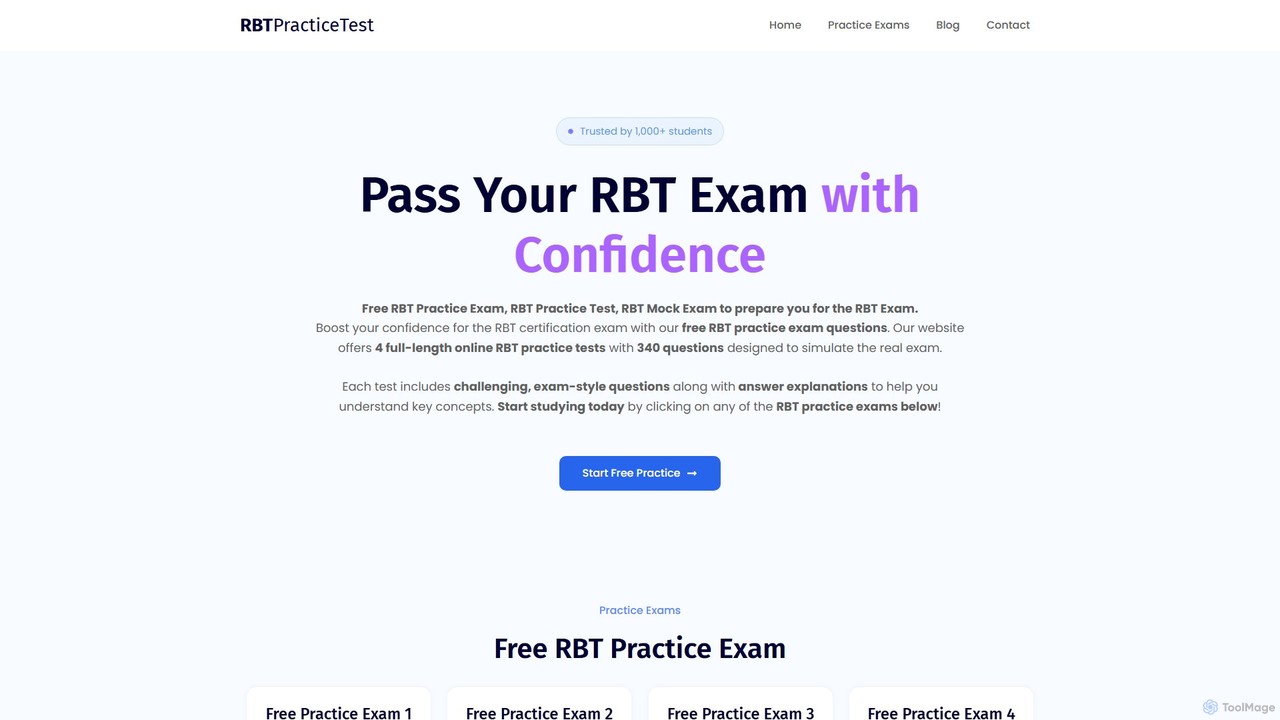
A free online platform offering full-length practice exams and mock tests to help aspiring Registered Behavior Technicians (RBTs) prepare for their certification exam. It provides realistic, exam-style questions with detailed explanations.

Test Preparation
Visits 6KFavorites 132Likes 134
Regrow AI
Freemium

Regrow AI

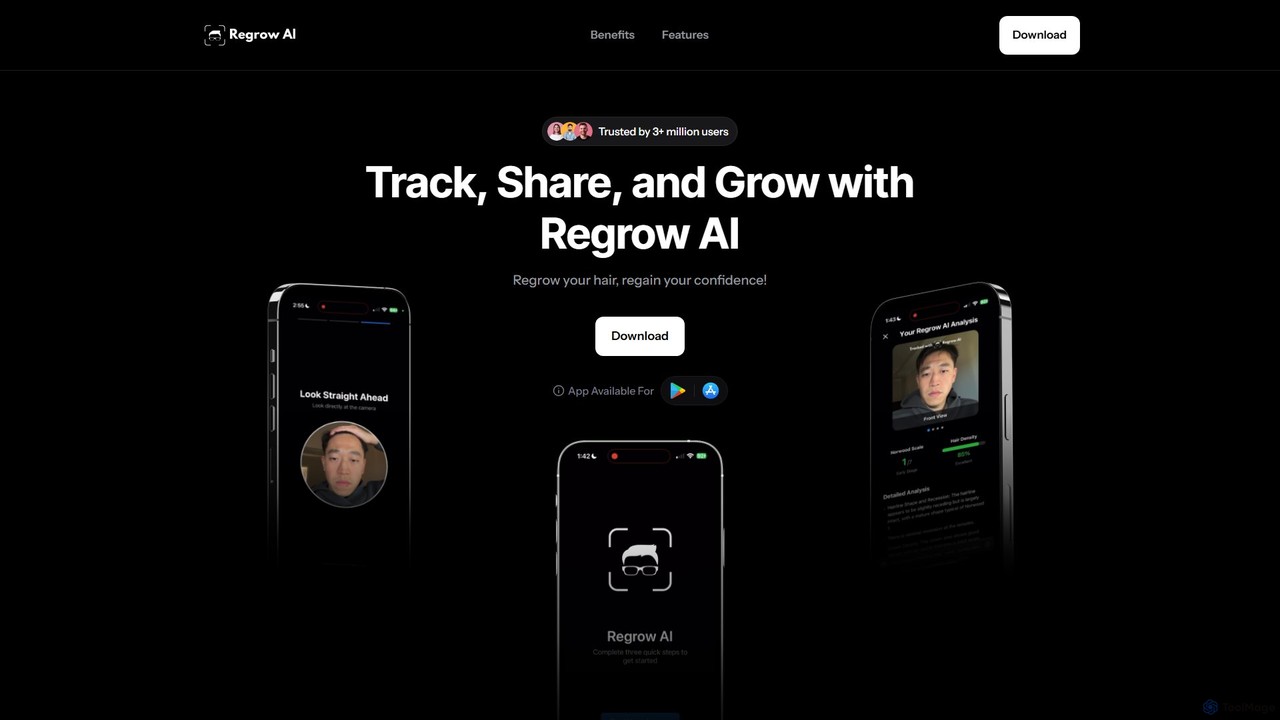
Regrow AI is an AI-powered mobile app designed to help users manage hair loss. It offers personalized regrowth plans, progress tracking through photo analysis, a dedicated AI assistant, and a supportive community to help you regain your hair and confidence.

Personal Care
Visits 7.8KFavorites 116Likes 138

About Health & Wellness

Health & Wellness AI tools are applications that leverage artificial intelligence to analyze health data, offer personalized guidance, and support physical and mental well-being. These tools use machine learning algorithms to interpret user inputs such as symptoms, activity logs, and biometric data to provide actionable insights. They are widely used for creating customized fitness plans, offering mental health support, managing nutrition, and performing preliminary symptom analysis. This empowers users to take a more informed and proactive approach to their personal health management.

Core Features

  • Personalized Recommendations: Analyzes individual data like diet, exercise, and sleep patterns to generate tailored fitness and nutrition plans.
  • Symptom Analysis: Provides a preliminary assessment of symptoms based on a vast medical database, suggesting potential causes and next steps.
  • Mental Health Support: Offers AI-driven conversational agents (chatbots) for emotional support, guided meditations, and cognitive behavioral therapy exercises.
  • Biometric Data Monitoring: Integrates with wearable devices to track and analyze vital signs like heart rate, sleep stages, and activity levels, identifying long-term trends.
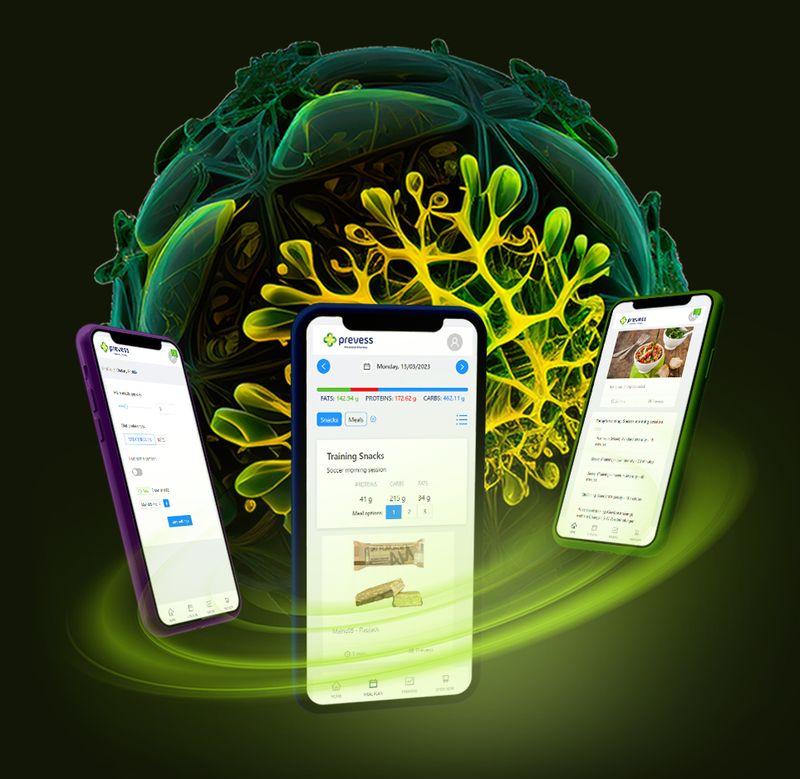
  • Nutritional Tracking: Simplifies calorie counting and macronutrient monitoring by allowing users to log meals via text or photo recognition.

Use Cases

These tools are valuable for fitness enthusiasts optimizing their training, individuals seeking accessible mental wellness resources, people with specific dietary needs managing their nutrition, and anyone looking to better understand their body's signals. Healthcare providers may also use advanced versions for supplementary diagnostic support, such as analyzing medical images.

How to Choose

When selecting a Health & Wellness AI tool, prioritize data privacy and security, ensuring the tool complies with regulations like HIPAA or GDPR. Verify that its recommendations are based on scientific evidence or backed by medical professionals. Consider its ability to integrate with your existing health apps and wearables. Finally, choose a tool with a clear, intuitive interface that makes complex health data easy to understand and act upon.

Featured tool rankings

Health & Wellness use cases

1

Create a Personalized Fitness and Meal Plan

A fitness enthusiast wants to prepare for a marathon while maintaining muscle mass. They input their goal, current fitness level, dietary preferences, and available workout time into an AI wellness app. The AI analyzes this data to generate a comprehensive 12-week plan. This plan includes specific running schedules that gradually increase in intensity, strength training routines to support muscle maintenance, and a detailed daily meal plan that ensures proper caloric intake and macronutrient balance. The user saves hours of research and planning, receiving a scientifically-backed program tailored to their unique needs.

2

Access On-Demand Mental Health Support

A university student feeling overwhelmed by academic pressure uses an AI mental wellness chatbot for daily support. They can engage in confidential conversations anytime, day or night, to express their feelings without judgment. The chatbot guides them through mindfulness exercises to reduce anxiety before exams and offers short, interactive modules based on Cognitive Behavioral Therapy (CBT) to help them reframe negative thought patterns. This provides immediate, accessible emotional support that complements traditional therapy, helping the student manage stress more effectively.

3

Analyze Sleep Patterns for Better Rest

An individual struggling with inconsistent sleep uses an AI tool connected to their smartwatch. Overnight, the tool tracks sleep stages (light, deep, REM), heart rate variability, and interruptions. In the morning, it presents a detailed sleep score and a visual timeline of their night. The AI identifies patterns, such as a drop in deep sleep on days with late-night caffeine consumption. Based on this analysis, it provides actionable advice, like suggesting a consistent bedtime or recommending relaxation techniques before sleep. This data-driven approach helps the user understand their sleep habits and make targeted changes to improve rest quality.

4

Perform a Preliminary Symptom Check

A parent notices their child has a mild fever and a rash. Unsure of the severity, they use an AI symptom checker. They input the child's age, symptoms, and duration into a conversational interface. The AI cross-references this information with a vast medical knowledge base, asks clarifying questions (e.g., 'Is the rash itchy?'), and then provides a list of potential conditions, from common viruses to less likely but more serious issues. It clearly states that it is not a diagnosis but provides information on when it is advisable to contact a doctor or seek emergency care. This helps the parent make a more informed decision about the next steps for their child's health.

5

Track Nutrition and Manage Dietary Goals

A person with a new diagnosis of type 2 diabetes needs to carefully manage their carbohydrate intake. They use an AI nutrition tracker that allows them to log meals by simply taking a photo. The AI's image recognition identifies the food items and estimates portion sizes, automatically calculating carbohydrates, sugar, and other key nutrients. It provides real-time feedback on their daily intake against targets set by their doctor. The app also suggests low-carb meal alternatives and recipes, making it easier to adhere to their dietary plan. This simplifies a complex task, empowering the user to manage their condition effectively.

6

Manage Medication and Appointment Schedules

A caregiver is responsible for an elderly parent who takes multiple medications at different times of the day. They use an AI health assistant to manage this complex schedule. They input all medication names, dosages, and times. The AI then creates an intelligent reminder system that sends alerts to both the caregiver's and the parent's phone. It can also track adherence by asking for confirmation when a dose is taken. Furthermore, the tool integrates with a calendar to schedule and send reminders for upcoming doctor's appointments, ensuring no critical health event is missed. This reduces the mental load on the caregiver and improves patient safety.

Health & Wellness FAQ

What are AI Health & Wellness tools?

AI Health & Wellness tools are software applications that use artificial intelligence to provide personalized health insights and support. They analyze data you provide—such as your diet, exercise habits, symptoms, or data from wearable devices—to offer tailored recommendations. Key functions include creating fitness plans, tracking nutrition, offering mental health support through chatbots, and providing preliminary symptom analysis. Their goal is to empower users to proactively manage their physical and mental well-being with data-driven guidance.

How do I choose a reliable AI health tool?

To choose a reliable AI health tool, consider these key factors:

  • Data Privacy and Security: Ensure the app has a clear privacy policy and complies with data protection laws like GDPR or HIPAA. Your health data is sensitive and must be protected.
  • Scientific Validity: Look for tools that base their recommendations on evidence-based research or are developed with input from medical professionals.
  • User Experience: The tool should be easy to navigate and present information clearly. A confusing interface can lead to misinterpretation of health data.
  • Integration: Check if it can sync with other devices or apps you use, such as smartwatches or calorie counters, for a more holistic view of your health.
Are AI health tools a substitute for a doctor?

No, AI health tools are not a substitute for a professional medical diagnosis or treatment from a qualified doctor. They are designed to be informational and supportive tools. They can help you track your wellness, understand health patterns, and make more informed lifestyle choices. For any medical concerns, symptoms, or before making any significant changes to your health regimen, you should always consult a healthcare professional. AI symptom checkers, for example, provide possibilities, not diagnoses, and are intended to help you decide when to seek professional care.

How do AI tools ensure the privacy of my health data?

Reputable AI health tools prioritize data privacy through several measures. They often use end-to-end encryption to protect data during transmission and store it securely on protected servers. Many comply with strict regulations like the Health Insurance Portability and Accountability Act (HIPAA) in the US or the General Data Protection Regulation (GDPR) in Europe. They may also use data anonymization, which removes personal identifiers from your data before it's used for analysis. Always review an app's privacy policy before use to understand exactly how your data is collected, used, and protected.

What kind of data do AI wellness apps typically use?

AI wellness apps use a combination of data to provide personalized insights. This typically includes:

  • User-Provided Data: Information you manually enter, such as your age, weight, height, fitness goals, dietary preferences, mood logs, or symptoms.
  • Behavioral Data: Data collected from your interaction with the app, like logged workouts, meal photos, or completed meditation sessions.
  • Sensor Data: Information from your smartphone or connected wearables, including GPS data for runs, accelerometer data for step counting, and heart rate or sleep data from a smartwatch.

The quality and quantity of this data directly impact the accuracy and relevance of the AI's recommendations.