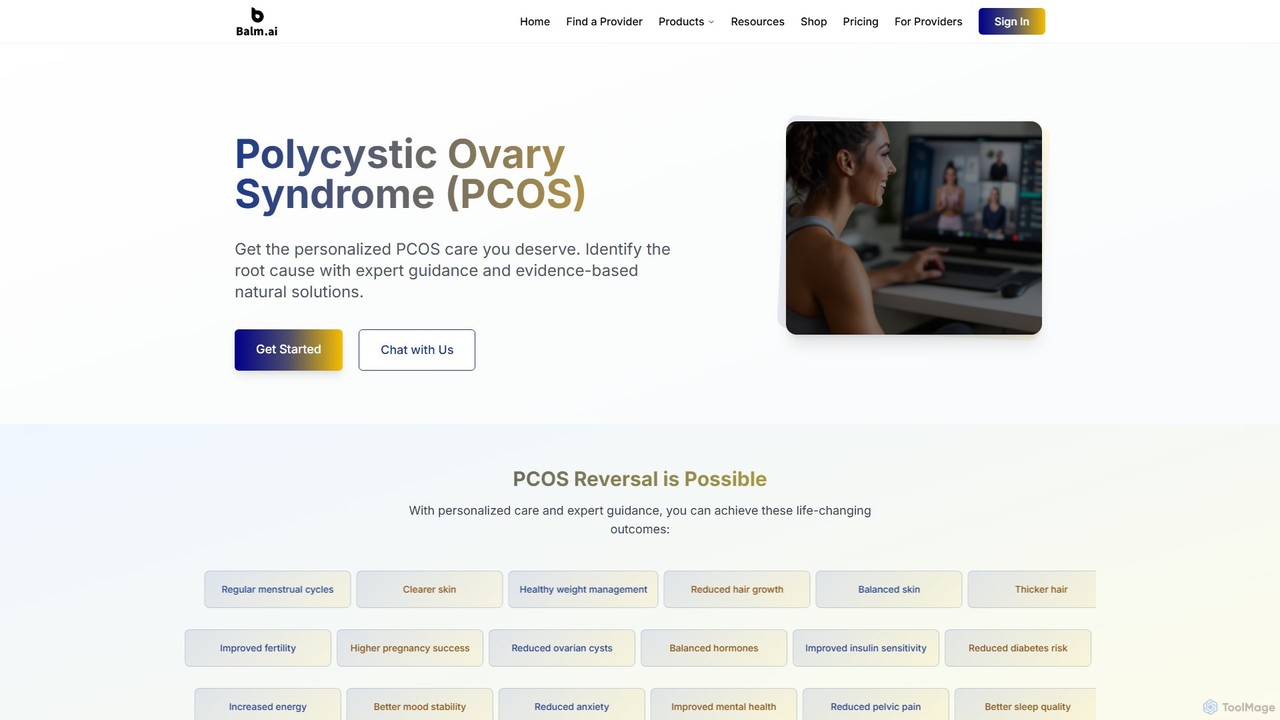
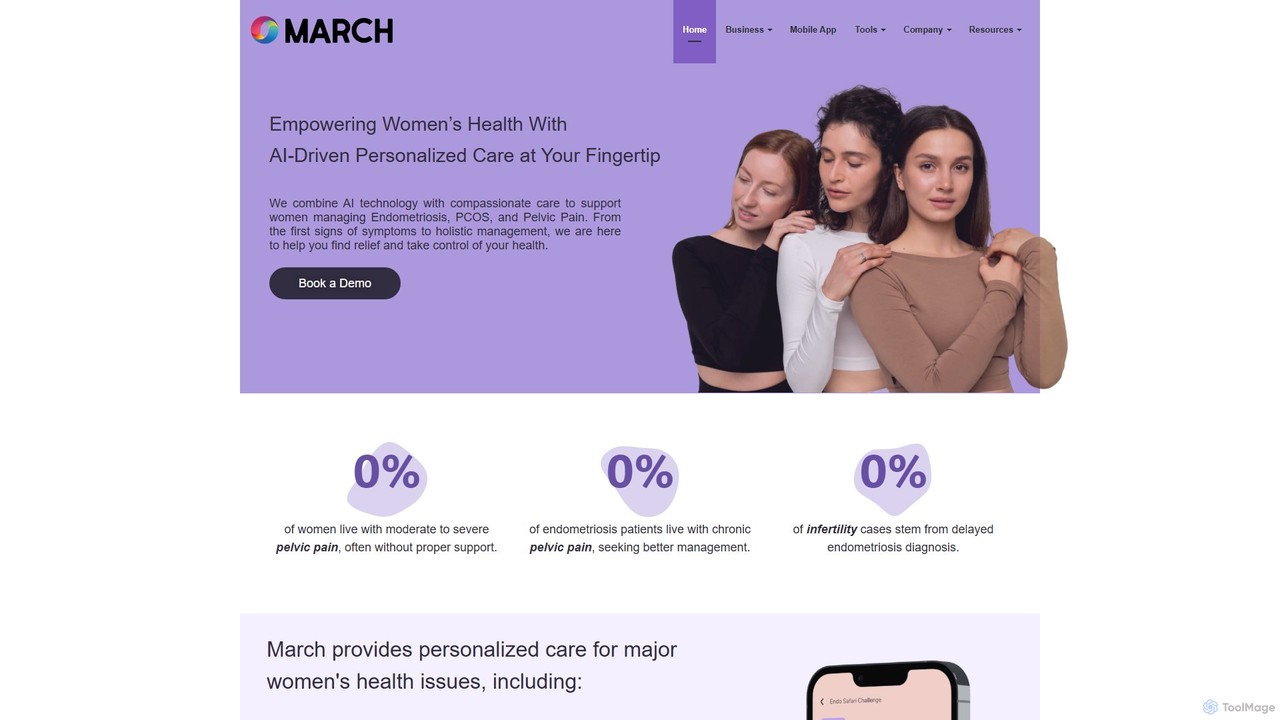
Womens Health AI tools are specialized applications leveraging artificial intelligence to support and enhance various aspects of women's well-being. These tools utilize advanced algorithms to analyze personal health data, track physiological patterns, and provide personalized insights. They empower women to proactively manage their reproductive health, hormonal balance, mental wellness, and specific health conditions, offering accessible and data-driven support within the broader field of AI-powered health solutions.
Core Features
- Personalized Cycle Tracking: AI-driven prediction and analysis of menstrual cycles, ovulation, and fertility windows.
- Symptom Analysis & Insights: Identifying patterns in reported symptoms to offer potential insights or suggest professional consultation.
- Mental Wellness Support: Tools for mood tracking, stress management, and early detection of conditions like postpartum depression.
- Educational Resources: Providing evidence-based information on women's specific health topics, from pregnancy to menopause.
- Hormonal Balance Monitoring: Tracking and analyzing data related to hormonal fluctuations and their impact on health.
Applicable Scenarios
These AI tools are invaluable for individuals seeking to understand and manage their unique health journeys, from reproductive years through menopause. They are also utilized by healthcare providers for remote patient monitoring, offering supplementary data and educational resources to enhance patient care. Researchers can leverage anonymized data for studies on women's health trends and outcomes, contributing to advancements in medical understanding.
How to Choose
When selecting a Womens Health AI tool, prioritize data privacy and security, ensuring sensitive personal health information is protected. Evaluate the clinical validation and accuracy of its insights, especially for diagnostic or predictive features. Consider the breadth of features offered, such as cycle tracking, symptom analysis, or mental health support, to match your specific needs. Finally, assess user experience and accessibility, looking for intuitive interfaces and compatibility with other health devices.