Healthcare Best in category 2 results Administrative Automation AI Tool

Popular AI tools in the Administrative Automation field of Healthcare include Healthtech-1、Hey Revia, etc., helping you quickly improve efficiency.

Healthtech-1

Healthtech-1

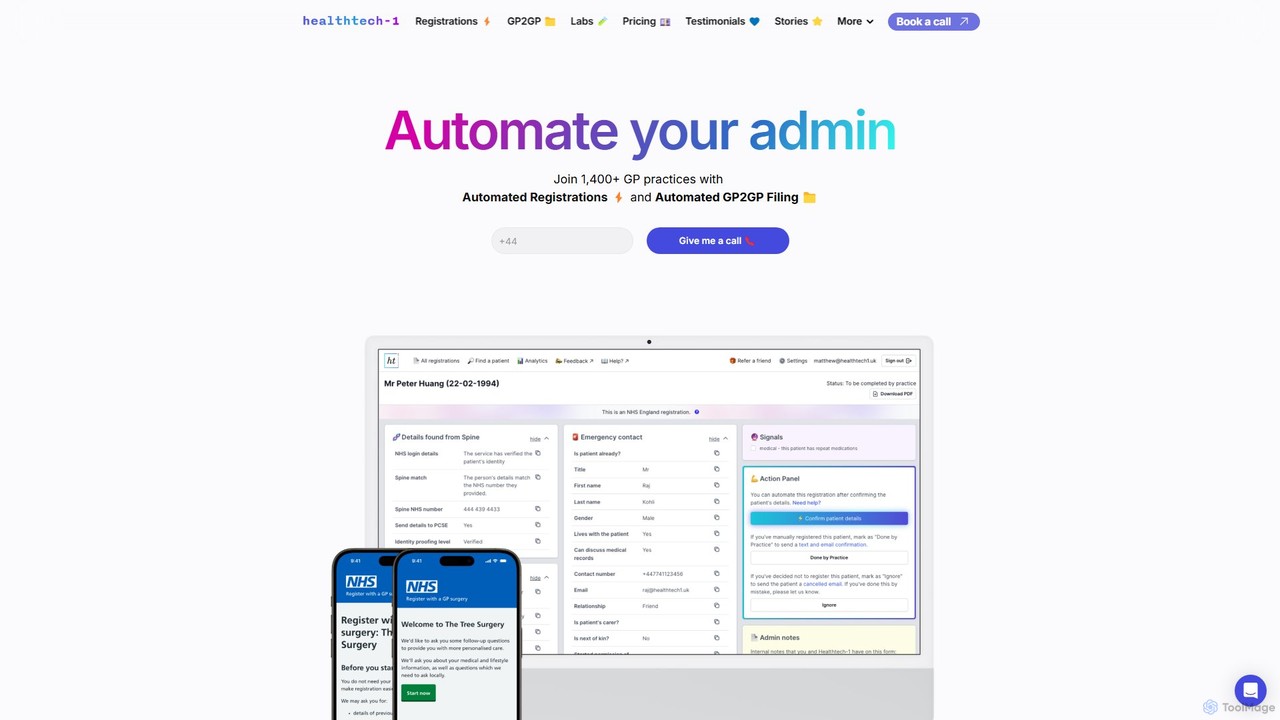
Healthtech-1 is an automation platform designed specifically for the UK's NHS GP practices. It streamlines administrative workflows by …

12.3K
Hey Revia

Hey Revia

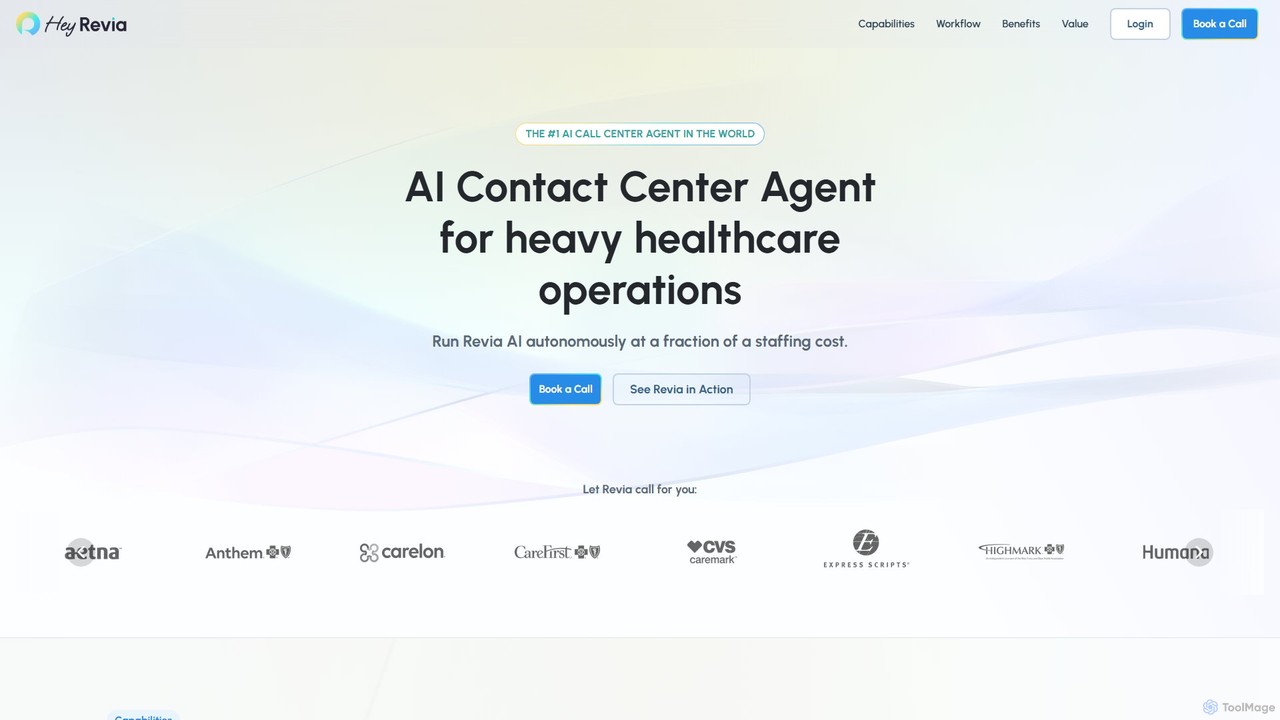
Hey Revia is an advanced AI contact center agent designed to automate complex communication workflows, particularly in the …

3.6K

About Administrative Automation

Administrative Automation in healthcare refers to AI-powered tools specifically designed to streamline and optimize non-clinical, operational tasks within medical facilities. These advanced solutions leverage machine learning, natural language processing, and robotic process automation to automate repetitive processes, from patient scheduling and medical billing to comprehensive document management. By significantly reducing manual workload, minimizing human error, and improving data accuracy, these tools empower healthcare professionals to dedicate more time to direct patient care, clinical research, and strategic initiatives. This category is essential for enhancing the overall efficiency and cost-effectiveness of the administrative backbone of healthcare organizations.

Core Features

  • Automated Patient Scheduling: Efficiently manages patient appointments, optimizes clinic schedules, and sends automated reminders, reducing no-shows and improving resource utilization.
  • Intelligent Document Processing: Digitizes, extracts data from, and processes patient intake forms, consent documents, insurance claims, and medical records with high accuracy.
  • Streamlined Billing & Claims Management: Automates medical coding, accelerates claim submission, tracks payment statuses, and simplifies reconciliation processes, improving revenue cycles.
  • Predictive Inventory Control: Monitors medical supplies, pharmaceuticals, and equipment levels, predicts demand, and automates reorder processes to prevent stockouts and reduce waste.
  • AI-Powered Patient Communication: Handles automated appointment reminders, personalized follow-up messages, and provides instant responses to common patient inquiries, enhancing engagement.

Applicable Scenarios

Administrative Automation tools are indispensable for hospital administration offices seeking to optimize daily operations and resource allocation. They are equally crucial for private clinics and specialized medical practices aiming to enhance patient flow and reduce front-desk workload. Furthermore, these solutions are vital for medical billing departments to accelerate claims processing and minimize denials, and for healthcare HR to efficiently manage staff shift planning and scheduling. They also support supply chain management in large healthcare systems by automating inventory control.

How to Choose

When selecting Administrative Automation tools for healthcare, prioritize solutions with robust integration capabilities that seamlessly connect with existing Electronic Health Records (EHR) and Practice Management Systems (PMS). It is paramount to ensure the tool strictly complies with healthcare regulations such as HIPAA, GDPR, and local data privacy laws, guaranteeing data security and patient confidentiality. Evaluate the solution's scalability to effectively handle growing patient volumes and administrative tasks, and assess the user-friendliness of its interface for diverse administrative staff. Additionally, consider the vendor's reputation, support services, and comprehensive training offerings to ensure a smooth implementation and ongoing success.

Administrative AutomationUse Cases

1

Automating Patient Appointment Scheduling and Reminders

Clinic administrators can leverage AI-powered administrative automation tools to manage patient appointments, optimize physician schedules, and send automated reminders via SMS or email. This reduces manual scheduling efforts, minimizes no-shows, and ensures efficient utilization of clinic resources, allowing staff to focus on patient interaction rather than repetitive booking tasks.

2

Streamlining Medical Billing and Insurance Claims Processing

Medical billing departments utilize these tools to automate the complex process of coding, submitting, and tracking insurance claims. AI can identify coding errors, verify patient eligibility, and reconcile payments, significantly accelerating the revenue cycle, reducing claim denials, and ensuring compliance with billing regulations, thereby improving financial efficiency.

3

Digitizing and Processing Patient Intake Forms

Front-desk staff in hospitals and clinics can use administrative automation to digitize and automatically process patient intake forms, consent documents, and medical history questionnaires. AI extracts relevant information, updates electronic health records (EHRs), and flags missing data, eliminating paper-based processes and reducing data entry errors, leading to faster patient onboarding.

4

Optimizing Healthcare Inventory and Supply Chain Management

Hospital logistics and procurement teams employ these tools to monitor and manage medical supplies, pharmaceuticals, and equipment inventory. AI predicts demand based on historical data and patient volume, automates reorder processes, and identifies potential supply chain disruptions, ensuring critical supplies are always available while minimizing waste and storage costs.

5

Automating Staff Shift Planning and Resource Allocation

Nursing managers and HR departments can utilize administrative automation to create optimized staff schedules, manage shift swaps, and allocate personnel based on patient needs and staff availability. These tools consider qualifications, labor laws, and fatigue, reducing scheduling conflicts, ensuring adequate staffing levels, and improving employee satisfaction.

6

Personalizing Patient Communication and Follow-ups

Patient engagement teams use AI-driven tools to send personalized follow-up instructions, post-discharge care plans, and health education materials. These systems can also answer common patient queries through chatbots, improving patient adherence to treatment plans, enhancing overall patient experience, and reducing the burden on clinical staff for routine communications.

Administrative AutomationFrequently Asked Questions