ToolMage
Sign in

Best 4 Medical AI tools for Healthcare

Popular Medical AI tools in Healthcare include QuData, lingly, Ontosight, and Cruxi, helping you work more efficiently.

Cruxi
Freemium

Cruxi

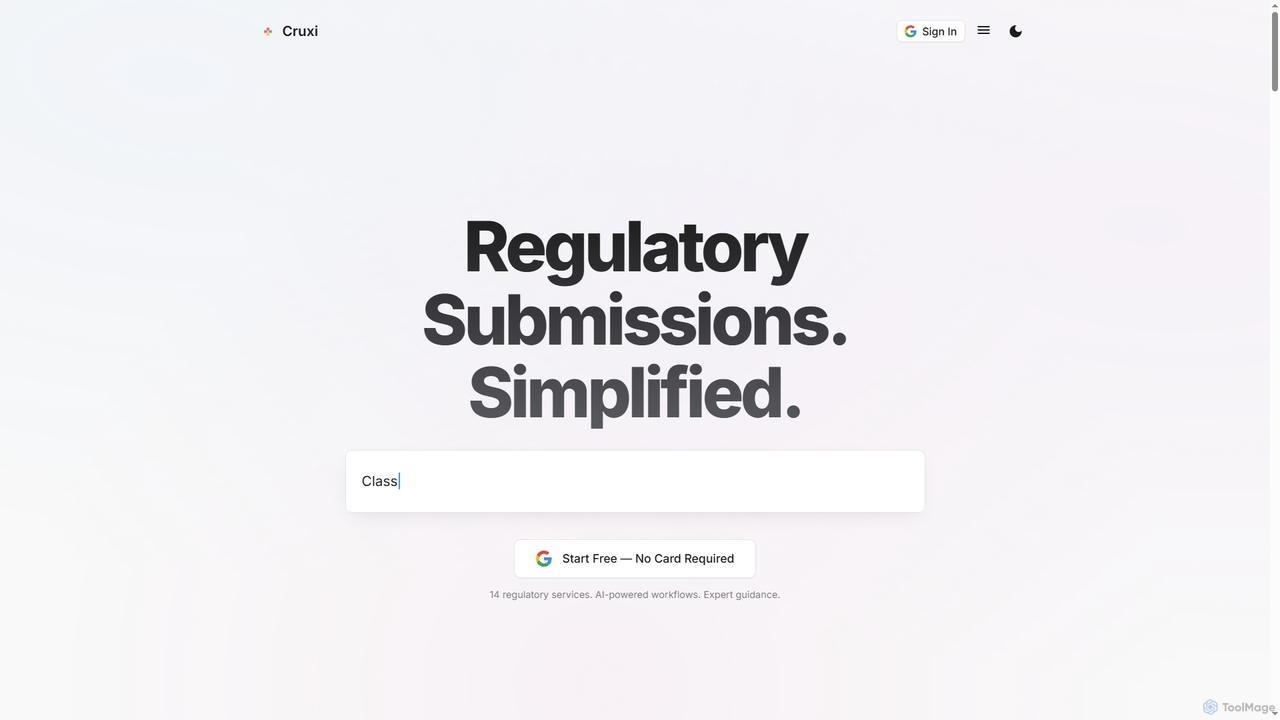
Cruxi is an AI-powered regulatory platform designed to streamline medical device submissions to the FDA and global authorities. It automates workflows for 510(k), De Novo, PMA, and more, significantly reducing preparation time and preventing common rejection issues.

Medical
Visits 10.2KFavorites 129Likes 137
lingly
Paid

lingly

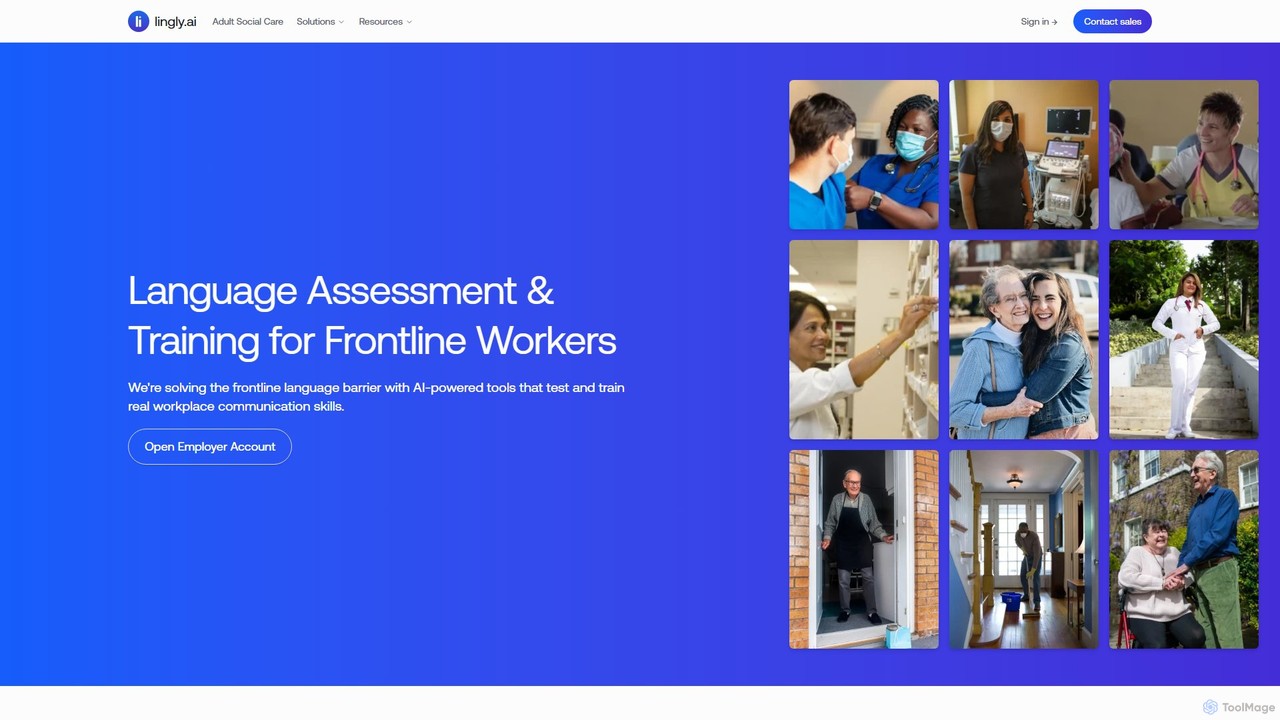
lingly is an AI-powered platform for language assessment and training, specifically designed for frontline workers. It helps international staff in sectors like healthcare, retail, and customer service master real-world, job-specific communication skills, bridging the gap between academic language tests and practical workplace fluency.

Language Learning
Visits 25.3KFavorites 111Likes 117
Ontosight
Freemium

Ontosight

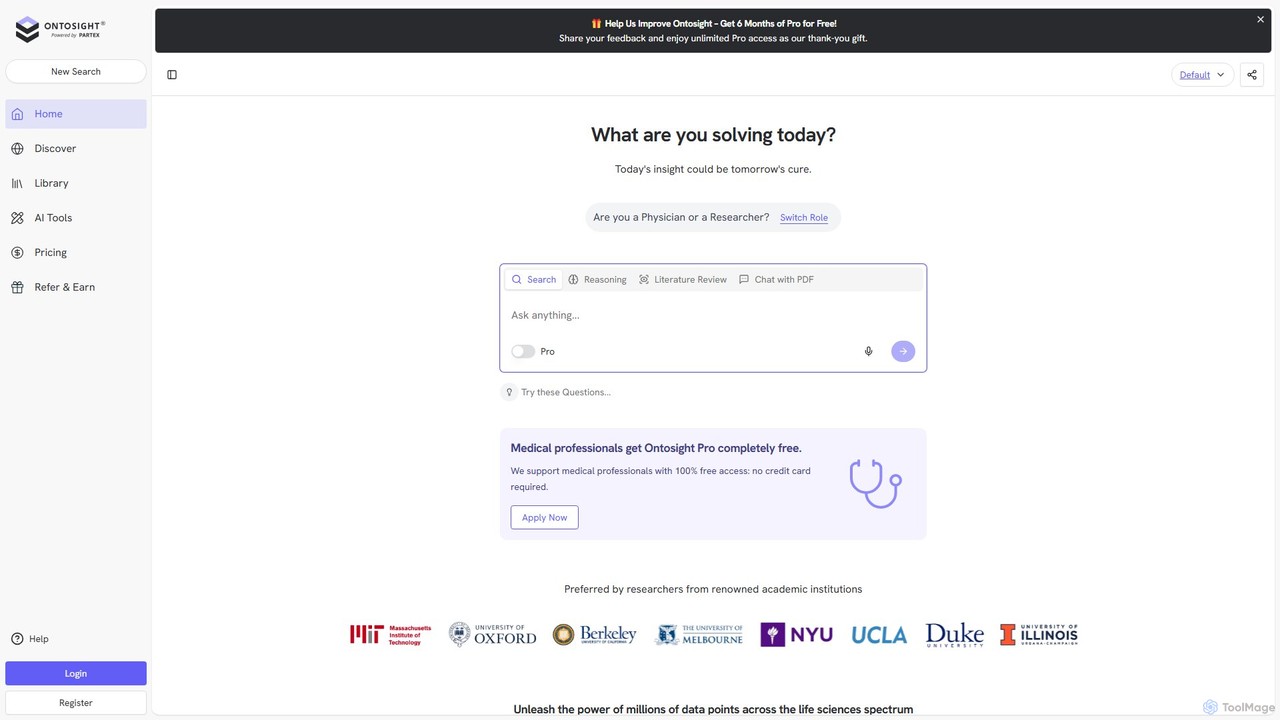
Ontosight is an AI-powered research assistant designed for physicians, scientists, and students in the life sciences and medical fields. It accelerates research by providing direct, cited answers from millions of scientific papers. Features include advanced search, literature review automation, PDF interaction, and a paraphrasing tool to enhance writing and collaboration.

Academic
Visits 17.6KFavorites 134Likes 125
QuData
Paid

QuData

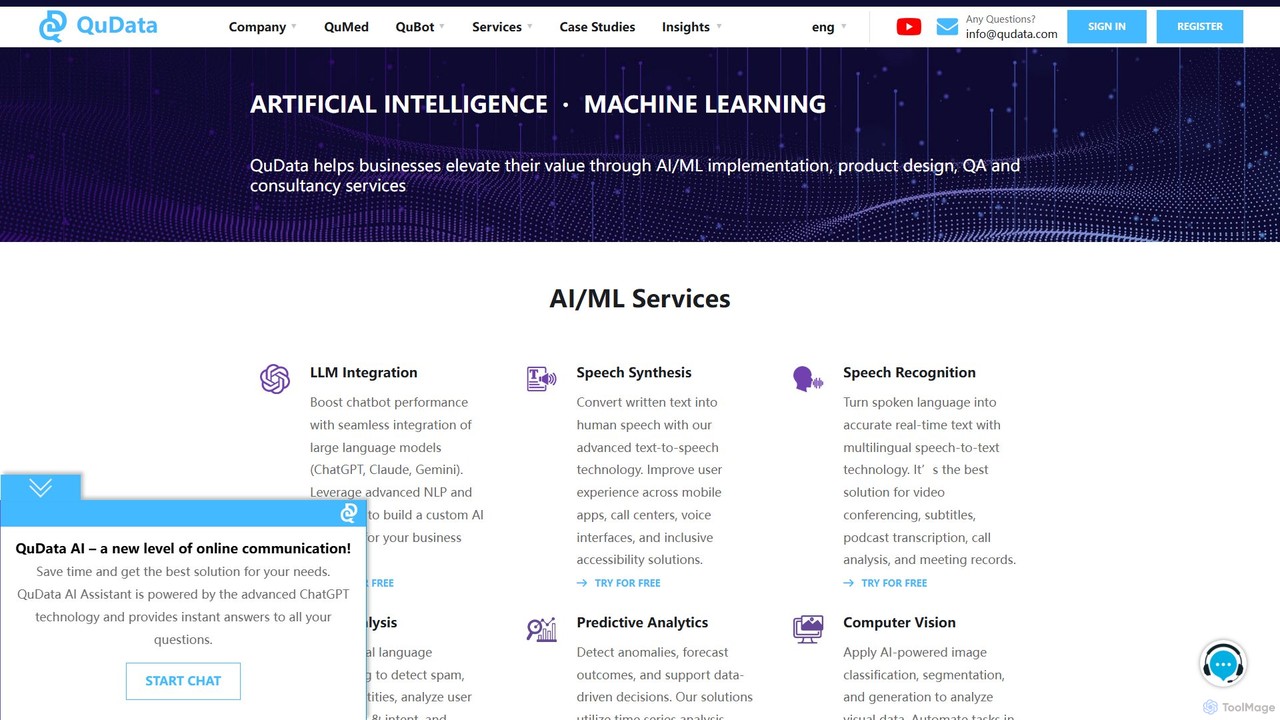
QuData is a specialized AI and Machine Learning solutions provider that helps businesses with custom development, implementation, and consultancy. They offer a wide range of services, including LLM integration for advanced chatbots like their QuBot platform, computer vision, predictive analytics, speech synthesis, and big data processing, delivering tailored solutions to meet specific industry needs.

Chatbots
Visits 113.1KFavorites 116Likes 128

About Medical

AI Medical tools are a specialized class of software that apply machine learning and deep learning algorithms to clinical data for diagnosis, treatment planning, and patient monitoring. As a core component of the broader AI Healthcare ecosystem, these tools directly assist clinicians by analyzing complex medical information, such as radiological images, genomic sequences, and electronic health records. Their primary value lies in enhancing diagnostic accuracy, personalizing patient care, and predicting disease outcomes. By automating data-intensive tasks, they empower medical professionals to make more informed decisions faster.

Core Features

  • Medical Image Analysis: Automatically detects and quantifies abnormalities in X-rays, CT scans, and MRIs to assist radiologists.
  • Predictive Diagnostics: Uses patient data and biomarkers to forecast disease risk, progression, and patient response to therapy.
  • Personalized Treatment Planning: Recommends optimal treatment pathways based on an individual's genetic profile, lifestyle, and clinical history.
  • Surgical Assistance: Provides real-time guidance during operations through robotic control and augmented reality overlays.
  • Drug Discovery Acceleration: Analyzes molecular data to identify potential drug candidates and optimize clinical trial design.

Use Cases

These tools are integral in fields like radiology, oncology, cardiology, and pathology. They are used by radiologists to prioritize urgent cases, by oncologists to devise tailored cancer treatments, and by researchers in pharmaceutical companies to accelerate the development of new medicines.

How to Choose

When selecting an AI Medical tool, prioritize solutions with regulatory approvals (e.g., FDA, CE mark). Verify the existence of peer-reviewed clinical validation studies. Ensure the tool integrates with existing Electronic Health Record (EHR) or Picture Archiving and Communication Systems (PACS) and complies with stringent data privacy regulations like HIPAA or GDPR.

Medical use cases

1

Automated Analysis of Radiological Scans

A radiologist in a busy hospital department uses an AI medical tool to analyze a queue of chest CT scans. The software automatically identifies and flags scans with suspected pulmonary nodules, prioritizing them for immediate review. For each flagged case, the AI provides measurements of the nodule size and volume, along with a probability score for malignancy. This allows the radiologist to focus their expertise on the most critical cases first, reducing turnaround times for diagnoses and enabling earlier intervention for patients with potential lung cancer.

2

Personalized Oncology Treatment Recommendation

An oncologist is treating a patient with a rare form of cancer. They input the patient's genomic data, tumor characteristics, and treatment history into an AI platform. The system cross-references this information against a vast database of clinical trials, research papers, and real-world evidence. Within minutes, it generates a report suggesting several targeted therapies and immunotherapies that have shown efficacy in patients with similar molecular profiles. This provides the oncologist with evidence-based options that might not have been considered otherwise, facilitating a highly personalized treatment plan.

3

Early Sepsis Prediction in Intensive Care Units

In an ICU, an AI-powered monitoring system continuously analyzes real-time data streams from a patient's vital signs monitor, lab results, and electronic health record. The machine learning model, trained on thousands of previous patient cases, detects subtle patterns that precede the onset of sepsis. The system alerts the clinical team hours before clear symptoms appear, providing a critical window for early antibiotic administration and fluid resuscitation. This proactive intervention significantly improves the patient's chances of survival and reduces the length of their ICU stay.

4

AI-Assisted Diabetic Retinopathy Screening

A primary care physician's office implements an AI tool to screen diabetic patients for retinopathy during routine check-ups. A medical assistant captures retinal images using a portable fundus camera, and the AI algorithm analyzes them instantly. The tool provides an immediate classification: no retinopathy, mild, moderate, or severe. This allows for on-the-spot referral of high-risk patients to an ophthalmologist, improving access to care and preventing vision loss, especially in underserved areas where specialists are scarce.

5

Accelerating Drug Discovery with Molecular Analysis

A biochemist at a pharmaceutical company uses an AI platform to accelerate the search for a new Alzheimer's drug. Instead of manually testing thousands of compounds, the AI analyzes the molecular structure of the target protein and predicts which small molecules are most likely to bind to it effectively. The system simulates interactions and filters a library of millions of compounds down to a few hundred promising candidates for laboratory testing. This process drastically reduces the time and cost associated with the early stages of drug discovery.

6

Guiding Surgical Procedures with AI Navigation

During a complex spinal surgery, a surgeon utilizes an AI-driven navigation system. The platform integrates pre-operative CT scans with real-time X-ray imaging to create a dynamic 3D map of the patient's spine. As the surgeon places pedicle screws, the system tracks the surgical instruments and provides augmented reality feedback on a monitor, showing the precise trajectory and position relative to critical nerves and blood vessels. This enhances surgical accuracy, minimizes the risk of complications, and improves patient safety.

Medical FAQ

What are AI Medical tools?

AI Medical tools are specialized software applications that use artificial intelligence, particularly machine learning, to analyze clinical data for tasks like diagnosis, treatment planning, and patient monitoring. Unlike general wellness apps, they are designed for clinical settings to support healthcare professionals. Key functions include analyzing medical images, predicting disease progression, and personalizing treatment recommendations based on complex patient data.

How do I choose a reliable AI Medical tool?

Choosing a reliable AI Medical tool requires careful evaluation. Look for the following key factors:

  • Regulatory Clearance: Ensure the tool has approval from relevant authorities like the FDA in the US or a CE mark in Europe.
  • Clinical Validation: Check for peer-reviewed studies that prove the tool's accuracy, safety, and effectiveness in real-world clinical scenarios.
  • System Integration: Confirm it can integrate smoothly with your existing systems, such as Electronic Health Records (EHR) or Picture Archiving and Communication Systems (PACS).
  • Data Security: Verify compliance with data privacy laws like HIPAA or GDPR to protect sensitive patient information.
What's the difference between AI Medical and general AI Healthcare tools?

The primary difference lies in their application focus. AI Medical tools are specifically designed for clinical decision support, directly impacting diagnosis and treatment. Examples include tools for reading X-rays or recommending cancer therapies. General AI Healthcare tools have a broader scope, often focusing on administrative or operational tasks. This includes applications for patient scheduling, medical billing automation, hospital management, and personal wellness tracking, which support the healthcare system but are not typically used for direct clinical diagnosis.

Are AI Medical tools meant to replace doctors?

No, AI Medical tools are designed to augment and assist medical professionals, not replace them. They function as powerful decision-support systems that can process vast amounts of data far more quickly and consistently than a human can. This frees up clinicians from repetitive, data-intensive tasks, allowing them to focus on complex problem-solving, patient communication, and the nuanced aspects of care that require human empathy and judgment. The final clinical decision always rests with the qualified healthcare provider.

What kind of data do AI Medical tools use?

AI Medical tools process a wide variety of clinical data. This includes unstructured data like clinical notes and pathology reports, as well as structured data such as lab results and vital signs. A major area is medical imaging, where they analyze data from X-rays, CT scans, MRIs, and ultrasound. They also utilize genomic data for personalized medicine and real-time sensor data from monitoring devices in settings like the ICU. The quality and diversity of the training data are critical to the tool's accuracy and reliability.