ToolMage
Sign in

Best 2 Patient Communication AI tools for Healthcare

Popular Patient Communication AI tools in Healthcare include Synthflow AI and OpenCall AI, helping you work more efficiently.

OpenCall AI
Paid

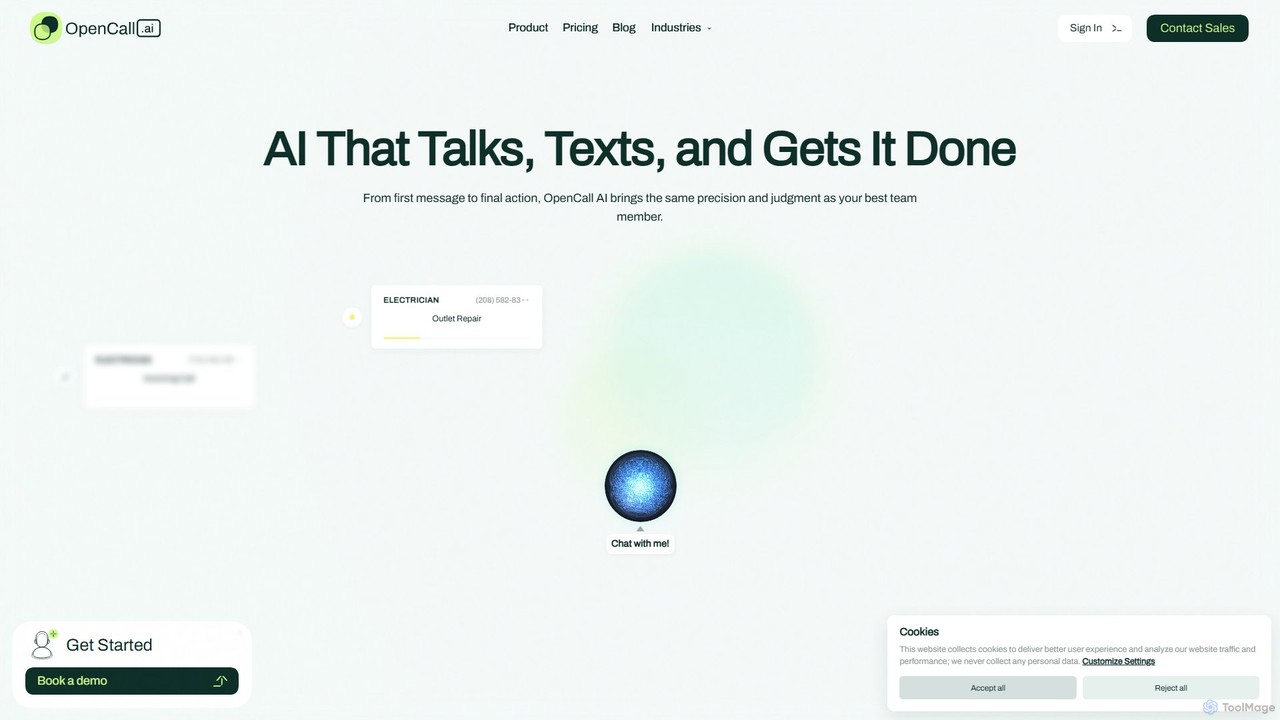
OpenCall AI

OpenCall AI provides intelligent, 24/7 AI agents that automate phone calls and SMS conversations for businesses. It handles complex tasks like appointment scheduling, customer intake, and sales acceleration, integrating seamlessly with your existing CRM and EHR systems. It's designed for high-volume communication, especially in sectors like healthcare, beauty, and home services.

Voicebots
Visits 12KFavorites 117Likes 125
Synthflow AI
Paid

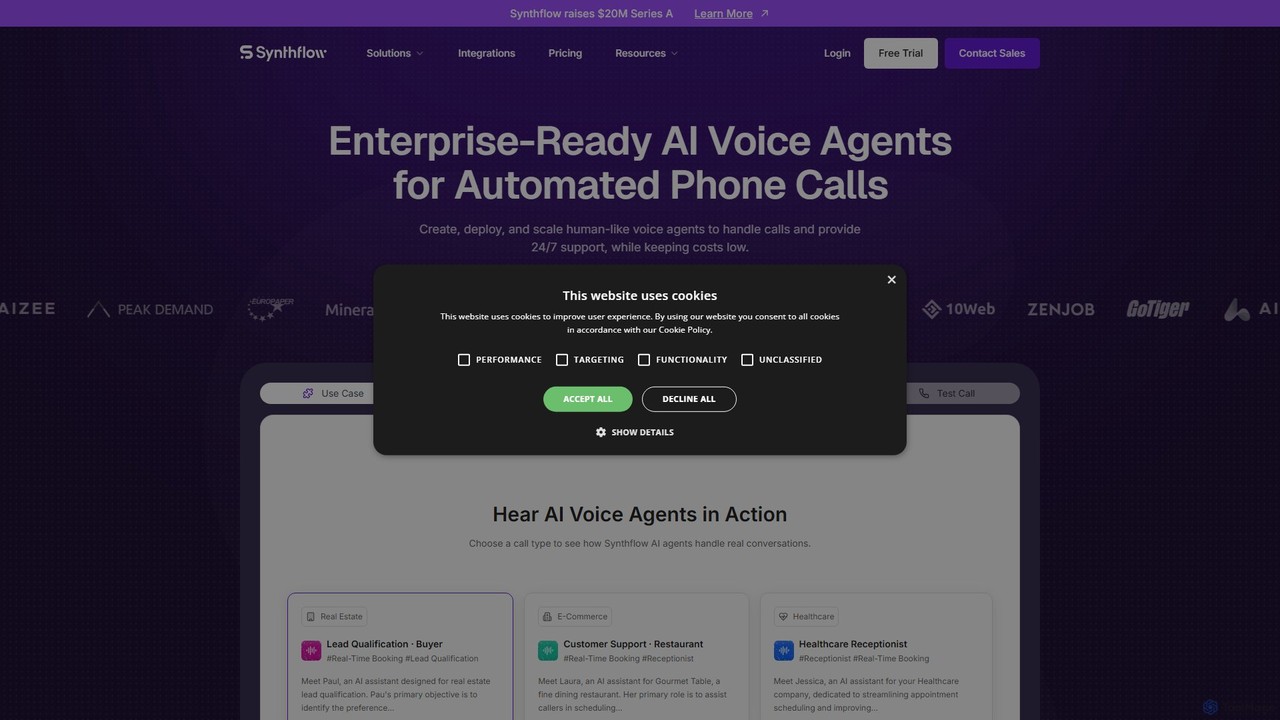
Synthflow AI

Synthflow AI is an enterprise-grade platform for creating and deploying human-like AI voice agents to automate phone calls. It offers a no-code visual builder, low-latency conversations in over 30 languages, and seamless integrations with CRM and telephony systems. Ideal for sales, customer support, and appointment scheduling, it helps businesses scale operations, reduce costs, and enhance customer experience 24/7.

Voicebot
Visits 131.3KFavorites 116Likes 128

About Patient Communication

Patient Communication tools are AI-powered platforms designed to automate and personalize interactions between healthcare providers and their patients. These systems leverage natural language processing (NLP) and automation workflows to manage appointments, deliver information, and answer queries without manual intervention. They primarily serve to enhance patient engagement, improve health outcomes, and reduce the administrative burden on medical staff. By ensuring timely and relevant communication, these tools play a crucial role in modern healthcare delivery.

Core Features

  • Automated Reminders: Sends intelligent appointment, medication, and follow-up reminders via SMS, email, or voice.
  • AI-Powered Chatbots: Provides 24/7 answers to non-clinical patient questions regarding scheduling, billing, and preparation.
  • Personalized Content Delivery: Distributes educational materials, pre-operative instructions, and post-discharge care plans based on patient profiles.
  • Two-Way Messaging: Facilitates secure, HIPAA-compliant text-based conversations between staff and patients.
  • Feedback Collection: Automates the process of sending surveys and collecting patient satisfaction feedback after visits.

Use Cases

These tools are widely used in hospitals, private clinics, dental offices, and telehealth services. Administrative staff, nurses, and practice managers utilize them to streamline daily operations, from reducing appointment no-shows to ensuring patients follow post-treatment care plans effectively. They are essential for managing large patient populations and maintaining consistent communication standards.

How to Choose

When selecting a Patient Communication tool, prioritize solutions with robust security and HIPAA (or equivalent) compliance. Crucial factors include seamless integration with your existing Electronic Health Record (EHR) system, the level of customization available for messaging workflows, and support for multiple communication channels (SMS, email, voice). Also, evaluate the platform's analytics capabilities for tracking patient engagement and operational efficiency.

Patient Communication use cases

1

Automating Appointment Reminders to Reduce No-Shows

A busy dental clinic's front desk staff spends hours each day manually calling patients to confirm appointments. By implementing an AI Patient Communication tool, they automate this entire process. The system automatically sends personalized SMS and email reminders 72 and 24 hours before each appointment. Patients can confirm, cancel, or request to reschedule directly from the message, which updates the clinic's calendar in real-time. This frees up staff to focus on in-person patient care and significantly reduces the no-show rate by over 30%.

2

Delivering Pre-Operative Instructions and Guidance

A surgical center needs to ensure every patient is fully prepared for their procedure to avoid last-minute cancellations. Using a patient communication platform, they create an automated workflow. Once a surgery is scheduled, the system sends a series of timed messages: an initial confirmation, a detailed instruction list (e.g., fasting, medication adjustments) a week prior, and a final reminder the day before. This ensures patients receive critical information consistently and have time to ask questions, leading to better patient preparedness and a smoother surgical schedule.

3

Answering Common Patient Queries with an AI Chatbot

A large multi-specialty clinic receives hundreds of calls daily with routine questions about hours, locations, insurance, and appointment booking. To free up their phone lines for more complex issues, they deploy an AI chatbot on their website. The chatbot is trained on the clinic's information and can instantly answer these common queries 24/7. For more complex requests, it can seamlessly hand off the conversation to a live agent. This reduces call volume by 40% and improves patient satisfaction by providing immediate answers anytime.

4

Automating Post-Discharge Follow-Up and Care

A hospital aims to reduce patient readmission rates by improving post-discharge care. They use an AI communication tool to automate follow-ups. After a patient is discharged, the system sends a series of automated check-in messages asking about their recovery, symptoms, and medication adherence. Patient responses are analyzed by AI; if a response indicates a potential issue (e.g., high pain level), the system automatically alerts a nurse for immediate manual follow-up. This proactive approach helps catch complications early and ensures patients feel supported after leaving the hospital.

5

Broadcasting Public Health Announcements

A regional public health department needs to quickly disseminate information about the annual flu shot campaign to senior citizens. Instead of relying on traditional mail, they use a patient communication platform linked to local clinic records. They can filter patients by age and location to send a targeted SMS blast with information on clinic locations, hours, and a link to book an appointment. This method ensures rapid, direct communication, significantly increasing awareness and vaccination rates among the target demographic compared to previous years.

6

Collecting Patient Feedback to Improve Services

A private practice wants to systematically gather patient feedback to improve its quality of care. After each patient visit, their communication tool automatically sends a short SMS survey asking them to rate their experience and provide comments. The platform aggregates this data into a dashboard, allowing the practice manager to identify trends, spot areas for improvement (e.g., long wait times), and recognize high-performing staff. This automated feedback loop provides continuous insights without adding to the staff's workload, helping the practice become more patient-centric.

Patient Communication FAQ

What are AI Patient Communication tools?

AI Patient Communication tools are software platforms that use artificial intelligence to automate and streamline communication between healthcare providers and patients. Their core purpose is to handle routine interactions like appointment reminders, pre-visit instructions, and answering common questions, freeing up staff for more complex tasks. Key features often include automated messaging via SMS/email, AI-powered chatbots for 24/7 support, and integration with Electronic Health Record (EHR) systems to personalize communication.

How do you choose the right Patient Communication tool?

Choosing the right tool involves evaluating several key factors. First, ensure it is fully compliant with healthcare data regulations like HIPAA or GDPR. Second, check its integration capabilities with your current EHR/EMR system for seamless data flow. Third, assess the level of customization for workflows and messaging to match your practice's specific needs. Finally, consider the channels it supports (SMS, email, voice, portal) and its reporting features to measure effectiveness.

Are Patient Communication tools secure for handling sensitive data?

Yes, reputable Patient Communication tools are built with security as a top priority. They must adhere to strict data privacy regulations like the Health Insurance Portability and Accountability Act (HIPAA) in the United States or GDPR in Europe. This involves using end-to-end encryption for all communications, secure data storage, access controls, and regular security audits. When choosing a tool, always verify its compliance certifications to ensure patient data is protected.

What is the main benefit of using these tools for a clinic?

The primary benefit is a significant increase in operational efficiency. By automating routine communication tasks, these tools reduce the administrative workload on front-desk staff and nurses, allowing them to focus on higher-value, in-person patient care. This leads to several positive outcomes:

  • Reduced appointment no-shows through automated reminders.
  • Improved patient satisfaction due to timely information and 24/7 support.
  • Better patient adherence to care plans and pre-procedure instructions.
  • Lower operational costs by optimizing staff time and resources.

Can these tools integrate with my existing EHR/EMR system?

Yes, integration with Electronic Health Record (EHR) or Electronic Medical Record (EMR) systems is a critical feature of most advanced Patient Communication tools. This integration allows the platform to pull patient data (like appointment times and contact information) to personalize messages and push communication logs back into the patient's record. This creates a single, unified source of truth for all patient interactions. Before choosing a tool, always confirm that it supports integration with your specific EHR/EMR provider.