Human Resources Best in category 2 results Employee Monitoring AI Tool

Popular AI tools in the Employee Monitoring field of Human Resources include Gaize、Teamtrics, etc., helping you quickly improve efficiency.

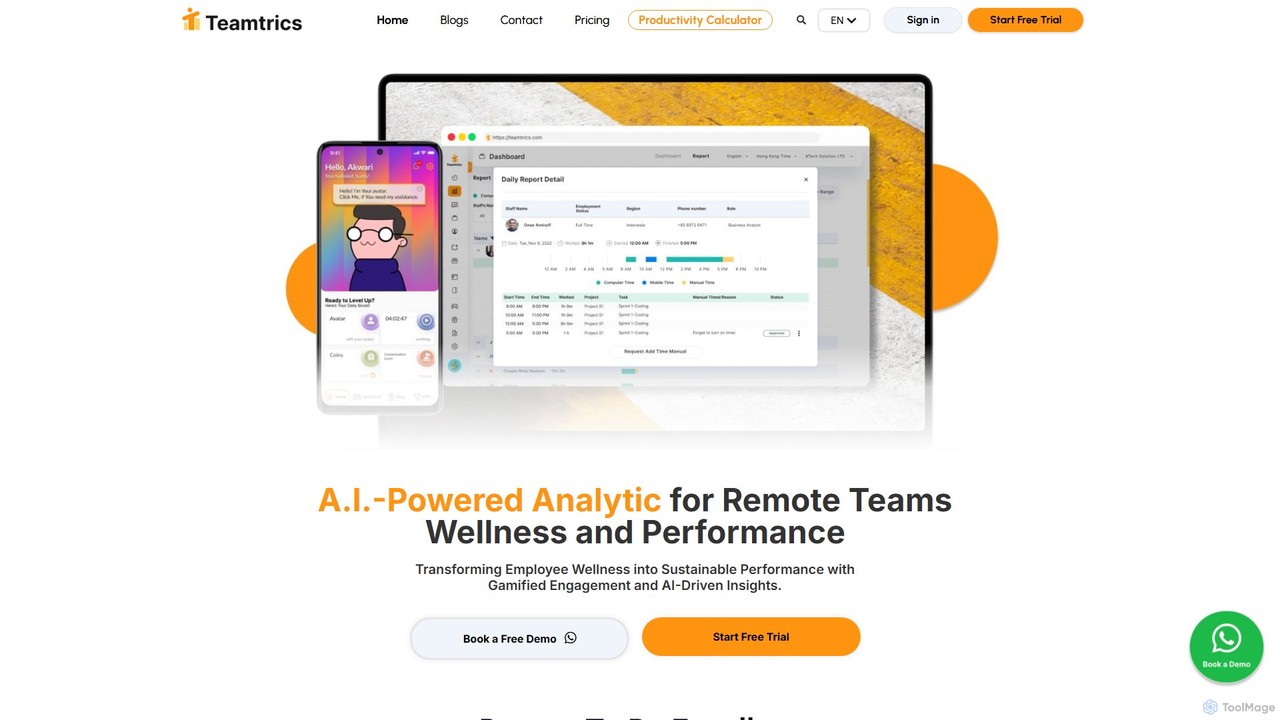
Teamtrics

Teamtrics

Teamtrics is an AI-powered platform designed for remote and hybrid teams, combining productivity management with employee wellness. It …

5.1K
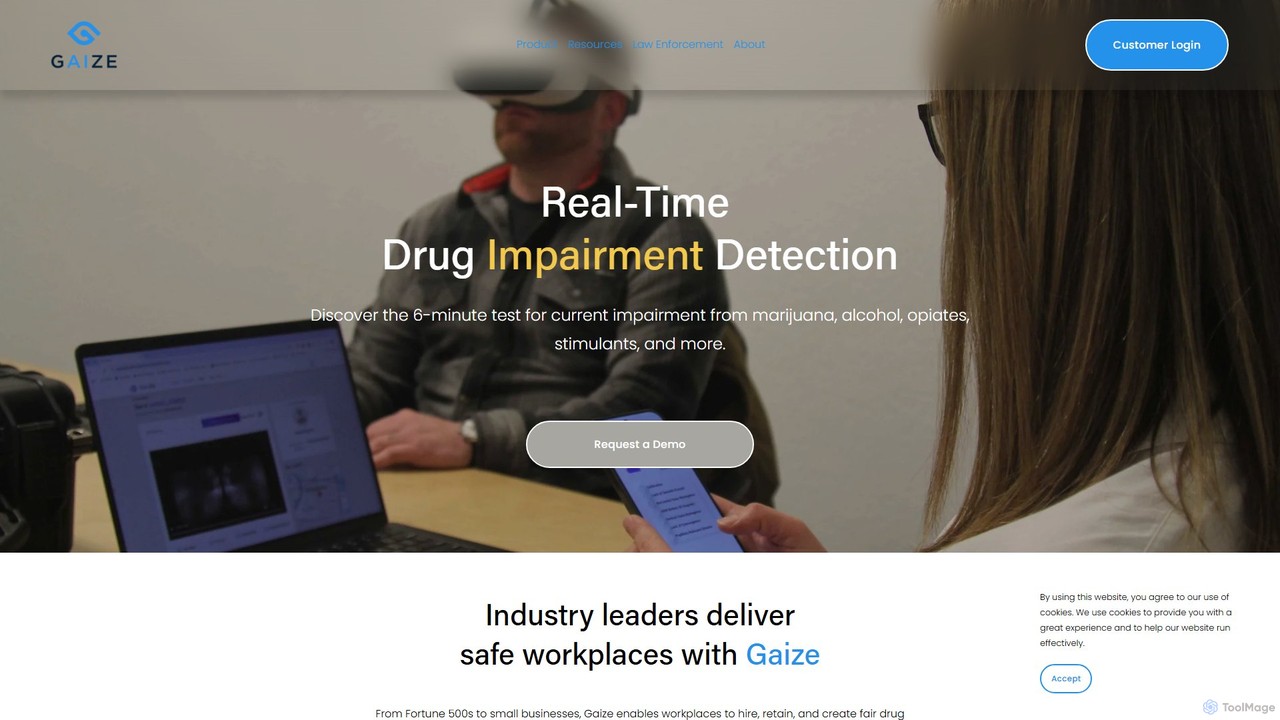
Gaize

Gaize

Gaize is an AI-powered impairment detection platform designed for workplace safety. It uses a rapid, 6-minute automated eye …

10.3K

About Employee Monitoring

Employee Monitoring tools are AI-powered solutions designed to observe, analyze, and report on employee activities and productivity within an organization. These platforms leverage artificial intelligence to track digital interactions, application usage, and time spent on tasks, providing insights into workforce performance and operational efficiency. They help organizations ensure compliance, enhance security, and optimize resource allocation, serving as a specialized component within the broader Human Resources technology landscape.

Core Features

  • Activity Tracking: Monitors application usage, website visits, and keyboard/mouse activity to assess engagement and productivity.
  • Productivity Analysis: Categorizes activities as productive or non-productive, generating detailed reports on individual and team performance.
  • Compliance & Security Monitoring: Detects suspicious activities, data exfiltration attempts, and policy violations to prevent data breaches and ensure regulatory adherence.
  • Time & Attendance Management: Automates time logging, break tracking, and attendance records, especially for remote or hybrid teams.
  • Behavioral Analytics: Uses AI to identify unusual patterns or deviations from normal employee behavior, flagging potential risks or disengagement.

Use Cases

Organizations utilize these tools to gain transparency into their workforce operations, particularly in remote or hybrid work environments. They are crucial for IT departments to enhance data security, for HR to understand productivity trends, and for managers to optimize team performance. Specific applications include ensuring regulatory compliance in sensitive industries and identifying training needs based on activity data.

How to Choose

When selecting an employee monitoring solution, consider its feature set, focusing on the specific needs like productivity tracking, security, or compliance. Evaluate the level of data privacy and transparency offered to employees, ensuring ethical implementation. Assess integration capabilities with existing HR and IT systems, and review scalability to accommodate future growth. Finally, compare pricing models and customer support quality to find a solution that aligns with your organizational values and budget.

Employee MonitoringUse Cases

1

Optimizing Remote Team Productivity

Managers of remote or hybrid teams utilize employee monitoring tools to gain insights into how their teams spend their working hours. By analyzing activity logs, application usage, and productivity scores, they can identify workflow bottlenecks, understand engagement levels, and provide targeted support or training to improve overall team efficiency and output, ensuring remote work remains productive and accountable.

2

Ensuring Data Security & Compliance

IT and security teams deploy employee monitoring solutions to safeguard sensitive company data and ensure regulatory compliance. These tools can detect suspicious activities, such as unauthorized access to confidential files, attempts to exfiltrate data, or violations of company policies. By proactively monitoring digital interactions, organizations can prevent data breaches, mitigate insider threats, and maintain adherence to industry-specific regulations like GDPR or HIPAA.

3

Improving Workforce Time Management

HR and operations departments leverage employee monitoring tools to accurately track work hours, breaks, and project-specific time. This is particularly beneficial for organizations with hourly employees, freelancers, or project-based billing. The automated time logging and attendance records ensure precise payroll processing, fair compensation, and detailed insights into resource allocation, leading to improved project profitability and operational efficiency.

4

Identifying Training & Development Needs

Supervisors and HR professionals can use employee monitoring data to identify skill gaps and areas for professional development. By analyzing application usage patterns, time spent on specific tasks, and productivity metrics, they can pinpoint where employees might be struggling or where additional training could significantly boost performance. This data-driven approach allows for tailored training programs that address specific needs, fostering continuous learning and growth within the workforce.

5

Enhancing Project Billing Accuracy

For consulting firms, agencies, or any business that bills clients based on time spent on projects, employee monitoring tools provide invaluable data for accurate invoicing. Project managers can access detailed reports on the exact hours and activities performed by team members for each client or project. This transparency ensures that clients are billed fairly for actual work, reduces disputes, and improves the overall financial integrity and profitability of projects.

6

Detecting Insider Threats & Fraud

Security analysts and compliance officers utilize advanced employee monitoring tools with AI-powered behavioral analytics to detect potential insider threats or fraudulent activities. These tools establish baselines of normal employee behavior and flag deviations, such as unusual access patterns, large data transfers, or attempts to bypass security protocols. Proactive detection helps organizations prevent intellectual property theft, corporate espionage, and financial fraud before significant damage occurs.

Employee MonitoringFrequently Asked Questions