ToolMage
Sign in

Best 2 Learning & Development AI tools for Human Resources

Popular Learning & Development AI tools in Human Resources include Together Platform and OneClarity, helping you work more efficiently.

OneClarity

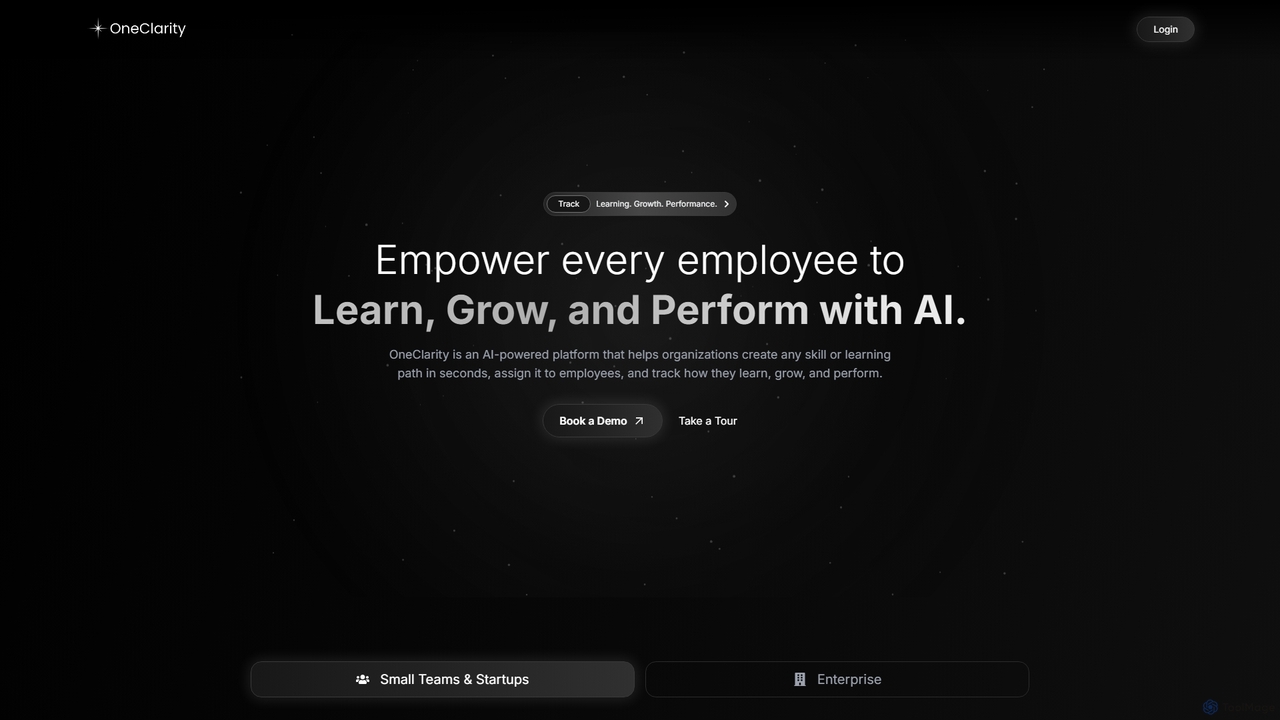
OneClarity

OneClarity is an AI-powered platform designed to empower organizations by streamlining employee learning, growth, and performance management. It enables the rapid creation of custom skill paths, assigns them to employees, and provides real-time tracking of progress and behavioral insights to foster a smarter, more aligned workforce.

Learning & Development
Visits 6.4KFavorites 150Likes 158
Together Platform
Paid

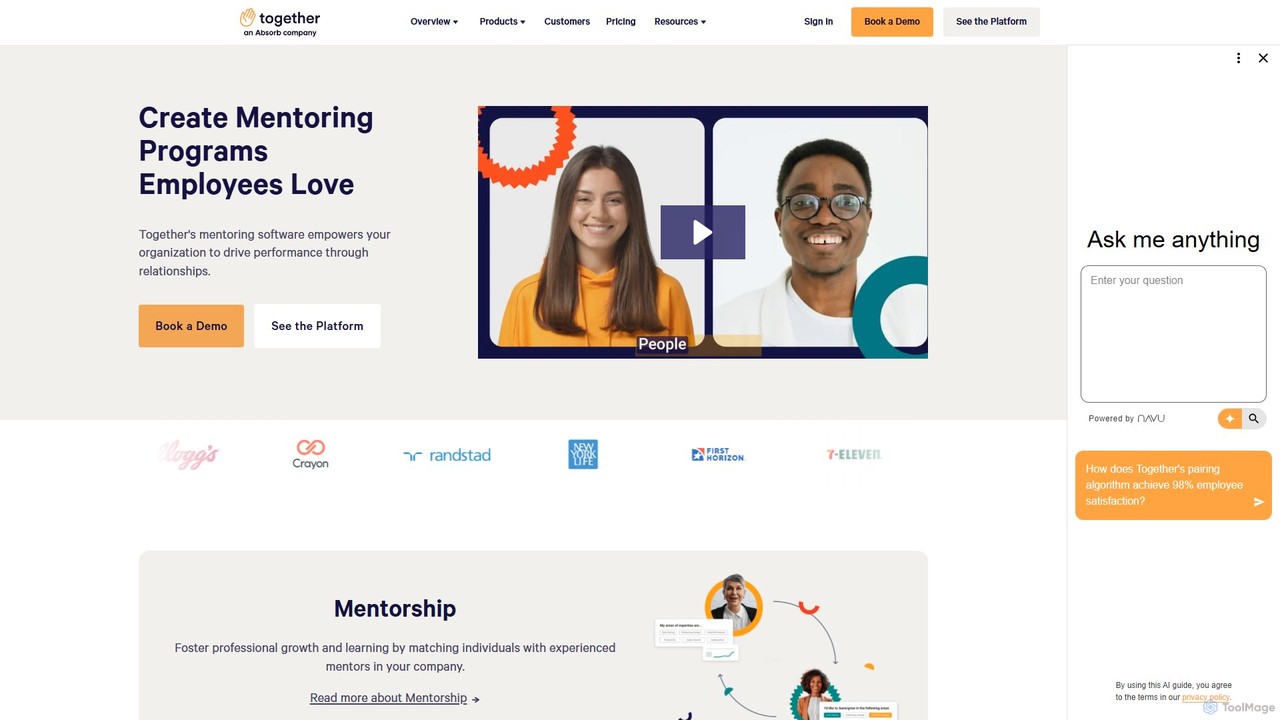
Together Platform

Together Platform is an AI-powered mentoring software for organizations to foster employee growth, enhance retention, and build a connected corporate culture. It automates mentor matching, program management, and impact reporting, making it easy to scale effective development initiatives.

Employee Engagement
Visits 71.1KFavorites 136Likes 141

About Learning & Development

Learning & Development AI tools are a category of AI-powered solutions designed to enhance employee training, skill development, and career growth within organizations. These tools leverage artificial intelligence to personalize learning experiences, automate administrative tasks, and provide data-driven insights into talent development. They play a crucial role in fostering a skilled and adaptable workforce, directly contributing to an organization's human capital strategy.

Core Features

  • Personalized Learning Paths: AI algorithms analyze individual performance, skills, and career goals to recommend tailored learning content and trajectories.
  • Skill Gap Analysis: Automatically identifies discrepancies between required and existing skills, suggesting targeted training interventions.
  • Intelligent Content Curation: Aggregates, organizes, and recommends relevant learning resources from various internal and external sources.
  • Performance Feedback & Coaching: Provides real-time, AI-driven feedback on learning progress and offers virtual coaching for skill refinement.
  • Automated Administration: Streamlines tasks like course enrollment, progress tracking, and certification management.

Applicable Scenarios

These tools are indispensable for corporate HR and L&D departments, enabling efficient onboarding for new hires, continuous upskilling and reskilling of existing employees, and comprehensive leadership development programs. They support organizations in adapting to rapid industry changes by ensuring their workforce possesses the most relevant and future-proof skills.

How to Choose

When selecting Learning & Development AI tools, consider the level of personalization offered, its integration capabilities with existing HRIS and LMS platforms, the quality and breadth of its content curation, and the robustness of its analytics and reporting features. Evaluate the user experience for both learners and administrators, and assess the vendor's commitment to data privacy and security.

Learning & Development use cases

1

Tailoring Upskilling Paths for Employees

HR and L&D managers utilize AI tools to create individualized upskilling programs. By analyzing an employee's current role, performance data, and career aspirations, the AI recommends specific courses, modules, and resources. This ensures employees gain relevant new skills efficiently, closing competency gaps and preparing them for future roles within the company.

2

Automating New Hire Onboarding Training

Companies deploy L&D AI tools to streamline the onboarding process for new employees. The AI delivers a structured, interactive training curriculum, covering company policies, culture, and essential job-specific skills. This automation reduces the burden on HR staff, ensures consistent training quality, and accelerates new hires' productivity and integration into the team.

3

Proactively Identifying and Addressing Skill Gaps

Organizations use AI-powered L&D platforms to conduct continuous skill gap analyses across their workforce. The AI compares current employee skill sets against future business needs and industry trends, highlighting critical deficiencies. It then suggests targeted training interventions, helping the company maintain a competitive edge and adapt to evolving market demands.

4

Enhancing Leadership Development Programs

L&D AI tools support the development of current and aspiring leaders by offering personalized coaching and curated content. The AI can analyze leadership styles, provide feedback on communication, and recommend resources for improving strategic thinking or team management. This fosters a strong leadership pipeline, crucial for organizational resilience and growth.

5

Generating Dynamic and Engaging Learning Content

Content creators and L&D specialists leverage AI to rapidly develop and adapt learning materials. AI can assist in generating quizzes, interactive simulations, or even personalized scenarios based on learning objectives. This capability significantly reduces content creation time, ensures relevance, and enhances learner engagement through varied and dynamic formats.

6

Analyzing and Optimizing Training Program Effectiveness

L&D AI tools provide advanced analytics to track learner progress, engagement, and knowledge retention. They can correlate training outcomes with performance metrics, allowing L&D teams to assess the ROI of programs. This data-driven approach enables continuous optimization of training content and delivery methods, ensuring maximum impact on employee development.

Learning & Development FAQ

What are Learning & Development AI tools?

Learning & Development (L&D) AI tools are software solutions that use artificial intelligence to optimize employee training and skill enhancement within organizations. They leverage AI to personalize learning experiences, automate administrative tasks, and provide data-driven insights into workforce development. These tools aim to make corporate learning more efficient, engaging, and impactful.

How do Learning & Development AI tools personalize learning?

L&D AI tools personalize learning by analyzing individual employee data, including their current skills, job role, performance history, and career aspirations. Based on this analysis, AI algorithms recommend specific courses, modules, articles, or videos that are most relevant to the individual's needs and goals. This tailored approach ensures learners receive content that directly addresses their development areas, making the learning process more effective and engaging than one-size-fits-all training.

What's the difference between L&D AI tools and traditional e-learning platforms?

Traditional e-learning platforms primarily offer a static catalog of courses and content, relying on learners to navigate and select. In contrast, L&D AI tools go beyond content delivery by actively using AI to personalize, automate, and analyze. They can dynamically adapt learning paths, provide intelligent recommendations, conduct skill gap analyses, and offer AI-driven coaching, making the learning experience more adaptive, proactive, and data-driven compared to conventional systems.

Who benefits most from using Learning & Development AI tools?

Organizations of all sizes, particularly those with large workforces or rapidly evolving skill requirements, benefit significantly. HR and L&D departments gain efficiency and strategic insights. Employees benefit from highly relevant and engaging learning experiences that accelerate their skill growth and career progression. Companies in tech, healthcare, finance, and manufacturing, which require continuous upskilling, find these tools particularly valuable for maintaining a competitive and adaptable talent pool.

What should I consider when choosing a Learning & Development AI tool?

When selecting an L&D AI tool, prioritize its ability to offer deep personalization and adaptive learning paths. Evaluate its integration capabilities with your existing HRIS and LMS for seamless data flow. Consider the quality and breadth of its content curation features, ensuring it can source relevant and up-to-date materials. Additionally, assess its analytics and reporting functionalities for measuring impact, and ensure it provides a user-friendly experience for both learners and administrators, alongside robust data security.