ToolMage
Sign in

Best 2 Pre Employment Screening AI tools for Human Resources

Popular Pre Employment Screening AI tools in Human Resources include Verificient and assess, helping you work more efficiently.

assess
Paid

assess

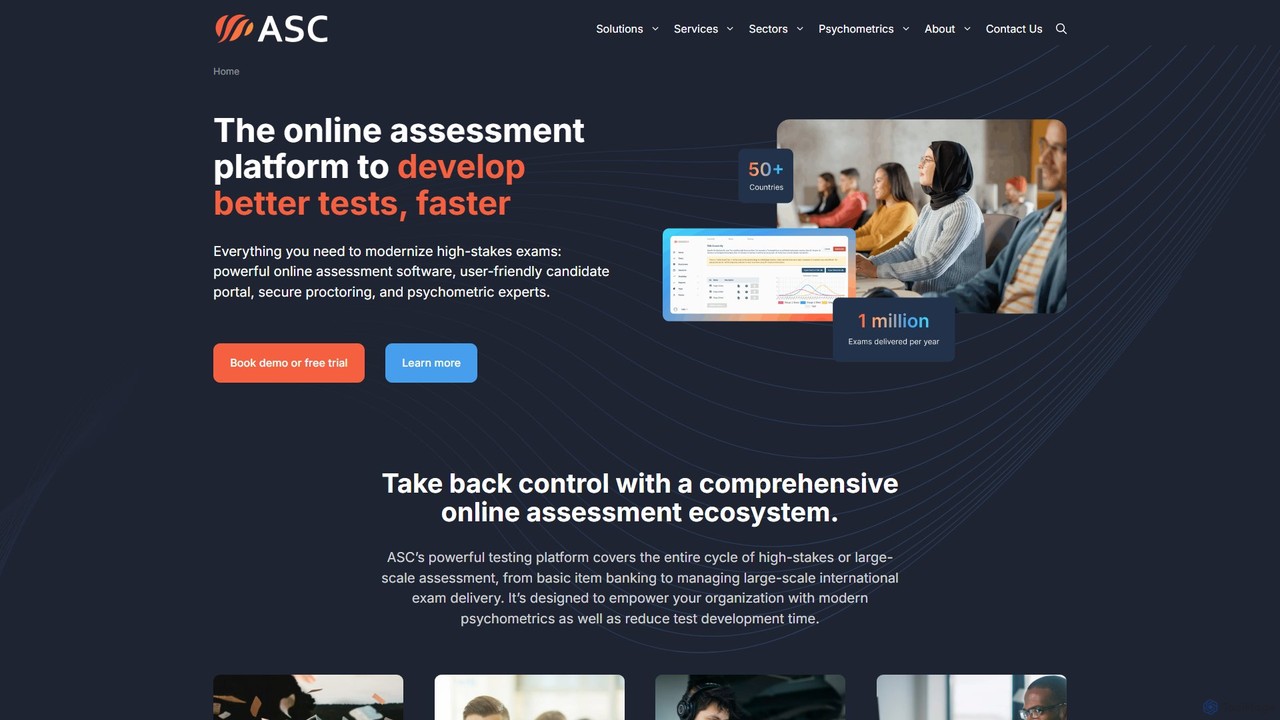
An advanced online assessment platform leveraging AI and psychometrics for high-stakes exams. It offers an end-to-end solution, including item banking, adaptive testing (CAT), secure proctoring, and expert consulting for certification, HR, and education.

Testing
Visits 66.3KFavorites 166Likes 165
Verificient
Paid

Verificient

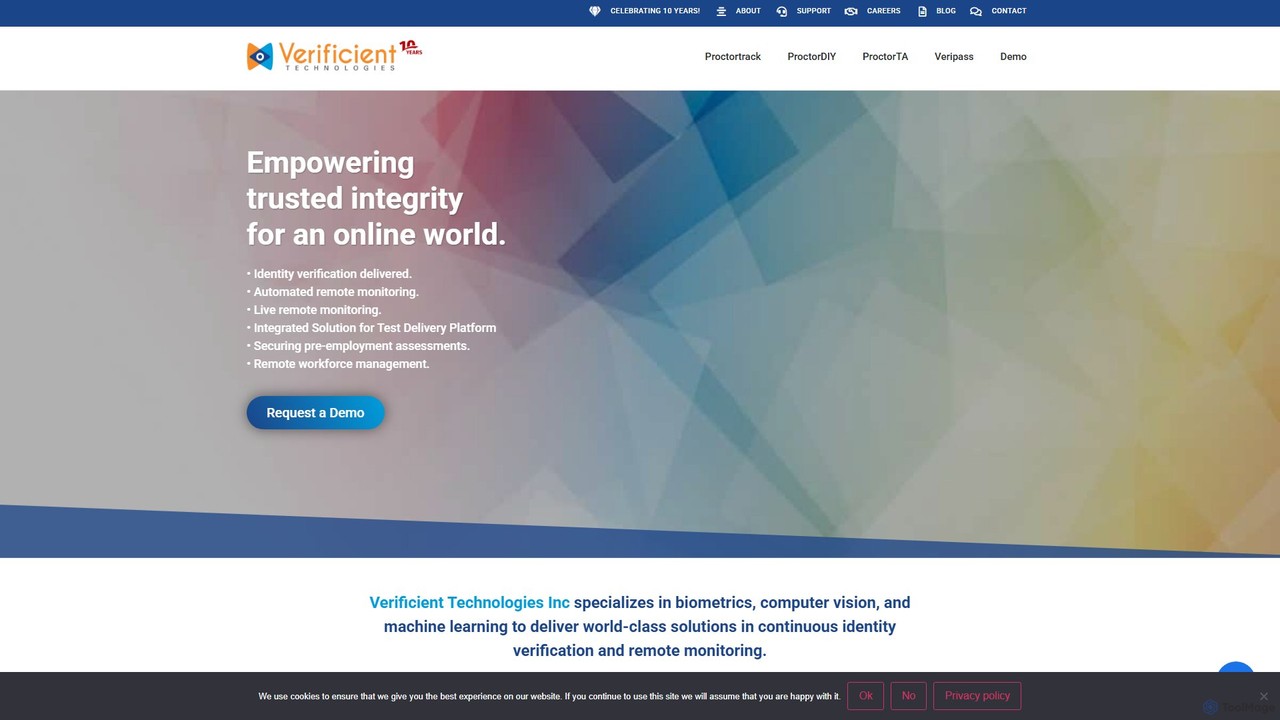
Verificient is an AI-powered identity verification and remote proctoring platform. It leverages biometrics, computer vision, and machine learning to ensure the integrity of online assessments, pre-employment screening, and remote workforce management. Its suite of tools provides continuous, automated, and live monitoring to create a secure and trusted online environment.

Online Proctoring
Visits 120.7KFavorites 120Likes 134

About Pre Employment Screening

AI Pre-Employment Screening tools are specialized platforms that automate and enhance the evaluation of job candidates before hiring. They leverage machine learning and natural language processing (NLP) to analyze resumes, assess skills, and identify top talent from large applicant pools. This helps organizations save significant time, reduce unconscious bias, and improve the quality of hires by making data-driven decisions. Unlike general HR suites, these tools focus specifically on the critical top-of-funnel recruitment stages.

Core Features

  • Automated Resume Parsing: Intelligently extracts and standardizes key information like skills, experience, and education from various resume formats.
  • AI-Powered Skill Assessments: Creates, administers, and automatically grades customized tests for technical, cognitive, or soft skills.
  • Video Interview Analysis: Evaluates pre-recorded video interviews for communication style, key competencies, and role-relevant language.
  • Predictive Performance Modeling: Uses data to forecast a candidate's potential for success and cultural fit within the organization.
  • Bias Reduction Algorithms: Masks demographic information and focuses on objective criteria to ensure fair and equitable evaluation.

Use Cases

These tools are primarily used by corporate HR departments, recruitment agencies, and high-growth companies facing a large volume of applications. For example, a tech company can use them to automatically screen thousands of engineering applicants for specific coding language proficiency. A customer service center can assess communication skills through AI-powered simulated scenarios, ensuring consistent evaluation standards.

How to Choose

When selecting a tool, consider its integration capabilities with your existing Applicant Tracking System (ATS). Evaluate the scientific validity and fairness of its assessment models. Also, assess the range of skills it can evaluate and its compliance with data privacy regulations like GDPR or CCPA. The quality of the candidate experience is also a critical factor.

Pre Employment Screening use cases

1

High-Volume Technical Role Screening

A tech company's HR team needs to hire 50 software engineers from over 3,000 applicants. They use an AI screening tool to automatically parse resumes, filter for mandatory skills (e.g., Python, AWS), and send automated coding challenges. The tool auto-grades the challenges, ranking candidates by performance and code quality. This reduces the manual review time from weeks to a few days, allowing recruiters to focus on interviewing the top 5% of qualified candidates.

2

Standardizing Sales Candidate Evaluation

A national sales organization wants to ensure consistent hiring standards across different regions. They implement an AI tool that uses pre-recorded video interviews. Candidates answer standardized questions about handling objections or pitching a product. The AI analyzes their word choice, tone, and clarity to provide an objective communication skills score, helping managers identify candidates with strong potential regardless of interviewer bias.

3

Assessing Soft Skills for Customer Support Roles

A call center needs to assess empathy and problem-solving skills for new customer support agents. They use an AI screening platform with situational judgment tests (SJTs). Candidates respond to simulated customer complaints via text or voice. The AI evaluates their responses for tone, empathy, and adherence to company policy, providing a detailed report on their suitability for a customer-facing role and helping to reduce early-stage employee turnover.

4

Reducing Bias in Graduate Recruitment Programs

A large consulting firm aims to improve diversity in its graduate intake. They use an AI screening tool that anonymizes resumes by removing names, universities, and other identifying information. The system evaluates candidates based purely on skills, project experience, and assessment results. This helps create a more diverse shortlist for first-round interviews, focusing solely on merit and potential rather than background.

5

Verifying Credentials and Background Information

A financial services company must conduct thorough background checks for compliance. They use an AI screening tool that integrates with verification services. The tool automates the process of checking educational qualifications, employment history, and public records. It flags discrepancies and provides a consolidated report, speeding up the due diligence process and ensuring regulatory compliance with greater accuracy.

6

Predicting Job Fit for Management Positions

A retail chain is hiring store managers and wants to predict long-term success. They use an AI platform that combines psychometric assessments with predictive analytics. The tool analyzes candidates' personality traits, leadership styles, and cognitive abilities against a profile of the company's top-performing managers. This provides a 'job fit' score, helping executives identify candidates most likely to thrive in the company culture and drive results.

Pre Employment Screening FAQ

What is AI Pre-Employment Screening?

AI Pre-Employment Screening is the use of artificial intelligence to automate and improve the evaluation of job candidates before they are hired. These tools analyze resumes, conduct automated skill assessments, and analyze video interviews to identify the most qualified applicants from a large pool. Their primary goal is to make the initial screening process faster, more objective, and more data-driven than traditional manual methods.

How do I choose the right AI screening tool?

To choose the right tool, consider these key factors:

  • Integration: Does it connect seamlessly with your existing Applicant Tracking System (ATS) or HRIS?
  • Assessment Validity: Are the skill tests and predictive models scientifically validated and relevant to your job roles?
  • Candidate Experience: Is the platform easy and engaging for applicants to use? A poor experience can deter top talent.
  • Compliance & Bias Mitigation: Does the tool comply with local labor laws and data privacy regulations (like GDPR)? Does it have features to reduce unconscious bias?
What's the difference between AI screening and an Applicant Tracking System (ATS)?

A traditional Applicant Tracking System (ATS) is primarily a database for managing applications and tracking candidates through the hiring pipeline. AI Pre-Employment Screening tools are more analytical. While an ATS stores resumes, an AI screening tool evaluates them, scores skills, analyzes interviews, and predicts performance. Many AI tools integrate with an ATS to add this layer of intelligent filtering at the top of the hiring funnel, transforming the ATS from a passive storage system into an active evaluation engine.

Can AI tools completely replace human recruiters in screening?

No, AI tools are designed to augment, not replace, human recruiters. They excel at handling high-volume, repetitive tasks like filtering thousands of resumes or grading standardized tests. This frees up recruiters' time to focus on more strategic activities, such as engaging with top candidates, conducting in-depth interviews, and making the final, nuanced hiring decision. The AI provides data and recommendations, but the human touch remains crucial for building relationships and assessing cultural fit.

What types of roles are best suited for AI pre-employment screening?

AI screening is most effective for roles that attract a large volume of applicants, making manual review impractical. This includes entry-level positions, customer service roles, software engineering, and sales development representatives. It is also valuable for any role where specific, measurable skills (like coding, language proficiency, or data analysis) are critical and can be tested objectively at scale. For highly specialized or senior executive roles, it's more often used as a supplementary data point rather than the primary screening method.