Image Best in category 2 results 3D Generation AI Tool

Popular AI tools in the 3D Generation field of Image include Kaedim3D、Masterpiece X, etc., helping you quickly improve efficiency.

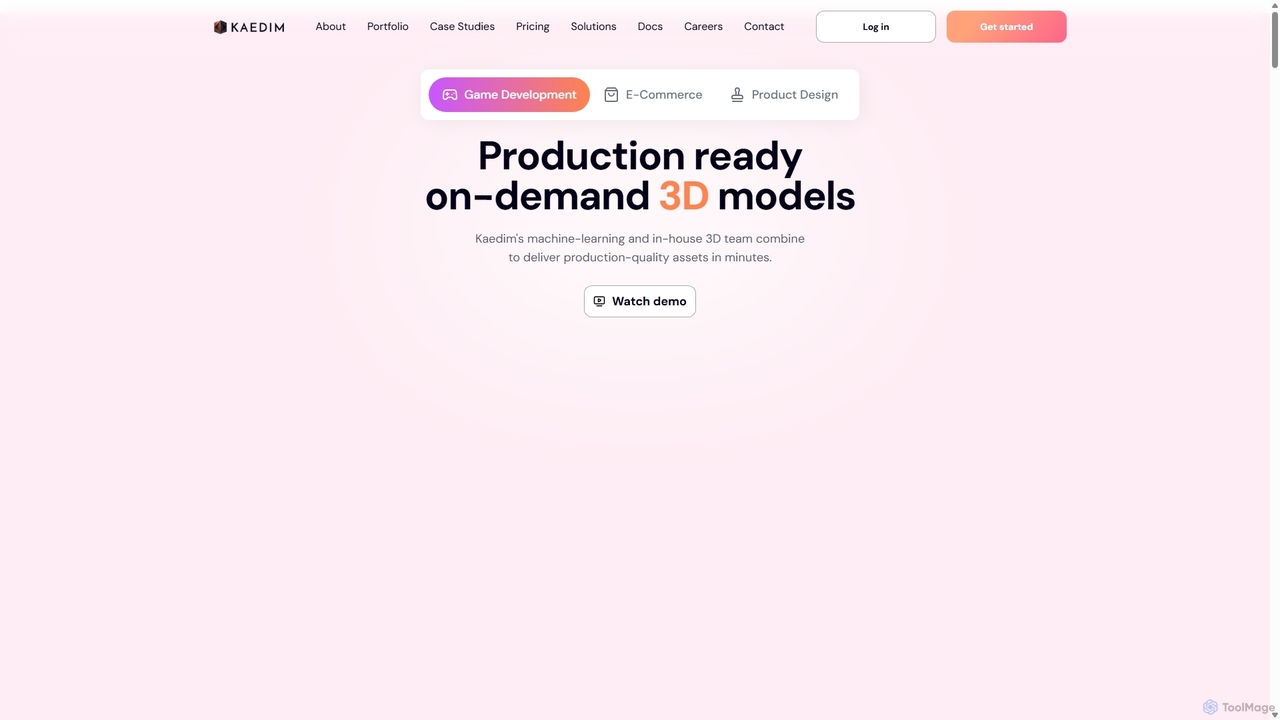
Kaedim3D

Kaedim3D

Kaedim3D is an AI-powered platform that accelerates 3D asset creation by transforming 2D images or text descriptions into …

60.9K
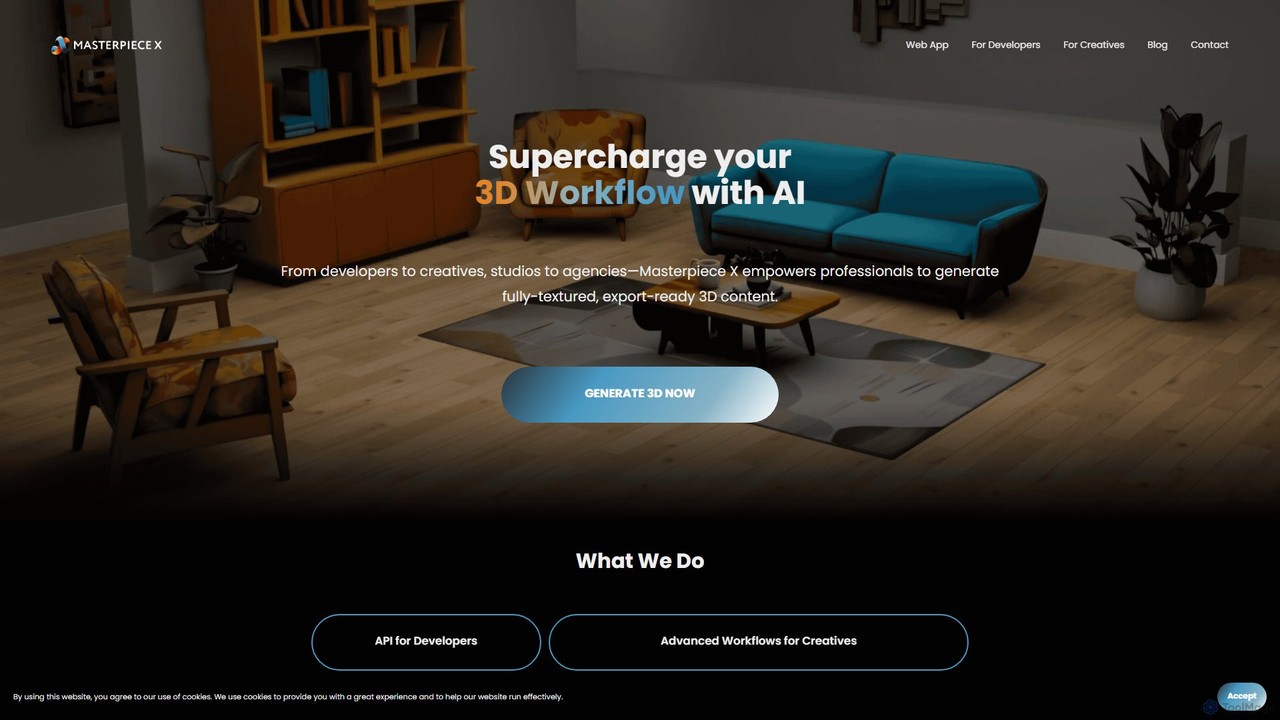
Masterpiece X

Masterpiece X

Masterpiece X is an advanced AI-powered 3D creation platform designed for professionals and creatives. It enables users to …

17.6K

About 3D Generation

3D Generation tools are AI-powered platforms that create three-dimensional models, textures, and scenes from various inputs like text descriptions, 2D images, or sketches. These tools leverage advanced generative AI models, including neural radiance fields (NeRFs) and diffusion models, to synthesize complex 3D assets with remarkable speed and detail. They significantly accelerate the 3D content creation pipeline, making sophisticated 3D design more accessible to a wider range of users. As a specialized segment within the broader AI Image category, 3D Generation focuses on transforming diverse visual or textual prompts into tangible volumetric data, pushing the boundaries of digital content production.

Core Features

  • Text-to-3D Model: Generates detailed 3D objects, characters, or entire scenes directly from natural language descriptions, enabling rapid prototyping.
  • Image-to-3D Conversion: Transforms one or more 2D images into a full 3D model, intelligently inferring depth, geometry, and surface details.
  • 3D Texture & Material Generation: Creates realistic or stylized textures and physically based rendering (PBR) materials for existing 3D models, enhancing visual fidelity.
  • Scene Reconstruction: Builds complete 3D environments or digital twins from a series of 2D photographs, video footage, or LiDAR scans.
  • Stylized Asset Creation: Produces 3D models in specific artistic styles, ranging from photorealistic to highly stylized or cartoonish aesthetics, based on user preferences.

Applicable Scenarios

Professionals across various creative and technical fields frequently utilize 3D Generation tools. Game developers can rapidly prototype game assets, characters, and environments, significantly cutting down production time. Architects and interior designers can quickly visualize complex design concepts and generate realistic models of furniture or entire room layouts. Product designers benefit from generating multiple iterations of product models for review and marketing, streamlining their workflows and reducing manual effort in the initial design phases.

How to Choose

When selecting an AI 3D Generation tool, consider several key factors. Evaluate the flexibility of input methods, such as text, single image, or multiple images, and the overall quality and fidelity of the generated 3D output. Assess its compatibility with standard 3D software formats (e.g., OBJ, FBX, GLB) for seamless integration into existing pipelines. Additionally, consider the tool's ease of use, available customization options, and the cost-effectiveness for your specific project scale and budget requirements.

3D GenerationUse Cases

1

Game Asset Prototyping

Game developers use AI 3D generation to quickly create diverse props, environmental elements, or even basic character models from text prompts or concept art. This accelerates the initial design phase, allowing for rapid iteration and testing of visual styles before committing to detailed manual modeling. It significantly reduces the time and resources required to populate virtual worlds with a wide array of objects and scenes.

2

E-commerce Product Visualization

Online retailers leverage these tools to transform 2D product photos into interactive 3D models. Customers can then view products from all angles, enhancing the shopping experience and potentially reducing return rates, all without the need for expensive 3D scanning or extensive manual modeling. This provides a more immersive and informative product presentation.

3

Architectural & Interior Design Visualization

Architects and interior designers generate 3D models of furniture, fixtures, or entire room layouts from simple sketches, floor plans, or descriptive text. This enables faster client presentations, design iterations, and a more immersive understanding of proposed spaces. It streamlines the visualization process, allowing for quick adjustments and feedback loops.

4

Virtual Reality (VR) / Augmented Reality (AR) Content Creation

Creators of VR/AR experiences utilize 3D generation tools to rapidly populate virtual environments with a wide array of objects and scenes. This significantly reduces the time and resources required to build rich, interactive digital worlds, making immersive content more accessible. It allows for quick experimentation with different assets and layouts within the virtual space.

5

Film & Animation Pre-visualization

Filmmakers and animators employ AI 3D generation for pre-visualization, quickly creating placeholder 3D assets and environments for scene blocking and camera layout. This helps in planning complex shots and sequences efficiently, saving significant production time and costs. It allows creative teams to iterate on visual storytelling before committing to final high-fidelity rendering.

6

Industrial Design & Rapid Prototyping

Industrial designers use these tools to generate initial 3D concepts for new products based on design briefs or functional requirements. This allows for quick exploration of various forms and aesthetics, facilitating faster design cycles and informed decisions before physical prototyping. It empowers designers to visualize and refine ideas with unprecedented speed.

3D GenerationFrequently Asked Questions