Image Best in category 2 results 3D Model Generation AI Tool

Popular AI tools in the 3D Model Generation field of Image include Metail、Stable Video 3D, etc., helping you quickly improve efficiency.

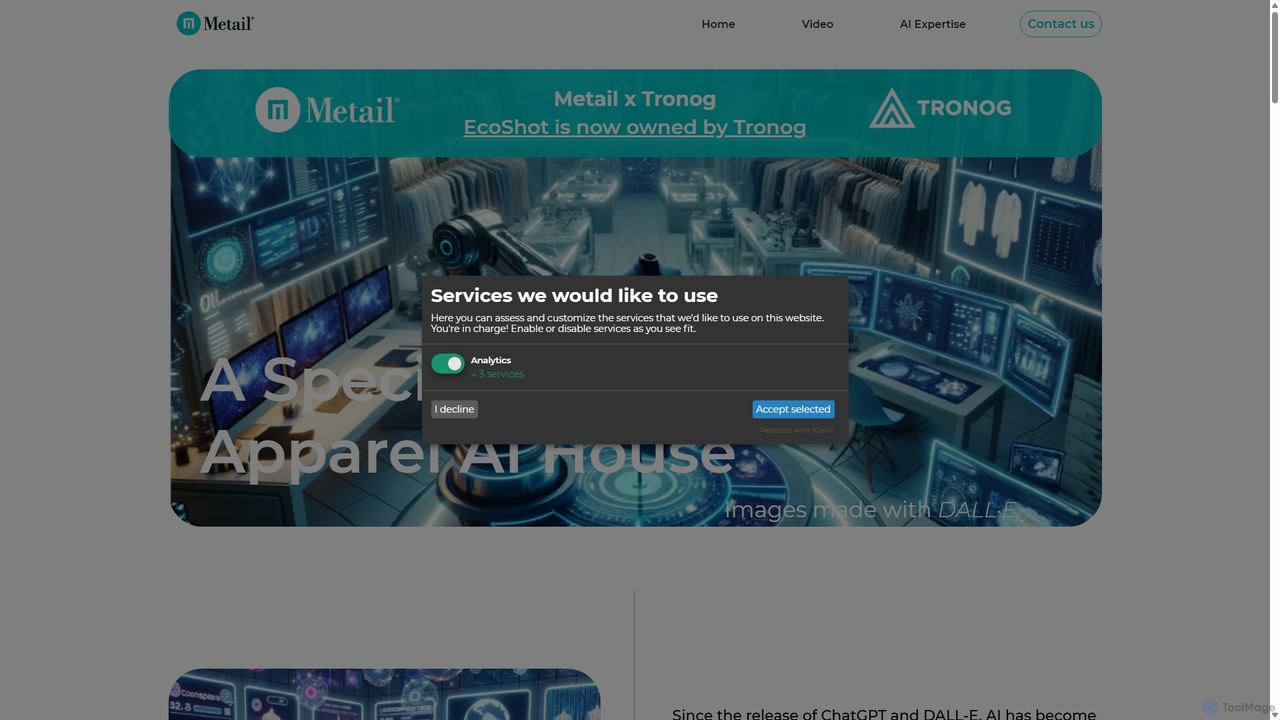
Metail

Metail

Metail is a specialist Apparel AI House that provides advanced solutions for the fashion industry. It leverages computer …

3.6K
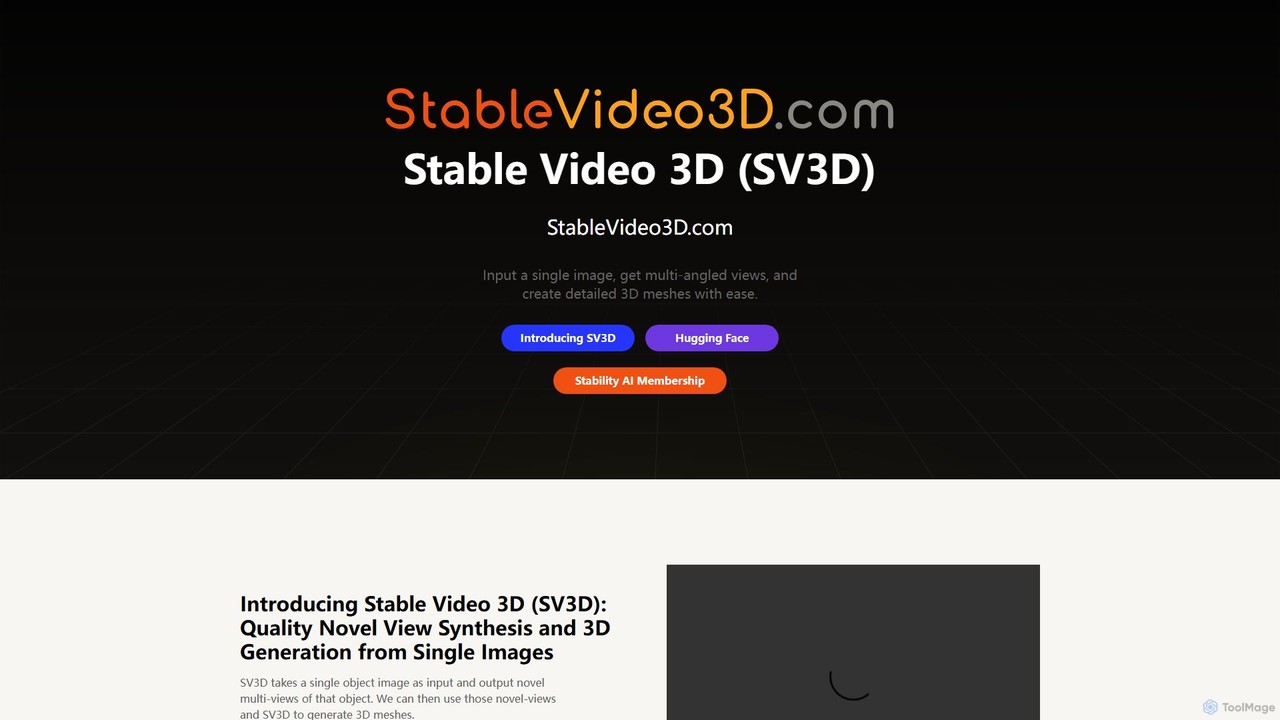
Stable Video 3D

Stable Video 3D

Stable Video 3D (SV3D) is a generative AI model by Stability AI that creates high-quality 3D videos and …

3.3K

About 3D Model Generation

3D Model Generation tools are AI-powered platforms that automatically create three-dimensional models from various inputs like text descriptions, 2D images, or existing 3D data. These tools leverage advanced deep learning algorithms, including neural radiance fields (NeRFs) and generative adversarial networks (GANs), to synthesize complex geometries, textures, and materials. They significantly accelerate the creation of digital assets for industries ranging from gaming and virtual reality to product design and architectural visualization, democratizing access to 3D content creation.

Core Features

  • Text-to-3D: Generates detailed 3D models directly from natural language descriptions.
  • Image-to-3D: Converts single or multiple 2D images into realistic 3D objects or scenes.
  • Mesh Reconstruction: Creates watertight 3D meshes from point clouds or scanned data.
  • Texture & Material Generation: Automatically applies realistic textures and PBR materials to 3D models.
  • Stylization & Variation: Allows users to modify model styles or generate multiple variations from a base input.

Use Cases

These tools are invaluable for game developers needing rapid asset prototyping, architects visualizing designs, and e-commerce businesses creating interactive product displays. They streamline workflows by automating labor-intensive modeling tasks, enabling faster iteration and reducing production costs for digital content creators and designers.

How to Choose

When selecting a 3D model generation tool, consider the input types it supports (text, image, scan), the quality and complexity of the output models, ease of integration with existing 3D software, and the pricing model. Evaluate the level of control offered for customization and the availability of pre-trained models or asset libraries.

3D Model GenerationUse Cases

1

Rapid Prototyping for Game Development

Game designers and artists can quickly generate diverse 3D assets like environmental props, character accessories, or architectural elements from simple text prompts or concept art. This accelerates the initial design phase, allowing for rapid iteration and visualization of game worlds without extensive manual modeling, significantly cutting down development time.

2

E-commerce Product Visualization

Online retailers can transform 2D product photos into interactive 3D models for their websites. This enables customers to view products from all angles, enhancing the shopping experience and reducing return rates. AI tools automate the conversion process, making it scalable for large product catalogs.

3

Architectural Design & Visualization

Architects and interior designers can generate 3D models of buildings, furniture, or landscape elements from sketches, floor plans, or reference images. This facilitates quick visualization of design concepts, client presentations, and virtual walkthroughs, allowing for efficient design exploration and modification.

4

Virtual Reality (VR) & Augmented Reality (AR) Content Creation

Developers of VR/AR experiences can rapidly populate virtual environments with realistic 3D objects and scenes. By generating assets from text or images, they can create immersive digital worlds or overlay virtual objects onto real-world views more efficiently, reducing the manual effort required for asset creation.

5

Film & Animation Asset Production

Animators and VFX artists can generate background props, environmental details, or even initial character models from concept art or textual descriptions. This speeds up the asset creation pipeline for film and animation projects, allowing artists to focus on refinement and creative storytelling rather than repetitive modeling tasks.

6

Industrial Design & Manufacturing Prototyping

Industrial designers can generate conceptual 3D models of new products from design specifications or sketches. These models can be used for early-stage visualization, form factor evaluation, and even 3D printing for physical prototypes, significantly shortening the design cycle and facilitating faster product development.

3D Model GenerationFrequently Asked Questions