
Image Editing Best in category 1 results Face Editing AI Tool

Popular AI tools in the Face Editing field of Image Editing include PiktID, etc., helping you quickly improve efficiency.

PiktID

PiktID

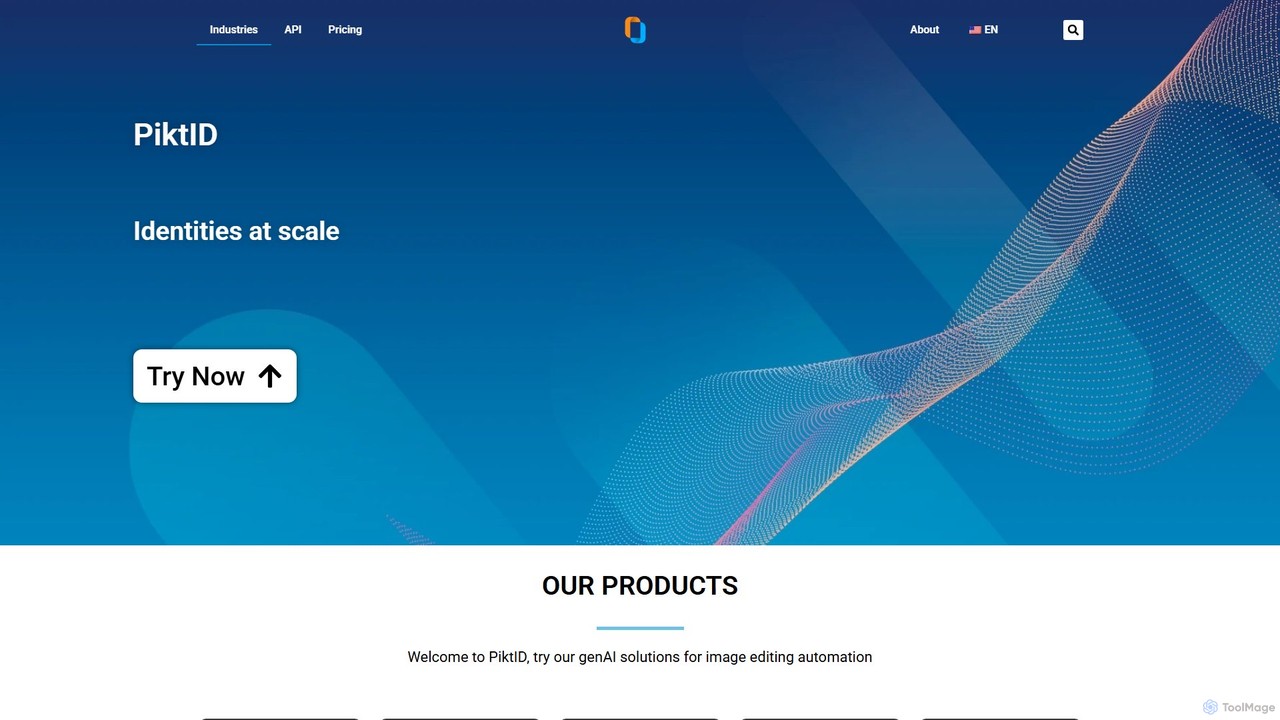
PiktID is a comprehensive AI-powered image editing suite for professionals. It specializes in GDPR-compliant face anonymization, high-resolution face …

96.1K

About Face Editing

AI Face Editing tools are specialized applications that use artificial intelligence to precisely analyze and modify human facial features in images and videos. Leveraging deep learning models like Generative Adversarial Networks (GANs), these tools can automatically detect facial structures to perform tasks from subtle retouching to significant transformations. They are widely used to enhance portraits, create compelling marketing content, and explore creative character designs with high efficiency and realism. This focused approach offers more granular control over facial attributes than general-purpose image editors.

Core Features

  • AI Skin Retouching: Automatically removes blemishes, smooths skin texture, and evens out skin tone while preserving natural details.
  • Facial Structure Adjustment: Allows for fine-tuning of facial features such as eyes, nose, jawline, and lips with slider-based controls.
  • Expression Alteration: Modifies facial expressions, such as adding a smile, adjusting gaze, or conveying different emotions.
  • Digital Makeup Application: Virtually applies various makeup styles, including lipstick, eyeshadow, and foundation, with realistic results.
  • Age & Attribute Modification: Intelligently simulates the effects of aging or de-aging, and can alter other attributes like hair color or gender presentation.

Use Cases

These tools are invaluable for professional photographers, social media managers, and marketing agencies looking to produce flawless portraits and campaign visuals. Digital artists and game developers use them for rapid character prototyping. In the beauty industry, they power virtual try-on applications, enhancing the e-commerce experience.

How to Choose

When selecting a tool, consider the level of realism and the subtlety of the edits. Evaluate the granularity of control over specific features—some tools offer more detailed adjustments than others. Processing speed, especially for video, is a key factor. Finally, review the platform's data privacy policy, as you will be processing sensitive personal images.

Face EditingUse Cases

1

Professional Portrait Retouching for Photographers

A professional photographer needs to deliver a batch of 50 headshots to a corporate client. Manually retouching each photo to remove minor blemishes, soften wrinkles, and balance skin tones could take hours. By using an AI Face Editing tool, the photographer can apply a consistent, high-quality retouching preset across all images in minutes. The AI intelligently identifies skin imperfections and corrects them while preserving essential textures like pores and fine lines, ensuring a natural yet polished look. This dramatically reduces post-production time, allowing the photographer to handle more clients and maintain a high standard of quality.

2

Enhancing Social Media Content

A social media influencer wants to maintain a consistent and appealing aesthetic for their Instagram feed. They take multiple photos but lighting conditions vary, and they want to ensure they always look their best. Using an AI Face Editing app, they can quickly even out their skin tone, brighten their eyes, and even apply a subtle digital makeup look that matches their brand. The ability to slightly adjust their smile or gaze can also help convey the right mood for a post. This allows for rapid content creation and ensures a high-quality, professional appearance across all their social media platforms, boosting engagement.

3

Virtual Makeup Try-On for E-commerce

A cosmetics brand wants to increase online sales by allowing customers to see how products look on them before buying. By integrating an AI Face Editing API into their website or app, they can offer a virtual try-on feature. The AI accurately detects the user's facial features, such as lips and eyes, and overlays different shades of lipstick or eyeshadow with remarkable realism. It accounts for the user's skin tone and ambient lighting. This interactive experience helps customers make confident purchasing decisions, reduces product returns, and significantly boosts conversion rates for the online store.

4

Rapid Character Prototyping for Game Development

A concept artist for a video game studio is tasked with creating dozens of unique non-player characters (NPCs). Instead of drawing each face from scratch, they use an AI Face Editing tool. Starting with a base model or a stock photo, the artist can use sliders to adjust facial proportions, change eye color, add scars, simulate aging, and alter expressions to quickly generate a wide variety of character concepts. This allows for rapid iteration and exploration of different looks, saving hundreds of hours in the early stages of game design and helping the creative team visualize the game's world more effectively.

5

Correcting Imperfections in Marketing Visuals

A marketing team is preparing a campaign featuring lifestyle photos of people using their product. In one key photo, the model's expression isn't quite right, and there's a distracting reflection in their glasses. Instead of arranging an expensive reshoot, the team uses an AI Face Editing tool. They subtly adjust the model's mouth to create a more pleasant smile and use an advanced feature to remove the reflection from the glasses. The tool's AI ensures these changes blend seamlessly with the rest of the image. This saves the campaign budget and timeline, allowing the team to launch on schedule with polished, effective visuals.

6

Anonymizing Faces for Privacy in Journalism

An investigative journalist needs to publish a photo of a sensitive source but must protect their identity. Traditional methods like blurring or pixelating the face are often jarring and can look unprofessional. Using an AI Face Editing tool, the journalist can subtly alter the source's key facial features—such as changing the jawline, nose shape, and eye spacing—to create a new, non-existent face that is still realistic. This method, sometimes called 'anonymization by synthesis,' preserves the authenticity of the photograph's context while effectively making the individual unrecognizable, thus upholding both journalistic integrity and the source's safety.

Face EditingFrequently Asked Questions