ToolMage
Sign in

Best 3 Hairstyle Changer AI tools for Image Editing

Popular Hairstyle Changer AI tools in Image Editing include Longhair, Hairfilter, and BraidTry, helping you work more efficiently.

Hairfilter
Freemium

Hairfilter

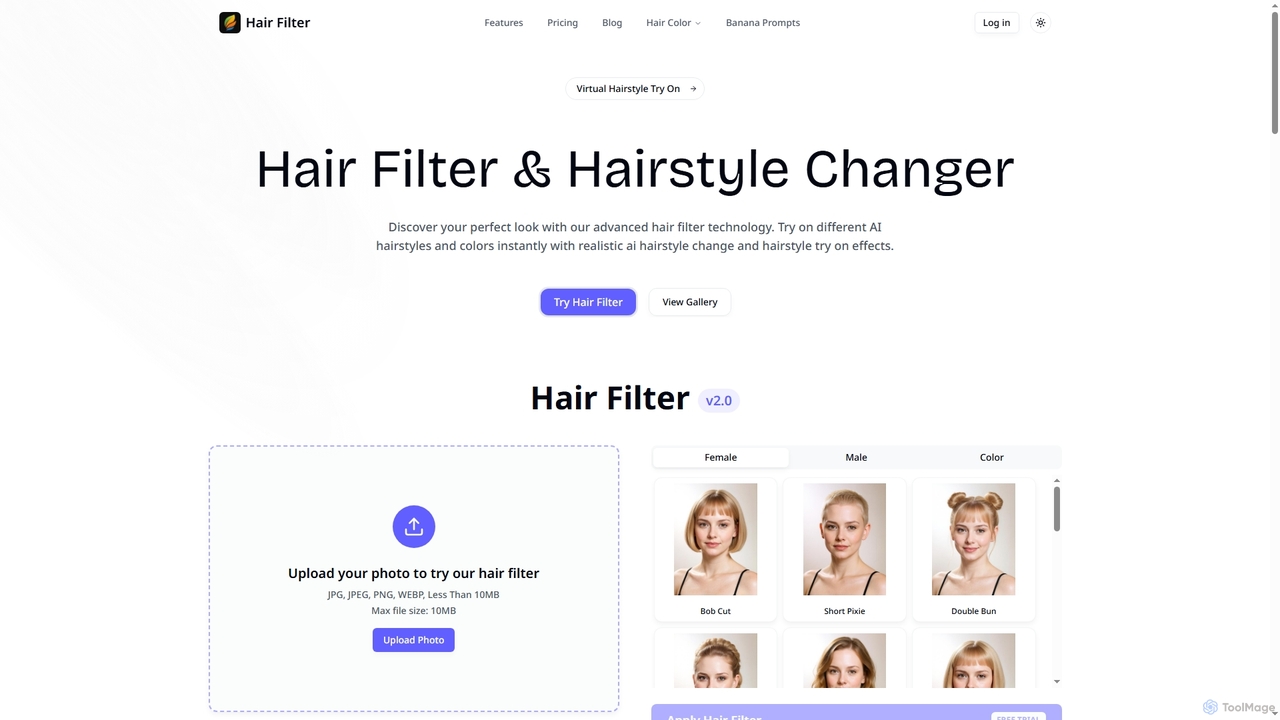
Hairfilter is an advanced AI-powered virtual hairstyle try-on tool that allows users to instantly experiment with various hairstyles and colors. Upload a photo, choose from a vast library of AI-generated styles, and see realistic transformations in seconds. It's perfect for beauty enthusiasts, salon clients, stylists, and social media influencers looking to visualize new looks effortlessly.

Virtual Try On
Visits 7.1KFavorites 129Likes 124
Longhair
Freemium

Longhair

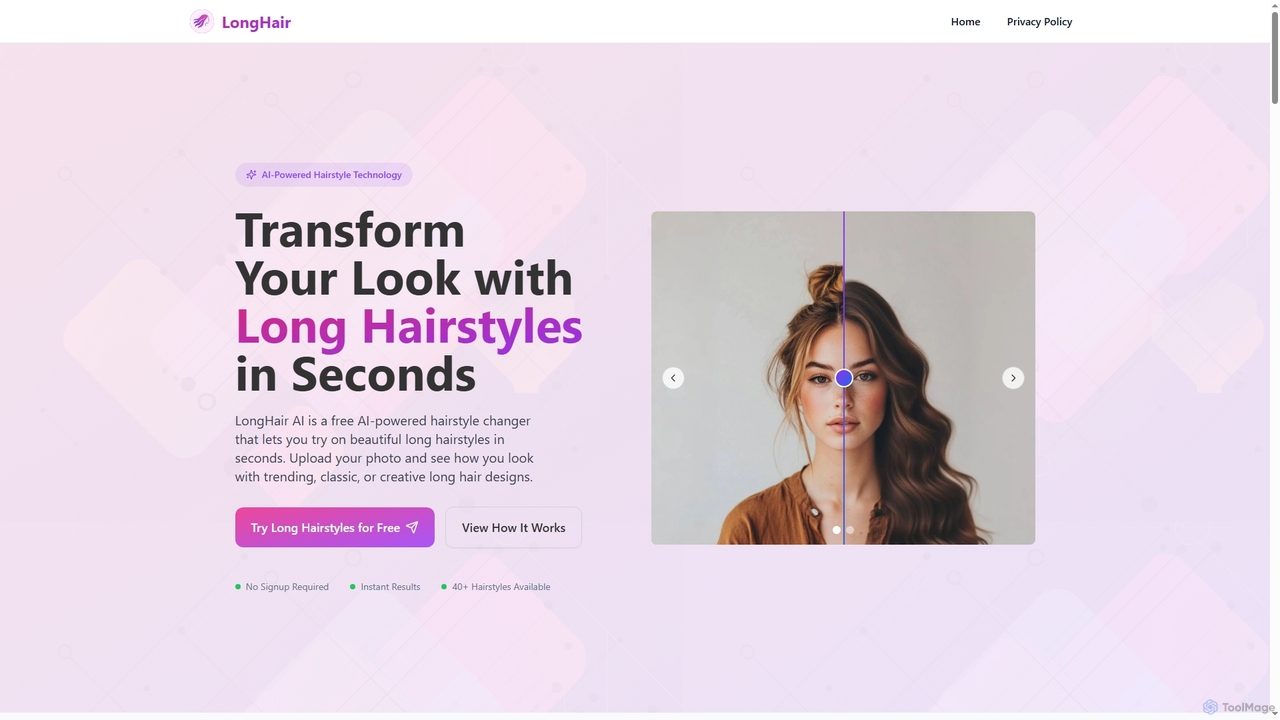
Longhair is a free AI-powered online tool that allows users to instantly visualize themselves with various long hairstyles. Simply upload a front-facing photo and experiment with over 40 trending, classic, or creative long hair designs and colors in seconds, all without requiring any signup or app downloads. It's perfect for exploring new looks before committing to a salon visit.

Virtual Try On
Visits 46.1KFavorites 146Likes 131
BraidTry
Paid

BraidTry

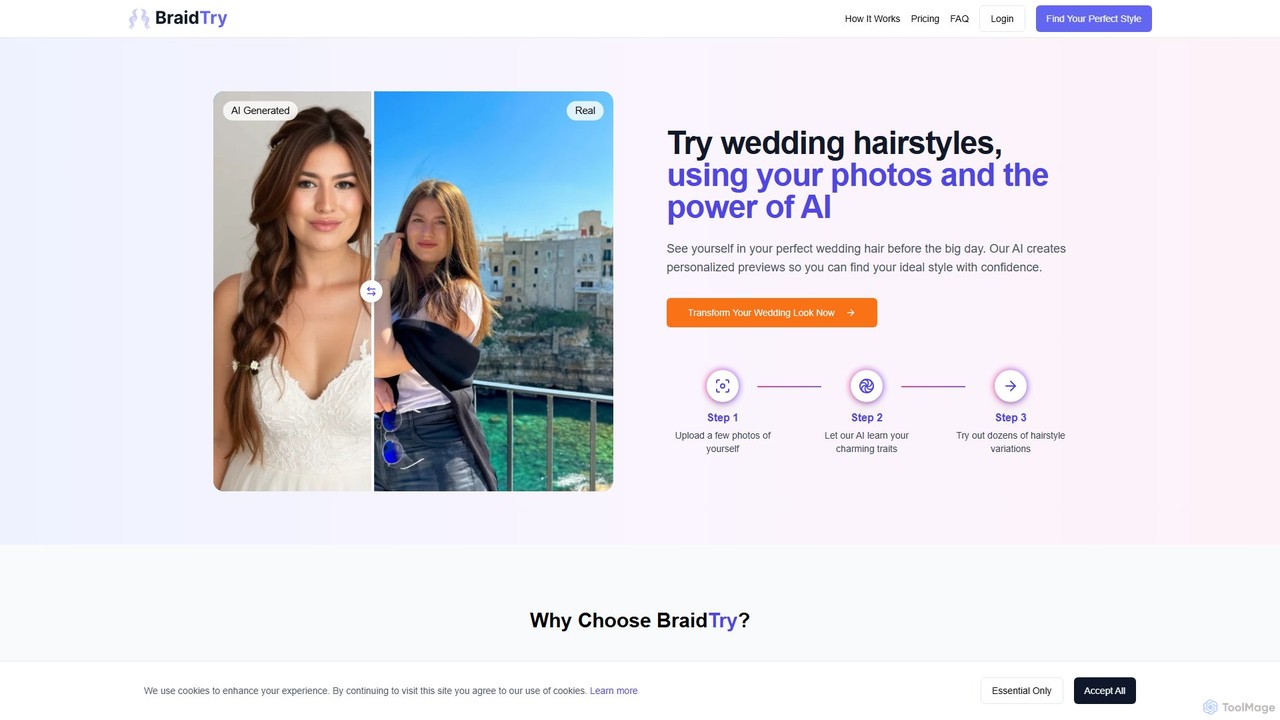
BraidTry is an AI-powered platform for virtual wedding hairstyle trials. Upload your photos to see realistic previews of yourself in dozens of bridal hairstyles, helping you find the perfect look for your big day with confidence. Save time and money compared to traditional salon trials.

Virtual Try On
Visits 5.6KFavorites 122Likes 146

About Hairstyle Changer

AI Hairstyle Changers are specialized tools that use artificial intelligence to let you virtually try on different hairstyles and colors on your own photo. They leverage advanced computer vision to detect your facial structure and generative AI to realistically render new hair, matching lighting and head contours. This allows you to experiment with new looks risk-free, helping you make confident decisions before visiting a salon or simply for social media entertainment.

Core Features

  • Extensive Style Library: Access a diverse collection of hairstyles, including different lengths, textures, and celebrity looks.
  • Realistic AI Rendering: Generates natural-looking results by adapting the hairstyle to your head shape and facial features.
  • Hair Color Customization: Experiment with a full spectrum of colors, from natural shades to bold dyes and highlights.
  • Before & After View: Instantly compare the proposed hairstyle with your current look side-by-side.
  • Live Camera Try-On: Some tools offer real-time hairstyle changes using your device's camera for a dynamic preview.

Use Cases

These tools are ideal for individuals planning a new haircut, professional hairstylists conducting client consultations, and content creators looking for engaging post ideas. They are also used in retail for virtual wig try-ons and by artists for character design.

How to Choose

When selecting a Hairstyle Changer, consider the realism of the generated images, the variety and quality of the hairstyle library, and the ease of use. Also, review the tool's privacy policy to understand how your uploaded photos are handled and stored.

Hairstyle Changer use cases

1

Pre-Salon Hairstyle Visualization

An individual feeling uncertain about a major haircut change uses an AI Hairstyle Changer before their salon appointment. They upload a clear, front-facing photo and browse through dozens of styles—from a short bob to long layers—and various colors. The tool provides a realistic preview, helping them choose a specific look with confidence and providing a clear visual reference to show their stylist, minimizing miscommunication and ensuring a satisfying result.

2

Professional Stylist-Client Consultations

A hairstylist uses a tablet with a Hairstyle Changer tool during a client consultation. Instead of relying on ambiguous descriptions or magazine photos, the stylist can show the client how different cuts and colors will actually look on them. This interactive process enhances communication, manages client expectations, and helps finalize the desired style before any scissors are used, leading to higher client satisfaction and loyalty.

3

Engaging Social Media Content

A social media influencer or content creator uses a Hairstyle Changer to generate a series of fun, interactive posts. They can create a "Which Hairstyle Suits Me Best?" poll or a video showing a rapid transformation through various celebrity hairstyles. This type of visually appealing and relatable content often drives high engagement, comments, and shares, helping to grow their audience.

4

Character Concept Design for Creatives

Writers, game developers, and artists use Hairstyle Changers as a rapid visualization tool for character design. By uploading a base character sketch or a model's face, they can quickly experiment with countless hairstyles to define a character's personality and look. This saves significant time compared to manually drawing each variation and helps in creating a more defined character concept early in the creative process.

5

Virtual Try-On for Wig E-commerce

An online store selling wigs and hair extensions integrates an AI Hairstyle Changer into its product pages. Customers can upload their photo or use their live camera to see exactly how a particular wig will look on them. This virtual try-on experience increases buyer confidence, reduces purchase hesitation, and has been shown to lower product return rates, significantly improving the online shopping experience.

6

Planning for Events and Cosplay

Someone preparing for a themed event, a wedding, or a cosplay convention uses a Hairstyle Changer to complete their look. They can test hairstyles from different historical periods or match the iconic hair of a specific character to their own face. This helps in planning the final costume and makeup, ensuring every detail is perfect before investing time and money in styling or a wig.

Hairstyle Changer FAQ

What is an AI Hairstyle Changer?

An AI Hairstyle Changer is a specialized software application that uses artificial intelligence to superimpose different hairstyles and colors onto a user's photo or live video feed. It employs computer vision to map facial features and generative AI to create a realistic preview of a new look. Its primary purpose is to allow users to visualize a potential haircut or color change without any real-world commitment.

How do AI Hairstyle Changers work?

These tools typically work in a few steps. First, the AI detects the user's face, head shape, and existing hairline from an uploaded photo. Then, it overlays a selected hairstyle from its library. Advanced algorithms adjust the virtual hair for size, position, lighting, and shadows to blend it realistically with the original image. Some tools use Generative Adversarial Networks (GANs) to produce highly convincing and natural-looking results.

What is the difference between a Hairstyle Changer and a general Image Editor?

A general Image Editor (like Photoshop) provides a broad set of manual tools for photo manipulation, such as layers, brushes, and filters, requiring user skill to achieve a result. In contrast, an AI Hairstyle Changer is a highly specialized tool focused on one task. It automates the entire process of trying on hair, using AI trained specifically to understand faces and hair physics, making it accessible to anyone without technical editing skills.

How realistic are the results from AI Hairstyle Changers?

The realism varies significantly between different tools. High-quality applications can produce surprisingly realistic results that accurately account for head shape and lighting. However, they are best used as a guide for inspiration rather than a perfect prediction. The quality of the output often depends on the quality of the uploaded photo—a clear, well-lit, front-facing picture will always yield better results.

Who should use an AI Hairstyle Changer?

AI Hairstyle Changers are useful for a wide range of people. This includes:

  • Individuals: Anyone considering a new haircut or color who wants to preview the look first.
  • Hairstylists: Professionals who want to improve client consultations with visual aids.
  • Content Creators: Influencers and marketers creating engaging visual content for social media.
  • Retailers: E-commerce businesses selling wigs or hair products that want to offer a virtual try-on feature.