
ToolMage
Sign in

Best 1 Personalized Content AI tools for Image

Popular Personalized Content AI tools in Image include RoastAI, helping you work more efficiently.

RoastAI
Freemium

RoastAI

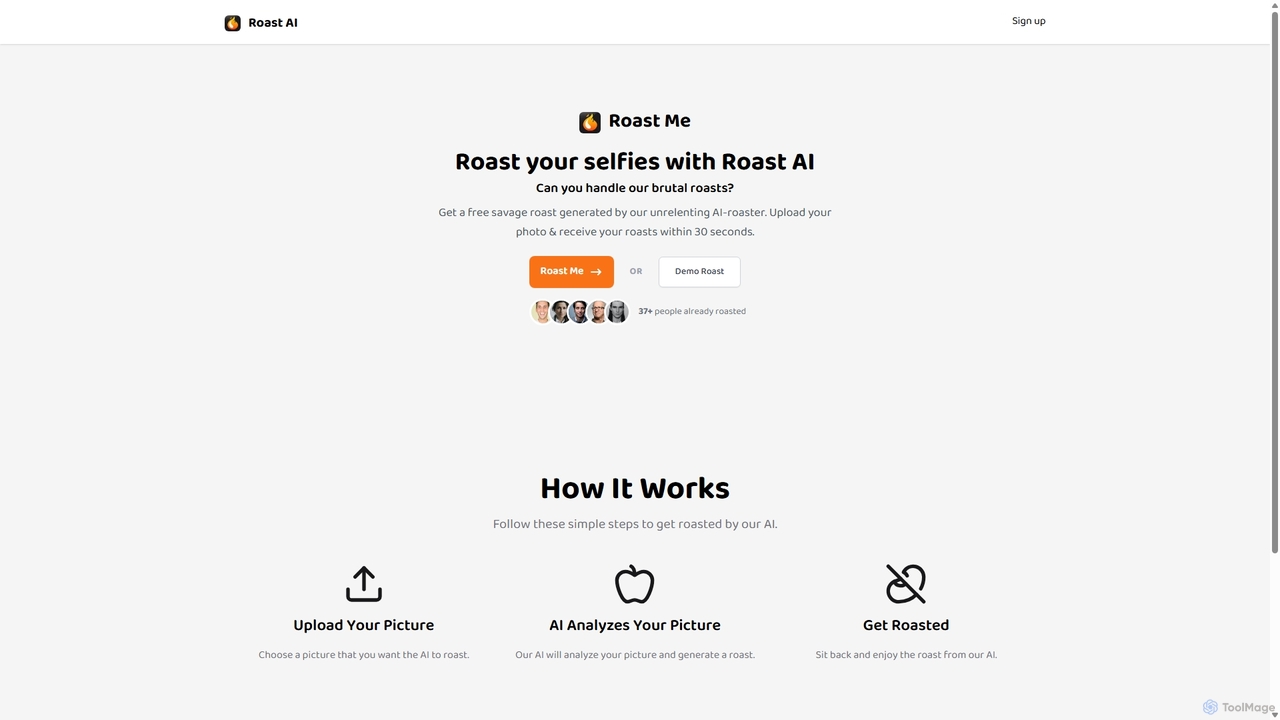
RoastAI is a fun AI-powered tool that generates savage and humorous roasts based on your selfies. Simply upload a photo, and within 30 seconds, the unrelenting AI roaster will analyze your picture and deliver a personalized, witty roast. It's a perfect tool for a good laugh, creating shareable content for social media, or playfully roasting your friends. The platform is incredibly easy to use and offers a free roast to get you started.

Humor
Visits 5.2KFavorites 112Likes 110

About Personalized Content

Personalized Content tools are a specialized category of AI image generators that create unique visuals featuring a specific person's likeness. By training on user-uploaded photos, these tools generate new images, such as professional headshots or stylized avatars, that accurately reflect an individual's facial features. This technology enables users to place themselves into various scenes and styles without a physical photoshoot. It combines the power of generative AI with personal identity for highly customized visual creation.

Core Features

  • Likeness Training: Upload a set of personal photos to create a custom AI model of a specific face.
  • Style Transfer: Apply diverse artistic or photographic styles to the generated personalized images.
  • Template-Based Generation: Place the user's likeness into predefined scenarios, outfits, or backgrounds.
  • Prompt-Driven Creation: Generate images from text descriptions while maintaining the trained facial identity.

Use Cases

These tools are widely used by professionals seeking high-quality headshots, social media users creating unique avatars, and marketers developing personalized ad creatives. They are also valuable for content creators and storytellers who need to visualize characters consistently across different scenes.

How to Choose

When selecting a tool, consider the quality and realism of the generated likeness, the variety of available styles and templates, and the platform's data privacy policy. Also, evaluate the number of photos required for training and the pricing model, which is often based on credits per image generation.

Featured tool rankings

Personalized Content use cases

1

Generate Professional AI Headshots

Professionals and job seekers can bypass expensive photoshoots by using Personalized Content tools. By uploading 10-20 casual photos of themselves, the AI learns their facial features. Users can then select from various professional styles, such as corporate or creative, to generate dozens of high-resolution headshots with different outfits and backgrounds. This process saves significant time and money while providing a wide range of options for LinkedIn profiles, company websites, and resumes.

2

Create Unique Social Media Avatars

Content creators, gamers, and general users can craft eye-catching avatars that stand out. After training the AI on their face, they can generate images of themselves in countless styles like anime, cyberpunk, fantasy warrior, or cartoon character. This allows for a consistent yet creative online identity across platforms like Discord, Twitter, and Instagram, without needing artistic skills.

3

Design Personalized Marketing Visuals

Marketing teams can create highly engaging campaigns by incorporating personalization. For example, an e-commerce brand could generate images of a customer's avatar 'wearing' their products. By using these tools, marketers can produce tailored ad creatives at scale, increasing relevance and click-through rates. This approach makes advertising feel more individual and interactive for the target audience.

4

Visualize Characters for Stories and Games

Writers, game developers, and role-playing enthusiasts can bring their characters to life. Instead of relying on generic stock photos, they can train a model on a collection of reference images to represent a character. They can then generate scenes depicting that character in various situations, emotions, and settings described in a text prompt, ensuring visual consistency throughout their project.

5

Produce Custom Art for Gifts and Merchandise

Users can create one-of-a-kind gifts for friends and family. By uploading photos of a person or a pet, they can generate beautiful portraits in styles like oil painting, watercolor, or pop art. These images can then be printed on mugs, t-shirts, posters, or canvases, offering a deeply personal and creative gift option for birthdays, anniversaries, and holidays.

6

Preview Styles with Virtual Try-On

Fashion and beauty brands can offer customers a virtual try-on experience. A user uploads their photo, and the AI generates images showing how different clothing items, hairstyles, or makeup products would look on them. This application enhances the online shopping experience, reduces uncertainty, and can help decrease product return rates by giving customers a more accurate preview.

Personalized Content FAQ

What are AI Personalized Content tools for images?

AI Personalized Content tools are applications that generate new images featuring the face or likeness of a specific person. Unlike general image generators, they require users to upload a set of their own photos to 'train' a custom AI model. This model then creates unique visuals, such as portraits or avatars, in various styles and settings while retaining the individual's identity.

How do I choose a good tool for personalized AI photos?

When choosing a tool, evaluate these factors:

  • Likeness Accuracy: How closely do the results resemble the person? Check reviews and examples.
  • Style Variety: Does it offer a wide range of styles (e.g., professional, artistic, fantasy) that fit your needs?
  • Ease of Use: How simple is the photo upload and training process?
  • Privacy Policy: How does the service handle your personal photos and data?
  • Cost: Compare pricing models, whether it's a subscription or a pay-per-image credit system.

What is the difference between a Personalized Content tool and a standard AI Image Generator?

The key difference is identity consistency. A standard AI Image Generator (like Midjourney or DALL-E) creates images from text prompts but cannot consistently reproduce the same face across different images. A Personalized Content tool is specifically designed to learn a person's face from uploaded photos and then place that specific, consistent likeness into various AI-generated scenes and styles.

How many photos are needed to train a personalized AI model?

Most tools recommend uploading between 10 to 20 high-quality photos. For best results, these photos should show your face from different angles, in various lighting conditions, and with a range of facial expressions. Avoid photos with sunglasses, hats, or heavy makeup, as this helps the AI create a more accurate and versatile model of your likeness.

Is it safe to upload my photos to these AI tools?

Safety depends on the provider's privacy policy and security measures. Reputable tools will clearly state how your photos are used, stored, and when they are deleted. They typically use the photos solely for training your private model and then delete them from their servers after a set period. Always review the terms of service and privacy policy before uploading personal images to any platform.