Best of the Year 5 results Industrial AI Tools

Popular AI tools in the Industrial field include Gecko Robotics、AIM Intelligent Machines、splash9、kabeltec、Water-Jel Blanket, etc., helping you quickly improve efficiency.

AIM Intelligent Machines

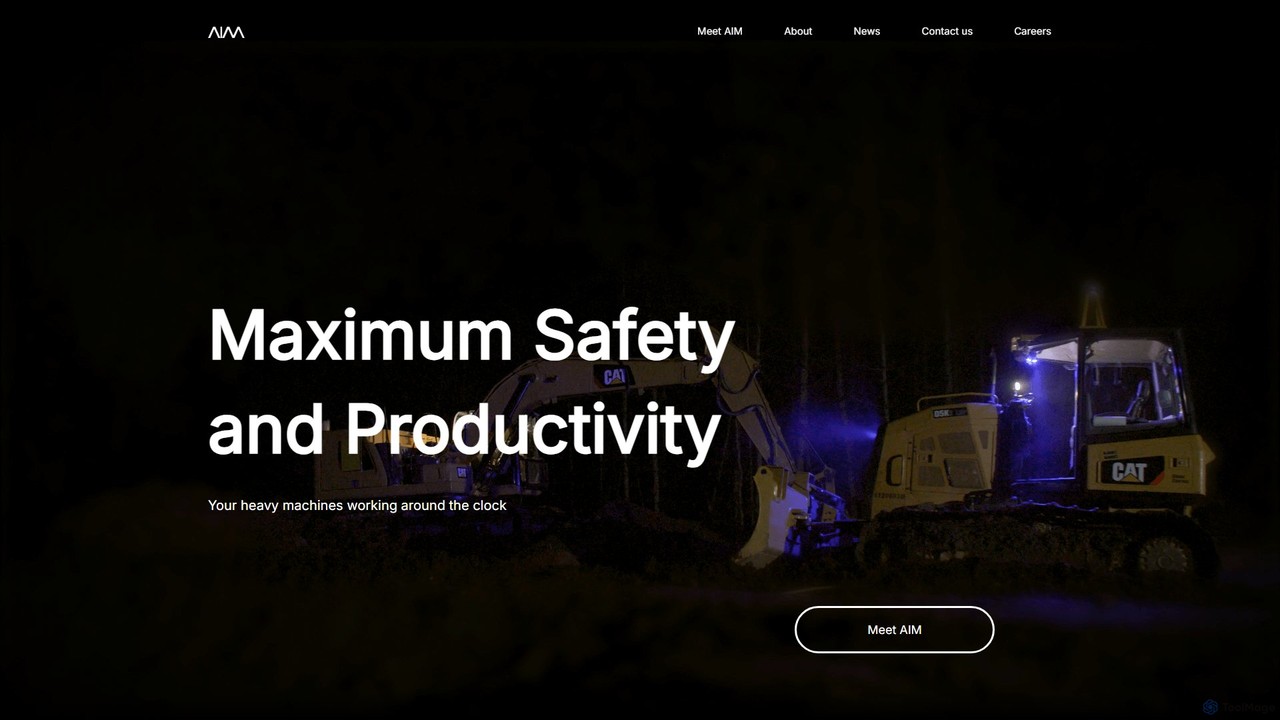
AIM Intelligent Machines

AIM Intelligent Machines provides an AI-powered technology platform that retrofits heavy equipment for autonomous operation in mining and …

10.5K
Gecko Robotics

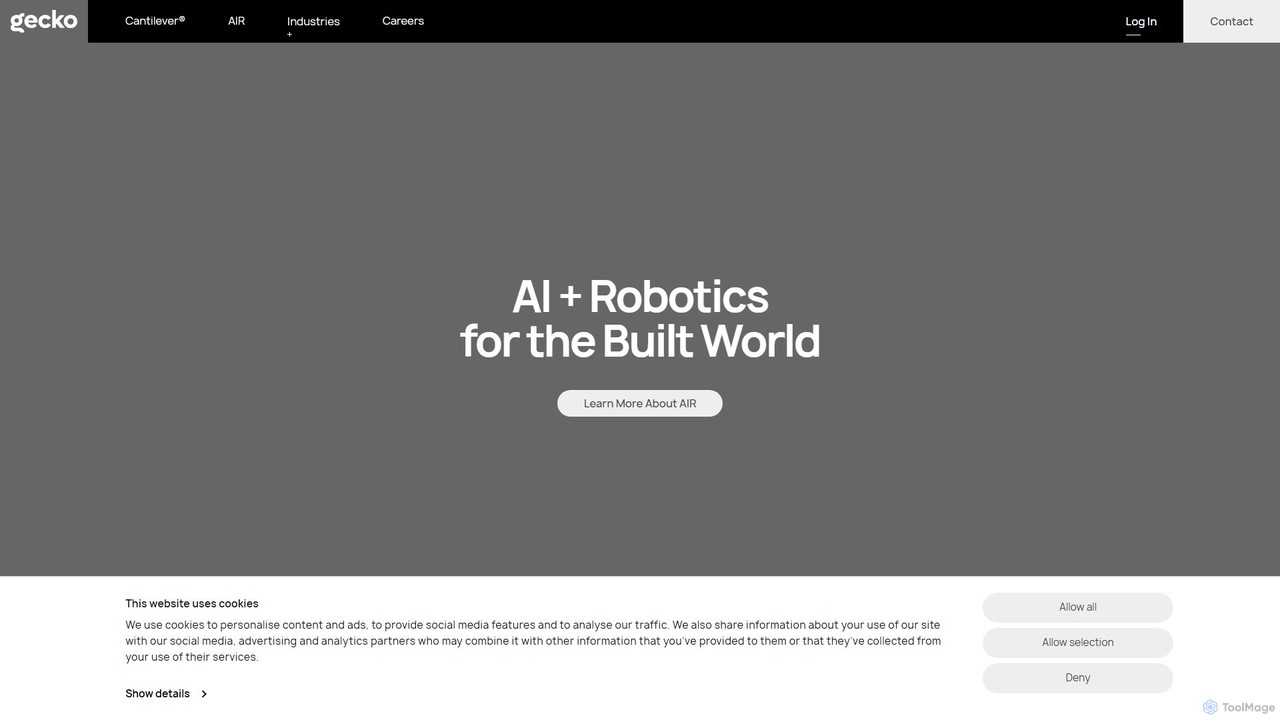
Gecko Robotics

Gecko Robotics combines wall-climbing robots and an AI-powered data platform to inspect and manage critical infrastructure. Their technology …

34.3K
kabeltec

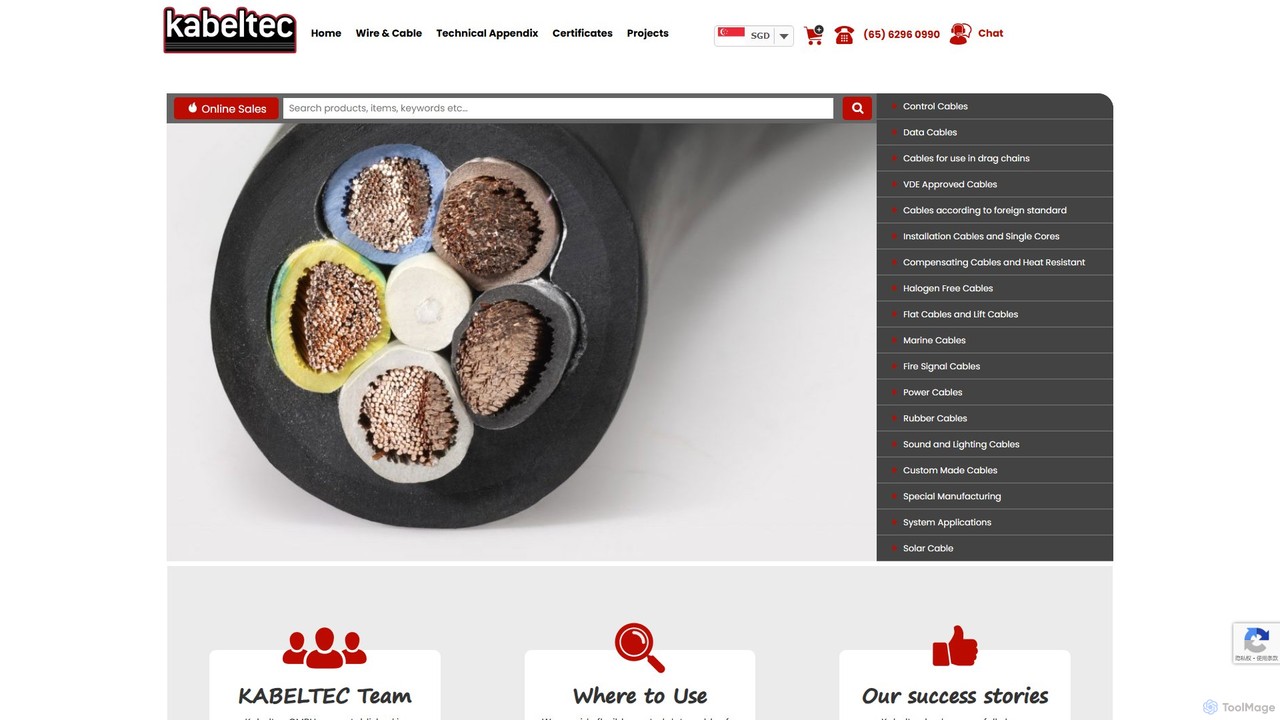
kabeltec

Kabeltec is a global manufacturer and supplier of specialized industrial and electrical cables. Originating from Germany, it provides …

3.9K
Water-Jel Blanket

Water-Jel Blanket

Water-Jel Blanket by Balaji Industries is a professional-grade emergency burn care product. This water-based gel-soaked blanket provides immediate …

2.4K
splash9

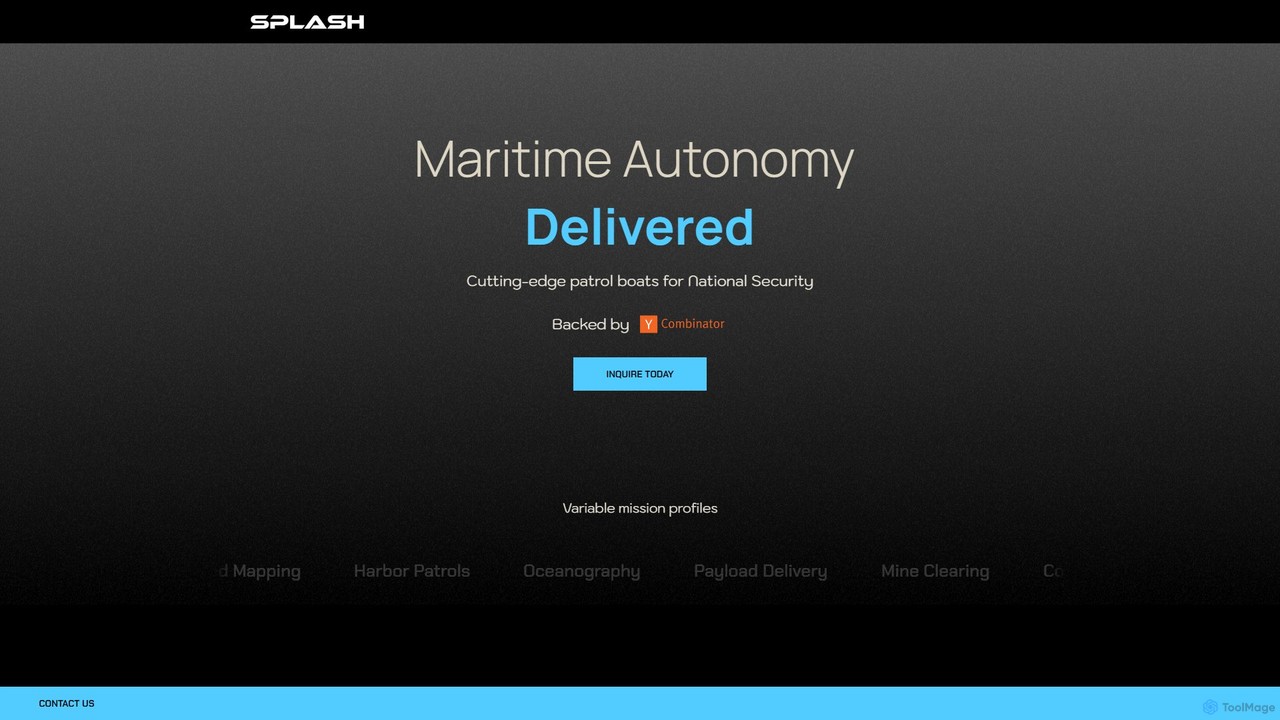
splash9

splash9 by Splash Industries provides cutting-edge autonomous surface vessels (ASVs) for national security, commercial, and research missions. These …

5.3K

About Industrial

Industrial AI tools are a class of technologies that leverage artificial intelligence, machine learning, and computer vision to optimize manufacturing, logistics, and operational processes. These tools analyze vast amounts of data from sensors, cameras, and enterprise systems to identify patterns, predict outcomes, and automate complex decisions. Their primary value lies in enhancing production efficiency, reducing equipment downtime, improving quality control, and creating safer working environments. They are instrumental in driving the transition towards smart factories and Industry 4.0.

Core Features

  • Predictive Maintenance: Analyzes equipment data to forecast potential failures before they occur, enabling proactive servicing.
  • Automated Quality Control: Utilizes computer vision to detect product defects on assembly lines in real-time with high accuracy.
  • Process Optimization: Employs machine learning models to fine-tune production parameters for maximum yield and minimal resource consumption.
  • AI-Powered Robotics: Guides industrial robots for complex tasks like assembly, welding, and material handling with enhanced precision and adaptability.
  • Supply Chain Optimization: Uses AI to forecast demand, manage inventory, and optimize logistics routes for greater efficiency.

Applicable Scenarios

These tools are widely adopted in sectors such as manufacturing, automotive, aerospace, energy, and logistics. Plant managers use them for predictive maintenance scheduling, quality control engineers for automated inspection, and supply chain analysts for demand forecasting. For example, an automotive plant might use AI vision to inspect paint finishes, while a logistics company uses AI to optimize fleet routing.

Selection Criteria

When selecting an Industrial AI tool, consider its integration capabilities with your existing systems (like MES, ERP, SCADA). Evaluate the tool's data requirements and its compatibility with your current data infrastructure. Assess its scalability to grow from a pilot project to full-scale deployment. Finally, verify the provider's domain expertise and track record within your specific industry.

IndustrialUse Cases

1

Predictive Maintenance for Manufacturing Equipment

A plant manager at a large manufacturing facility is responsible for minimizing unplanned downtime. They deploy an Industrial AI tool that connects to sensors on critical CNC machines, continuously monitoring vibration, temperature, and power consumption. The AI model, trained on historical data, identifies subtle anomalies that precede equipment failure. The system alerts the maintenance team to replace a specific bearing three days before it was projected to fail, preventing a costly production halt and saving an estimated $50,000 in lost revenue and repair costs.

2

Automated Visual Inspection for Electronics

A quality control engineer at an electronics assembly plant needs to inspect thousands of printed circuit boards (PCBs) daily for soldering defects. Manual inspection is slow and prone to human error. By implementing an AI-powered computer vision system, high-resolution images of each PCB are captured and analyzed in milliseconds. The AI model detects microscopic defects like solder bridges and cold joints with over 99% accuracy, automatically flagging faulty boards for removal. This increases throughput by 300% and reduces the defect rate in final products to near zero.

3

AI-Powered Demand Forecasting for Supply Chains

A supply chain analyst for a retail company struggles with inaccurate demand forecasts, leading to stockouts or excess inventory. They adopt an AI platform that analyzes historical sales data, seasonality, promotional activities, and external factors like economic indicators. The AI model generates highly accurate, granular forecasts for each product and store. As a result, the company improves forecast accuracy by 25%, reduces inventory holding costs by 15%, and minimizes stockout situations, leading to improved customer satisfaction and higher sales.

4

Robotic Arm Guidance for Automotive Assembly

An automation engineer in an automotive plant is tasked with automating a complex welding process. Traditional robots require precise part positioning, which is not always possible. They integrate an AI vision system with a robotic arm. The system uses cameras to identify the exact position and orientation of each car body panel in real-time. The AI then calculates the optimal path for the robotic welder, adapting on the fly to variations. This solution increases welding consistency, reduces errors by 95%, and allows the production line to handle minor misalignments without stopping.

5

Energy Consumption Optimization in a Factory

A facility manager aims to reduce the high electricity costs of a large production plant. They implement an Industrial AI system that connects to smart meters on heavy machinery, HVAC systems, and lighting. The AI analyzes real-time energy consumption and production schedules. It identifies peak usage times and opportunities for load shifting. The system automatically adjusts non-critical machinery and climate controls to avoid high tariff periods without impacting production output. This leads to a sustained 15% reduction in monthly energy bills and a smaller carbon footprint for the company.

6

Generative Design for Mechanical Parts

A mechanical engineer is designing a new bracket for an aerospace application that must be lightweight yet extremely strong. Instead of manually creating designs, the engineer uses an AI-powered generative design tool. They input key parameters: material properties, load conditions, and spatial constraints. The AI algorithm explores thousands of design permutations, generating multiple optimized, often organic-looking, designs that meet all criteria. The engineer selects the most efficient design, which is 30% lighter than a human-designed equivalent while maintaining the required structural integrity, perfect for 3D printing.

IndustrialFrequently Asked Questions