ToolMage
Sign in

Best 347 Legal AI tools

Popular Legal AI tools include CoCounsel, Wolters Kluwer ELM Solutions, Rev, pdfai.io, vLex, Harvey, Snapdocs, Ironclad, Tailor Brands, and Ai Con, helping you work more efficiently.

Halal Personal Advisor
Paid

Halal Personal Advisor

An AI-powered platform for businesses to manage Halal compliance. It combines a product manager for tracking items and documents with an AI assistant that provides instant answers on regulations, certification, and market trends, simplifying the entire Halal process.

Compliance
Visits 10.9KFavorites 121Likes 132

Fileread
Paid

Fileread

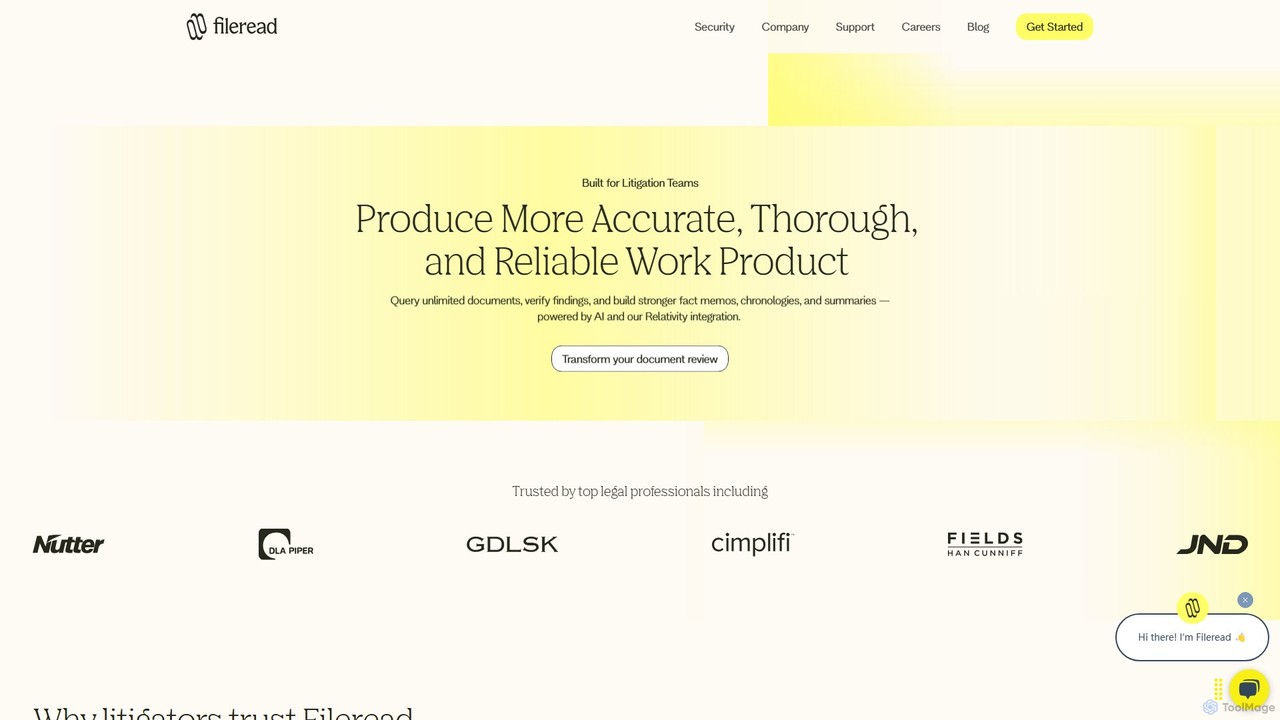
Fileread is an AI-powered document review platform designed for litigation teams. It streamlines fact-finding and case preparation by allowing legal professionals to query unlimited documents, including text, images, and handwritten notes. The tool helps build accurate fact memos, chronologies, and summaries, integrating seamlessly with Relativity and upholding the highest security standards (SOC2, ISO 27001, HIPAA, GDPR).

Data Analysis
Visits 7.8KFavorites 147Likes 151
x_doc
Freemium

x_doc

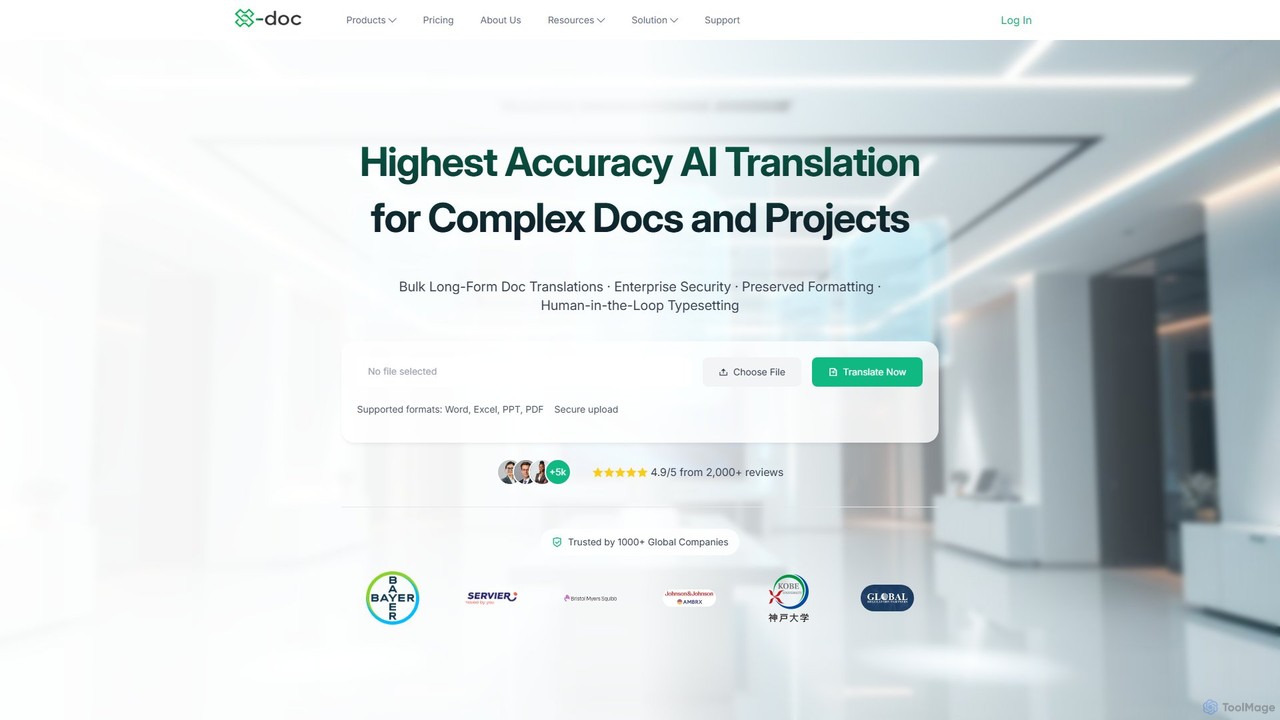
x_doc is a specialized AI translation platform designed for high-accuracy translation of technical and professional documents. Leveraging advanced generative AI and deep industry expertise, particularly in pharmaceuticals and life sciences, it offers up to 99% accuracy. It supports over 108 languages, provides enterprise-grade security (SOC2, ISO27001), and features like terminology management and translation memory to ensure consistency and quality for complex projects.

Document Management
Visits 44.9KFavorites 124Likes 123
Eliteyez

Eliteyez

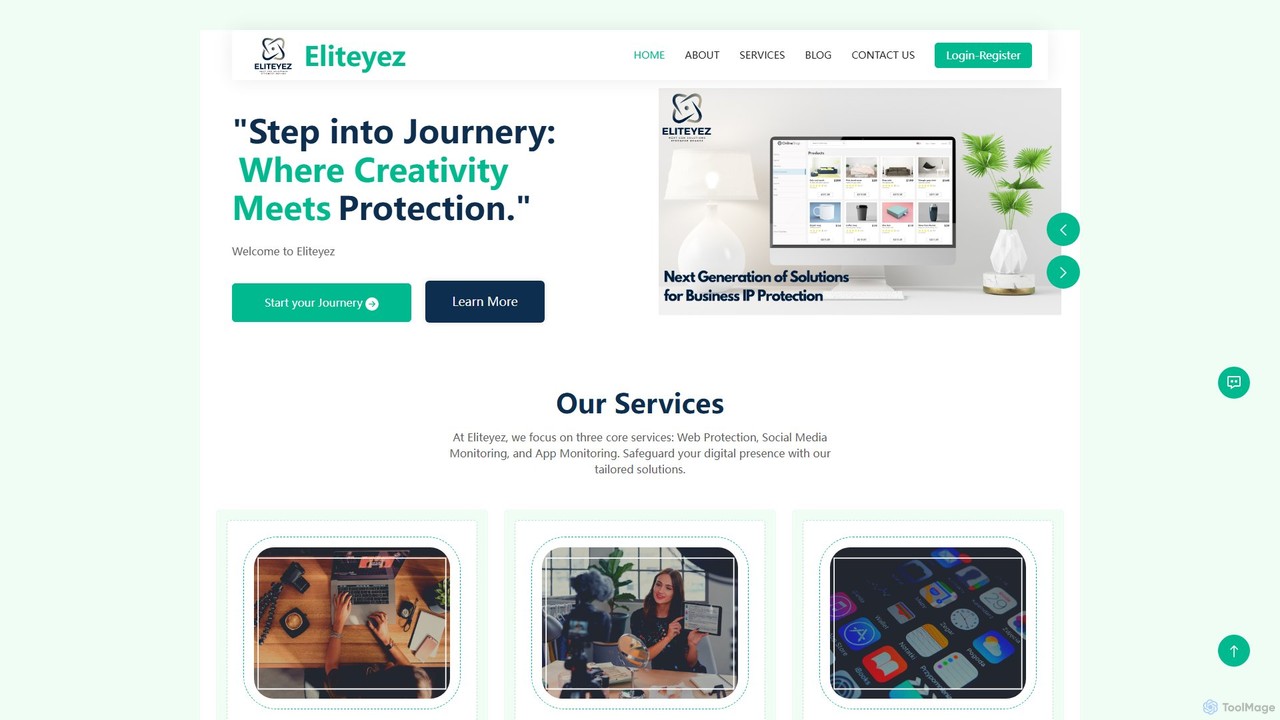
Eliteyez is an AI-powered platform dedicated to intellectual property (IP) and brand protection. It proactively monitors the web to detect and combat copyright infringement, counterfeit products, and trademark violations, helping creators and businesses safeguard their digital assets.

Intellectual Property
Visits 6.1KFavorites 155Likes 146
Legalese Decoder
Freemium

Legalese Decoder

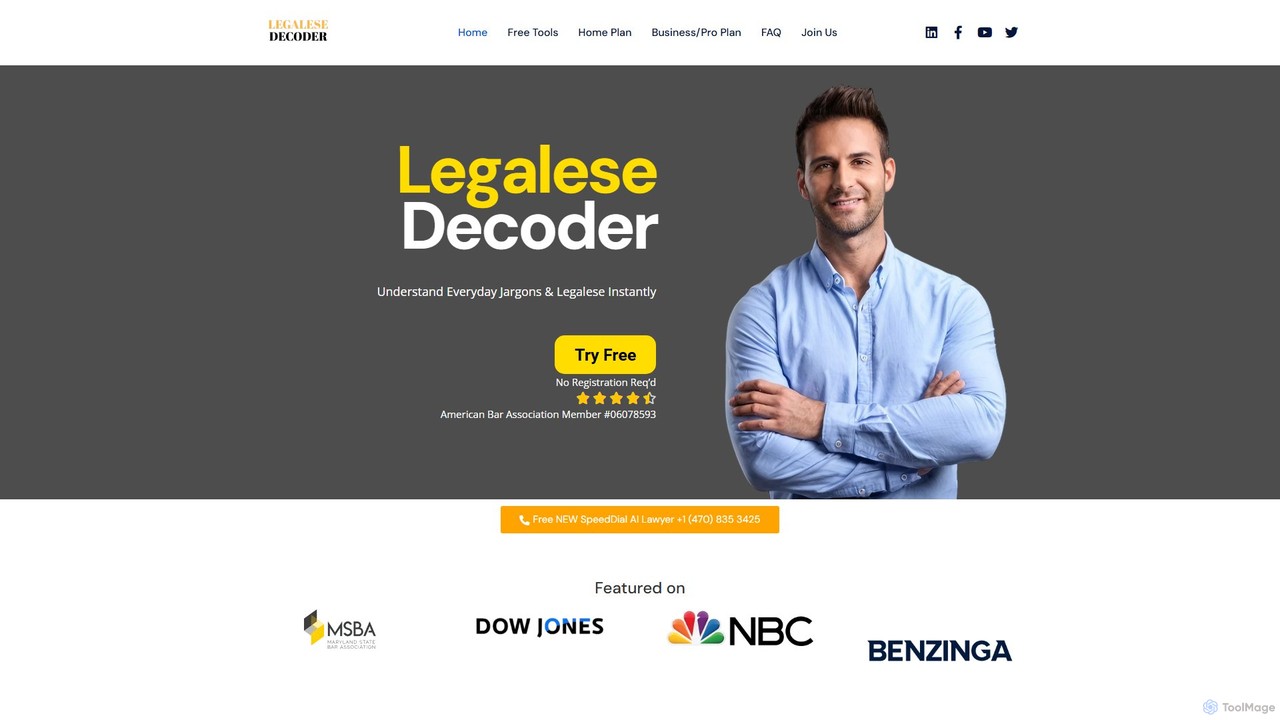
Legalese Decoder is an AI-powered tool that translates complex legal documents into simple, plain English. It helps individuals and small businesses understand contracts, leases, and agreements without high legal fees, analyzing documents for key terms, risks, and fairness. Instantly demystify legal jargon and make informed decisions.

Compliance
Visits 8.9KFavorites 161Likes 146
vlex
Paid

vlex

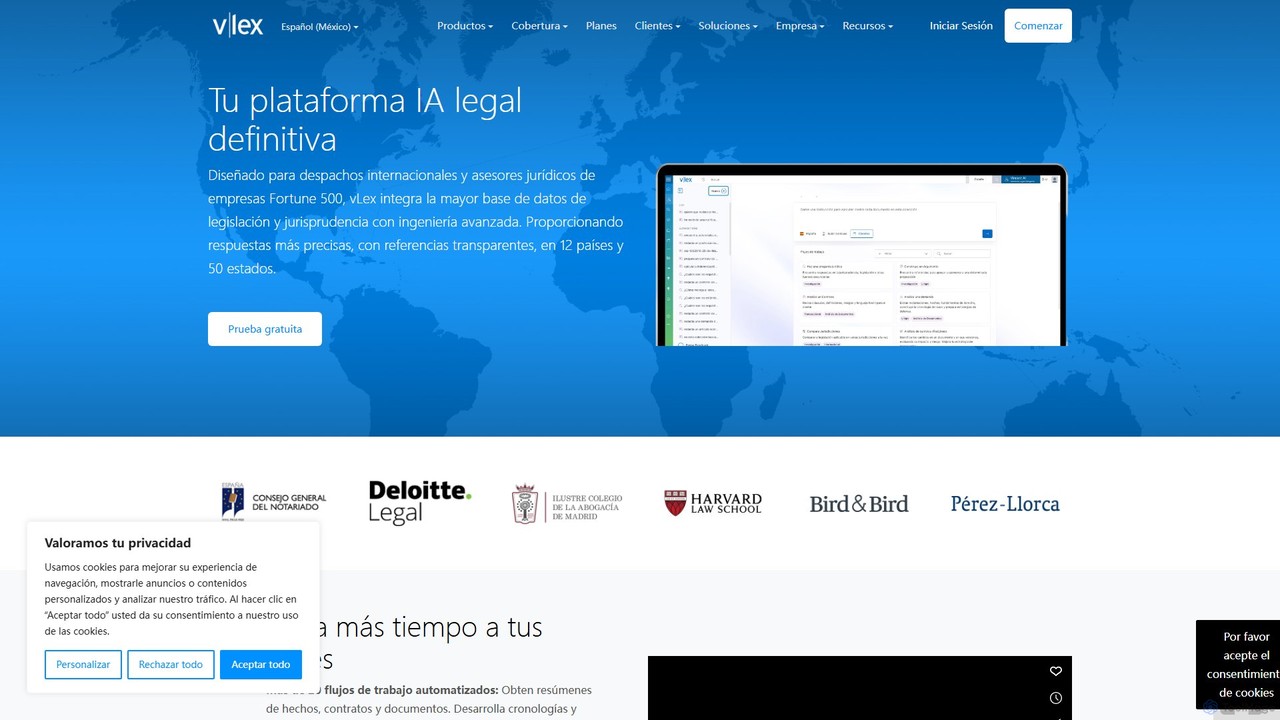
vLex is an AI-powered legal intelligence platform providing access to a vast global library of laws and case law. It features Vincent, an AI legal research assistant that analyzes documents to find relevant precedents, saving legal professionals hours of work. Ideal for law firms, corporate counsel, and academic institutions.

Academic Research
Visits 134.6KFavorites 112Likes 104
Immigram
Paid

Immigram

Immigram is an AI-powered platform designed to help tech specialists and entrepreneurs relocate to the UK through the Global Talent Visa program. It combines a unique scoring system, AI-driven case preparation, and expert legal review to simplify the complex application process and maximize the chances of success.

Consulting
Visits 17.3KFavorites 119Likes 133
Compliance Quarter
Paid

Compliance Quarter

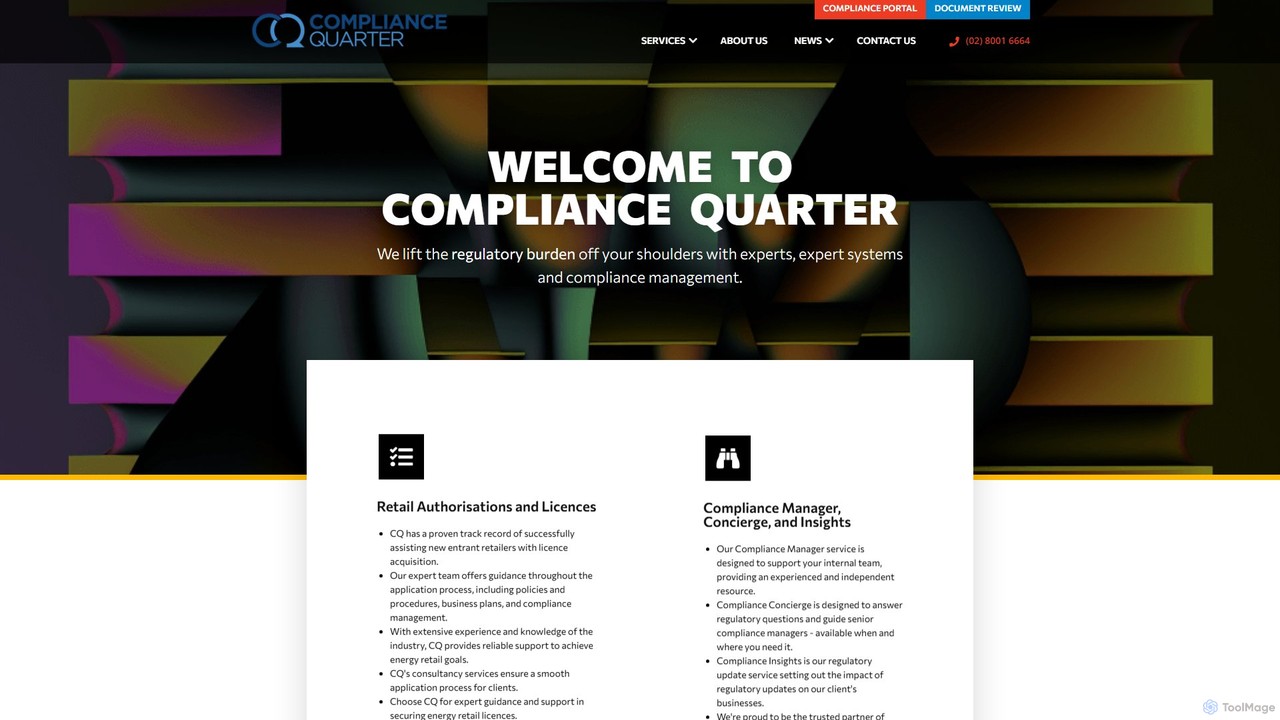
Compliance Quarter is an AI-powered RegTech platform specializing in the Australian energy sector. It leverages its proprietary AI, Titan, to automate compliance tasks, answer complex regulatory questions, analyze legislative changes, and manage risks, effectively lifting the regulatory burden from businesses.

Risk Management
Visits 8.7KFavorites 134Likes 144
GovDash
Paid

GovDash

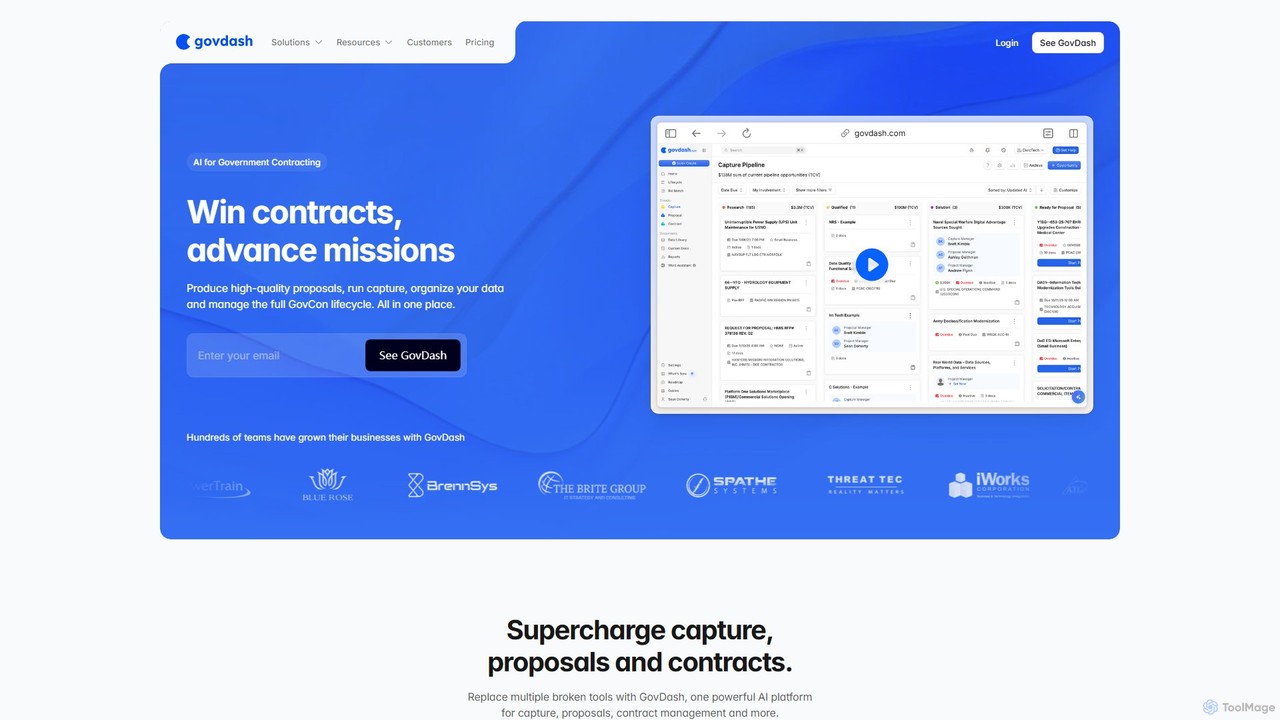
GovDash is an AI-powered platform designed for government contractors to streamline the entire contracting lifecycle. It helps teams identify opportunities, develop winning proposals 60% faster, and manage contracts efficiently. By integrating capture, proposal generation, and contract management into a single, secure platform, GovDash boosts productivity, ensures compliance, and significantly increases the chances of winning government bids.

Proposal Writing
Visits 40.1KFavorites 145Likes 149
Solve Intelligence
Paid

Solve Intelligence

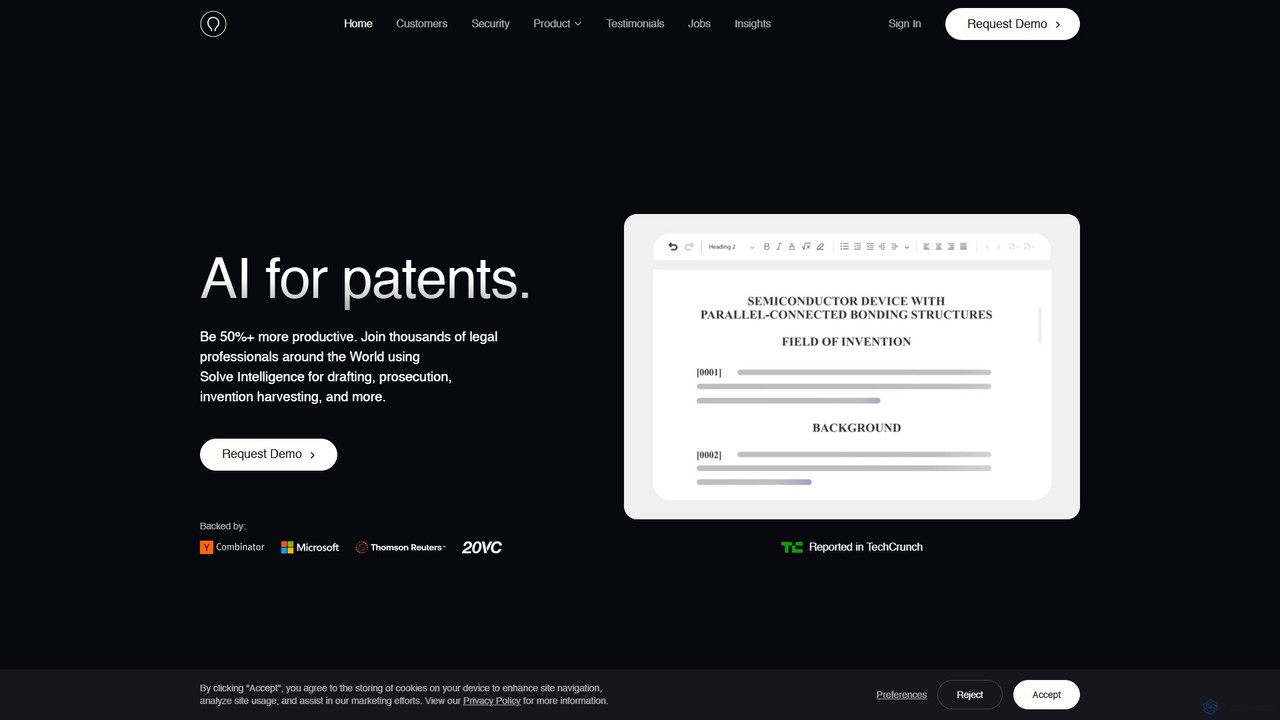
Solve Intelligence is an AI-powered platform designed for legal professionals to enhance productivity in the patent lifecycle. It offers tools for patent drafting, prosecution, and invention harvesting, enabling users to increase efficiency by over 50% while improving the quality of their work. The platform prioritizes security and confidentiality, making it a trusted solution for hundreds of IP teams worldwide.

Intellectual Property
Visits 36.2KFavorites 114Likes 122
photogov
Freemium

photogov

An AI-powered online tool that creates fully compliant passport, visa, and ID photos in seconds. It automatically crops, resizes, removes the background, and adjusts your photo to meet the official requirements of over 120 countries. Get a government-approved photo from home, saving time and money.

3D
Visits 324.9KFavorites 126Likes 137

About Legal

AI Legal tools are a class of software that leverages artificial intelligence to automate, streamline, and enhance legal work. These tools utilize technologies like Natural Language Processing (NLP) and machine learning to analyze vast amounts of legal text, perform research, and manage documents. They are designed for lawyers, paralegals, and corporate legal departments to increase efficiency, reduce human error, and gain data-driven insights. By handling repetitive and data-intensive tasks, these tools allow legal professionals to focus on strategic analysis and client advisory.

Core Features

  • Legal Research & Analysis: Rapidly searches and analyzes case law, statutes, and legal precedents from extensive databases.
  • Contract Lifecycle Management (CLM): Automates the drafting, review, analysis, and management of contracts from creation to renewal.
  • eDiscovery & Document Review: Intelligently identifies, categorizes, and redacts relevant information from large volumes of documents for litigation.
  • Case Outcome Prediction: Uses historical data and machine learning models to forecast potential legal outcomes and risks.
  • Practice Management Automation: Streamlines administrative tasks such as time tracking, billing, client intake, and case management.

Applicable Scenarios

AI Legal tools are widely used in law firms of all sizes, corporate legal departments, and government agencies. Common applications include conducting due diligence for mergers and acquisitions, supporting litigation through rapid evidence discovery, ensuring regulatory compliance by monitoring legal changes, and managing intellectual property portfolios.

Selection Criteria

When choosing an AI Legal tool, consider its specific function, such as contract analysis or eDiscovery. Evaluate its data security protocols and compliance with privacy regulations like GDPR. Assess its ability to integrate with your existing systems, such as document management or billing software. Finally, review the accuracy of its AI models and the transparency of its analytical process.

Featured tool rankings

Legal use cases

1

Automated Contract Review for Corporate Counsel

A corporate lawyer needs to review a 50-page vendor agreement under a tight deadline. Instead of spending hours reading line-by-line, they upload the document to an AI contract analysis tool. The tool instantly scans the agreement, comparing it against pre-defined company playbooks and market standards. Within minutes, it generates a report that highlights high-risk clauses, identifies non-standard terms, and flags missing provisions. This allows the lawyer to focus their attention on critical negotiation points, reducing review time by over 80% and minimizing contractual risk.

2

Accelerated Legal Research for Litigation Support

A paralegal is preparing a motion and needs to find relevant case law to support their argument. Using a traditional database could take hours of sifting through search results. Instead, they use an AI-powered legal research platform. They input a natural language query describing the legal issue. The AI analyzes the query's context and returns a ranked list of the most relevant cases, statutes, and secondary sources. It even provides summaries and highlights key passages, allowing the paralegal to build a strong legal foundation for the motion in a fraction of the time.

3

Efficient eDiscovery Document Triage

In a large-scale litigation case, a legal team is faced with reviewing millions of documents. Manual review would be prohibitively expensive and time-consuming. They deploy an AI eDiscovery tool that uses predictive coding. The team first reviews a small sample of documents, tagging them as relevant or not. The AI learns from these decisions and then automatically categorizes the entire document set. This process accurately identifies the most critical documents for review, culls irrelevant files, and flags potentially privileged information, saving thousands of review hours and significantly reducing discovery costs.

4

Drafting Standard Legal Documents

A small law firm needs to generate a standard Non-Disclosure Agreement (NDA) for a new client. Instead of starting from a generic template and manually editing it, a lawyer uses an AI document drafting tool. They answer a series of guided questions about the parties involved, the confidential information, and the jurisdiction. The AI then instantly generates a customized, compliant first draft of the NDA. This not only saves time but also ensures consistency across all firm documents and reduces the risk of errors associated with manual template modification.

5

Predictive Analytics for Case Strategy

A senior partner is evaluating whether to take on a complex litigation case. They use an AI-powered case outcome prediction tool. By inputting key facts of the case, jurisdiction, and presiding judge, the tool analyzes thousands of similar past cases. It provides a statistical analysis of the probability of success, potential damages awards, and the likely duration of the litigation. This data-driven insight helps the partner make a more informed decision on case strategy, resource allocation, and settlement negotiations, moving beyond intuition to strategic forecasting.

6

Intellectual Property (IP) Portfolio Management

A patent attorney for a tech company manages a large portfolio of patents and trademarks. They use an AI-powered IP management tool to automate critical tasks. The tool actively monitors global databases for potential trademark infringements and sends real-time alerts. It also tracks patent filing deadlines and maintenance fees across different jurisdictions, preventing accidental loss of valuable IP rights. Furthermore, the AI can analyze the strength of the company's patent portfolio against competitors, identifying strategic gaps and opportunities for new innovations.

Legal FAQ

What are AI Legal tools?

AI Legal tools are software applications that use artificial intelligence, such as machine learning and natural language processing, to perform tasks traditionally handled by legal professionals. Their primary purpose is to enhance efficiency, accuracy, and insight in the legal field. Key functions include automated legal research, contract analysis, eDiscovery, document drafting, and case management. They act as powerful assistants, automating repetitive work so lawyers can focus on higher-value strategic tasks.

How do I choose the right AI Legal tool?

Choosing the right AI Legal tool requires evaluating several key factors. First, clearly define your specific need: are you focused on contract management, litigation support, or legal research? Second, assess data security and compliance, ensuring the vendor meets industry standards for confidentiality. Third, consider integration capabilities with your existing software stack, such as practice management or document storage systems. Finally, request a demo to evaluate the user interface's ease of use and verify the accuracy and reliability of the AI's output for your specific use cases.

Are AI Legal tools accurate and reliable?

The accuracy of AI Legal tools is high but not infallible. They excel at processing vast amounts of data quickly and identifying patterns that humans might miss. For tasks like document review and legal research, they can achieve accuracy rates comparable to or exceeding human reviewers, especially in speed and consistency. However, they are tools to assist, not replace, a qualified lawyer. Human oversight is crucial to interpret nuanced legal arguments, validate AI-generated conclusions, and apply professional judgment. Reliability depends on the quality of the underlying data and the sophistication of the algorithms.

Who can benefit from using AI Legal tools?

A wide range of legal professionals can benefit from AI Legal tools.

  • Large Law Firms: Use them to manage high-volume tasks like eDiscovery and due diligence, increasing efficiency and profitability.
  • Small Law Firms & Solo Practitioners: Gain access to powerful research and analysis capabilities that level the playing field with larger competitors.
  • Corporate Legal Departments: Streamline contract management, ensure regulatory compliance, and manage litigation more cost-effectively.
  • Paralegals and Legal Assistants: Automate routine tasks like document organization and citation checking, freeing up time for more substantive work.

How do AI Legal tools ensure data confidentiality?

Reputable AI Legal tool providers prioritize data confidentiality through a multi-layered approach. This includes robust technical measures like end-to-end encryption for data in transit and at rest, secure cloud infrastructure (e.g., AWS, Azure), and strict access controls. They also adhere to legal and regulatory frameworks such as GDPR and CCPA, often signing Data Processing Agreements (DPAs). Furthermore, many platforms use data anonymization techniques and ensure that client data is segregated and not used to train models for other clients, maintaining strict client-attorney privilege principles in a digital environment.