BlickState
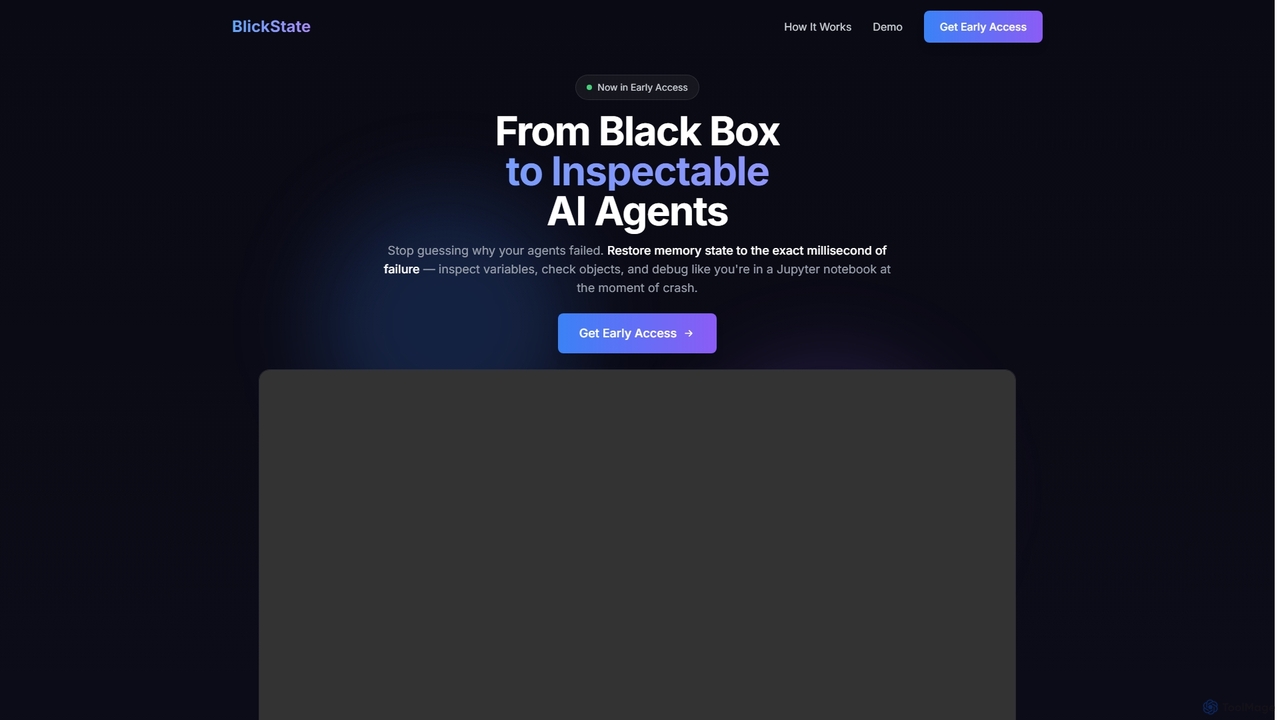
BlickState is an advanced time-travel debugging tool for AI agents, enabling developers to restore and inspect the full …
BlickState is an advanced time-travel debugging tool for AI agents, enabling developers to restore and inspect the full memory state of agent tool executions at the exact millisecond of failure. It transforms black-box agent behavior into transparent, inspectable processes, significantly accelerating debugging for AI engineers.
Nexa SDK
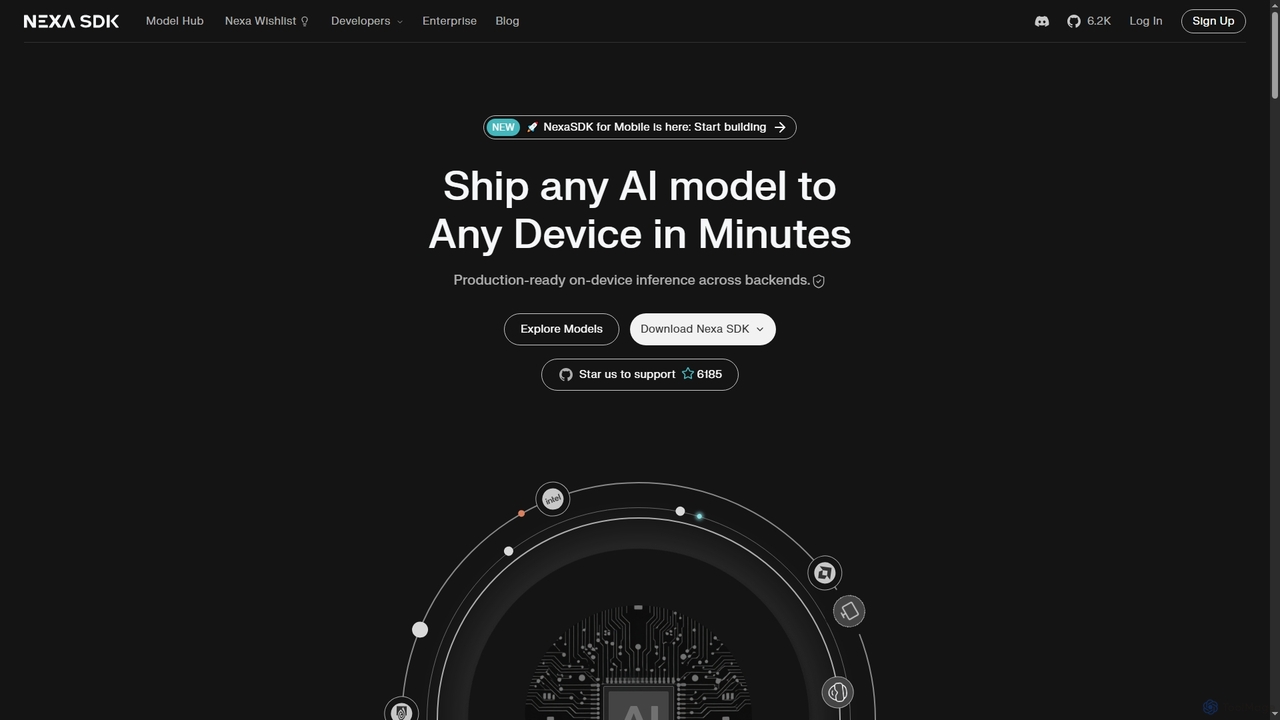
Nexa SDK is a powerful toolkit enabling developers to deploy any AI model, including frontier and state-of-the-art models, …
Nexa SDK is a powerful toolkit enabling developers to deploy any AI model, including frontier and state-of-the-art models, to any device (mobile, PC, IoT, automotive) in minutes. It offers production-ready on-device inference with hardware acceleration across NPUs, GPUs, and CPUs, optimized for speed and energy efficiency.

HackerNoon
HackerNoon is a leading independent technology publishing platform, serving an international community of 45,000+ contributing writers and over …
HackerNoon is a leading independent technology publishing platform, serving an international community of 45,000+ contributing writers and over 4 million monthly readers. It's a premier hub for in-depth tech stories, including extensive coverage on artificial intelligence, machine learning, and software development. The platform also leverages AI for content verification, ensuring human-written quality and credibility.
MotionExcel
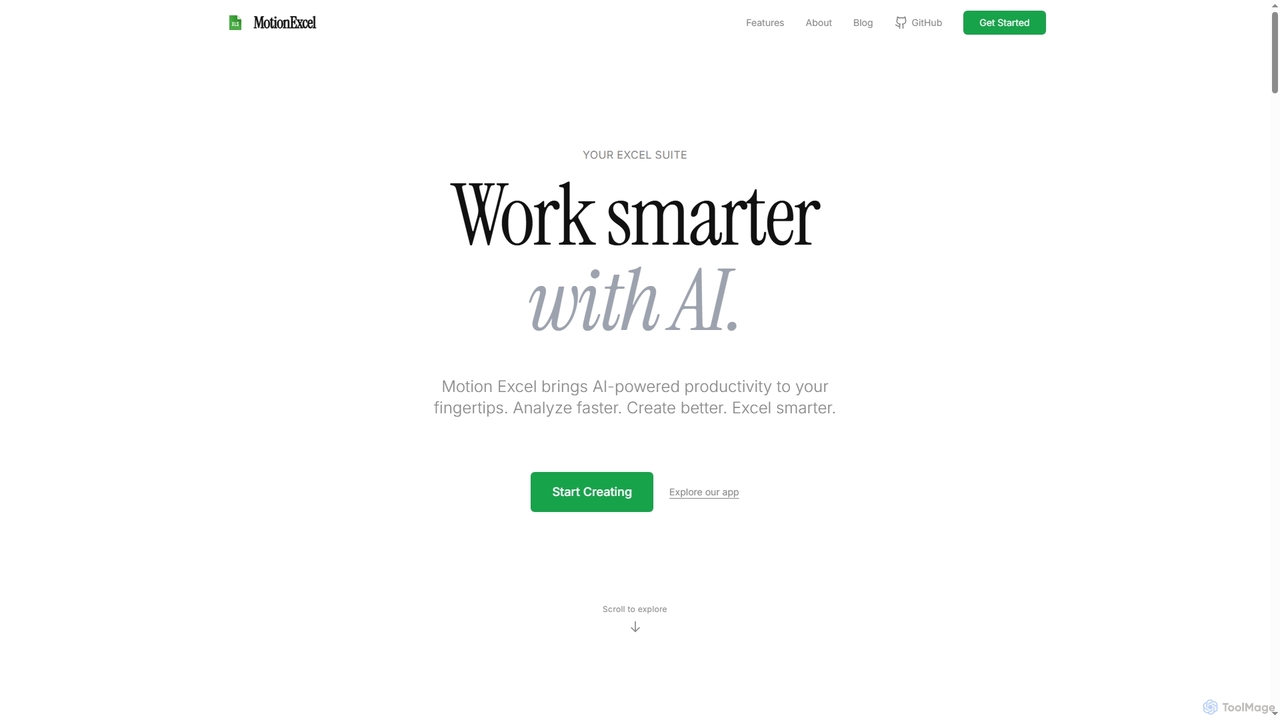
MotionExcel is an AI-powered spreadsheet editor that integrates artificial intelligence, Python, and SQL to transform data analysis and …
MotionExcel is an AI-powered spreadsheet editor that integrates artificial intelligence, Python, and SQL to transform data analysis and automation. It helps users analyze data faster, create better insights, and work smarter with intelligent agents and advanced features.
RoryPlans
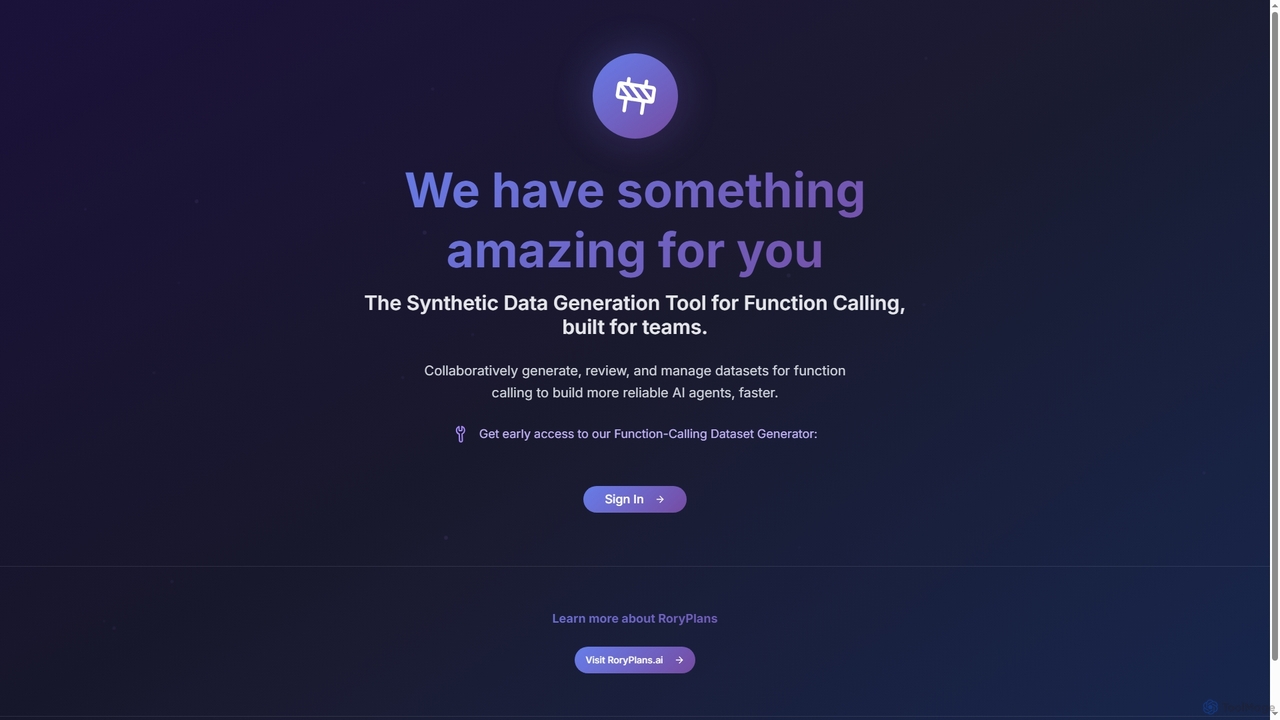
RoryPlans is a specialized AI tool designed for teams to collaboratively generate, review, and manage synthetic datasets for …
RoryPlans is a specialized AI tool designed for teams to collaboratively generate, review, and manage synthetic datasets for function calling. It aims to accelerate the development of more reliable AI agents by providing high-quality, structured data.
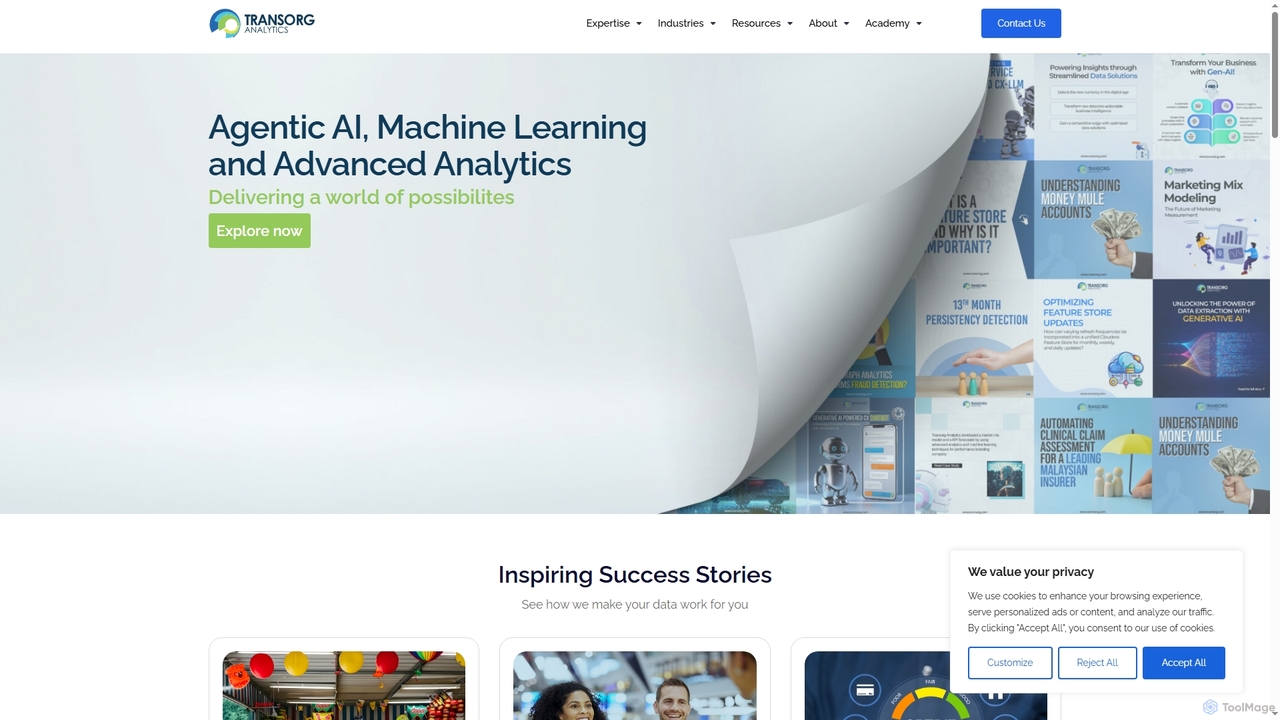
TransOrg
TransOrg specializes in advanced analytics, machine learning, and generative AI solutions, empowering enterprises to transform data into actionable …
TransOrg specializes in advanced analytics, machine learning, and generative AI solutions, empowering enterprises to transform data into actionable insights. It offers services like Agentic AI, feature extraction, voice bot analytics, and robust data engineering to drive operational efficiency and enhance customer experiences across diverse industries.
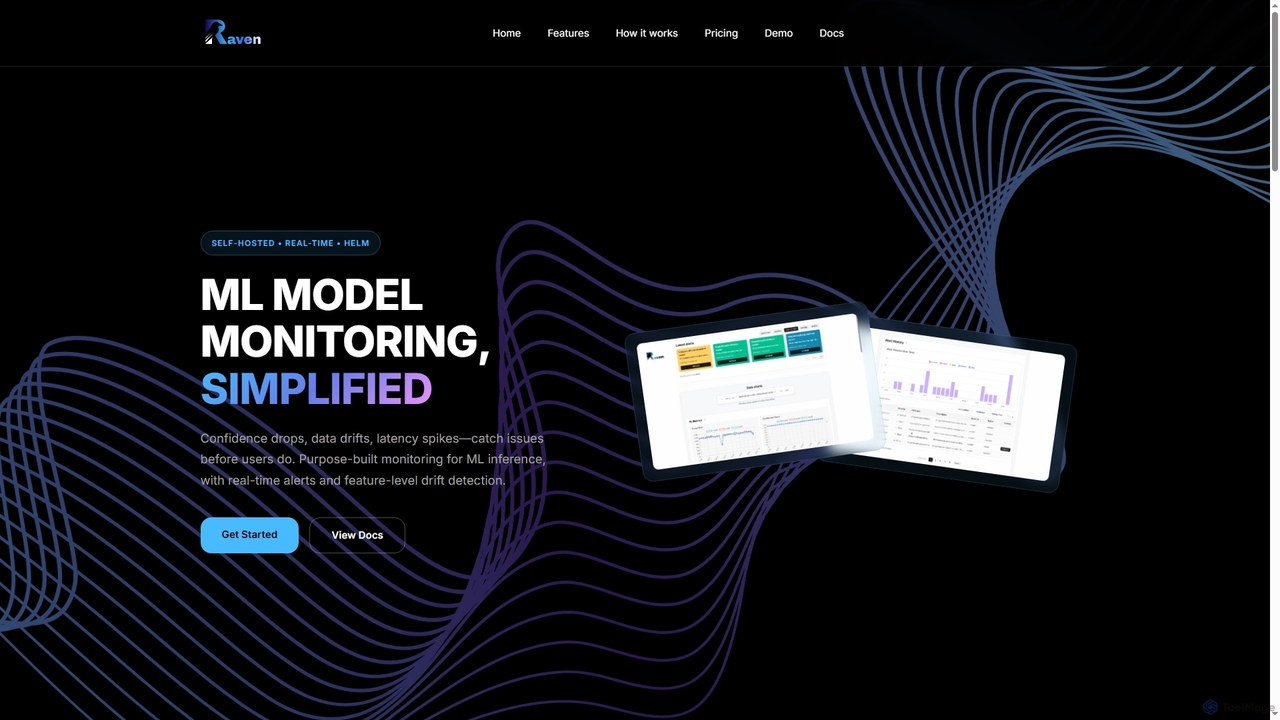
Raven
Raven is a self-hosted, real-time ML model monitoring platform designed to simplify observability for AI pipelines. It detects …
Raven is a self-hosted, real-time ML model monitoring platform designed to simplify observability for AI pipelines. It detects data drift, latency spikes, and confidence drops, providing instant alerts to ensure model reliability and performance in production environments.
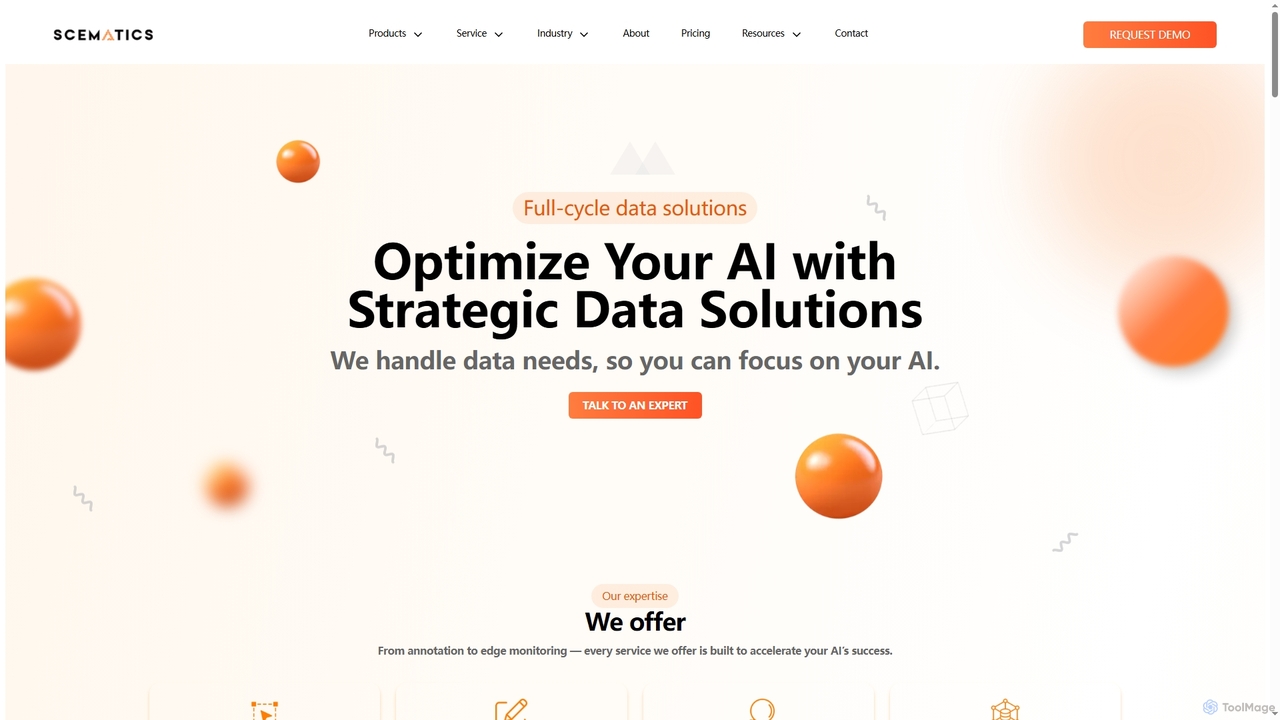
Scematics
Scematics is an all-in-one data annotation and labeling platform that provides strategic data solutions to optimize AI models. …
Scematics is an all-in-one data annotation and labeling platform that provides strategic data solutions to optimize AI models. It offers intuitive tools, expert annotation services, edge case monitoring, and synthetic data generation, enabling teams to build high-quality, scalable training datasets for various AI applications across diverse industries.
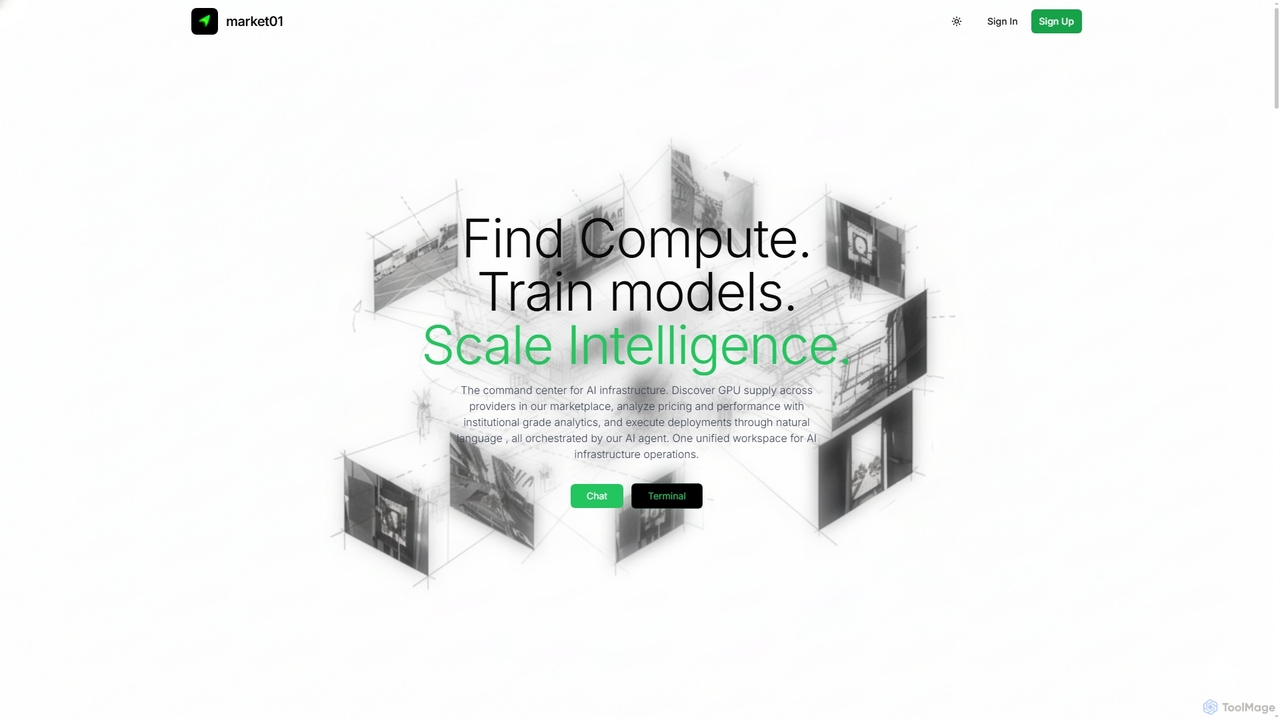
Market01
Market01 is an AI infrastructure command center that unifies GPU compute discovery, analysis, and deployment across multiple providers. …
Market01 is an AI infrastructure command center that unifies GPU compute discovery, analysis, and deployment across multiple providers. It leverages an AI agent and natural language interface, Telos Chat, to simplify operations for training models and scaling intelligence.
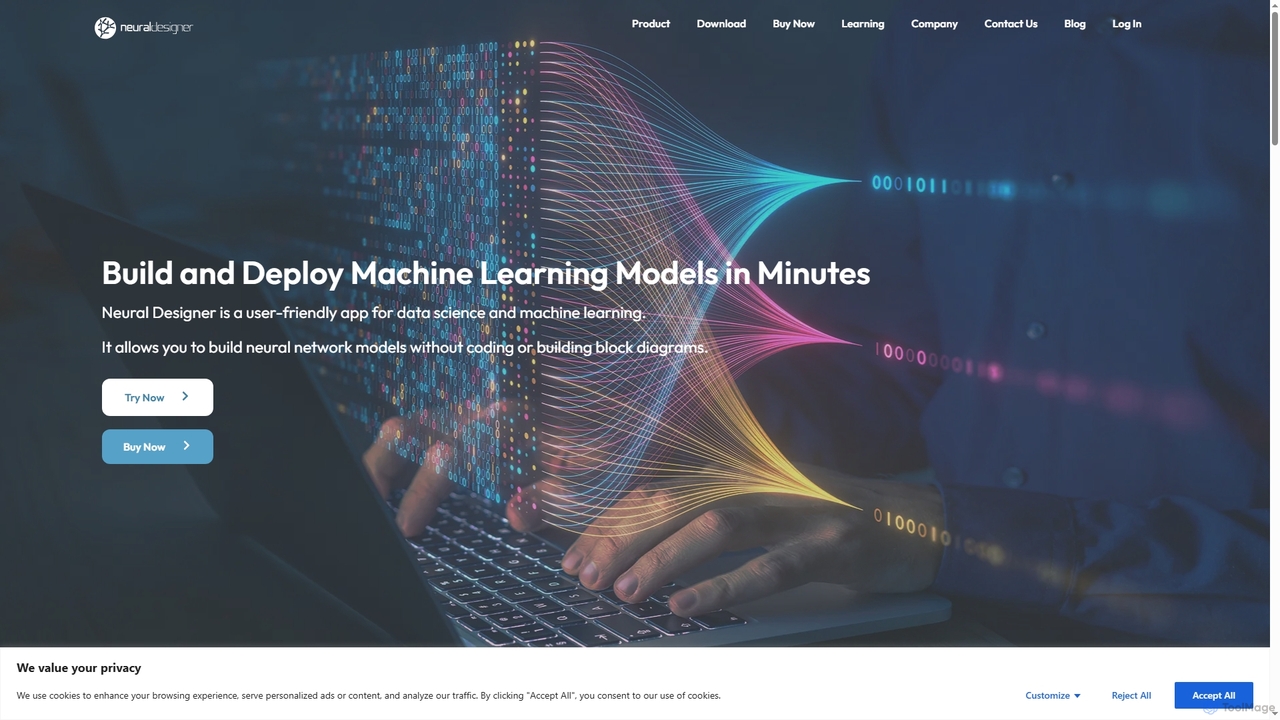
Neural Designer
Neural Designer is a user-friendly, no-code machine learning platform specializing in neural networks. It enables users to build, …
Neural Designer is a user-friendly, no-code machine learning platform specializing in neural networks. It enables users to build, train, and deploy advanced AI models for approximation, classification, and forecasting without writing any code or complex block diagrams. Designed for data scientists and organizations, it offers high performance, energy efficiency, and superior accuracy across various industries.
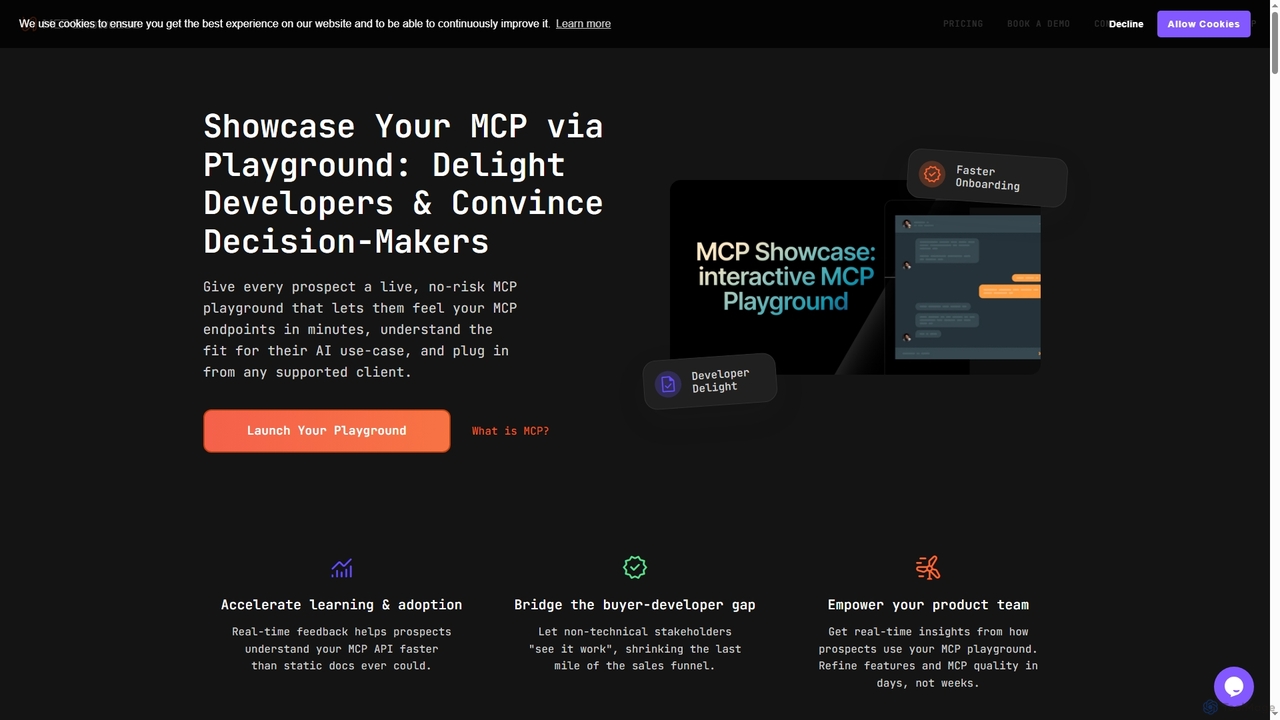
MCP Showcase
MCP Showcase is a pioneering platform demonstrating the Model Context Protocol (MCP), an open standard enabling AI assistants …
MCP Showcase is a pioneering platform demonstrating the Model Context Protocol (MCP), an open standard enabling AI assistants to seamlessly integrate with diverse external services like GitHub, Hugging Face, and Teamwork. It transforms complex API interactions into natural language conversations, empowering AI with real-time context and action capabilities across various domains.
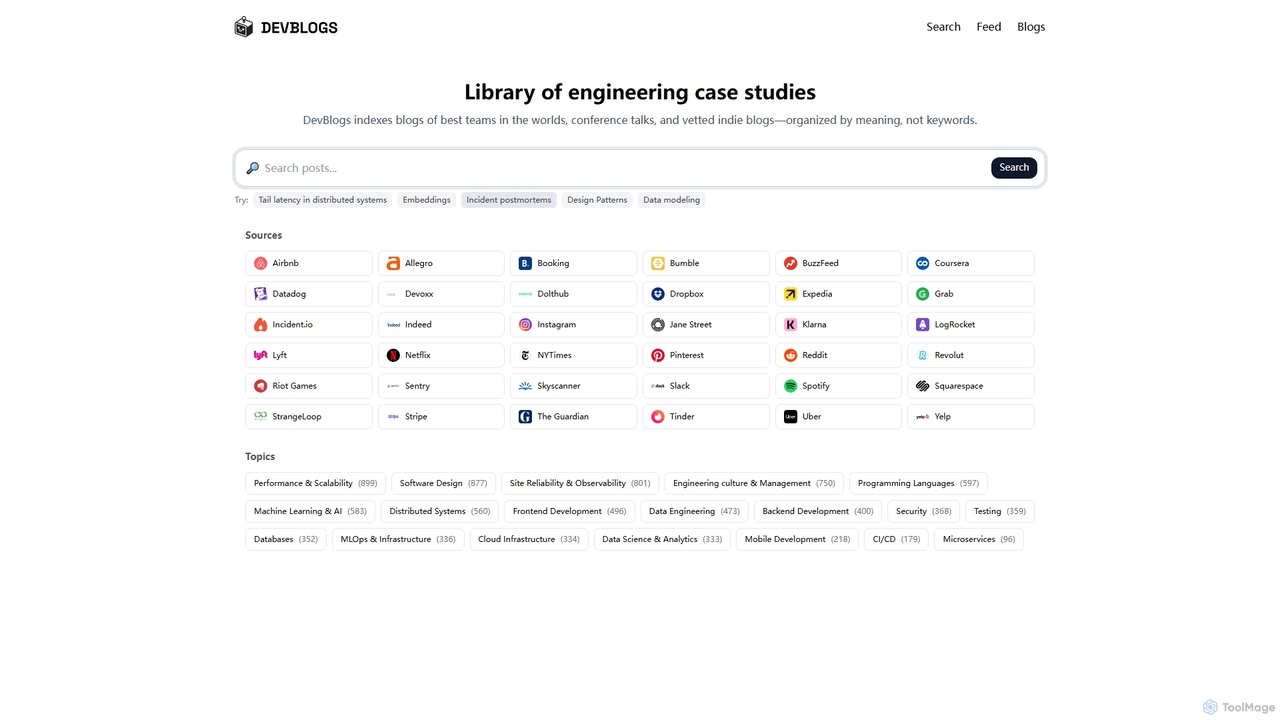
DevBlogs
DevBlogs is a curated library indexing engineering case studies, tech blogs, and conference talks from leading global teams. …
DevBlogs is a curated library indexing engineering case studies, tech blogs, and conference talks from leading global teams. It organizes content by meaning and specific technical topics, providing a valuable resource for developers and engineers to discover insights and best practices.
About Machine Learning
Machine Learning tools are AI-powered solutions that enable systems to learn from data, identify patterns, and make decisions or predictions with minimal human intervention. These tools leverage advanced algorithms and statistical models to process vast datasets, continuously improving their performance over time. They are invaluable for automating complex analytical tasks, extracting actionable insights, and driving intelligent automation across various industries.
Core Features
- Data Preprocessing: Tools for cleaning, transforming, and preparing raw data for model training.
- Model Training & Evaluation: Capabilities to build, train, and rigorously test machine learning models using various algorithms.
- Algorithm Libraries: Access to a wide range of pre-built algorithms for classification, regression, clustering, and deep learning.
- Deployment & Monitoring: Features for deploying trained models into production environments and continuously monitoring their performance.
Use Cases
Machine Learning is widely applied in fields such as finance for fraud detection, healthcare for diagnostic assistance, and e-commerce for personalized recommendations. Businesses use these tools to optimize operations, predict market trends, and enhance customer experiences by deriving insights from complex data.
How to Choose
When selecting Machine Learning tools, consider the types of algorithms supported, scalability for your data volume, integration capabilities with existing infrastructure, and the level of technical expertise required. Evaluate also the cost, community support, and data privacy features to ensure it aligns with your project needs and compliance requirements.
Machine LearningUse Cases
Predicting Equipment Failures
Manufacturers utilize Machine Learning to analyze sensor data from industrial machinery, identifying subtle patterns that indicate impending mechanical failures. This allows for proactive maintenance scheduling, significantly reducing unexpected downtime and costly repairs, thereby optimizing operational efficiency.
Enhancing E-commerce Product Suggestions
Online retailers deploy Machine Learning algorithms to analyze customer browsing history, purchase behavior, and product interactions. This enables the generation of highly personalized product recommendations, improving user engagement, increasing conversion rates, and boosting overall sales revenue.
Identifying Financial Fraudulent Activities
Financial institutions leverage Machine Learning models to detect unusual transaction patterns, anomalies, and suspicious behaviors in real-time. These models can quickly flag potential fraud, protecting both the institution and its customers from financial losses and enhancing security.
Aiding Disease Diagnosis
Healthcare professionals use Machine Learning to analyze vast amounts of medical data, including patient records, lab results, and imaging scans. The models can identify subtle indicators and correlations of diseases, assisting doctors in making earlier, more accurate diagnoses and personalizing treatment plans.
Optimizing Inventory and Logistics
Businesses apply Machine Learning to forecast demand fluctuations, optimize inventory levels across warehouses, and plan efficient logistics routes. This minimizes overstocking or stockouts, reduces shipping costs, and ensures timely delivery, leading to a more resilient and cost-effective supply chain.
Automating Customer Support Responses
Companies integrate Machine Learning-powered Natural Language Processing (NLP) tools into their customer service platforms. These tools can understand customer queries, provide instant, accurate answers to common questions, and intelligently route complex issues to human agents, improving response times and customer satisfaction.