ToolMage
Sign in

Best 7 Advertising Automation AI tools for Marketing

Popular Advertising Automation AI tools in Marketing include TrueGether, Adamigo, Quartile, Albert, Otis AI, Shakespeare, and searchadsoptimization, helping you work more efficiently.

Adamigo
Paid

Adamigo

Adamigo is an AI-powered media buyer and automated Meta Ads platform designed to optimize advertising campaigns, generate high-converting ad creatives, and manage ad accounts efficiently. It provides daily actionable insights, automates campaign adjustments, and supports bulk ad launches, helping businesses and agencies achieve significant ROAS improvements with minimal effort.

Social Media Ads
Visits 146.6KFavorites 139Likes 146
TrueGether
Freemium

TrueGether

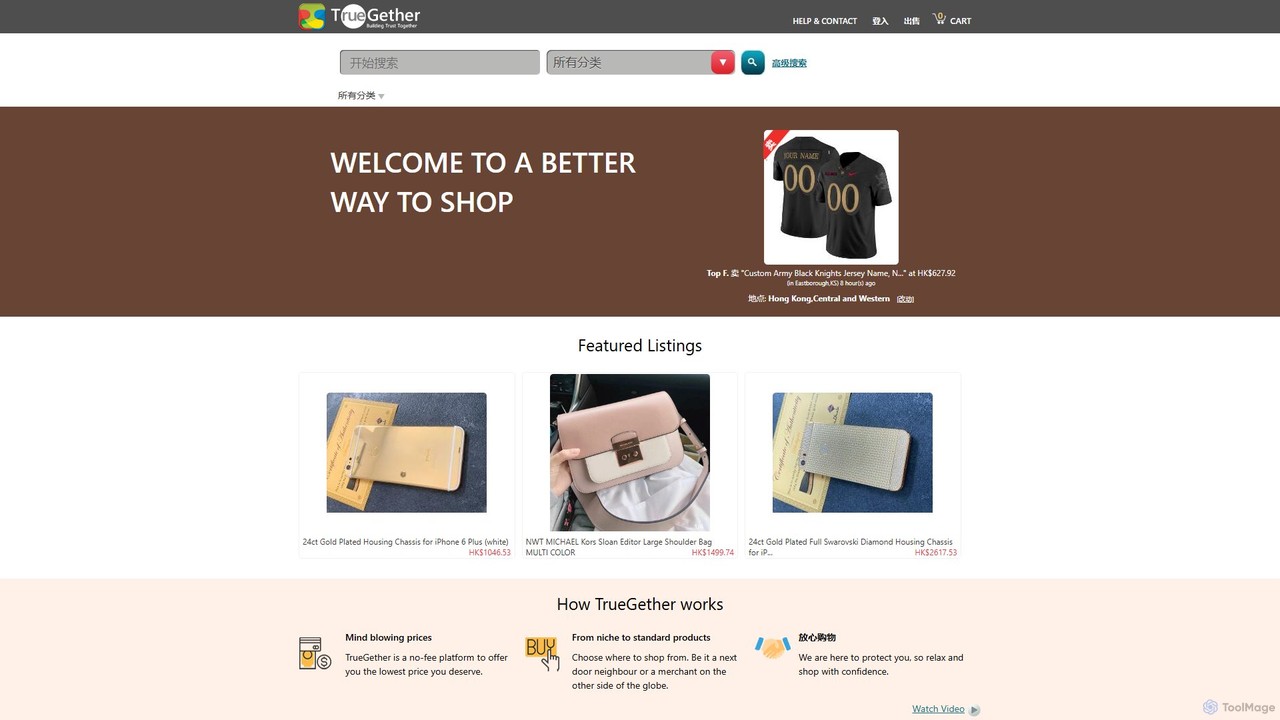
TrueGether is an AI-powered e-commerce marketplace designed for sellers. It offers a no-fee platform to list and sell products, with an optional premium plan that leverages AI to automate advertising campaigns on Google & Bing, optimize product pricing dynamically, and maximize sales ROI. It serves as a cost-effective alternative to platforms like eBay and Shopify, aiming to simplify online selling and reduce seller workload through intelligent automation.

Marketplace
Visits 203.3KFavorites 151Likes 125
Shakespeare

Shakespeare

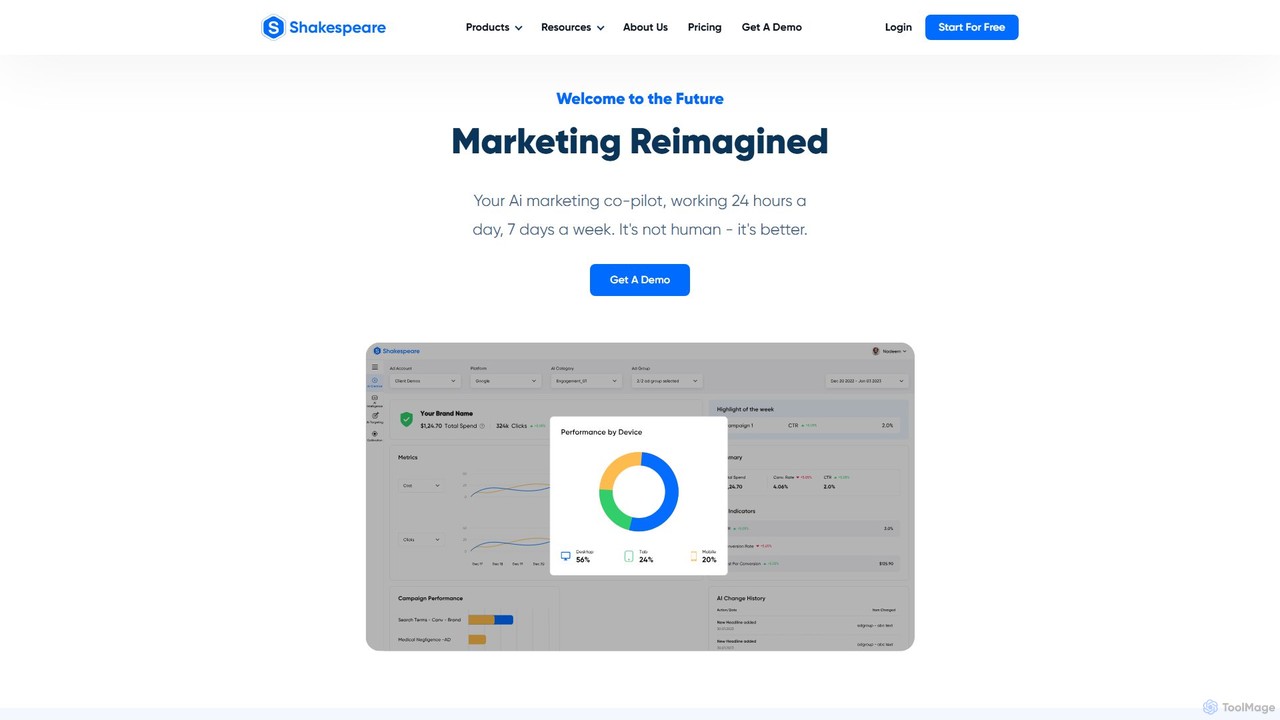
Shakespeare is an AI-powered marketing co-pilot designed to automate and optimize digital advertising campaigns. By centralizing data from ad accounts, CRMs, and social platforms, it delivers hyper-personalized audience targeting, automated creative generation, and real-time performance optimization. This allows marketing teams to move beyond guesswork, improve return on ad spend (ROAS), and scale their efforts efficiently across multiple channels from a single, unified dashboard.

Advertising Automation
Visits 6.7KFavorites 106Likes 127
searchadsoptimization
Freemium

searchadsoptimization

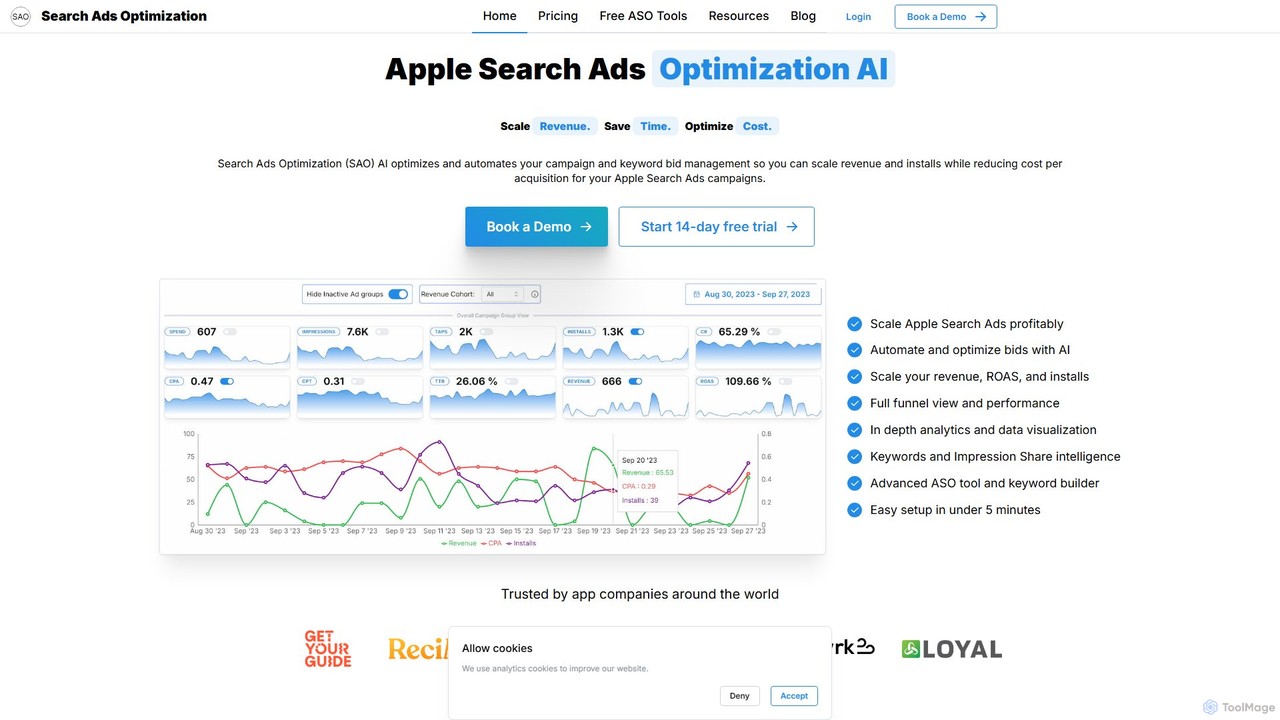
searchadsoptimization (SAO) is an AI-powered platform designed to automate and optimize Apple Search Ads (ASA) campaigns. It helps app developers and marketers scale revenue and installs while reducing acquisition costs. The tool provides 24/7 AI-driven bid management, in-depth analytics, ASO tools, and seamless integration with major attribution partners. By automating tedious manual tasks, SAO allows teams to focus on strategic growth and maximize their return on ad spend (ROAS) with minimal effort.

App Analytics
Visits 6KFavorites 173Likes 158
Albert
Paid

Albert

Albert is an AI-powered marketing platform that automates and optimizes paid advertising campaigns across channels like Google, Meta, and Bing. It autonomously manages audience targeting, budget allocation, and creative optimization to help businesses scale their digital marketing efforts and maximize return on investment (ROI).

Advertising Automation
Visits 24.3KFavorites 145Likes 148
Quartile
Paid

Quartile

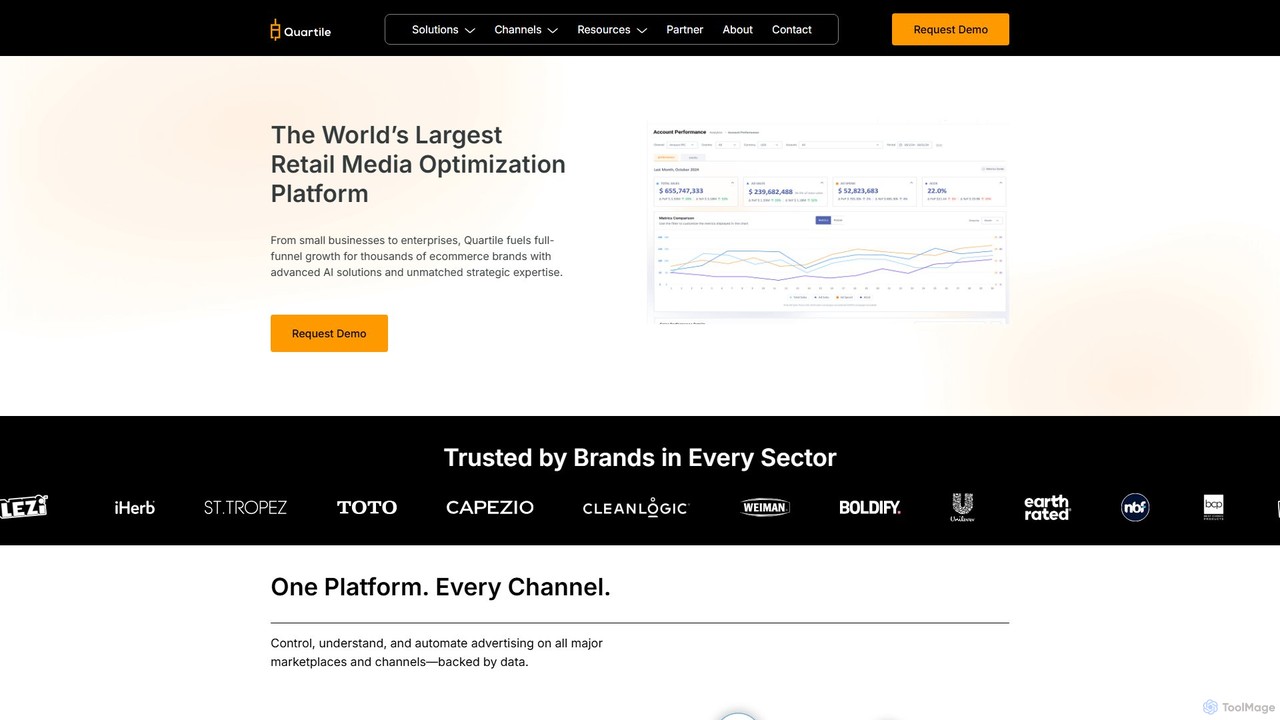
Quartile is the world's largest AI-powered retail media optimization platform. It helps e-commerce brands of all sizes fuel full-funnel growth by automating and optimizing advertising campaigns across major channels like Amazon, Walmart Connect, and Google Ads. The platform combines advanced AI with expert managed services to maximize Return on Ad Spend (ROAS) and drive sales.

Retail Media
Visits 41KFavorites 172Likes 174
Otis AI
Paid

Otis AI

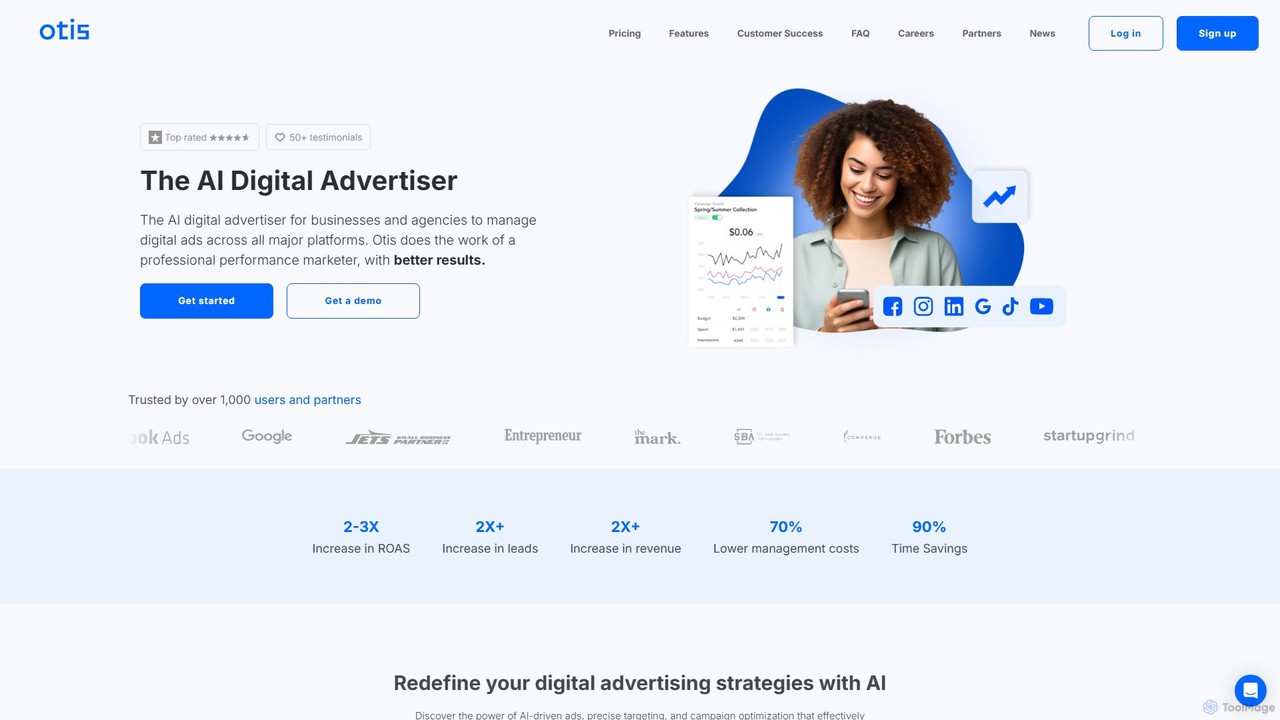
Otis AI is an AI-powered digital advertising platform that automates and optimizes ad campaigns across major platforms like Meta, Google, and TikTok. It helps businesses and agencies increase ROAS, generate more leads, and save significant time and management costs by leveraging AI for targeting, creative optimization, and budget allocation.

Advertising Automation
Visits 14.5KFavorites 137Likes 135

About Advertising Automation

Advertising Automation tools are a class of AI-powered software designed to manage and optimize digital advertising campaigns with minimal human intervention. These platforms leverage machine learning algorithms to automate tasks such as ad creation, bidding, budget allocation, and audience targeting. The primary value lies in increasing campaign efficiency, improving return on ad spend (ROAS), and enabling data-driven decisions at scale. They allow marketers to manage complex, multi-channel campaigns more effectively than manual methods allow.

Core Features

  • Automated Campaign Management: Automatically launch, pause, and adjust campaigns based on predefined rules and performance data.
  • AI-Powered Bidding: Utilize algorithms to set optimal bids in real-time to achieve goals like maximizing conversions or clicks.
  • Dynamic Creative Optimization (DCO): Generate and test numerous ad variations by combining different images, headlines, and calls-to-action.
  • Predictive Audience Targeting: Analyze data to identify and target user segments most likely to convert.
  • Cross-Channel Reporting: Consolidate performance data from multiple ad platforms into a single, unified dashboard for analysis.

Use Cases

These tools are widely used by e-commerce businesses to manage large product catalogs, digital marketing agencies to handle multiple client accounts efficiently, and performance marketing teams in large enterprises to scale their advertising efforts across platforms like Google Ads, Meta, and TikTok.

How to Choose

When selecting an Advertising Automation tool, consider its integration capabilities with your required ad networks. Evaluate the sophistication of its AI models for bidding and targeting. Also, assess the level of control and customization it offers, and ensure its reporting features provide the actionable insights your team needs.

Advertising Automation use cases

1

E-commerce ROAS Optimization

An e-commerce marketing manager for an online fashion retailer needs to promote thousands of products across Google Shopping and Facebook Ads. Using an advertising automation tool, they connect their product feed directly. The AI automatically generates unique ads for each product, sets initial bids, and then continuously adjusts them based on real-time conversion data. The system reallocates the budget from underperforming products to top-sellers, significantly increasing the overall Return on Ad Spend (ROAS) without manual daily adjustments.

2

Scaling B2B Lead Generation Campaigns

A marketing team at a B2B SaaS company aims to generate more qualified leads from LinkedIn and Google Search. They use an automation platform to manage their campaigns. The AI helps identify lookalike audiences based on their existing high-value customers and automates A/B testing for ad copy and landing pages. This allows the team to scale their ad spend confidently, knowing the budget is being allocated to the combinations that drive the most cost-effective leads, reducing the cost per acquisition (CPA).

3

Agency-Level Multi-Client Ad Management

A digital marketing agency manages advertising for 20 different clients, each with unique goals and budgets across multiple platforms. An advertising automation tool provides a centralized dashboard to monitor all accounts. The agency sets client-specific performance goals (e.g., CPA, ROAS), and the AI handles the day-to-day bid and budget adjustments. This frees up account managers to focus on high-level strategy and client communication instead of tedious manual campaign tweaks.

4

Dynamic Ad Personalization for Travel

A large online travel agency wants to show highly relevant ads to potential customers. They implement a tool with Dynamic Creative Optimization (DCO). The platform connects to their flight and hotel inventory. When a user who previously searched for flights to Paris browses a news site, the AI assembles an ad in real-time showing the latest flight deals to Paris, a picture of the Eiffel Tower, and a compelling call-to-action. This level of personalization dramatically increases click-through rates and bookings.

5

Automated Anomaly Detection in Ad Spend

A performance marketing analyst at a large corporation oversees a multi-million dollar monthly ad budget. An advertising automation platform continuously monitors campaign performance 24/7. If a campaign's cost-per-click (CPC) suddenly spikes or its conversion rate drops unexpectedly, the system sends an instant alert. It can also automatically pause the anomalous campaign to prevent wasted spend, allowing the analyst to investigate the root cause without constant manual oversight.

6

Optimizing Mobile App Install Campaigns

A mobile game developer is running user acquisition campaigns on Apple Search Ads, Google Ads, and social media platforms to drive app installs. They use an automation tool to manage bids for specific keywords and target demographics. The AI analyzes which channels and creatives deliver users with the highest lifetime value (LTV) and automatically shifts the budget towards them. This process optimizes for not just a low cost-per-install (CPI), but for acquiring profitable long-term users.

Advertising Automation FAQ

What is Advertising Automation?

Advertising Automation refers to software that uses AI and machine learning to manage digital ad campaigns. Its core function is to automate repetitive tasks like bidding, budget management, and A/B testing to improve efficiency and performance. These tools help marketers scale their efforts across platforms like Google and Meta, making data-driven decisions faster than a human can.

How do I choose the right Advertising Automation tool?

To choose the right tool, consider these factors:

  • Platform Integrations: Ensure it connects to all the ad networks you use (e.g., Google, Meta, TikTok, LinkedIn).
  • Feature Set: Does it offer the specific automation you need, such as smart bidding, creative optimization, or budget pacing?
  • Level of Control: Check if you can set custom rules and constraints or if you must rely entirely on the AI's decisions.
  • Pricing: Understand the pricing model—it's often a percentage of ad spend, a flat fee, or feature-based tiers.
What's the difference between Advertising Automation and Marketing Automation?

Advertising Automation focuses specifically on paid media campaigns (e.g., Google Ads, Facebook Ads). Its goal is to optimize ad spend and performance. Marketing Automation is a broader category that manages the entire customer journey, including email marketing, lead nurturing, CRM integration, and social media scheduling. While some platforms offer both, advertising automation is a specialized subset for managing paid channels.

What are the key benefits of using Advertising Automation?

The main benefits include:

  • Increased Efficiency: It saves significant time by automating manual tasks like bid adjustments and reporting.
  • Improved Performance: AI algorithms can process vast amounts of data to make real-time optimizations, often leading to higher ROAS or lower CPA.
  • Enhanced Scalability: It allows you to manage more campaigns, platforms, and larger budgets without a proportional increase in team size.
  • Data-Driven Insights: These tools can uncover performance trends and opportunities that might be missed in manual analysis.
Who should use Advertising Automation tools?

Advertising Automation tools are ideal for performance marketers, e-commerce store owners, digital marketing agencies, and any business that manages significant ad spend across multiple digital channels. They are particularly valuable for those running complex campaigns with many variables, such as large product catalogs or multiple target audiences, where manual optimization becomes impractical.