Ecommerce Best in category 9 results Marketplace AI Tool

Popular AI tools in the Marketplace field of Ecommerce include TrueGether、Adpost、Misprint、Rarecandy、Branition、Tradvo、Echeta、Hero、Photo Journey Ai, etc., helping you quickly improve efficiency.

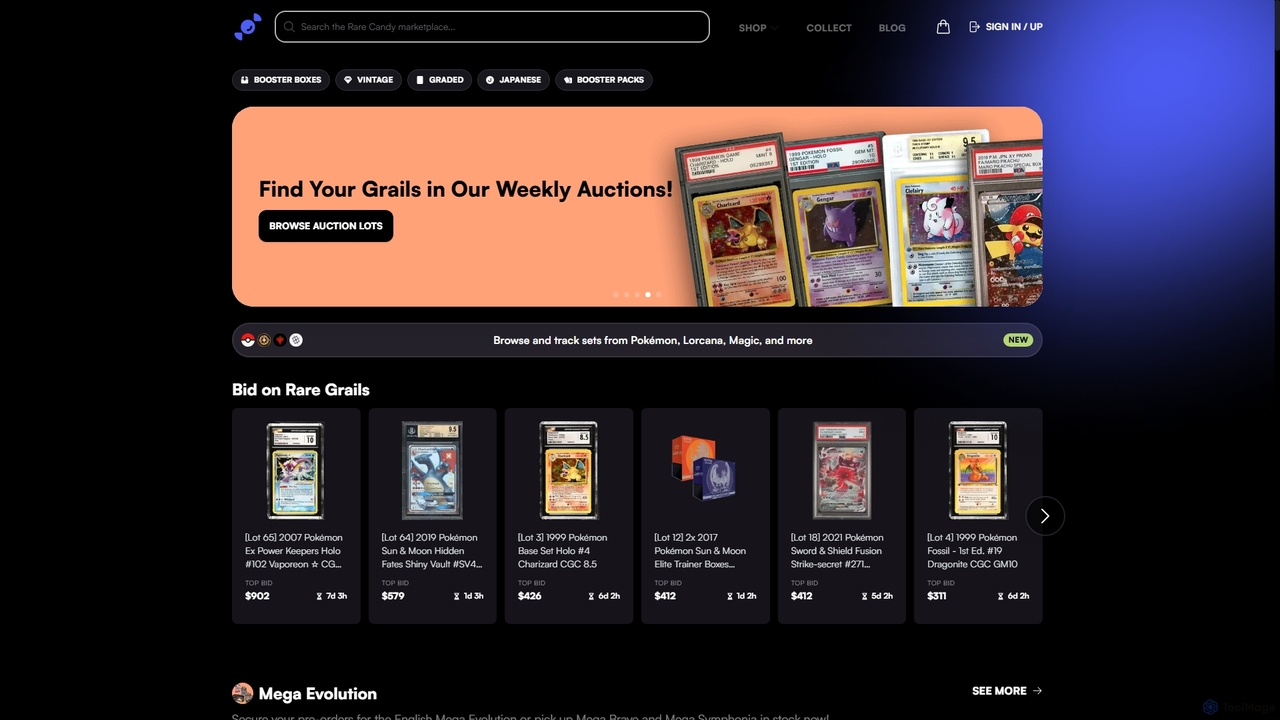
Rarecandy

Rarecandy

An AI-powered marketplace and collection management platform for Trading Card Game (TCG) enthusiasts. Scan cards with your phone, …

94.4K
Misprint

Misprint

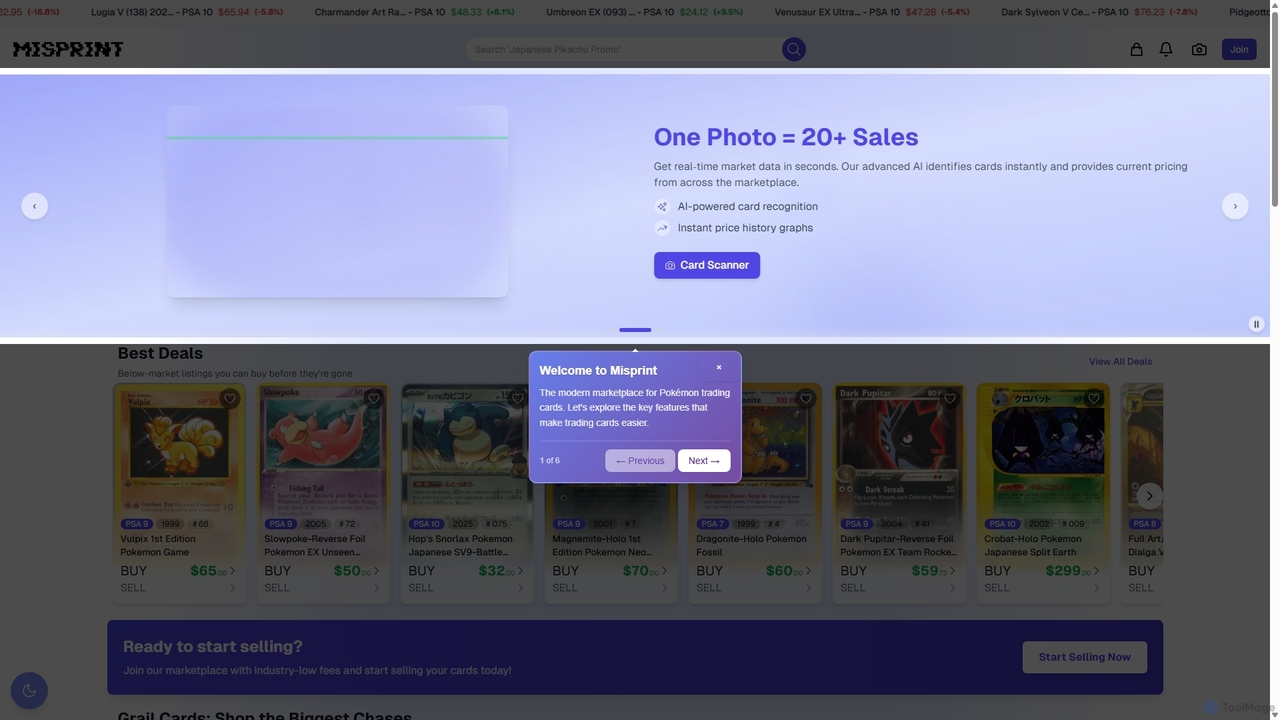
Misprint is an AI-powered marketplace for buying and selling graded Pokémon cards and sealed products. It uses machine …

146.4K
Echeta

Echeta

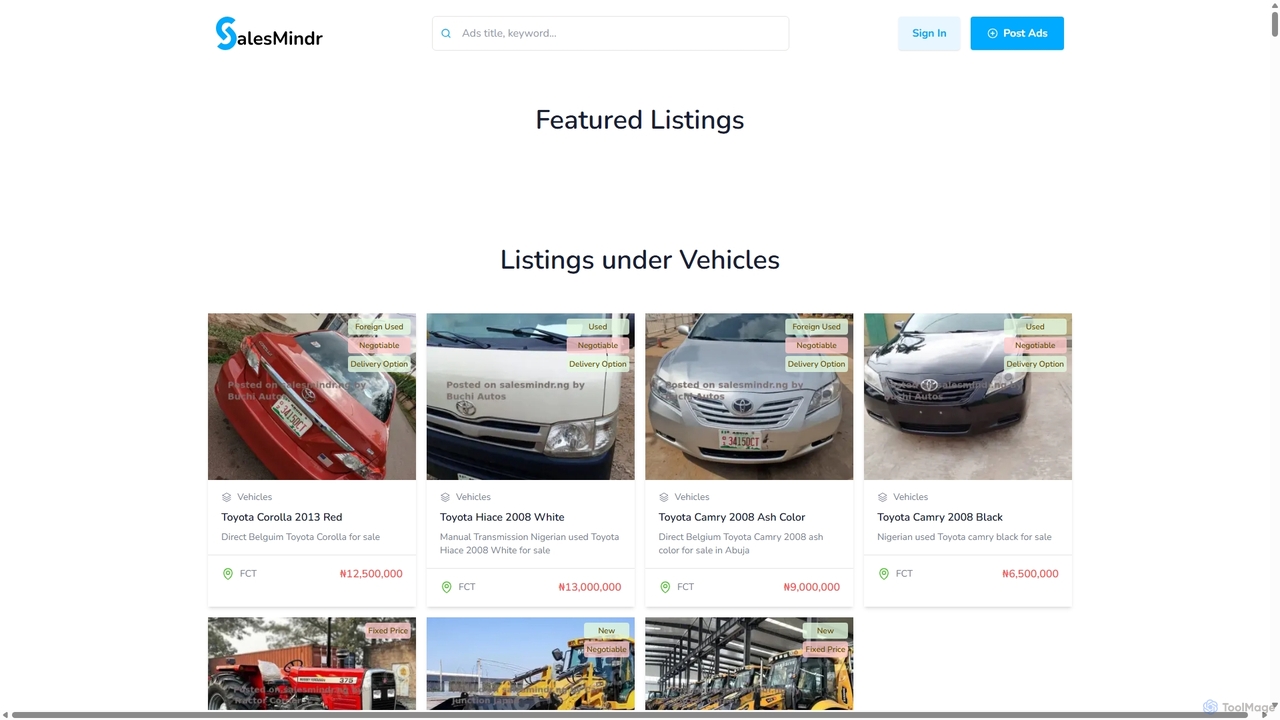
Echeta (Salesmindr.ng) is Nigeria's leading AI-powered classifieds platform. It enables users to easily buy and sell a wide …

3.0K
Free
Hero

Hero

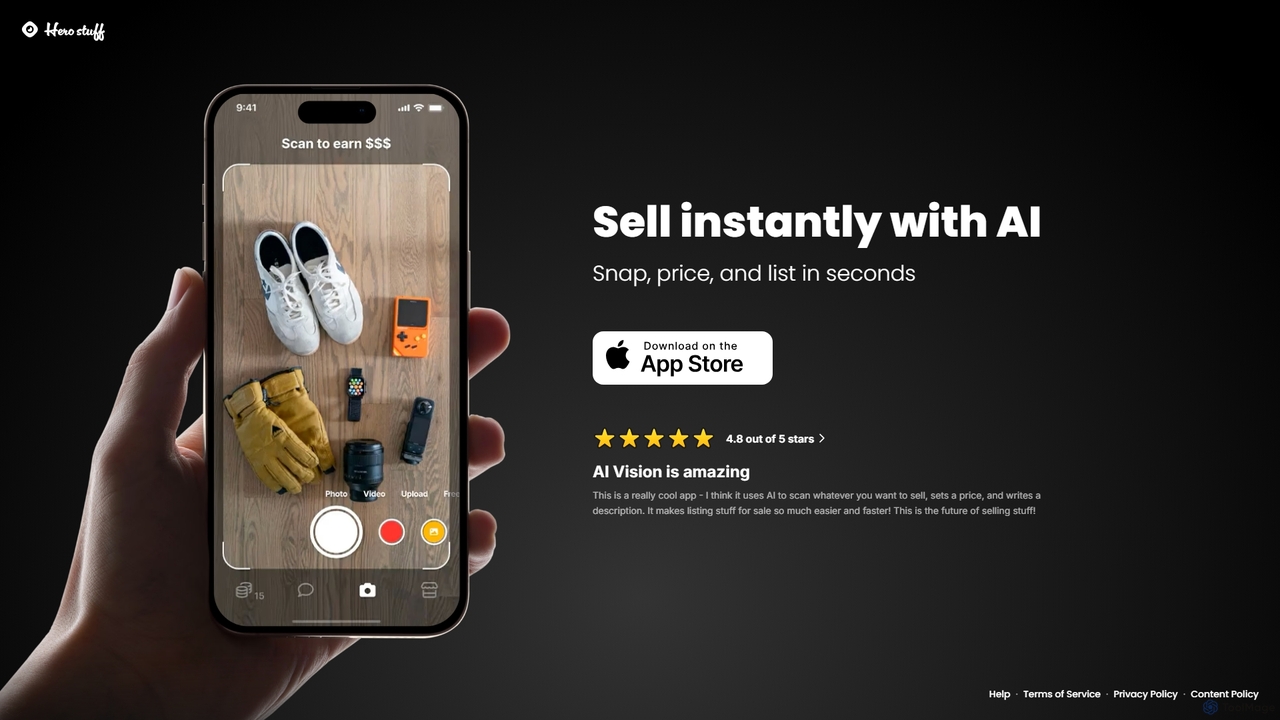
Hero is an AI-powered mobile app that revolutionizes selling second-hand items. Simply snap a photo of your item, …

3.0K
Adpost

Adpost

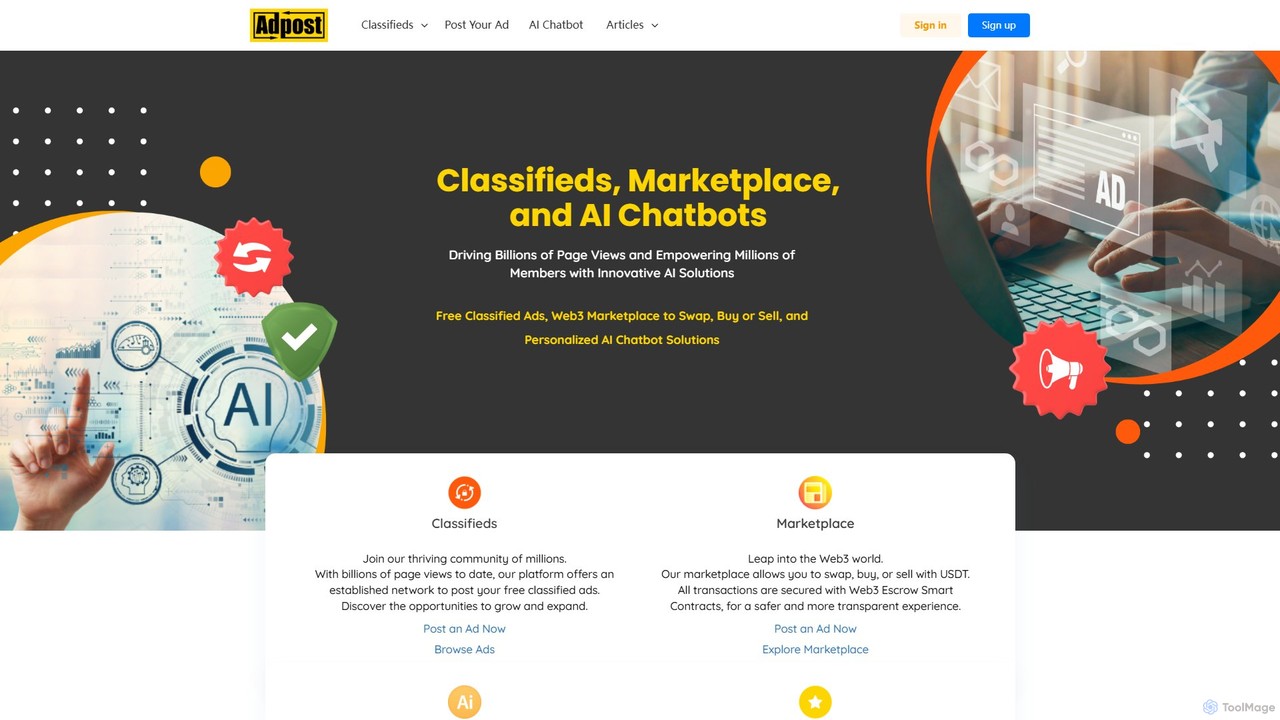
Adpost is an all-in-one platform combining free global classifieds, a secure Web3 marketplace, and a powerful AI chatbot …

152.7K
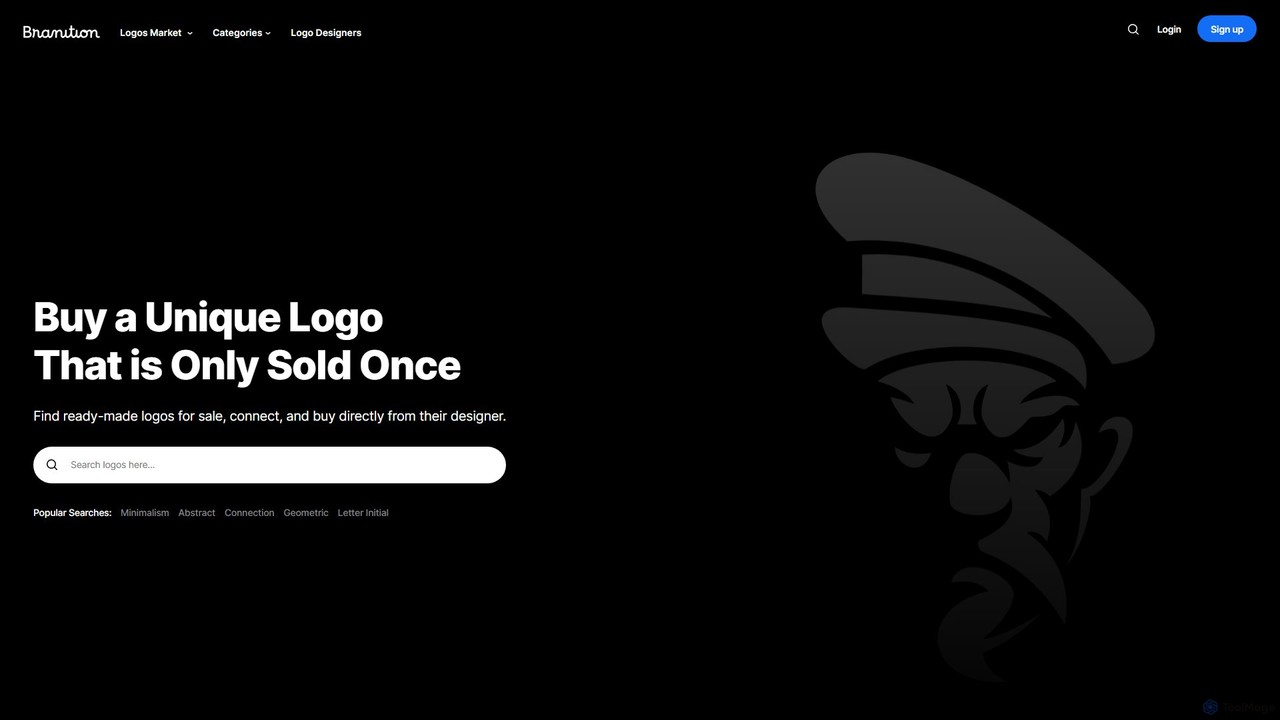
Branition

Branition

Branition is a premium marketplace for unique, ready-made logos. Unlike AI generators, each logo is professionally designed by …

30.3K
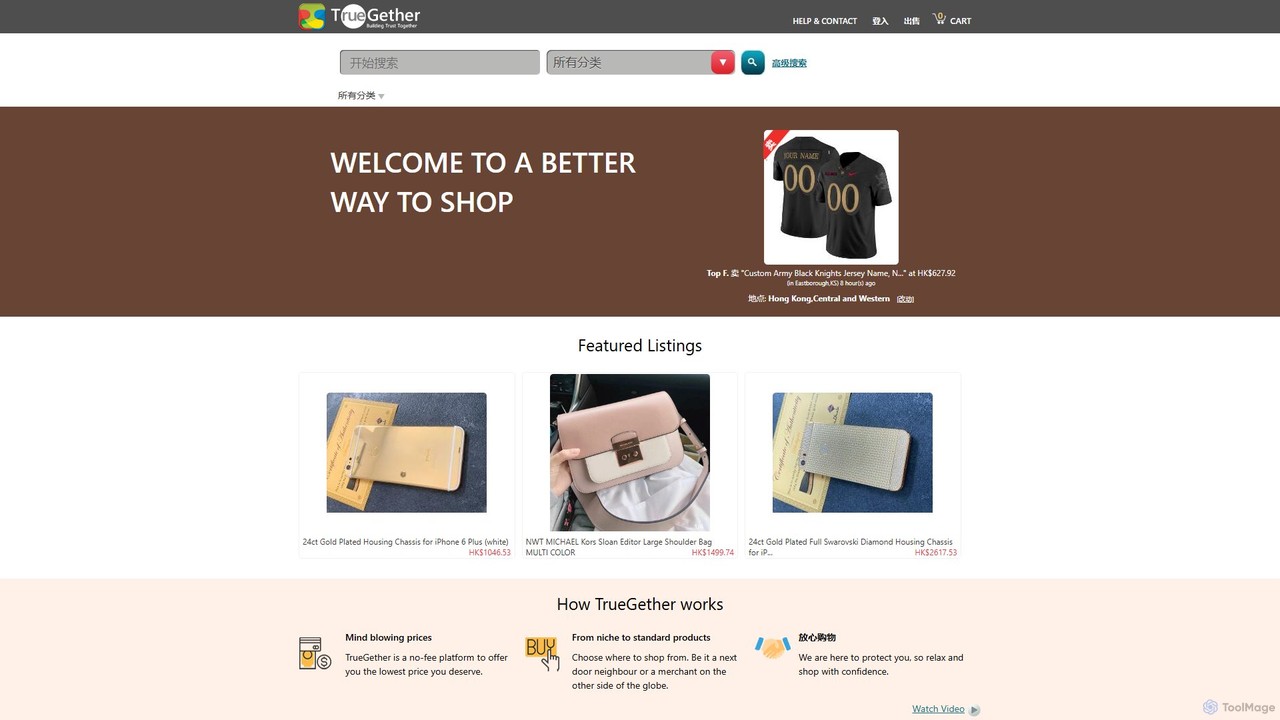
TrueGether

TrueGether

TrueGether is an AI-powered e-commerce marketplace designed for sellers. It offers a no-fee platform to list and sell …

202.8K
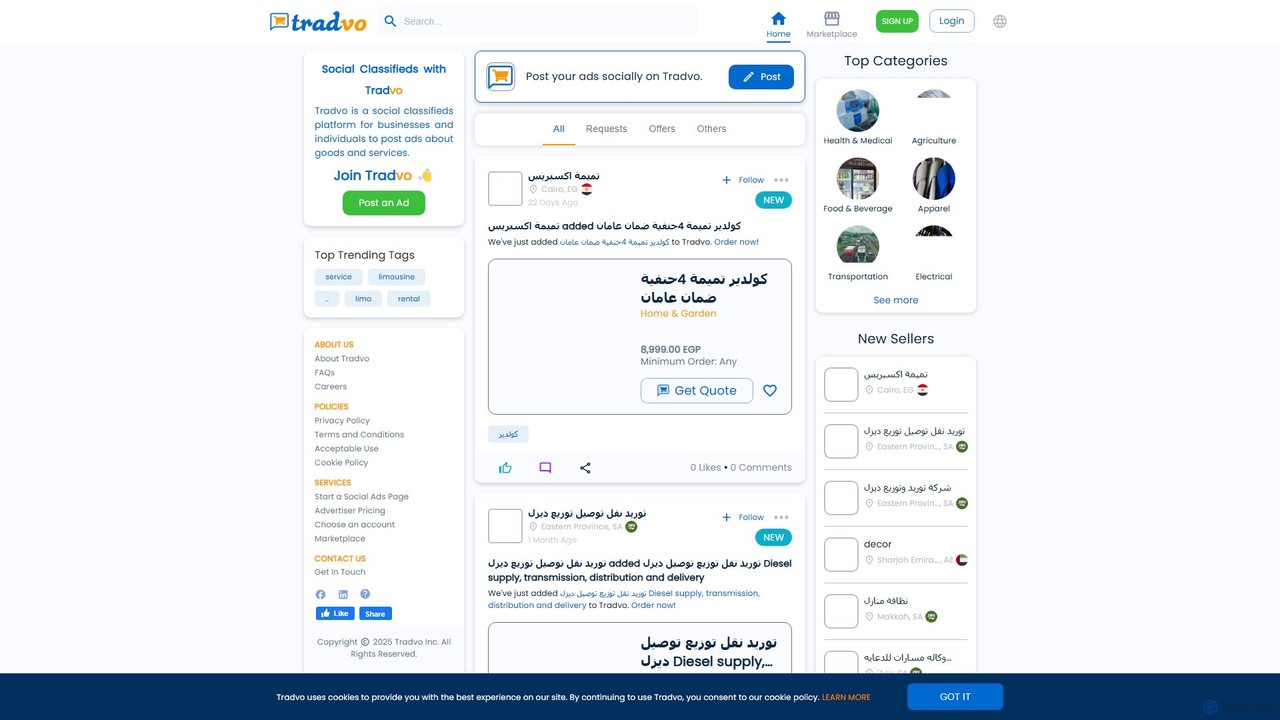
Tradvo

Tradvo

Tradvo is an AI-powered social classifieds platform where users and businesses connect. It leverages AI for smart search, …

3.1K
Photo Journey Ai

Photo Journey Ai

Photo Journey Ai is an all-in-one AI-powered platform for fine art photographers. It streamlines the entire workflow, from …

3.0K

About Marketplace

AI Marketplace tools are centralized platforms for discovering, buying, and selling pre-trained AI models, APIs, and datasets. They function like an app store for artificial intelligence, connecting AI developers with businesses seeking to integrate advanced capabilities. This model accelerates development by providing ready-to-use solutions for tasks like image recognition or sentiment analysis, removing the need to build complex models from scratch.

Core Features

  • Model & API Catalog: A searchable repository of diverse AI models and APIs for various tasks.
  • Usage-Based Billing: Flexible, metered pricing based on API calls, data processed, or subscription tiers.
  • Developer Sandbox: Secure testing environments to evaluate model performance and integration before committing.
  • Performance Benchmarking: Standardized metrics and leaderboards to compare the accuracy, speed, and cost of different models.
  • Secure Deployment & Integration: Tools and documentation to facilitate the secure integration of purchased models into existing applications.

Use Cases

These platforms are primarily used by software developers, data scientists, and technology companies. For instance, a mobile app developer can purchase a sentiment analysis API to analyze user reviews, or an e-commerce company can find a product recommendation model to integrate into their online store, significantly reducing time-to-market.

How to Choose

When selecting an AI Marketplace, evaluate the diversity and quality of the models offered. Scrutinize the clarity of the pricing structure and API documentation. Also, consider the platform's security protocols, compliance certifications, and the level of technical support provided to developers.

MarketplaceUse Cases

1

Integrating Advanced Image Recognition into an App

A mobile app developer is building a social media application that needs to automatically tag objects in user-uploaded photos. Instead of spending months and significant resources training a custom model, the developer browses an AI Marketplace. They find a high-accuracy object recognition API, test its performance in the provided sandbox with sample images, and integrate it into their app's backend using a few lines of code. This approach allows them to launch a key feature in weeks instead of months, saving substantial development costs and accelerating time-to-market.

2

Sourcing Datasets for Machine Learning Research

A data scientist at a university needs a large, labeled dataset of medical images to train a new diagnostic algorithm. The process of collecting and annotating this data manually is time-consuming, expensive, and raises ethical concerns. By using an AI Marketplace, the researcher can find and license a high-quality, ethically sourced dataset that meets their specific requirements. The platform handles the legal agreements and secure data transfer, allowing the researcher to bypass the data collection phase and focus directly on model development, significantly accelerating their research timeline.

3

Monetizing a Custom AI Model

A small AI firm has developed a unique algorithm for financial fraud detection. To reach a wider audience without building their own sales and infrastructure teams, they list their model as a paid API on a popular AI Marketplace. The platform provides the necessary infrastructure for hosting, authentication, and billing. This allows them to create a new revenue stream by offering their specialized technology to a global audience of businesses and developers, turning their intellectual property into a scalable product with minimal overhead.

4

Enhancing E-commerce with a Recommendation Engine

An e-commerce tech lead notices their in-house product recommendation system is underperforming. Instead of allocating internal R&D resources to a complex problem, they explore an AI Marketplace to find and benchmark several third-party recommendation engine models. They select a model with proven uplift in conversion rates for their industry, integrate it via its API, and run an A/B test. The new model significantly increases average order value and customer engagement, providing a strong return on investment with minimal internal effort.

5

Rapidly Prototyping AI Features for a Startup

A startup founder wants to quickly validate a new product idea that relies on natural language processing (NLP) for text summarization. Building this technology in-house would be too slow and costly for an unproven concept. They use an AI Marketplace to subscribe to a flexible, pay-as-you-go NLP API. Within days, they build a minimum viable product (MVP) to test with early users. This allows for low-cost, rapid validation of a core product feature, enabling them to gather user feedback and secure investor interest before committing to building the technology themselves.

6

Accessing Specialized, Industry-Specific AI Models

An enterprise architect in the legal industry needs an AI model trained specifically on legal contract analysis. General-purpose AI services lack the domain-specific knowledge required. By searching a specialized AI Marketplace, they find a model from a legal tech vendor that can accurately identify clauses, risks, and obligations in legal documents. They license this pre-trained model, avoiding the immense cost and difficulty of sourcing proprietary legal data and training a custom model, thereby deploying a highly specialized capability much faster.

MarketplaceFrequently Asked Questions