ToolMage
Sign in

Best 36 Conversational Marketing AI tools for Marketing

Popular Conversational Marketing AI tools in Marketing include mindbehind, Drift, AiSensy, Voiceflow, Rushchat, ChatBot, Qualified, LimeChat, hilos, and BIK, helping you work more efficiently.

hilos
Freemium

hilos

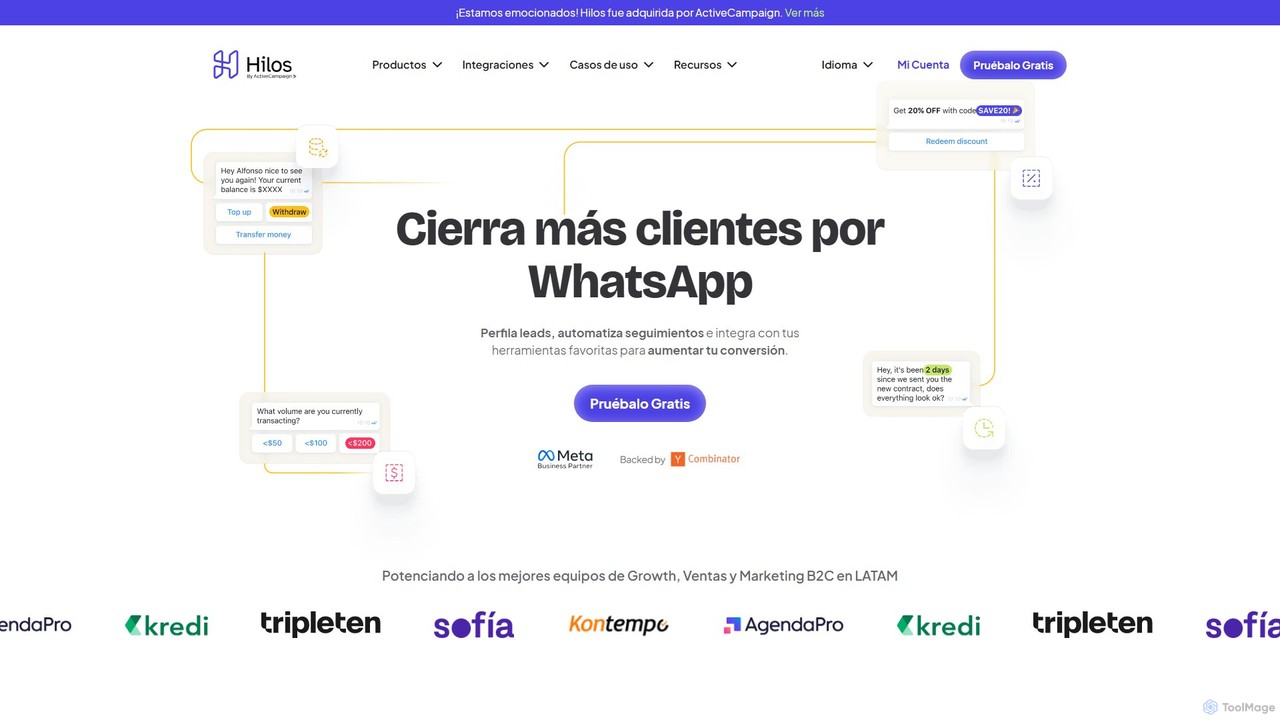
Hilos is a powerful WhatsApp automation platform, now part of ActiveCampaign, designed for sales, marketing, and support teams. It helps businesses close more deals by automating lead qualification, follow-ups, and customer communication directly within WhatsApp. With its no-code flow builder, multi-agent inbox, and seamless CRM integrations, Hilos streamlines the entire customer journey on the world's most popular messaging app.

Chatbot
Visits 87.1KFavorites 106Likes 140
LiveX
Paid

LiveX

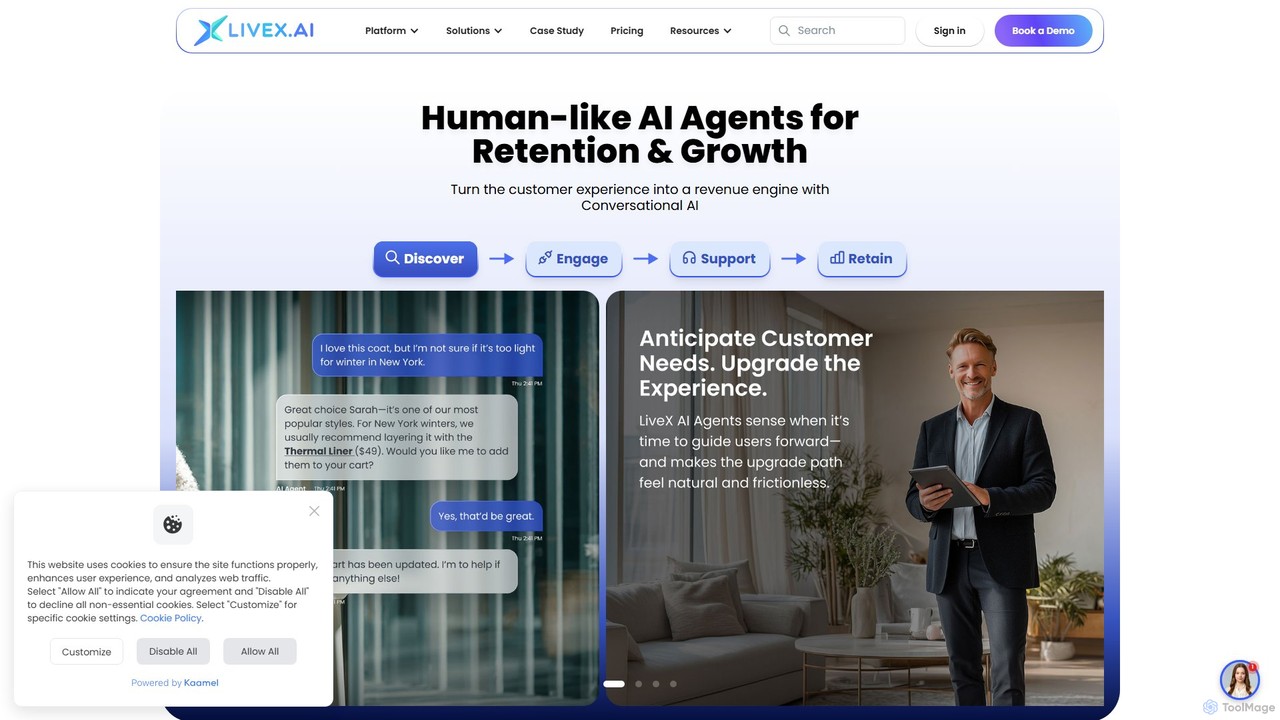
LiveX provides human-like AI agents for DTC and B2C brands to enhance customer experience, reduce churn, and drive growth. It automates voice, chat, and search support, achieving up to 90% self-service resolution and significantly cutting operational costs while boosting sales and customer retention.

Virtual Assistant
Visits 27.7KFavorites 107Likes 107
livesquare
Paid

livesquare

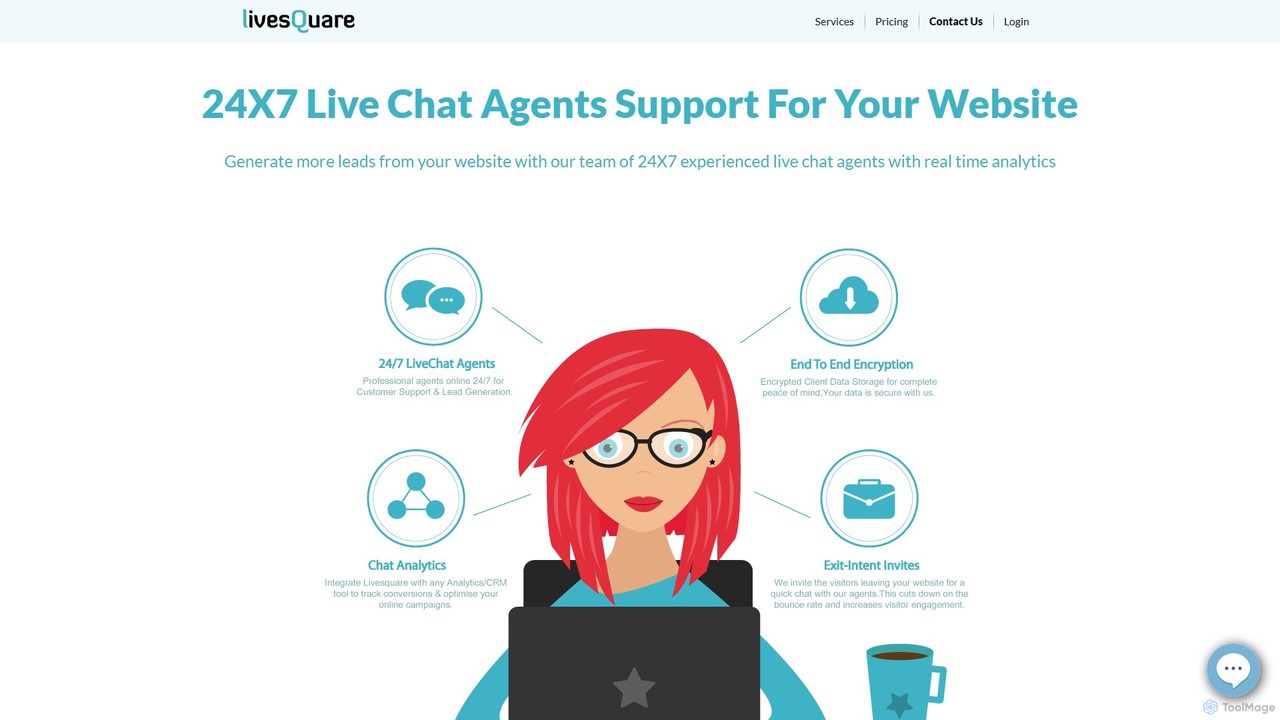
livesquare offers a comprehensive solution for website lead generation and customer support by combining 24/7 outsourced live chat agents with advanced AI-powered chatbots. The platform includes a full suite of tools like website analytics, uptime monitoring, and customizable popups to help businesses convert visitors into leads and enhance customer satisfaction around the clock.

Live Chat
Visits 7.7KFavorites 113Likes 116
BIK
Freemium

BIK

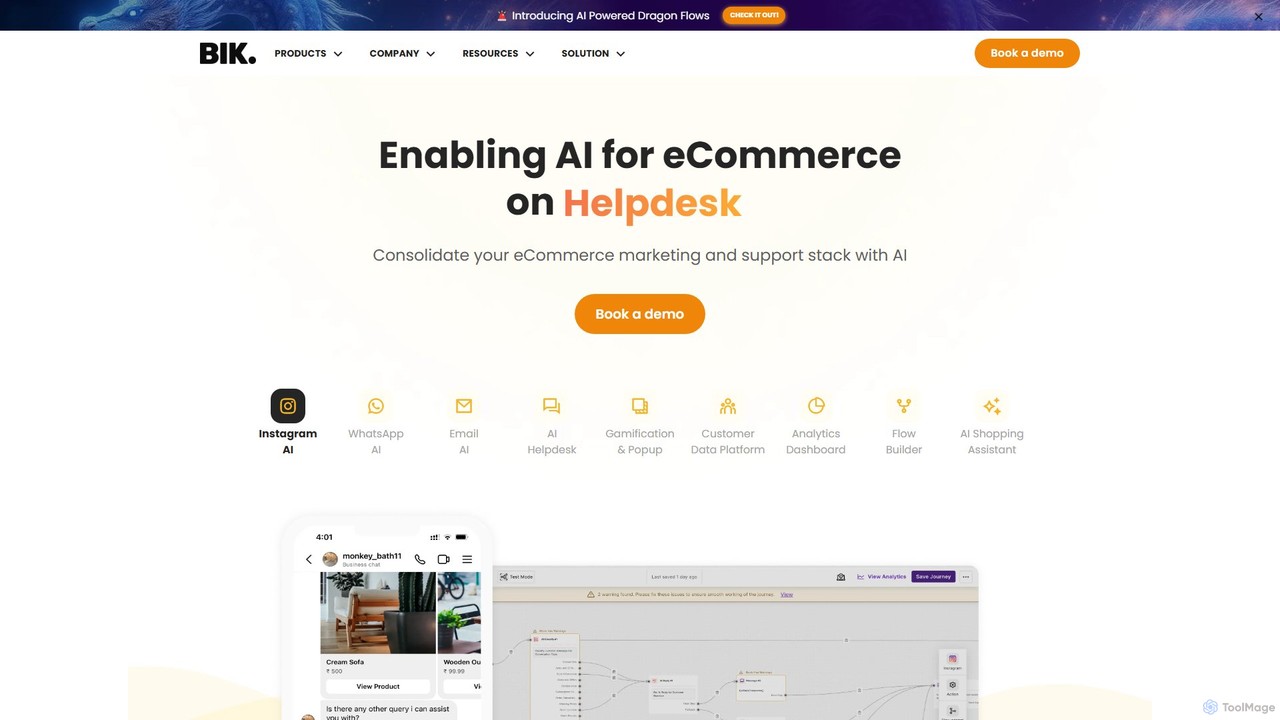
BIK is an all-in-one AI-powered conversational commerce platform designed for eCommerce businesses. It unifies marketing, customer support, and sales automation across channels like WhatsApp, Instagram, and website popups. By leveraging generative AI, BIK helps D2C brands increase revenue, enhance customer engagement, and improve operational efficiency.

Helpdesk
Visits 73.2KFavorites 146Likes 126
Chatterdocs
Freemium

Chatterdocs

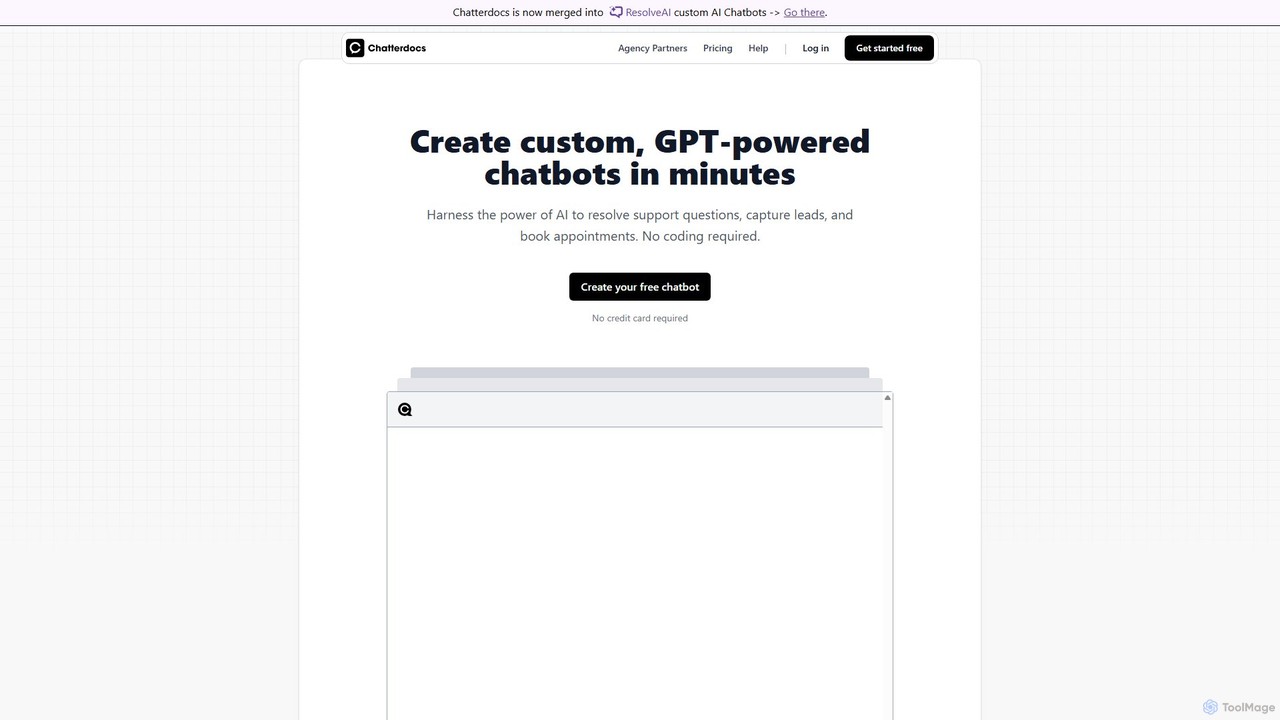
Chatterdocs is a no-code platform for creating custom, GPT-powered AI chatbots in minutes. Designed to automate customer support, capture leads, and book appointments, it enhances user engagement 24/7. Note: Chatterdocs has merged with ResolveAI, integrating its powerful features into the ResolveAI platform for an even more robust chatbot-building experience.

Chatbot
Visits 6.3KFavorites 166Likes 154
Voiceflow
Freemium

Voiceflow

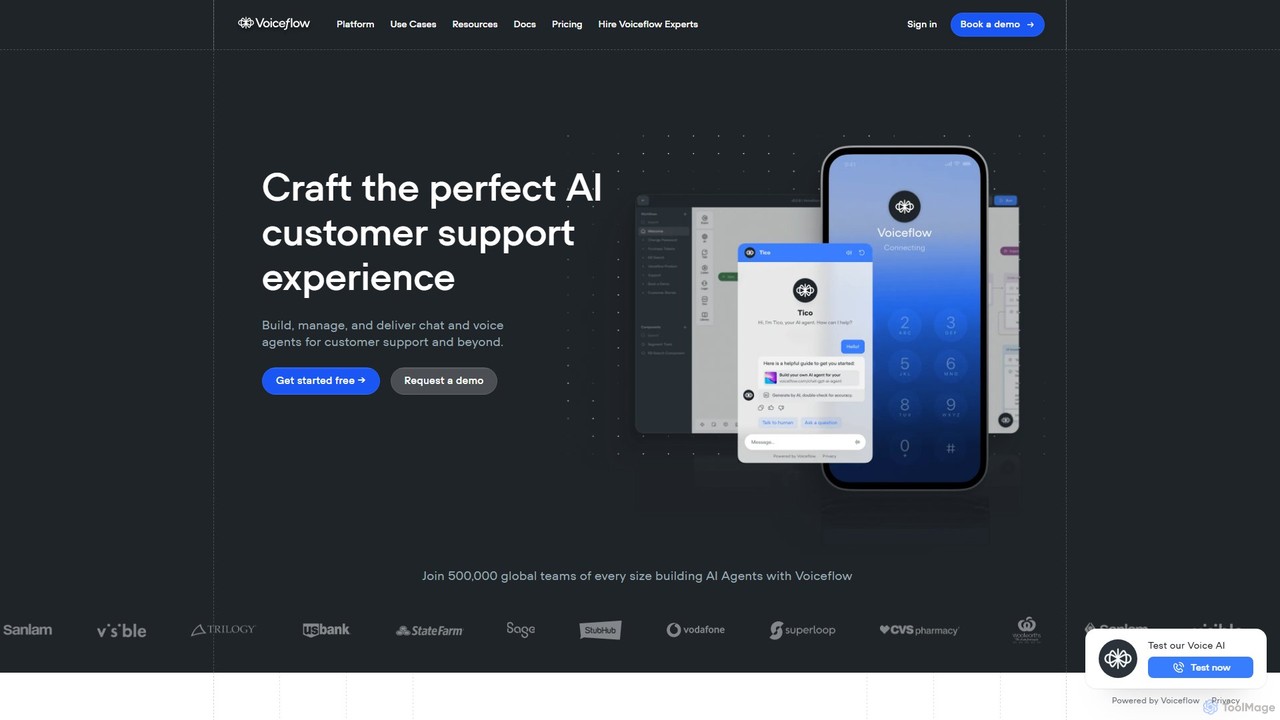
Voiceflow is a collaborative platform for product teams to design, build, and deploy advanced AI agents. Create human-like voice and chat experiences for customer support and beyond, with full control, scalability, and integration capabilities, independent of any single LLM vendor.

Chatbot
Visits 460KFavorites 136Likes 141
Intelswift
Freemium

Intelswift

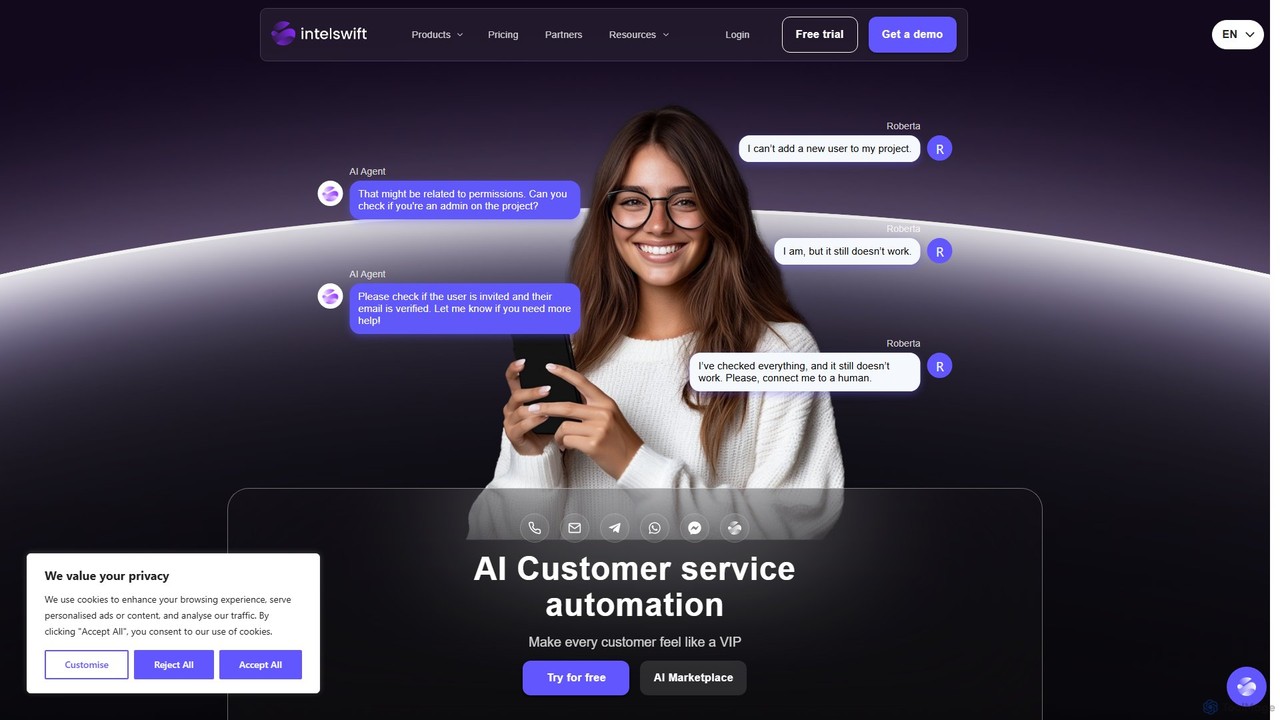
Intelswift is an all-in-one, AI-powered customer service automation platform. It combines AI agents, a Swift AI Copilot for human teams, an omnichannel helpdesk, and no-code workflows to automate support, sales, and marketing. It enables businesses to provide 24/7 multilingual support, reduce operating costs, and increase customer satisfaction.

Chatbot
Visits 6.1KFavorites 167Likes 164
Drift
Paid

Drift

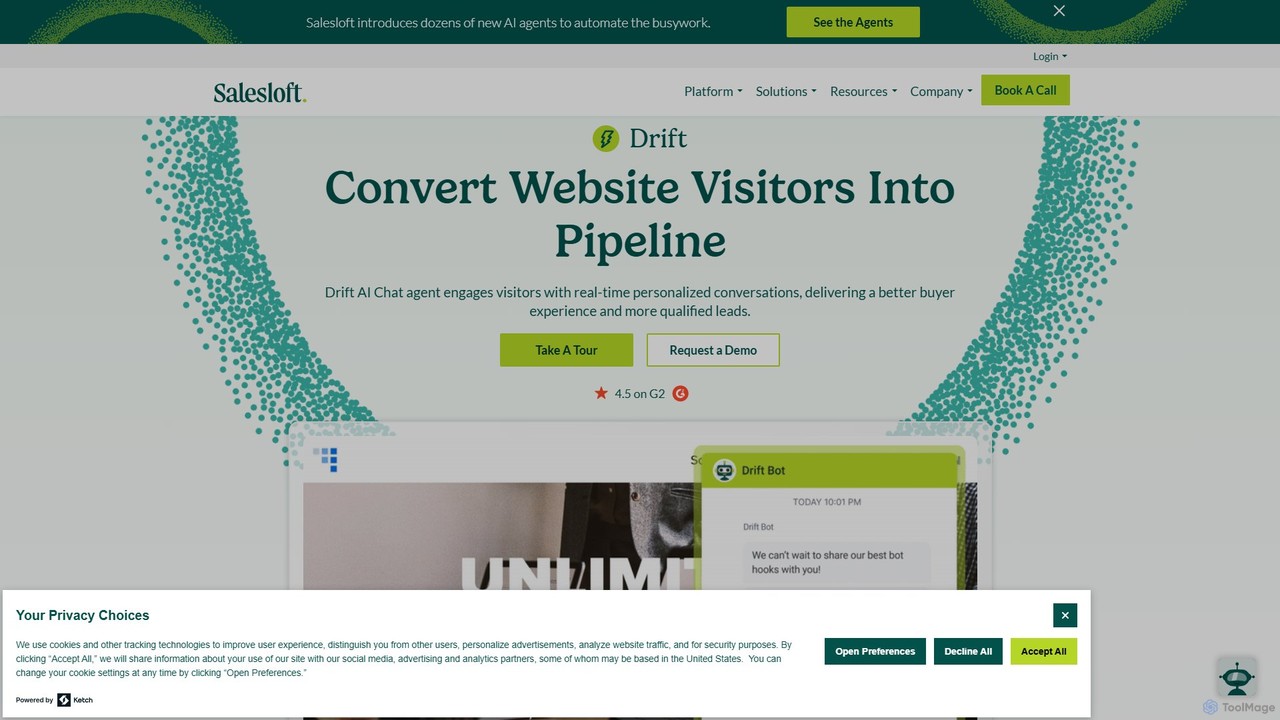
Drift is a conversational AI platform, now part of Salesloft, designed to transform website traffic into qualified sales pipeline. It uses AI-powered chatbots to engage visitors in real-time, personalized conversations, instantly qualifying leads and connecting them with sales reps. By identifying high-intent buyers and automating engagement, Drift helps B2B companies accelerate their sales cycles, improve the buyer experience, and drive revenue growth.

Live Chat
Visits 1.3MFavorites 149Likes 159
Certainly
Paid

Certainly

Certainly is an all-in-one conversational AI platform that builds custom AI agents and chatbots for customer support, e-commerce, and marketing. It automates responses, personalizes customer journeys, and integrates with existing software to boost efficiency, increase sales, and improve customer satisfaction.

Chatbot
Visits 22.8KFavorites 161Likes 145
Chatsome
Paid

Chatsome

Chatsome is a no-code AI chatbot platform that helps businesses automate customer service and boost sales. Train your own chatbot on your company's data to provide instant, 24/7 support, guide users to products, and handle inquiries like order status. It's fully customizable to match your brand and easy to install on any website.

Chatbot
Visits 6KFavorites 131Likes 139
Rushchat
Freemium

Rushchat

Rushchat is an AI-powered chatbot platform designed for businesses to automate customer support, generate leads, and enhance user engagement. Build and deploy intelligent, no-code chatbots on your website in minutes to provide instant, 24/7 responses and convert more visitors into customers.

Chatbot
Visits 309.2KFavorites 145Likes 159
Interruptible
Paid

Interruptible

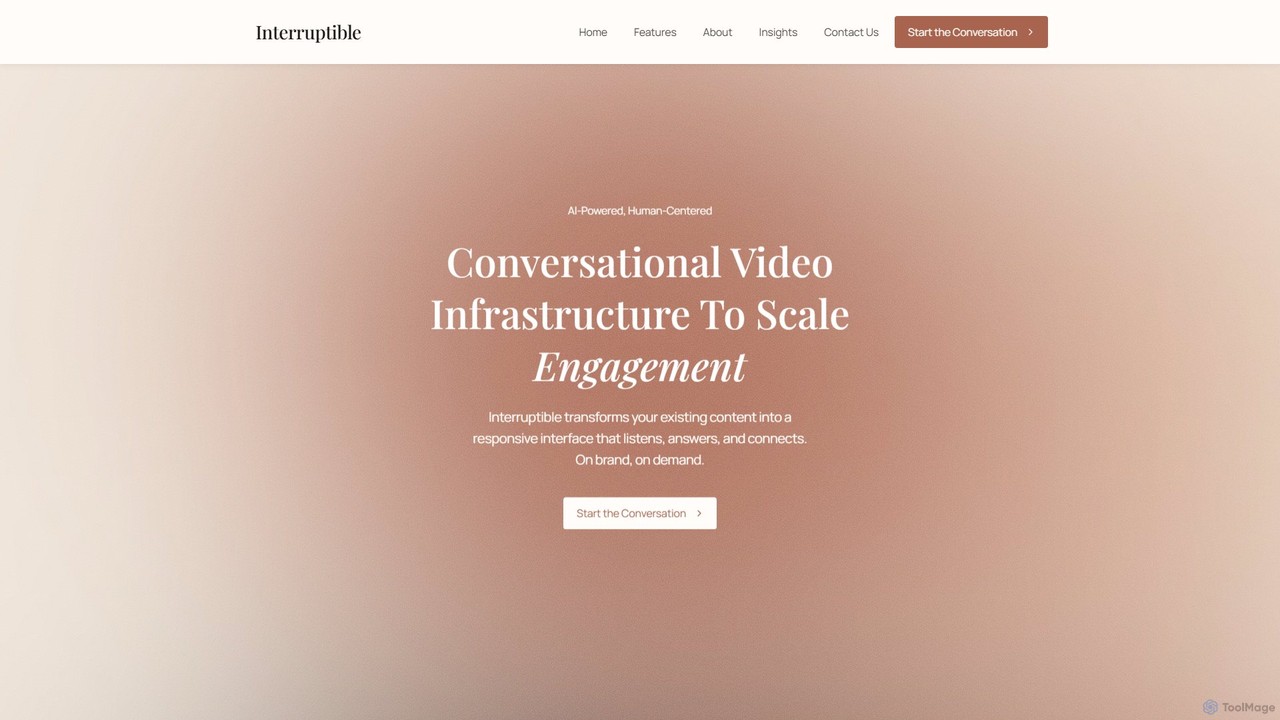
Interruptible is an AI-powered platform that transforms standard videos into real-time, interactive conversations. It allows viewers to ask questions and receive instant, voice-cloned answers, dramatically increasing engagement, lead qualification, and conversion rates for marketing, sales, and training.

Conversational Marketing
Visits 8.4KFavorites 151Likes 146

About Conversational Marketing

Conversational Marketing tools are AI-powered platforms designed to facilitate real-time, one-on-one dialogues with customers. These tools utilize AI chatbots, live chat, and messaging apps to engage website visitors, qualify leads, and provide instant support. By replacing static forms with interactive conversations, they create a more personal and efficient customer journey. This approach helps businesses accelerate their sales cycle and build stronger customer relationships through immediate, personalized interactions.

Core Features

  • AI Chatbots & Live Chat: Deploy automated bots for 24/7 engagement and allow seamless handover to human agents for complex queries.
  • Lead Qualification & Routing: Automatically ask screening questions to identify high-value leads and route them to the appropriate sales team in real time.
  • Proactive Engagement Triggers: Initiate conversations based on user behavior, such as time on a specific page, exit intent, or referral source.
  • Multi-Channel Integration: Manage conversations across various platforms, including websites, Facebook Messenger, WhatsApp, and Instagram, from a single inbox.
  • CRM Synchronization: Automatically sync lead data, conversation history, and contact information with CRM systems like Salesforce or HubSpot.

Applicable Scenarios

These tools are widely used by B2B technology companies to capture and qualify leads directly from their website, reducing friction in the sales process. E-commerce businesses leverage them to offer personalized product recommendations, answer pre-purchase questions, and recover abandoned carts. Customer support teams also use them to automate responses to frequently asked questions, freeing up agent time for more critical issues.

Selection Criteria

When choosing a Conversational Marketing tool, evaluate its integration capabilities with your existing CRM and marketing automation stack. Assess the sophistication of its chatbot builder—whether it's purely rule-based or uses Natural Language Processing (NLP). Consider the range of supported channels and the depth of its analytics for measuring conversation performance and lead generation ROI. Finally, examine the balance between automation features and the quality of the live chat interface for your team.

Featured tool rankings

Conversational Marketing use cases

1

Automate Lead Qualification on B2B Websites

A marketing manager at a SaaS company implements a conversational marketing tool on their pricing page. The AI chatbot proactively engages visitors by asking questions about their company size, role, and specific needs. Based on the responses, the bot instantly identifies if the visitor is a qualified lead. For qualified leads, it automatically offers to book a demo directly into a sales representative's calendar, reducing the sales cycle from days to minutes and increasing demo bookings by 30%.

2

Provide E-commerce Product Recommendations

An online fashion retailer uses a chatbot on its product pages. When a customer views a dress, the chatbot initiates a conversation: 'Great choice! Customers who bought this also loved these matching shoes.' It can also answer common questions about sizing, materials, and shipping policies in real time. This personalized shopping assistance improves the user experience, increases the average order value through cross-selling, and reduces the burden on the human support team.

3

Recover Abandoned Carts with Proactive Chat

An e-commerce manager notices a high cart abandonment rate. They set up a proactive chat trigger that activates when a user shows exit-intent on the checkout page. The chatbot pops up with a helpful message, 'Having trouble checking out? I can help!' or offers a small, time-sensitive discount code. This immediate intervention helps resolve payment issues, answer last-minute questions, and provides an incentive to complete the purchase, leading to a measurable increase in conversion rates.

4

Scale Customer Support with an FAQ Bot

A customer support manager is overwhelmed with repetitive inquiries about order status, return policies, and shipping times. They deploy an AI chatbot trained on their knowledge base. The bot instantly answers these common questions 24/7, deflecting a significant volume of tickets from the human support queue. This allows human agents to focus on complex, high-value customer issues, improving overall customer satisfaction and reducing support team costs.

5

Schedule Appointments and Demos 24/7

A real estate agency's website receives inquiries at all hours, including outside of business hours. They use a chatbot to engage visitors, ask about their property preferences (location, budget, number of bedrooms), and check agent availability. The bot can then directly schedule property viewings or calls with an agent in their calendar. This automated scheduling system captures leads that might otherwise be lost and provides immediate service to potential clients, regardless of the time of day.

6

Gather Customer Feedback and Conduct Surveys

A product manager wants to collect user feedback after a new feature launch. Instead of using a traditional email survey, they deploy a conversational survey via a chatbot. The bot asks questions in a friendly, interactive way, one at a time, which feels more engaging than a long form. This method results in higher completion rates and allows for dynamic follow-up questions based on user responses, providing richer, more nuanced qualitative data for product development.

Conversational Marketing FAQ

What is Conversational Marketing?

Conversational Marketing is an approach that uses real-time, one-on-one conversations to engage with customers and guide them through the marketing and sales funnels. It primarily utilizes tools like AI chatbots, live chat, and messaging platforms to create personalized dialogues instead of relying on one-way communication like static forms. The core idea is to build relationships and accelerate the buyer's journey by talking to people on their terms, whenever and wherever they are ready.

How to choose the right Conversational Marketing tool?

Choosing the right tool depends on your specific needs. Consider these factors:

  • Integration Capabilities: Ensure it connects seamlessly with your core systems like CRM, marketing automation platforms, and help desks.
  • Chatbot Builder Complexity: Decide if you need a simple rule-based bot or a more advanced AI-powered one with Natural Language Processing (NLP) for understanding user intent.
  • Channel Support: Select a tool that supports the channels where your audience is most active (e.g., website, WhatsApp, Facebook Messenger, Instagram).
  • Analytics and Reporting: Look for robust analytics to track key metrics like conversation volume, lead capture rates, and agent performance to measure ROI.
What's the difference between Conversational Marketing and Email Marketing?

The primary difference lies in the nature and timing of the interaction. Conversational Marketing focuses on real-time, two-way dialogues, allowing for immediate feedback and personalization. It's like having a live conversation. Email Marketing, on the other hand, is typically asynchronous and one-to-many. It sends a message that the recipient opens later. While email is effective for nurturing and broadcasts, conversational marketing excels at immediate engagement, lead qualification, and support right when the customer is most interested.

Can Conversational Marketing tools integrate with my CRM?

Yes, integration with CRM systems is a fundamental feature of most advanced Conversational Marketing platforms. This capability allows for the automatic transfer of data between the tools. For example, when a chatbot qualifies a new lead, it can instantly create a new contact in your CRM (like Salesforce, HubSpot, or Zoho), assign it to a sales representative, and log the entire conversation history. This seamless data flow ensures that your sales team has full context for follow-ups and eliminates manual data entry.

Who benefits most from using Conversational Marketing tools?

A wide range of roles and businesses can benefit. Marketing teams use them to increase website conversion rates and generate more qualified leads. Sales teams leverage them to shorten the sales cycle by engaging with high-intent buyers instantly. E-commerce businesses use them to provide personalized shopping assistance and reduce cart abandonment. Finally, customer support teams can scale their operations by using chatbots to automate answers to common questions, allowing them to focus on more complex issues.