ToolMage
Sign in

Best 7 Event Marketing AI tools for Marketing

Popular Event Marketing AI tools in Marketing include Popl, getnowadays, Maze Guru, EventConnect, Kampfire, Nowadays, and eventmind, helping you work more efficiently.

Maze Guru
Freemium

Maze Guru

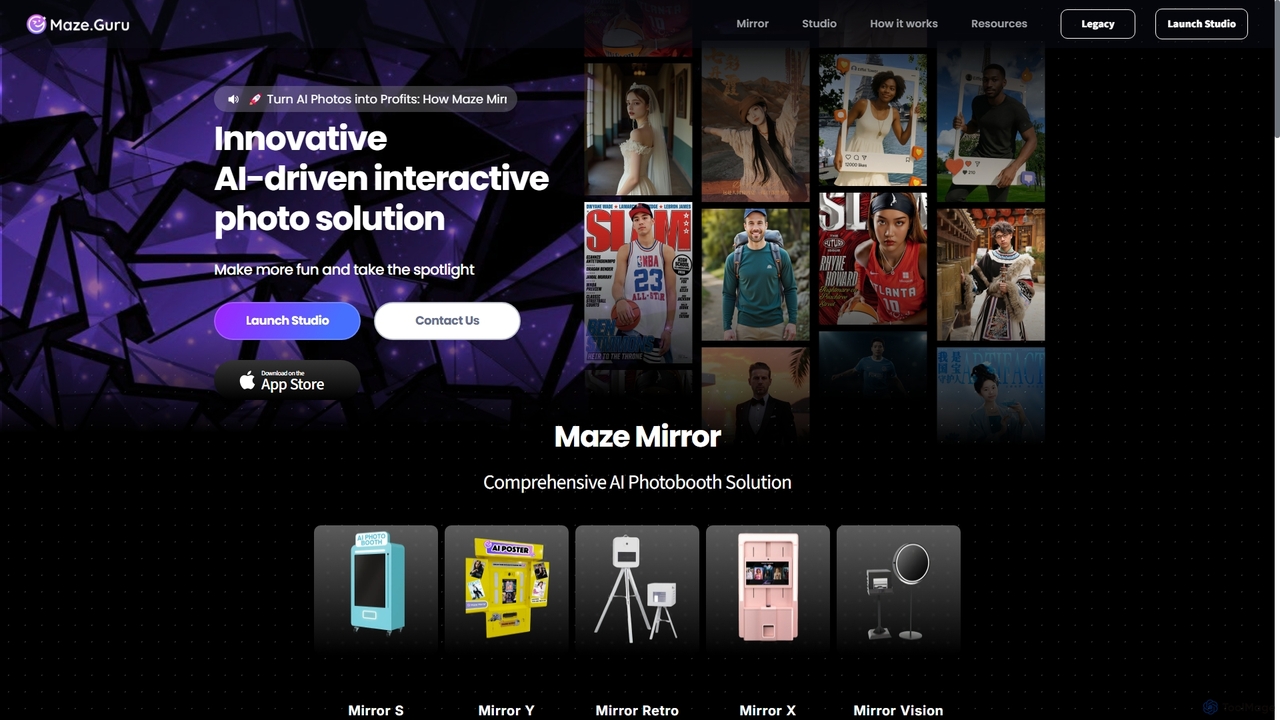
Maze Guru offers an innovative AI-driven interactive photo solution for events. It features Maze Mirror, a customizable AI photo booth for creating stunning photos and videos, and Maze Studio, an all-in-one creative platform for managing events, designing themes, and utilizing a suite of AI tools for image, video, and 3D creation.

Photo Booth
Visits 10.9KFavorites 148Likes 156
Nowadays
Freemium

Nowadays

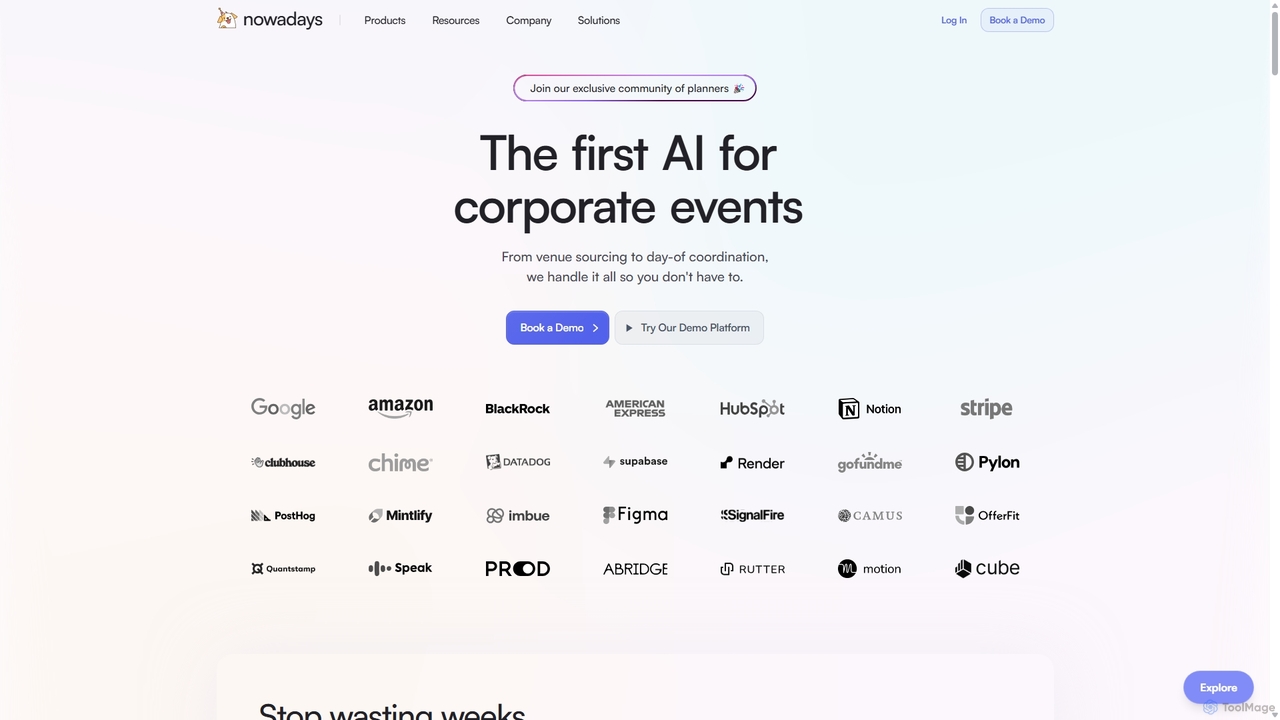
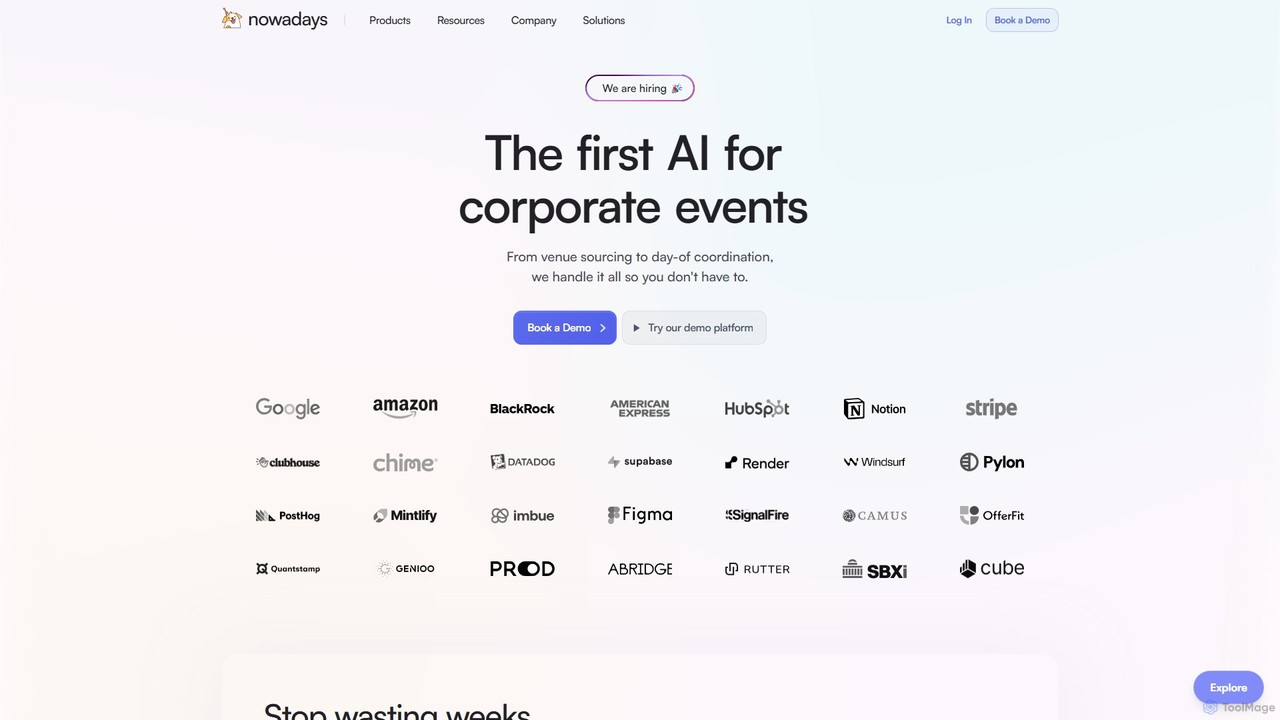
Nowadays is an AI-powered event planning platform for corporate teams. It automates and streamlines the entire event lifecycle, from venue sourcing and budget estimation to vendor negotiation and day-of coordination, saving teams weeks of manual work.

Event Management
Visits 5.7KFavorites 119Likes 120
eventmind
Paid

eventmind

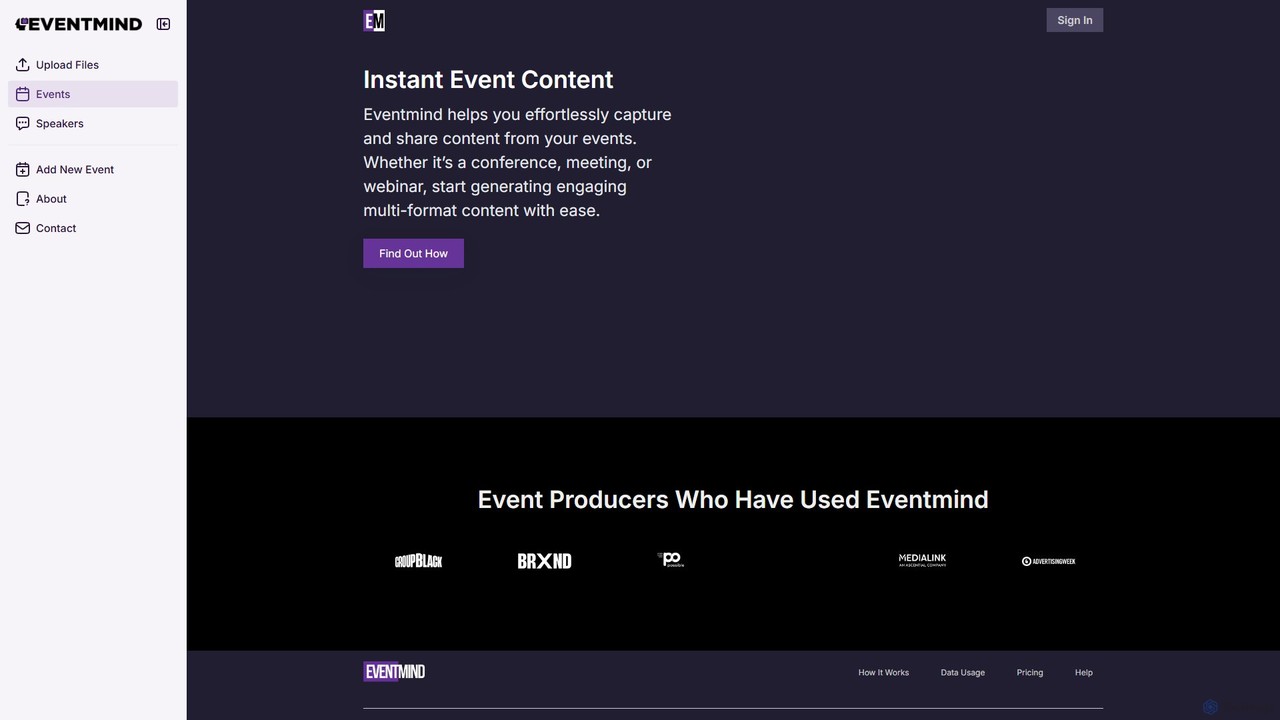
Eventmind is an AI-powered platform that transforms event content from conferences, meetings, and webinars into a variety of engaging marketing assets. By uploading audio, video, or transcripts, users can instantly generate social media posts, newsletters, press releases, and blog articles, streamlining post-event content creation.

Transcription
Visits 5.7KFavorites 132Likes 149
EventConnect
Freemium

EventConnect

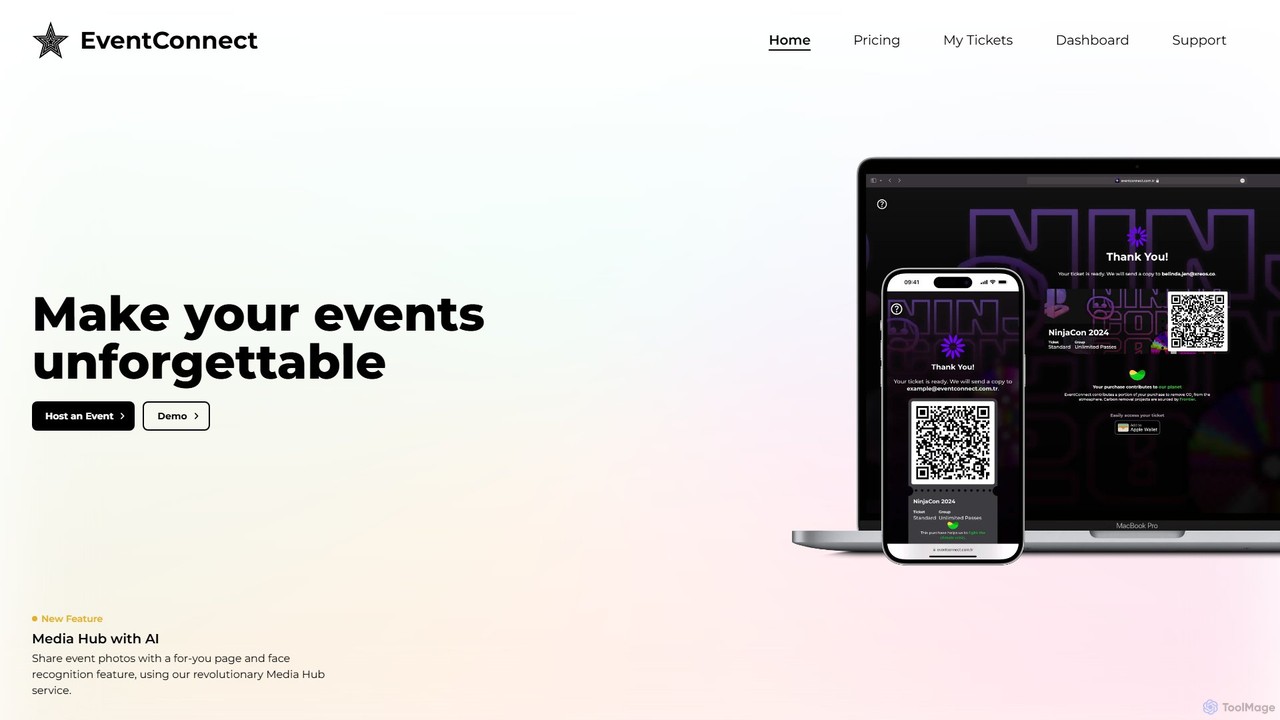
EventConnect is an all-in-one event management platform that simplifies ticket sales, payment collection, and attendee engagement. It features an AI-powered Media Hub with face recognition for creating personalized photo galleries, making your events truly unforgettable.

Ticketing
Visits 7.1KFavorites 139Likes 132
Kampfire
Paid

Kampfire

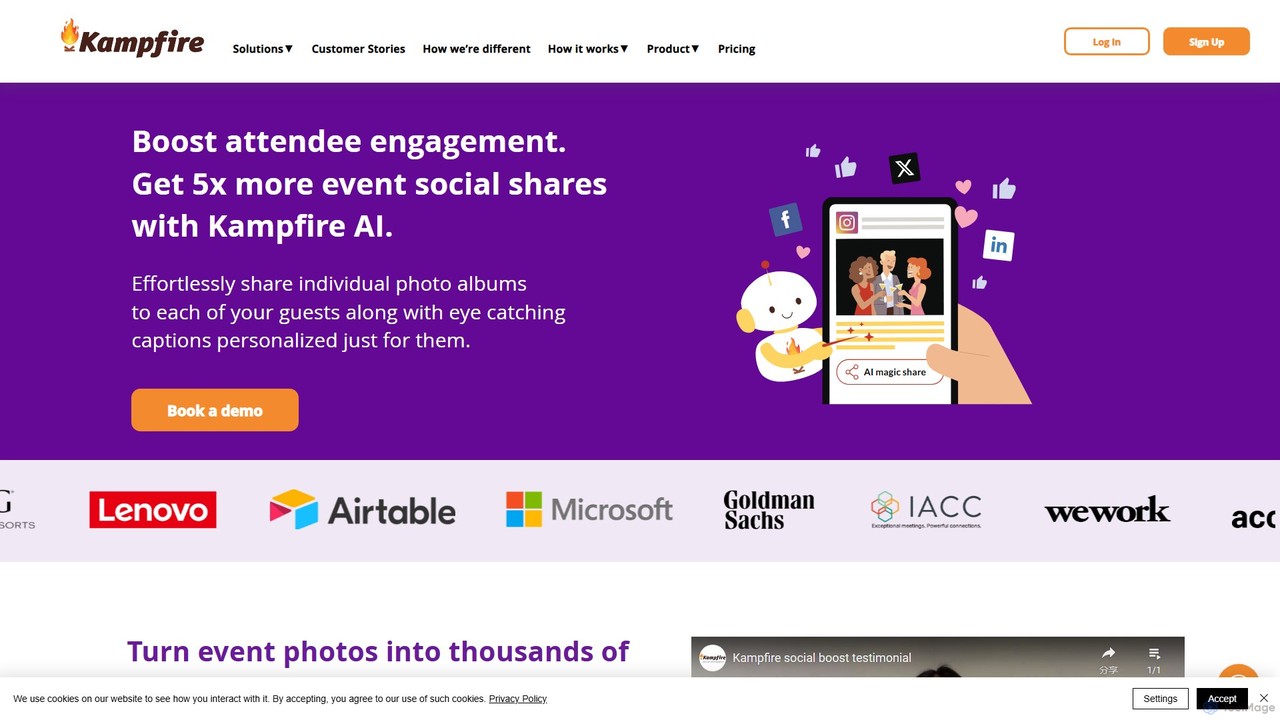
Kampfire is an AI-powered event technology platform that revolutionizes photo sharing to boost attendee engagement. It automatically creates personalized photo albums for each guest, complete with AI-generated, share-worthy captions. This seamless process turns event attendees into brand ambassadors, amplifying social media reach and providing valuable analytics to measure ROI and engagement.

Event Marketing
Visits 5.8KFavorites 158Likes 144
getnowadays
Freemium

getnowadays

getnowadays is an AI-powered event planning platform for corporate teams. It automates and streamlines the entire event lifecycle, from venue sourcing and budget estimation to attendee registration and vendor management, saving teams weeks of manual work and reducing costs.

Corporate Services
Visits 18.7KFavorites 132Likes 133
Popl
Paid

Popl

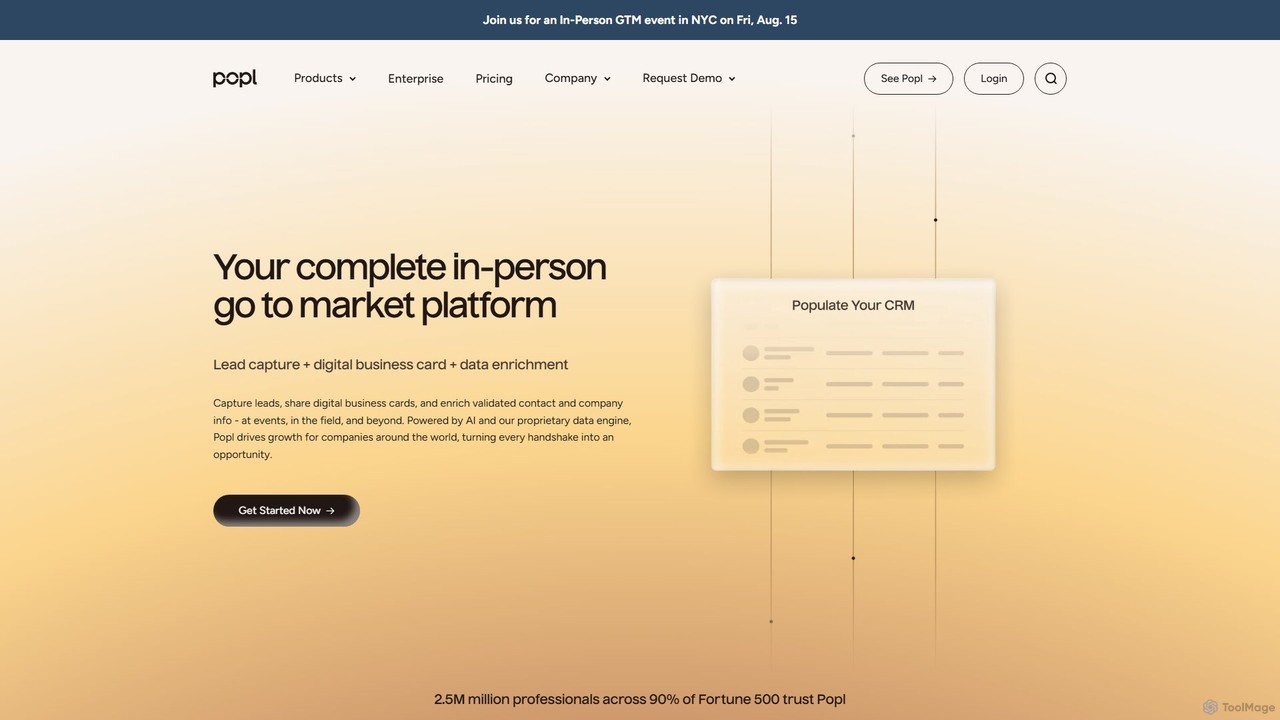
Popl is an AI-powered in-person go-to-market platform that combines digital business cards, universal lead capture, and real-time data enrichment. It helps sales and marketing teams turn every interaction at events and in the field into a qualified, actionable lead, seamlessly synced with their CRM.

Event Marketing
Visits 261.7KFavorites 153Likes 152

About Event Marketing

Event Marketing AI tools are specialized platforms that leverage artificial intelligence to optimize every stage of the event lifecycle, from planning and promotion to execution and post-event analysis. These tools utilize advanced algorithms to process vast amounts of data, enabling hyper-personalization, intelligent automation, and predictive insights. They empower marketers to create more engaging, efficient, and measurable event experiences, whether for virtual, hybrid, or in-person gatherings.

Core Features

  • AI-Powered Audience Segmentation: Automatically identifies and segments target audiences based on demographics, interests, and past behaviors for highly effective event invitations and content delivery.
  • Personalized Content Generation: Creates tailored event agendas, session recommendations, and marketing messages for individual attendees, enhancing relevance and engagement.
  • Intelligent Logistics & Scheduling: Optimizes resource allocation, venue selection, and session scheduling by predicting attendance patterns and operational needs.
  • Real-time Engagement Analytics: Monitors attendee interactions, sentiment, and participation during events, providing actionable insights for immediate adjustments and improved experience.
  • Predictive ROI Analysis: Forecasts event success metrics, such as lead generation, conversion rates, and overall return on investment, guiding strategic decisions.

Applicable Scenarios

Event Marketing AI tools are indispensable for organizations managing diverse event portfolios, from large-scale international conferences and trade shows to intimate corporate workshops and virtual webinars. They are widely adopted by marketing teams, event planners, and sales departments seeking to maximize attendee engagement, streamline operational workflows, and demonstrate clear event ROI. These tools are particularly valuable for businesses aiming to scale their event efforts while maintaining high levels of personalization and efficiency.

How to Choose

When selecting an Event Marketing AI tool, prioritize platforms that offer seamless integration with your existing CRM, marketing automation, and event management systems to ensure data flow and operational continuity. Evaluate the depth and accuracy of its AI-driven analytics, focusing on features like predictive modeling and real-time reporting. Consider the level of personalization it enables, from content recommendations to networking suggestions. Finally, assess its scalability to accommodate your event growth and its compliance with data privacy regulations.

Event Marketing use cases

1

Personalizing Attendee Journeys at Large Conferences

A conference organizer uses AI to analyze attendee registration data, past session attendance, and expressed interests. The AI then generates personalized agendas, recommends relevant breakout sessions, and suggests networking connections, ensuring each attendee has a highly relevant and engaging experience, leading to higher satisfaction and retention.

2

Automating Targeted Promotion for Virtual Summits

A marketing team leverages AI to identify ideal prospects for an upcoming virtual summit across various digital channels. The AI generates optimized ad copy, selects the best performing visuals, and automates campaign deployment, significantly increasing registration rates while reducing manual effort and ad spend.

3

Real-time Lead Qualification and Engagement at Trade Shows

During a busy trade show, a sales team deploys AI-powered chatbots or interactive kiosks. These tools engage visitors, answer common questions, and qualify leads based on their responses and interaction patterns, instantly routing high-potential prospects to sales representatives, thereby maximizing on-site conversion opportunities.

4

Optimizing Resource Allocation for Hybrid Product Launches

A product launch team uses AI to predict attendance numbers for both in-person and virtual components of a hybrid event. The AI analyzes historical data, registration trends, and external factors to optimize catering, venue space, virtual platform bandwidth, and staffing, preventing overspending and ensuring a smooth experience for all participants.

5

Measuring Post-Event ROI and Impact on Sales Pipeline

After a corporate event, a business development team employs AI analytics to correlate attendee engagement data with CRM records. The AI identifies which interactions led to qualified leads, influenced sales opportunities, and ultimately contributed to revenue, providing clear, data-backed insights into the event's financial impact and informing future strategy.

6

Enhancing Content Personalization for Educational Webinars

An educational institution uses AI to tailor content delivery during a series of webinars. Based on pre-webinar surveys and real-time engagement, the AI dynamically suggests follow-up resources, recommends related courses, and adapts Q&A responses, ensuring each participant receives information most relevant to their learning objectives.

Event Marketing FAQ

What are AI Event Marketing tools?

AI Event Marketing tools are software solutions that integrate artificial intelligence to automate, personalize, and optimize various aspects of event planning, execution, and analysis. They leverage machine learning to process data, predict outcomes, and deliver tailored experiences, significantly enhancing efficiency and effectiveness compared to traditional manual methods.

How do AI tools enhance event personalization?

AI tools enhance event personalization by analyzing attendee data—such as registration details, past interactions, and stated preferences—to create highly customized experiences. This includes recommending relevant sessions, suggesting networking connections, tailoring content delivery, and personalizing communication, making each attendee's journey unique and more engaging.

What's the difference between traditional event marketing and AI event marketing?

Traditional event marketing relies heavily on manual processes, broad targeting, and retrospective analysis. AI event marketing, conversely, uses data-driven automation, predictive analytics, and hyper-personalization. AI tools enable real-time adjustments, optimize resource allocation, and provide deeper insights into attendee behavior and ROI, leading to more strategic and impactful events.

What key features should I look for in an AI Event Marketing platform?

When selecting an AI Event Marketing platform, prioritize features like robust data analytics and reporting, seamless integration with your existing tech stack (CRM, marketing automation), advanced personalization capabilities (e.g., content recommendations, networking suggestions), and automation for tasks like promotion and lead qualification. Scalability and strong data security are also crucial considerations.

Can AI Event Marketing tools predict event success?

Yes, AI Event Marketing tools can significantly aid in predicting event success. By analyzing historical data, current registration trends, and external factors, AI algorithms can forecast attendance numbers, engagement levels, lead generation potential, and even potential ROI. This predictive capability allows event organizers to make proactive adjustments and optimize strategies for better outcomes.