Marketing Best in category 5 results Interactive Content AI Tool

Popular AI tools in the Interactive Content field of Marketing include Arcade、Opinion Stage、RLU、Klujo、interactiq, etc., helping you quickly improve efficiency.

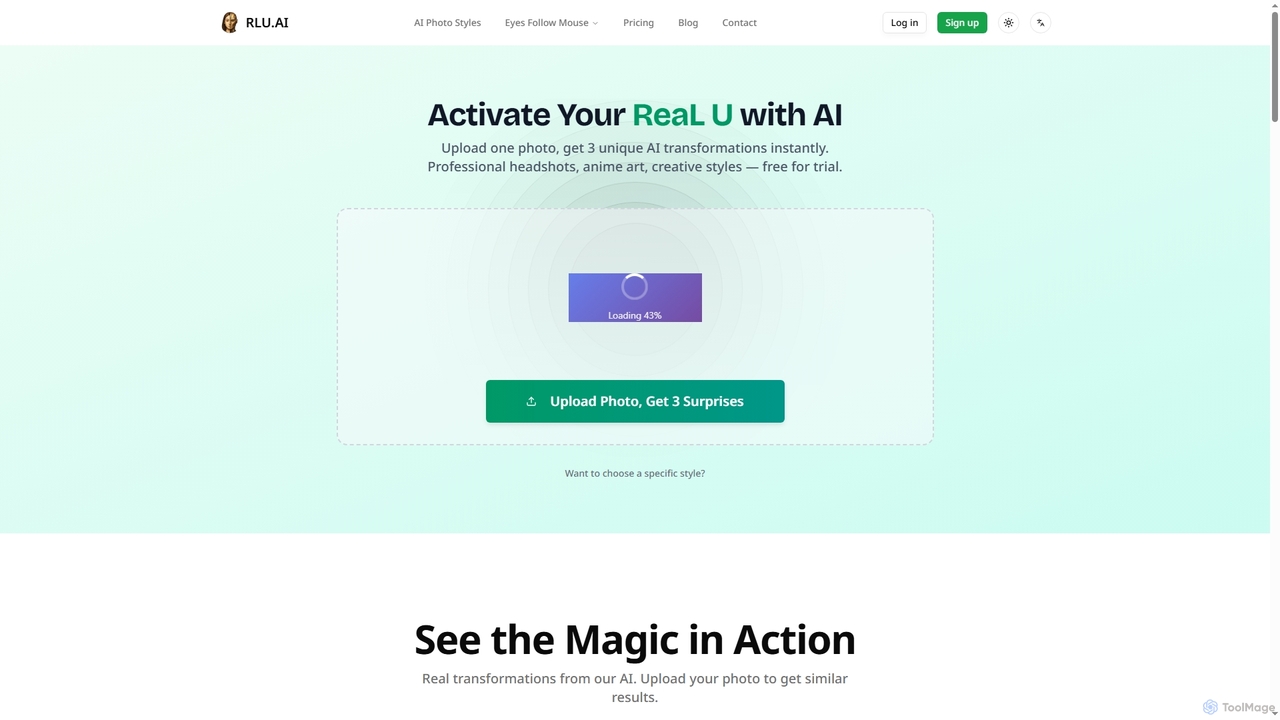
RLU

RLU

RLU is an AI-powered photo transformation tool that instantly converts your images into diverse artistic styles, professional headshots, …

3.3K
Klujo

Klujo

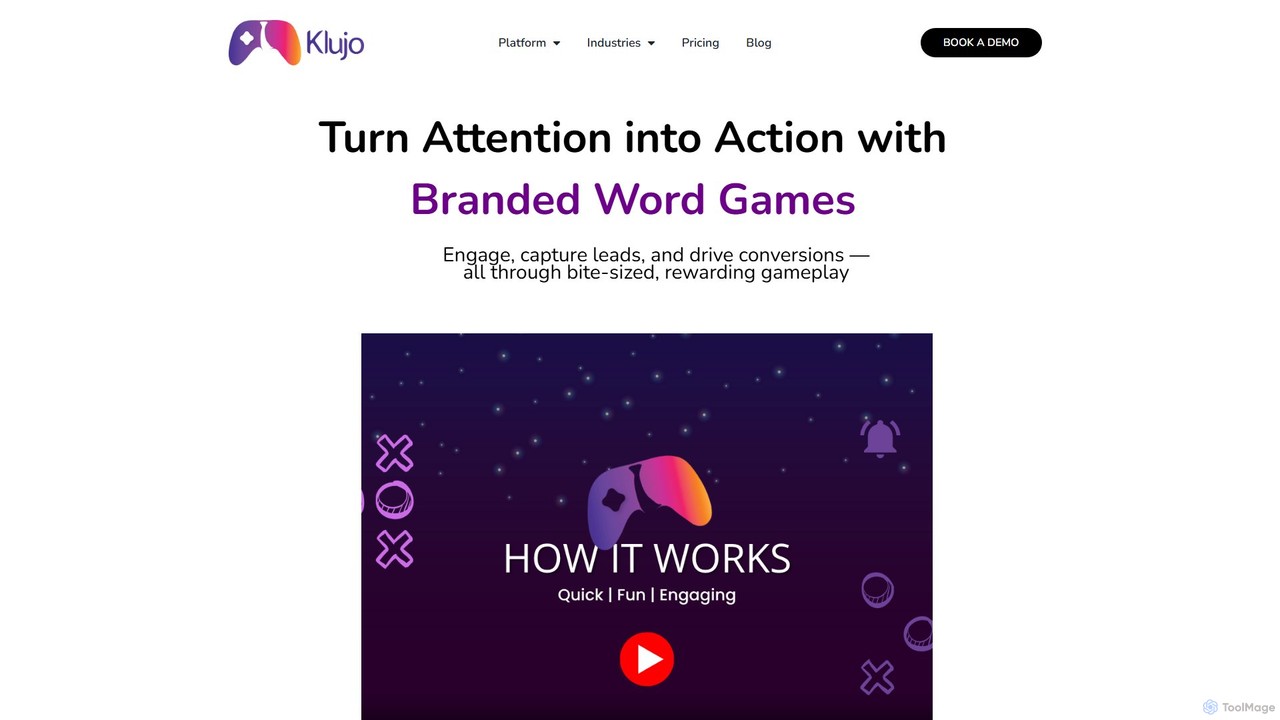
Klujo is an AI-powered gamification platform for marketers. It enables businesses to create branded word games and riddles …

2.6K
interactiq

interactiq

interactiq is an AI-powered platform for creating interactive content to boost user engagement and drive conversions. Easily build …

2.6K
Arcade

Arcade

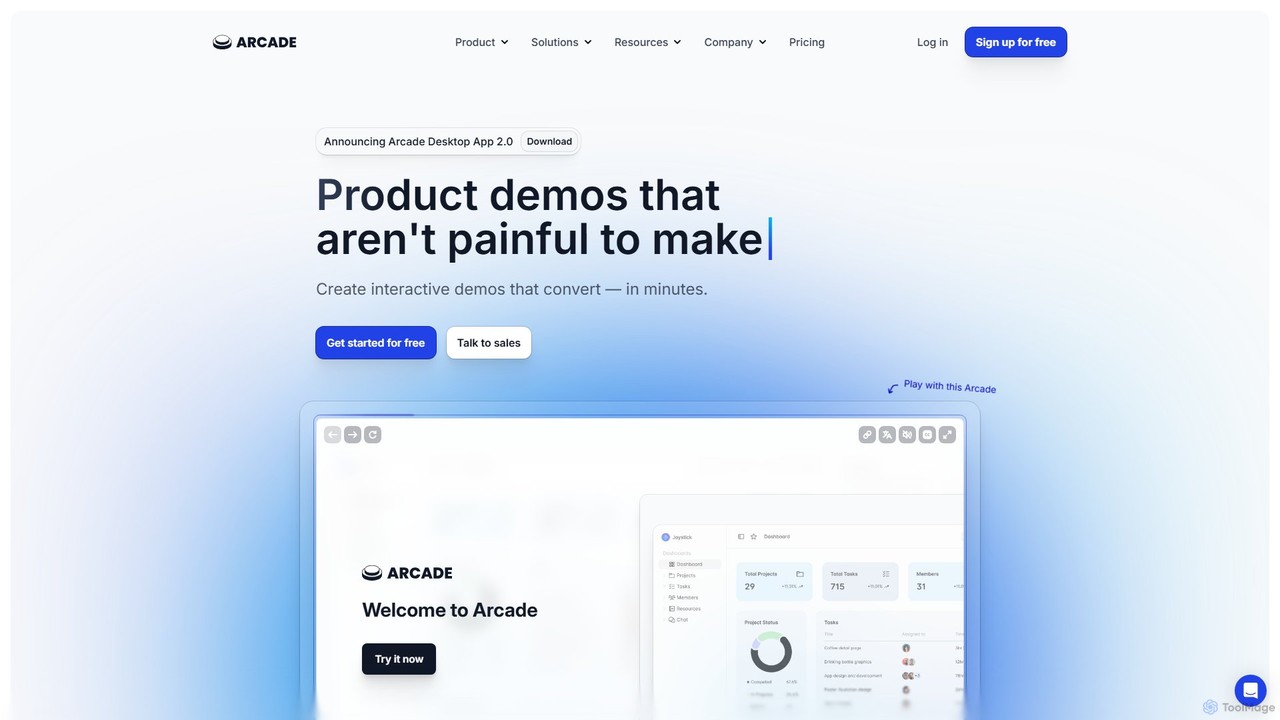
Arcade is a powerful platform that enables teams to create interactive product demos in minutes without any coding. …

411.2K
Opinion Stage

Opinion Stage

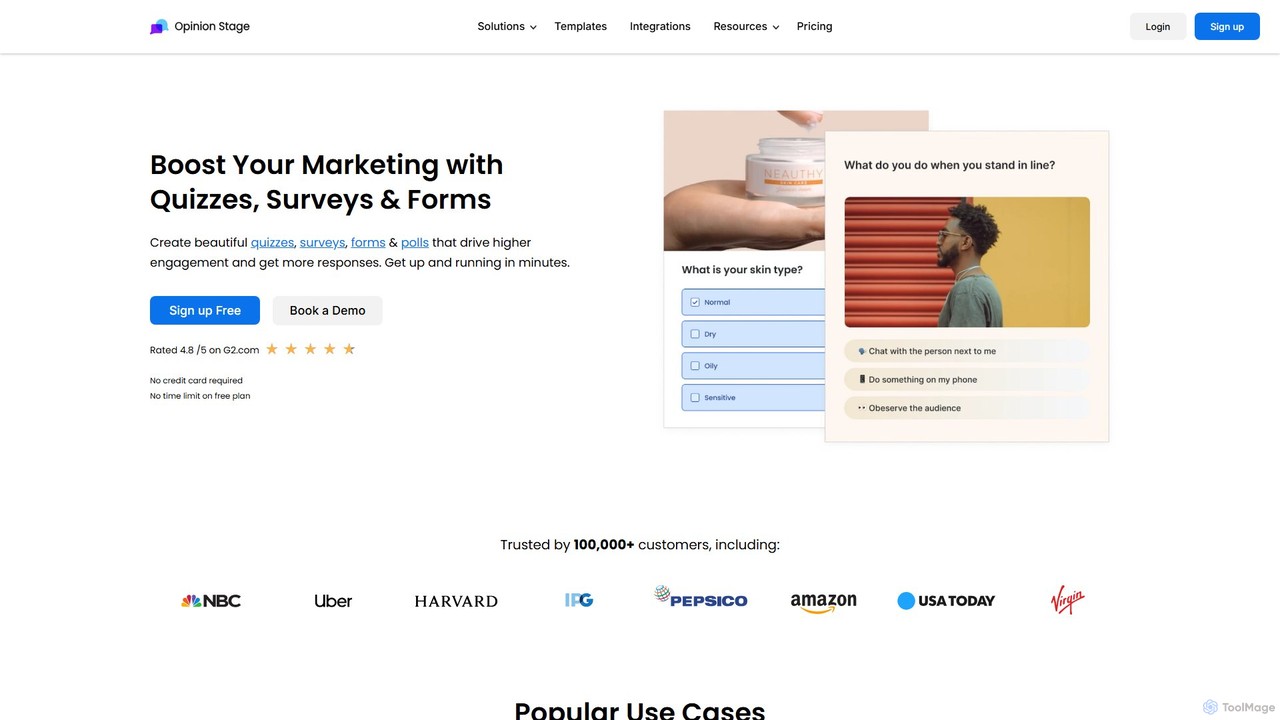
Opinion Stage is an AI-powered platform for creating engaging quizzes, surveys, forms, and polls to boost marketing efforts. …

205.6K

About Interactive Content

Interactive Content tools are AI-powered platforms for creating engaging user experiences such as quizzes, polls, calculators, and interactive videos. These tools leverage AI to personalize content paths based on user input and analyze engagement data to provide deep insights. Their primary purpose within marketing is to transform passive content into an active dialogue, significantly boosting audience engagement, lead generation, and data collection. The AI component often assists in optimizing question flows and suggesting design templates for higher completion rates.

Core Features

  • Conditional Logic & Branching: Creates dynamic paths where the next piece of content shown depends on the user's previous answers.
  • AI-Powered Templates: Offers a library of pre-built, customizable templates for various interactive formats like quizzes and assessments.
  • Real-time Analytics Dashboard: Tracks user interactions, drop-off points, completion rates, and response patterns to measure performance.
  • Lead Capture & CRM Integration: Includes built-in forms to collect user information and syncs data directly with marketing automation and CRM systems.
  • No-Code Content Builder: Provides an intuitive drag-and-drop interface for marketers to create sophisticated interactive experiences without coding.

Use Cases

These tools are frequently used in digital marketing for creating lead qualification quizzes and ROI calculators. In e-commerce, they power product recommendation wizards that guide customers to the right purchase. Corporate training departments also utilize them to build engaging learning modules and assessments that offer instant, personalized feedback.

How to Choose

When selecting a tool, consider the variety of interactive formats it supports (e.g., quizzes, polls, interactive video). Evaluate its integration capabilities with your existing marketing stack, such as HubSpot or Salesforce. Assess the depth of its analytics and reporting features, and consider the user-friendliness of the editor for non-technical team members.

Interactive ContentUse Cases

1

Create a Lead Generation Quiz

A B2B marketing manager uses an AI interactive content tool to build a 'Cybersecurity Risk Assessment' quiz. The tool suggests relevant questions and branching logic based on industry best practices. As users answer, the system scores their risk level and, upon completion, provides a personalized report with actionable recommendations. This process captures highly qualified leads by identifying their specific pain points and funnels them towards a relevant solution demo, increasing lead-to-meeting conversion rates.

2

Develop an E-commerce Product Recommender

An online cosmetics brand creates a 'Find Your Foundation Shade' interactive guide. Users answer questions about their skin tone, type, and desired coverage. The AI engine processes these inputs and instantly recommends the perfect product match from the catalog, complete with application tips. This personalized shopping experience reduces choice paralysis, boosts customer confidence, and has been shown to significantly increase sales conversions and average order value.

3

Build an Interactive ROI Calculator

A SaaS company embeds an interactive ROI calculator on its pricing page. Potential customers input their own data, such as team size, current software costs, and productivity metrics. The tool instantly calculates and visualizes their potential cost savings and efficiency gains from using the new software. This provides a tangible value proposition, helps sales teams qualify leads, and shortens the sales cycle by clearly demonstrating financial benefits to decision-makers.

4

Design Interactive Training Modules

An HR department creates an interactive onboarding module for new employees. Instead of a passive video, the module includes clickable hotspots to explain concepts, short quizzes after each section to check for understanding, and branching scenarios to simulate real-world workplace situations. The platform's analytics allow HR to track completion rates and identify areas where new hires may be struggling, ensuring a more effective and engaging training experience.

5

Conduct Real-time Audience Polls

During a live webinar, a presenter uses an interactive content tool to launch real-time polls and word clouds. The audience participates directly from their devices, and the results are displayed live on screen, creating a dynamic and participatory event. This not only keeps the audience engaged but also provides the presenter with immediate feedback on their content and a better understanding of the audience's opinions and knowledge levels, which can be used for post-event follow-up.

6

Transform Static Reports into Interactive Infographics

A market research firm converts a lengthy, static PDF report into an interactive infographic. Using an AI tool, they create a visually engaging, web-based experience where clients can click on different chart elements to reveal deeper data, use sliders to adjust timeframes, and filter information based on their specific interests. This approach makes complex data more digestible and shareable, significantly increasing the engagement and perceived value of their research findings compared to a traditional document.

Interactive ContentFrequently Asked Questions