ToolMage
Sign in

Best 3 Health & Fitness AI tools for Mobile Apps

Popular Health & Fitness AI tools in Mobile Apps include Glowy AI, Auribus Labs, and Petalife, helping you work more efficiently.

Petalife

Petalife

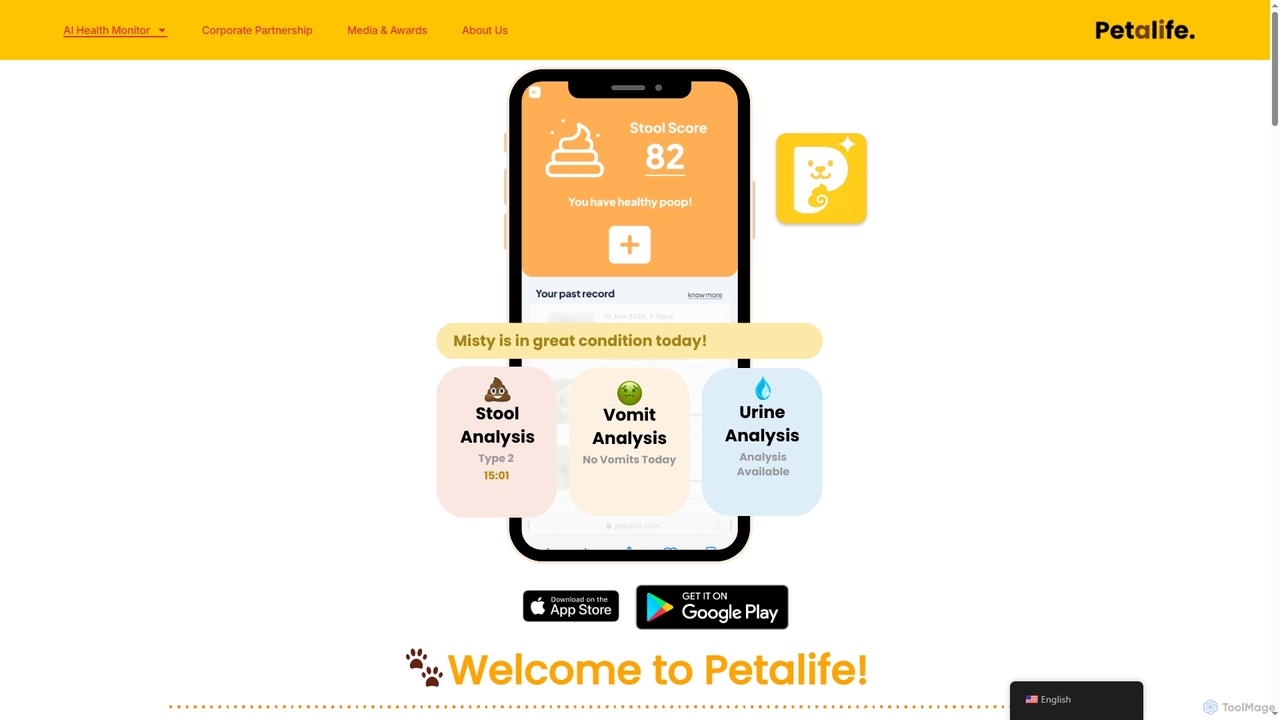
An AI-powered pet health monitoring system that uses your phone's camera to analyze stool, urine, and vomit. It detects over 60 common health risks early, providing peace of mind for pet owners and enhancing professional pet care.

Image Analysis
Visits 6.2KFavorites 153Likes 142
Glowy AI
Freemium

Glowy AI

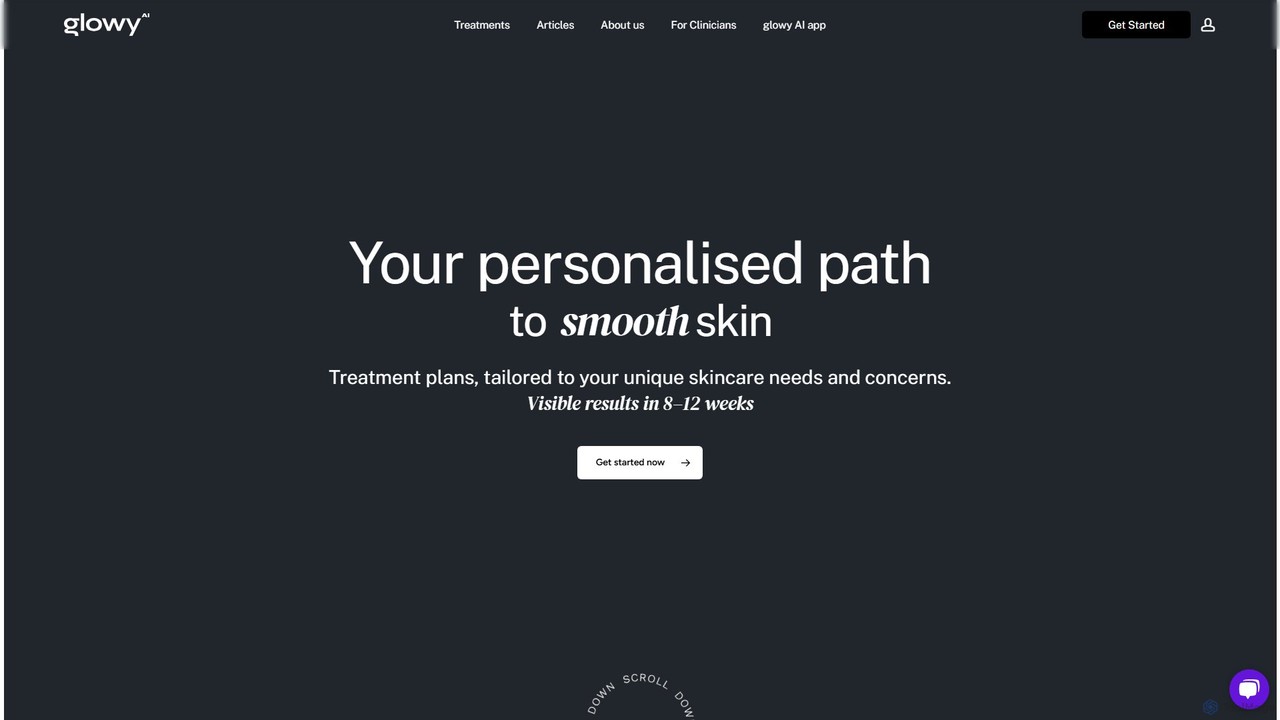
Glowy AI is an AI-powered skincare platform that delivers personalized treatment plans crafted by dermatologists. By analyzing your unique skin concerns, goals, and lifestyle through a comprehensive questionnaire, Glowy AI creates a tailored routine with product recommendations to address issues like acne, aging, dryness, and dark spots. The companion app helps you build consistent habits and track your progress towards healthier, radiant skin.

Skincare
Visits 10.3KFavorites 152Likes 148
Auribus Labs
Freemium

Auribus Labs

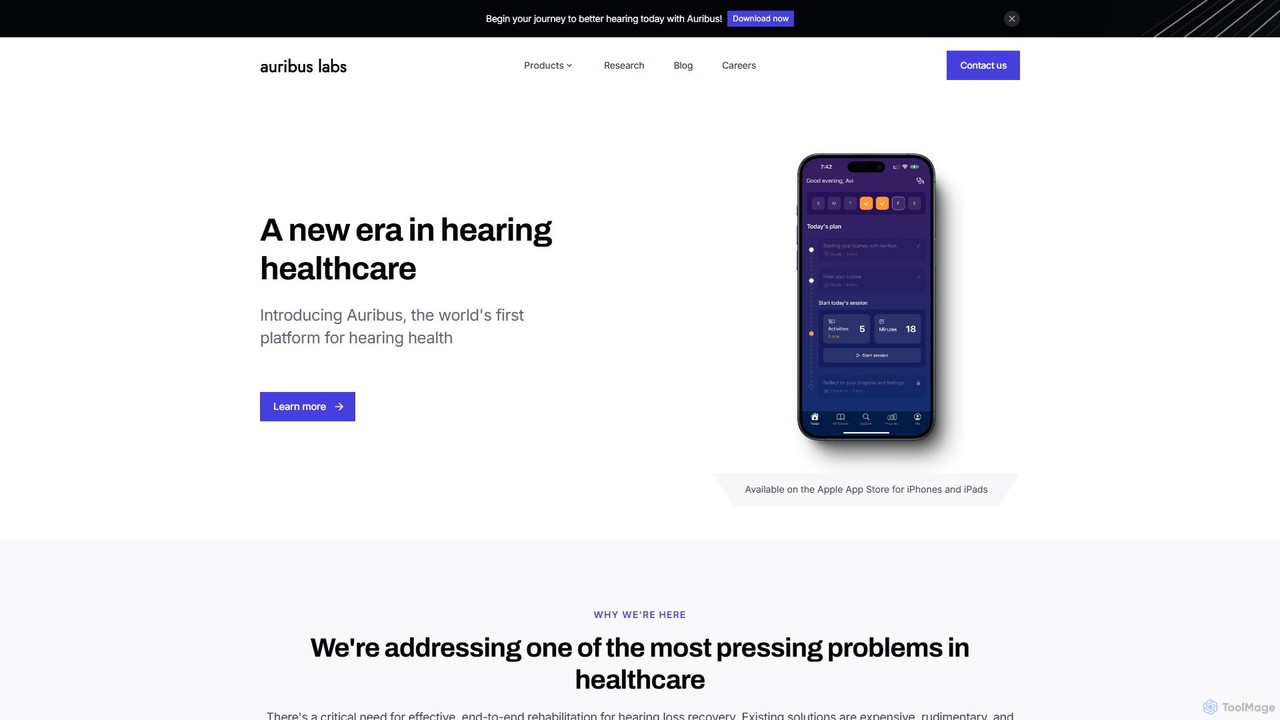
Auribus Labs offers a pioneering digital platform for hearing health, providing science-backed auditory training and aural rehabilitation. Designed for users of cochlear implants and hearing aids, as well as individuals with aphasia or APD, the platform delivers personalized exercises and content through a convenient mobile app. It also features a remote monitoring tool for healthcare practitioners to track patient progress and adjust treatments.

Training
Visits 6.8KFavorites 142Likes 141

About Health & Fitness

AI Health & Fitness apps are mobile applications that use artificial intelligence to provide personalized health, wellness, and exercise guidance. These tools leverage machine learning algorithms to analyze user data from wearables, manual inputs, and even camera feeds to create customized plans. Their primary value lies in making proactive health management accessible, offering tailored recommendations that adapt to an individual's progress and goals. They transform a user's smartphone into a personal health and fitness coach.

Core Features

  • Personalized Plans: AI generates custom workout routines and meal plans based on individual goals, biometrics, and performance data.
  • Real-time Form Correction: Utilizes computer vision via the phone's camera to analyze exercise form and provide immediate corrective feedback.
  • Symptom Analysis & Health Monitoring: Analyzes user-reported symptoms and data from wearables to identify health patterns and potential risks.
  • AI-Powered Nutrition Tracking: Simplifies calorie and nutrient tracking by identifying foods from photos and providing detailed analysis.
  • Mental Wellness Chatbots: Offers conversational support, guided meditations, and cognitive behavioral therapy (CBT) exercises.

Use Cases

These applications are widely used by individuals seeking structured, data-driven fitness coaching without the cost of a personal trainer. They are also valuable for people managing specific dietary needs or health conditions, as the AI can track complex variables and provide actionable insights. Furthermore, users looking for accessible mental health support or those aiming to optimize their sleep and recovery find these tools highly effective.

How to Choose

When selecting an AI Health & Fitness app, first consider its specialization—whether it focuses on fitness, nutrition, mental health, or a combination. Evaluate its data privacy policy to understand how your sensitive health information is handled. Check for compatibility with your existing wearable devices (e.g., smartwatches, fitness trackers) for seamless data integration. Finally, look for apps that cite scientific evidence or are developed with input from health professionals to ensure credibility.

Health & Fitness use cases

1

Personalized Workout Plan Generation

For individuals aiming to improve their fitness level without a personal trainer, AI Health & Fitness apps serve as a virtual coach. A user inputs their goals (e.g., weight loss, muscle gain), current fitness level, available equipment, and time constraints. The AI algorithm then processes this information to generate a dynamic, week-by-week workout plan complete with specific exercises, sets, and reps. The plan adapts based on the user's logged performance and feedback, ensuring continuous and optimized progress.

2

AI-Powered Nutrition and Meal Planning

A user managing their diet for health or performance goals can use an AI app to simplify nutrition tracking. By taking a photo of a meal, the app's computer vision identifies the food items and estimates portion sizes, automatically logging calories, macronutrients, and micronutrients. Based on the user's dietary preferences and goals, the AI can then suggest recipes, generate weekly meal plans, and create shopping lists, making it easier to adhere to a healthy eating regimen.

3

Real-Time Exercise Form Correction

For home workout enthusiasts, ensuring proper exercise form is crucial to prevent injuries. Certain AI fitness apps use a smartphone's front-facing camera and computer vision to act as a virtual spotter. While the user performs an exercise like a squat or push-up, the AI analyzes their body position in real-time. It provides immediate audio or visual feedback, such as 'lower your hips' or 'keep your back straight,' helping the user correct their form on the fly and maximize the effectiveness of their workout safely.

4

AI Chatbot for Mental Wellness Support

Users seeking accessible mental health resources can interact with an AI chatbot within a wellness app. These chatbots use natural language processing to engage in supportive conversations. A user can describe their feelings or stressors, and the AI can guide them through evidence-based techniques like cognitive behavioral therapy (CBT) exercises, mindfulness practices, or guided journaling. This provides immediate, private, and non-judgmental support for managing daily stress and anxiety, acting as a supplementary tool to professional therapy.

5

Intelligent Sleep Cycle Analysis

A user wanting to improve their sleep quality connects their smartwatch or fitness tracker to an AI health app. The app collects data on heart rate, movement, and breathing patterns during the night. The AI then analyzes this data to identify sleep stages (light, deep, REM) and detect disturbances. In the morning, it provides a detailed sleep score and actionable insights, such as 'Your deep sleep was interrupted at 2 AM, consider reducing screen time before bed.' Over time, it identifies trends and offers personalized recommendations to optimize sleep hygiene.

6

Chronic Condition Data Monitoring

A patient with a chronic condition like diabetes uses an AI-powered app to manage their health. They log blood glucose levels, meals, medication, and physical activity. The AI analyzes these inputs in conjunction with data from a continuous glucose monitor (CGM). It then identifies patterns, predicts potential blood sugar spikes or drops, and provides alerts. This helps the patient and their healthcare provider make more informed, proactive decisions about insulin dosage and lifestyle adjustments, improving overall disease management.

Health & Fitness FAQ

What are AI Health & Fitness apps?

AI Health & Fitness apps are mobile applications that use artificial intelligence to deliver personalized health guidance. Unlike standard apps that offer generic plans, these tools analyze your personal data—such as activity levels, dietary habits, sleep patterns, and fitness goals—to create dynamic and adaptive recommendations. Key features often include AI-generated workout plans, real-time form correction via camera, nutrition analysis from food photos, and mental wellness support through AI chatbots.

How to choose the right AI Health & Fitness app?

Choosing the right app depends on your specific goals. Consider the following factors:

  • Primary Goal: Determine if you need an app for fitness training, nutrition tracking, sleep analysis, or mental wellness. Choose one that specializes in your area of focus.
  • Data Privacy: Health data is sensitive. Review the app's privacy policy to understand how your data is collected, stored, and used.
  • Wearable Integration: If you use a smartwatch or fitness tracker, ensure the app can sync with it to automate data collection for more accurate insights.
  • Scientific Backing: Look for apps developed with input from certified trainers, dietitians, or medical professionals to ensure the recommendations are credible and safe.
What's the difference between AI fitness apps and regular fitness trackers?

The key difference is analysis versus personalization. Regular fitness trackers (and their basic apps) are excellent at collecting data—they count steps, track heart rate, and log workouts. AI fitness apps take this a step further. They don't just collect data; they interpret it to provide personalized, actionable insights and adaptive plans. For example, a tracker might tell you that you ran 5km. An AI app will analyze your pace, heart rate zones, and past performance to suggest when you should run next, what pace to aim for, and how to adjust your training to avoid overexertion.

Is the health advice from AI apps reliable?

The reliability of AI health apps varies. High-quality apps are often developed in consultation with medical professionals, dietitians, and certified trainers, and their algorithms are based on established scientific principles. However, these apps should be considered as supplementary tools, not replacements for professional medical advice. They are excellent for tracking progress, maintaining motivation, and providing general guidance. For specific medical conditions, diagnoses, or personalized treatment plans, it is essential to consult a qualified healthcare provider.

Who can benefit from using AI Health & Fitness apps?

A wide range of individuals can benefit from these apps. This includes:

  • Beginners: People new to fitness or nutrition who need structured guidance and motivation.
  • Experienced Athletes: Individuals looking to optimize their training, track performance metrics in detail, and break through plateaus.
  • Busy Professionals: People who need flexible, on-demand workout and meal plans that fit into a hectic schedule.
  • Individuals with Health Goals: Users managing weight, improving sleep, or monitoring chronic conditions under a doctor's supervision.
  • Anyone Seeking Accessibility: Those who want affordable, 24/7 access to health and wellness coaching directly from their phone.