Mobile Apps Best in category 2 results Lifestyle AI Tool

Popular AI tools in the Lifestyle field of Mobile Apps include FoodSkin AI、Livespace, etc., helping you quickly improve efficiency.

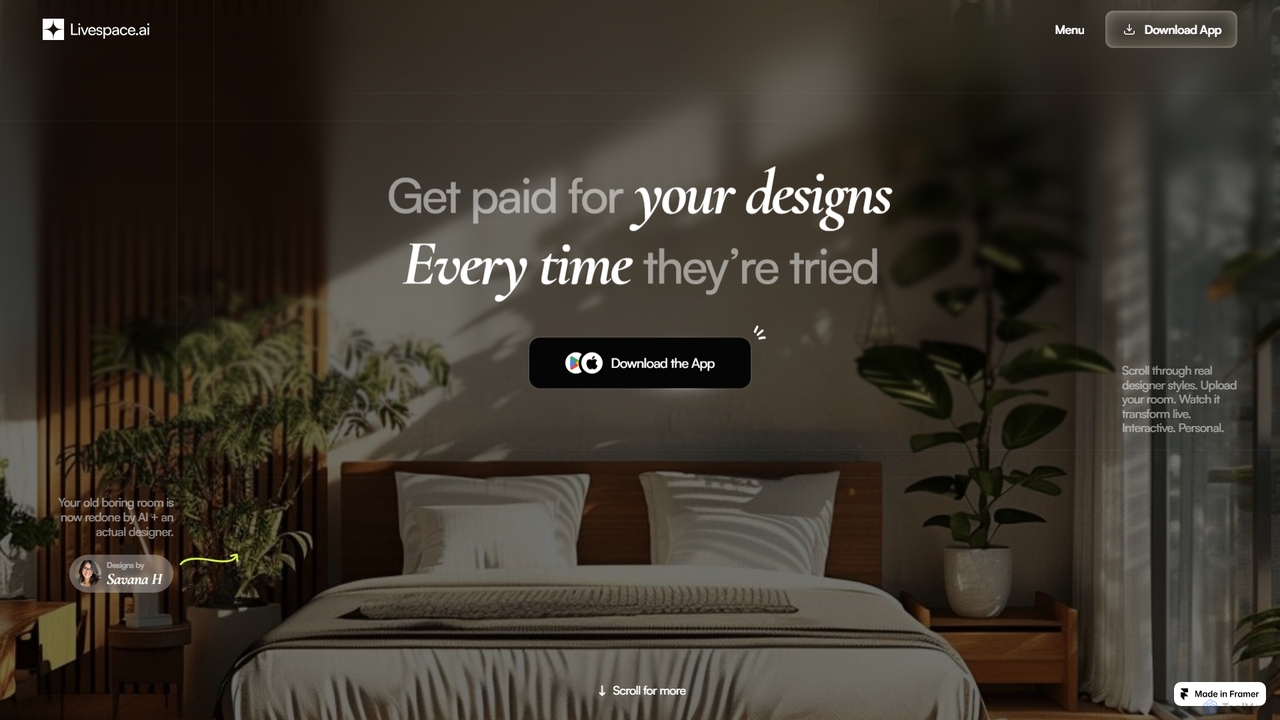
Livespace

Livespace

Livespace is an AI-powered platform connecting interior designers with homeowners. Designers can monetize their work by uploading designs, …

3.0K
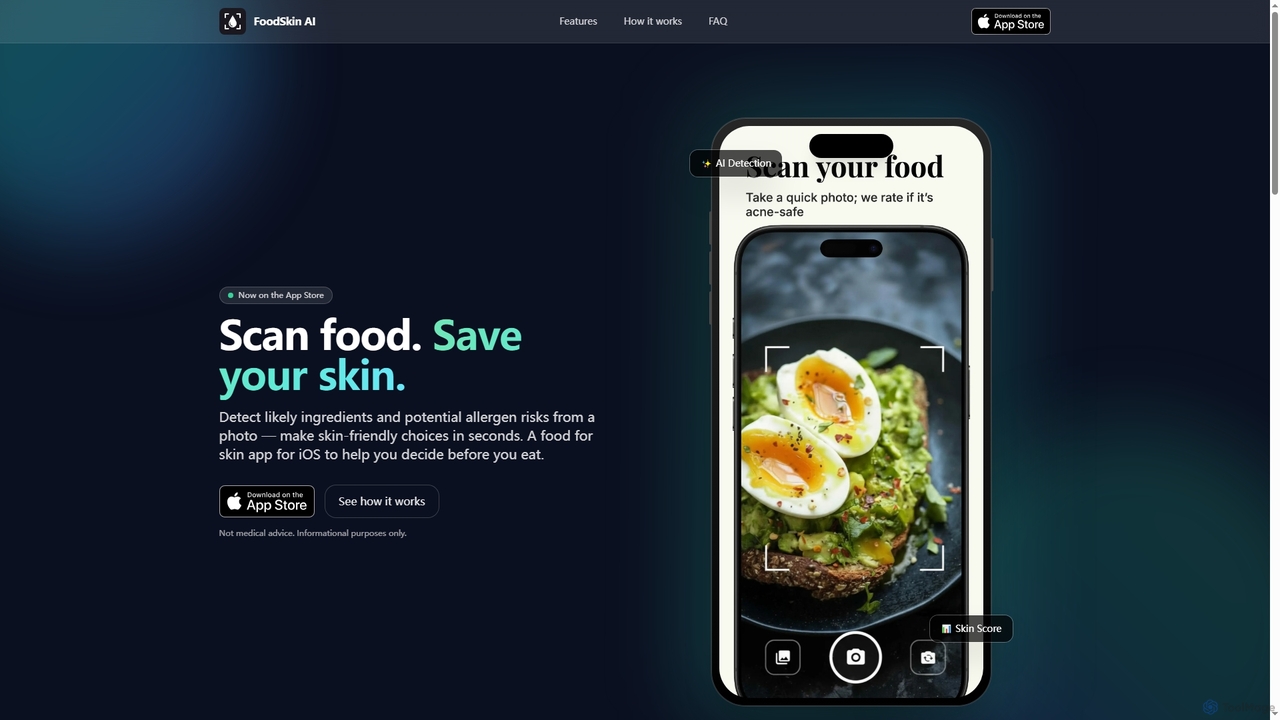
FoodSkin AI

FoodSkin AI

FoodSkin AI is an iOS app that uses AI to scan meal photos, identify likely ingredients and potential …

3.0K

About Lifestyle

AI Lifestyle apps are mobile applications that use artificial intelligence to help users manage, improve, and personalize their daily routines. These tools leverage machine learning to analyze personal data like habits, preferences, and health metrics, providing tailored recommendations and automated assistance. They are designed to enhance well-being, productivity, and personal organization in areas like fitness, nutrition, finance, and mindfulness. By integrating into daily life, these apps offer intelligent support for achieving personal goals.

Core Features

  • Personalized Recommendations: Suggests meals, workouts, or daily tasks based on user data and past behavior.
  • Habit Tracking & Analysis: Monitors daily activities and provides AI-driven insights to build better habits and break negative patterns.
  • Intelligent Automation: Automates routine tasks such as scheduling, budget tracking, or creating shopping lists based on user needs.
  • Goal-Oriented Coaching: Offers AI-driven guidance, motivation, and progress tracking for fitness, finance, or learning objectives.

Use Cases

These applications are ideal for individuals seeking to optimize their personal health, manage finances more effectively, or improve daily productivity. They are used by fitness enthusiasts for customized workout plans, busy professionals for smart scheduling, and anyone looking to cultivate positive habits like meditation or budgeting with intelligent, data-driven support.

How to Choose

When selecting an AI Lifestyle app, consider its specific focus area (e.g., fitness, finance, mental health). Evaluate the level of personalization and the quality of its AI-driven recommendations. Pay close attention to the app's data privacy policy and how it handles sensitive personal information. Also, check for compatibility with other devices you use, such as smartwatches or other health trackers, for seamless data integration.

LifestyleUse Cases

1

AI-Powered Fitness and Nutrition Planning

A user aiming to improve their physical health inputs their goals, dietary restrictions, and current activity level into an AI lifestyle app. The AI analyzes this data, along with tracked workout performance and meal logs, to generate a dynamic weekly plan. It suggests optimized workouts, calculates nutritional needs for each meal, and even generates a corresponding grocery list. As the user progresses, the AI continuously adjusts the plan to prevent plateaus and maximize results, acting as a virtual personal trainer and nutritionist.

2

Intelligent Personal Finance Management

A user connects their bank accounts and credit cards to an AI lifestyle app focused on finance. The app automatically categorizes transactions, identifies spending patterns, and detects recurring bills. Based on this analysis, the AI provides a personalized budget, highlights areas for potential savings, and sends smart alerts for upcoming payments or unusual spending. It can also help users set and track financial goals, such as saving for a down payment, by offering data-driven advice on how to reach the target faster.

3

Personalized Meditation and Mindfulness Guidance

For users seeking to improve mental well-being, an AI mindfulness app can offer a highly personalized experience. By asking about the user's current mood, stress level, and available time, the AI selects the most suitable guided meditation or breathing exercise from its library. It can track mindfulness sessions over time, identify patterns (e.g., higher stress on Mondays), and proactively suggest sessions to help manage recurring emotional states. This transforms a generic content library into a responsive mental wellness companion.

4

Smart Wardrobe and Style Recommendations

A user digitizes their wardrobe by taking pictures of their clothes, which an AI app then catalogs. When the user needs to pick an outfit, they can input the occasion (e.g., 'work meeting', 'casual weekend') and check the local weather forecast within the app. The AI then suggests several complete outfits from the user's actual clothes, considering style compatibility, color coordination, and weather suitability. It can also identify gaps in the wardrobe and suggest new items that would complement existing pieces, making shopping more targeted.

5

AI-Driven Travel Itinerary Planning

A traveler planning a trip inputs their destination, travel dates, budget, and interests (e.g., 'history', 'food', 'hiking') into a lifestyle travel app. The AI processes this information and cross-references it with maps, opening hours of attractions, and user reviews. It then generates a fully optimized, day-by-day itinerary that minimizes travel time between locations and groups activities logically. The plan can include restaurant suggestions based on cuisine preferences and can be dynamically adjusted if the user decides to change their plans on the go.

6

Automated Sleep Cycle Analysis and Improvement

Using data from a user's smartphone sensors or a connected wearable device, an AI sleep tracking app monitors sleep stages, duration, and interruptions throughout the night. In the morning, it provides a detailed sleep score and analysis. The AI identifies patterns correlating poor sleep with specific daily activities (like late-night caffeine or screen time). Based on these personal insights, the app offers actionable, science-backed tips to improve sleep hygiene, such as recommending an optimal bedtime or suggesting a wind-down routine.

LifestyleFrequently Asked Questions