Mobile Apps Best in category 2 results Personalization AI Tool

Popular AI tools in the Personalization field of Mobile Apps include Freeletics、StickrSnap, etc., helping you quickly improve efficiency.

StickrSnap

StickrSnap

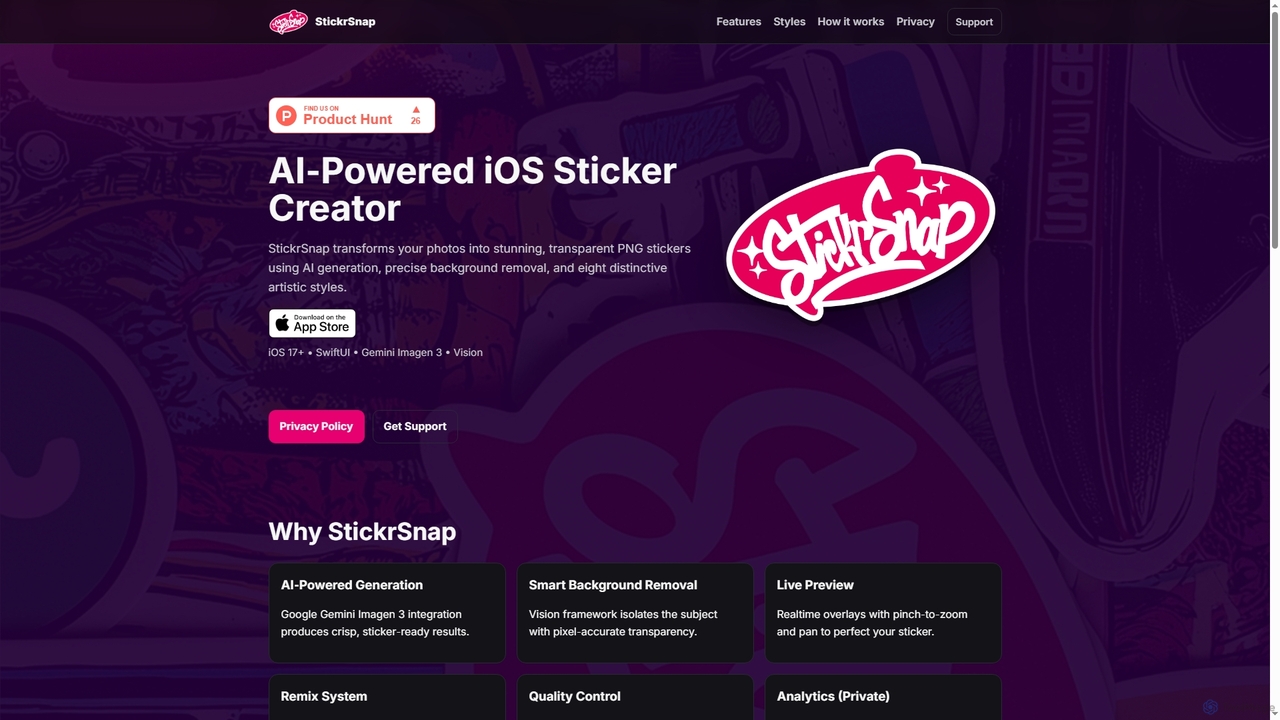
StickrSnap is an AI-powered iOS app that effortlessly transforms your photos into unique, transparent PNG stickers. Leveraging Google …

2.2K
Freeletics

Freeletics

Freeletics is a leading fitness application powered by an advanced AI Coach. It delivers hyper-personalized training and nutrition …

668.0K

About Personalization

Personalization in mobile apps refers to AI-powered tools that dynamically tailor the user experience, content, and features to individual preferences and behaviors. These tools leverage machine learning algorithms to analyze vast amounts of user data, enabling apps to offer highly relevant recommendations, adaptive interfaces, and timely, contextual notifications. The primary goal is to enhance user engagement, satisfaction, and retention by making every interaction feel unique and directly relevant to the individual.

Core Features

  • Content Recommendation: Delivers tailored feeds, product suggestions, or media based on user history and preferences.
  • Adaptive UI/UX: Dynamically adjusts app layouts, themes, and feature visibility to match individual user habits and context.
  • Personalized Notifications: Sends timely and highly relevant alerts, messages, or offers based on user behavior and real-time context.
  • Behavioral Analytics: Analyzes user interactions and patterns within the app to understand individual needs and predict future actions.
  • Contextual Awareness: Utilizes data like location, time of day, device type, and past interactions to provide hyper-relevant experiences.

Applicable Scenarios

Personalization tools are crucial for mobile apps across various sectors. E-commerce apps use them for product recommendations and personalized offers, significantly boosting conversion rates. Media and streaming platforms leverage personalization to create custom playlists and content suggestions, increasing user engagement and viewing time. Fitness and health apps apply these tools to offer tailored workout plans and diet advice, helping users achieve their goals more effectively.

How to Choose

When selecting personalization tools for mobile apps, prioritize solutions with robust AI models capable of accurate predictions and real-time adaptation. Evaluate their data privacy and security features to ensure compliance with regulations. Consider the ease of integration with your existing app infrastructure and the flexibility to customize personalization rules. Finally, assess scalability to ensure the tool can handle growth in your user base and data volume efficiently.

PersonalizationUse Cases

1

Personalized Product Recommendations in E-commerce Apps

E-commerce app users benefit from AI-driven personalization that analyzes their browsing history, purchase patterns, and viewed items. The tool then suggests highly relevant products, bundles, or promotions, often displayed on the homepage or product pages. This targeted approach significantly increases the likelihood of conversion and average order value, making the shopping experience more efficient and enjoyable for individual customers.

2

Customized Content Playlists for Streaming Platforms

Media streaming apps utilize personalization to create unique content experiences. Based on a user's viewing history, genre preferences, ratings, and even time of day, AI algorithms curate personalized playlists or suggest new shows and movies. This dynamic content curation keeps users engaged longer, reduces churn, and helps them discover content they genuinely enjoy, fostering a stronger connection with the platform.

3

Personalized News Feeds in Information Apps

News and information apps leverage personalization to deliver highly relevant content to each user. By analyzing reading habits, preferred topics, and engagement with past articles, AI algorithms curate a unique news feed. This ensures users see the stories most important or interesting to them, reducing information overload and increasing the likelihood of daily app usage, making the app a primary source of information.

4

Smart Workout Plan Adjustment in Fitness Apps

Fitness apps use personalization to adapt workout plans to individual progress and goals. By tracking user performance, heart rate data, sleep patterns, and stated objectives, AI dynamically adjusts exercise intensity, duration, and type. This ensures the workout remains challenging yet achievable, preventing plateaus and injuries, and significantly improving the user's motivation and long-term adherence to their fitness journey.

5

Adaptive Learning Paths in Educational Apps

Educational apps leverage personalization to create adaptive learning paths for students. Based on a student's progress, knowledge gaps, learning style, and performance on assessments, AI algorithms recommend specific lessons, exercises, or supplementary materials. This tailored approach optimizes the learning experience, ensuring students receive support where needed and accelerate through mastered topics, leading to improved academic outcomes and engagement.

6

Customized Travel Itinerary Suggestions in Travel Apps

Travel apps employ personalization to offer tailored itinerary suggestions. By analyzing a user's past travel history, destination preferences, budget, and activity interests, AI recommends personalized routes, hotels, attractions, and local experiences. This significantly simplifies trip planning, provides inspiration, and ensures the suggested itinerary aligns perfectly with the traveler's unique desires, enhancing overall satisfaction and repeat bookings.

PersonalizationFrequently Asked Questions