
Mobile Best in category 1 results Body Scanning AI Tool

Popular AI tools in the Body Scanning field of Mobile include MTailor, etc., helping you quickly improve efficiency.

MTailor

MTailor

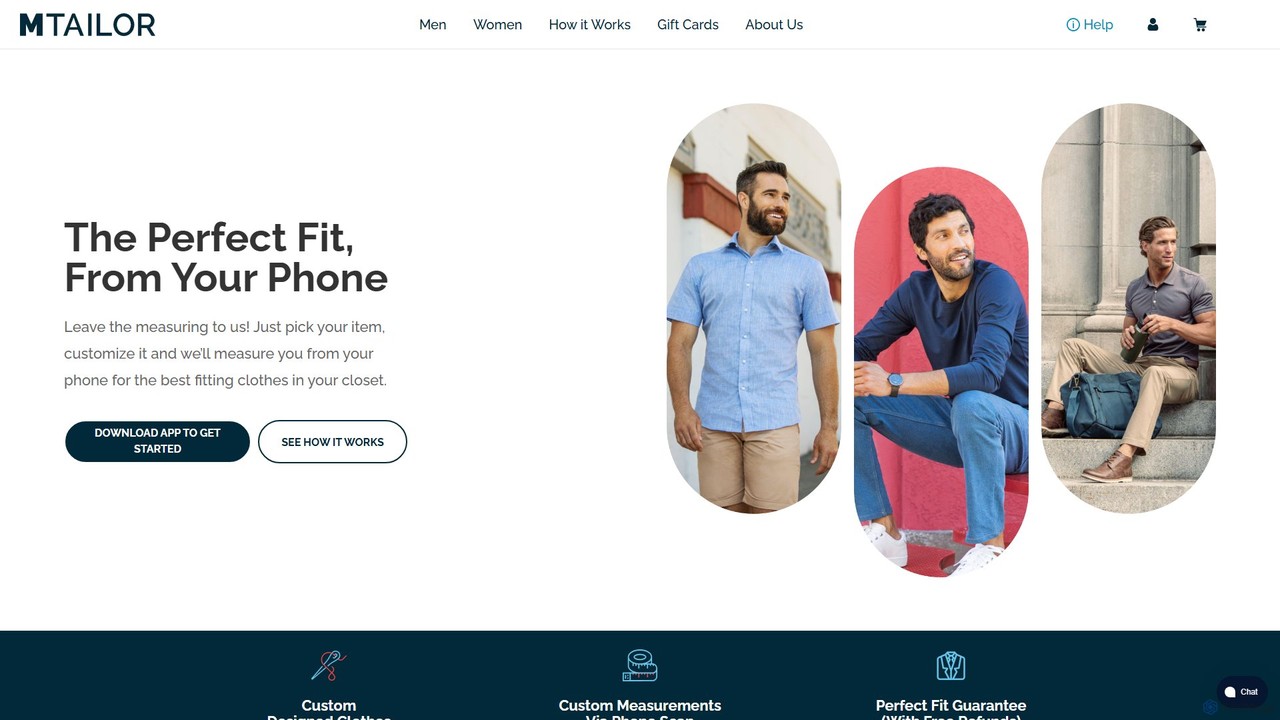
MTailor uses patented AI technology to measure you through your phone's camera, delivering perfectly fitting custom-made clothes. In …

55.6K

About Body Scanning

Body Scanning tools are mobile applications that use AI and a device's camera to create accurate 3D models and capture detailed measurements of the human body. These tools typically employ computer vision and photogrammetry algorithms to process a series of images or a short video into a precise digital twin. The primary value lies in enabling hyper-personalized experiences, such as virtual try-ons for e-commerce, custom apparel fitting, and advanced fitness progress tracking. This technology bridges the gap between the physical and digital worlds, making personalized services more accessible.

Core Features

  • 3D Model Generation: Creates a detailed, rotatable 3D avatar of the user's body from simple camera inputs.
  • Precise Body Measurements: Automatically extracts dozens of key body measurements like chest, waist, hips, and inseam with high accuracy.
  • Size Recommendation Engine: Integrates with retail product data to suggest the best-fitting size for clothing items.
  • Posture Analysis: Evaluates body alignment and posture to provide feedback for fitness or ergonomic purposes.
  • Data Export: Allows the export of 3D models (e.g., in .OBJ format) or measurement data for use in other applications.

Use Cases

This technology is primarily adopted by the e-commerce and fashion industries to reduce return rates and enhance the online shopping experience. Fitness and wellness apps use it for personalized training plans and tracking body composition changes. It also finds applications in healthcare for creating custom orthotics and in the entertainment industry for generating realistic game avatars.

How to Choose

When selecting a Body Scanning tool, prioritize measurement accuracy and consistency. For business integration, evaluate the quality of the SDK/API and its compatibility with your platform (e.g., Shopify, iOS, Android). Also, consider the user experience of the scanning process—it should be quick and intuitive. Finally, thoroughly review the provider's data privacy and security policies to ensure user data is handled responsibly.

Body ScanningUse Cases

1

Virtual Try-On for Online Fashion Retail

An e-commerce manager for a fashion brand aims to reduce high return rates caused by poor sizing. By integrating a body scanning SDK into their mobile app, customers can perform a quick scan at home. The AI then generates a 3D avatar and compares their precise measurements against the garment's specifications, recommending the optimal size. This allows shoppers to visualize the fit on their own body shape, significantly increasing purchase confidence and reducing returns by up to 40%.

2

Tracking Body Composition for Fitness Goals

A personal trainer or fitness enthusiast wants to monitor physical changes beyond simple weight metrics. Using a body scanning app on their smartphone, they perform a scan every two weeks. The app provides detailed measurements of chest, waist, hips, and thighs, and some advanced tools can estimate body fat percentage. This data creates a visual and numerical log of their progress, helping them see muscle gain and fat loss in specific areas, which is more motivating and informative than a traditional scale.

3

Creating Custom-Fit Apparel Remotely

A bespoke tailor or made-to-measure clothing brand wants to serve international clients without requiring in-person fittings. The client uses a recommended body scanning app to capture their measurements. The app generates a detailed measurement sheet that is sent directly to the tailor. This digital process provides the tailor with more accurate and comprehensive data than self-reported measurements, ensuring a better final fit and expanding the brand's market reach globally.

4

Personalized Avatar for Gaming and Metaverse

A user wants to create a realistic digital avatar for use in a metaverse platform or a video game that supports custom models. Instead of using generic character creators, they use a body scanning app to generate a 3D model that accurately reflects their own body shape and proportions. They can then export this model (e.g., as an .OBJ file) and import it into the virtual environment, resulting in a more immersive and personalized experience where their digital representation truly mirrors their physical self.

5

Posture Analysis for Ergonomics and Wellness

A corporate wellness program manager wants to offer employees tools for improving their home office ergonomics. Employees use a body scanning app to take a scan of their seated posture at their desk. The AI analyzes the scan for spinal alignment, shoulder position, and other ergonomic indicators. Based on the analysis, the app provides personalized recommendations, such as adjusting chair height or monitor position, to reduce physical strain and prevent work-related injuries.

6

Digital Measurement for Medical Garments

A provider of medical compression garments or custom orthotics needs precise patient measurements to ensure efficacy and comfort. Instead of manual measurements, which can be inconsistent, a healthcare professional uses a body scanning app on a tablet to capture the patient's limb or torso dimensions. This provides a highly accurate and repeatable set of measurements, reducing manufacturing errors and improving the therapeutic outcome for the patient.

Body ScanningFrequently Asked Questions