ToolMage
Sign in

Best 6 App for Mobile

Popular App in Mobile include StudyCards App, heystoke, Regrow AI, dailyfitnessapp, FriendnPal, and yourjourney.ai, helping you work more efficiently.

FriendnPal
Freemium

FriendnPal

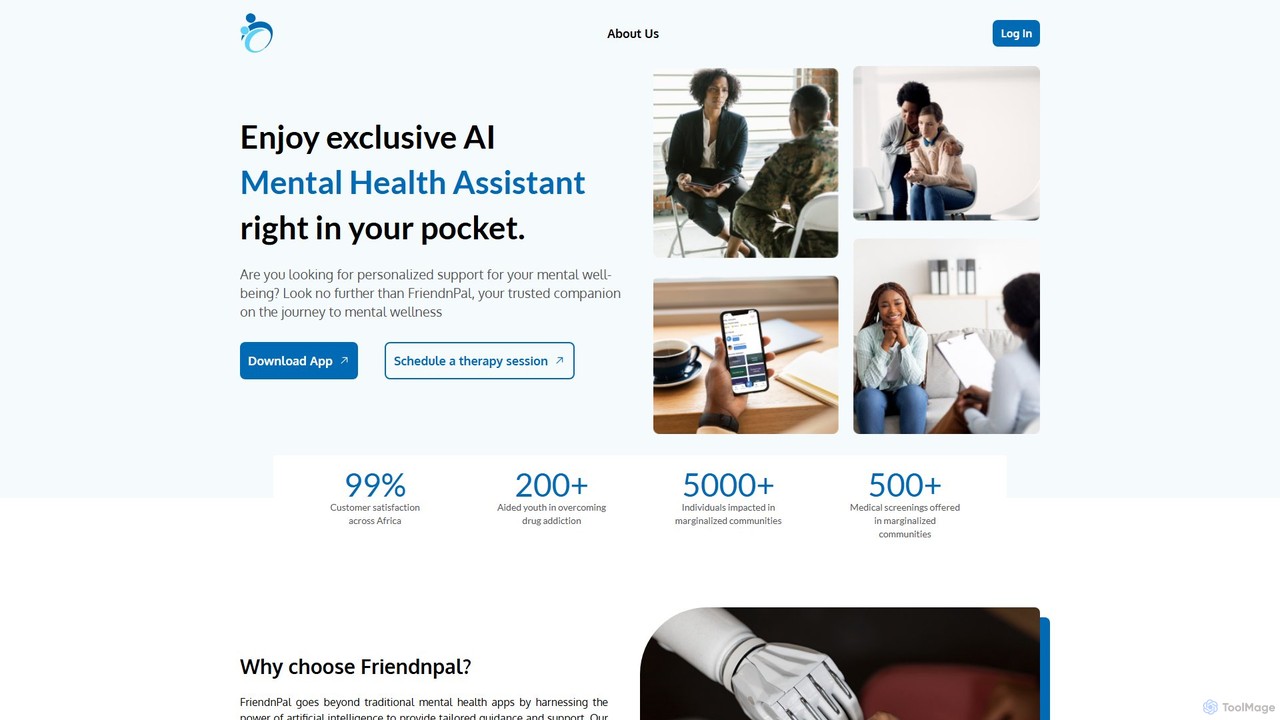
FriendnPal is an AI-powered mental health assistant offering personalized support through a 24/7 AI companion named "Pal". It provides anonymous virtual therapy sessions with licensed therapists, multilingual support, and a strong community feature. Designed to be accessible and break down barriers like stigma and language, it's your pocket companion for mental wellness.

Mental Health
Visits 3.5KFavorites 101Likes 101
dailyfitnessapp
Freemium

dailyfitnessapp

dailyfitnessapp is an AI-powered personal trainer and nutrition coach in your pocket. It creates hyper-personalized daily workout and meal plans based on your goals, fitness level, and progress, using advanced AI to adapt and optimize your journey towards a healthier lifestyle.

3D
Visits 3.6KFavorites 123Likes 122
heystoke
Freemium

heystoke

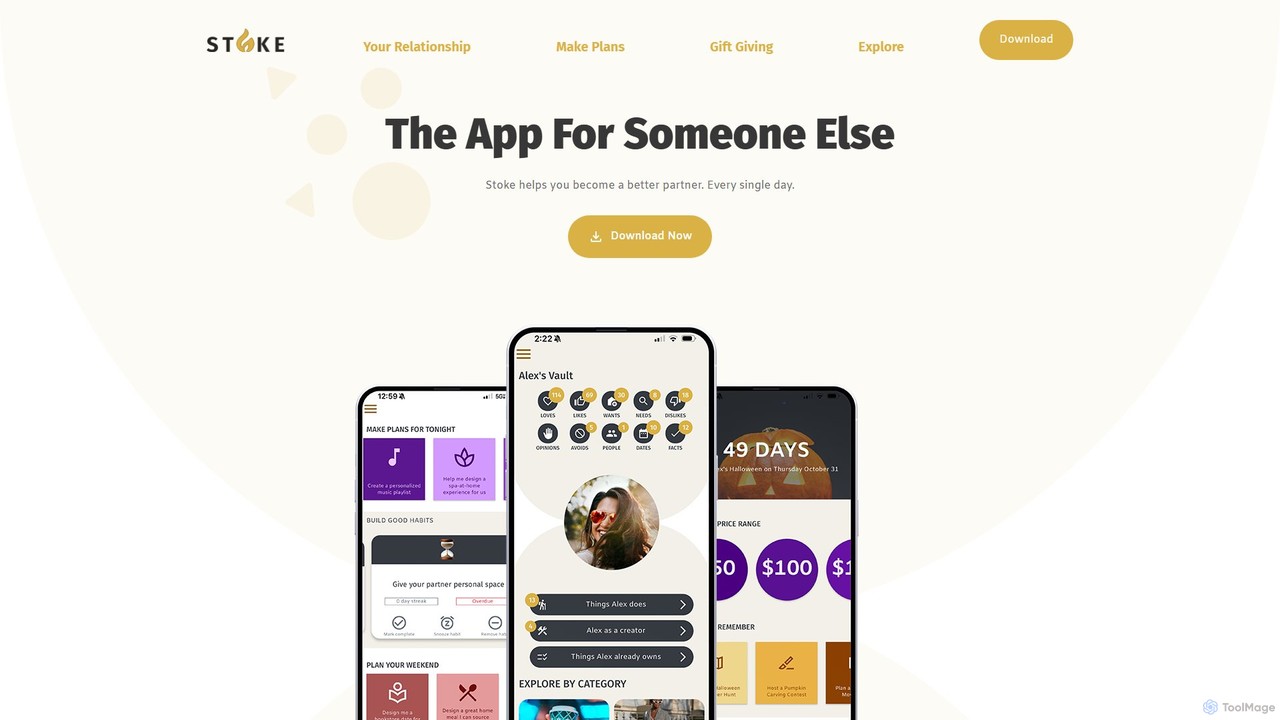
heystoke is an AI-powered relationship assistant designed to help you become a more thoughtful and proactive partner. The app acts as a digital concierge, remembering important dates, your partner's preferences, and providing personalized suggestions for dates, gifts, and relationship goals. Keep the spark alive with curated experiences and never forget the little things that matter.

Relationship
Visits 5.8KFavorites 107Likes 129
yourjourney.ai
Free

yourjourney.ai

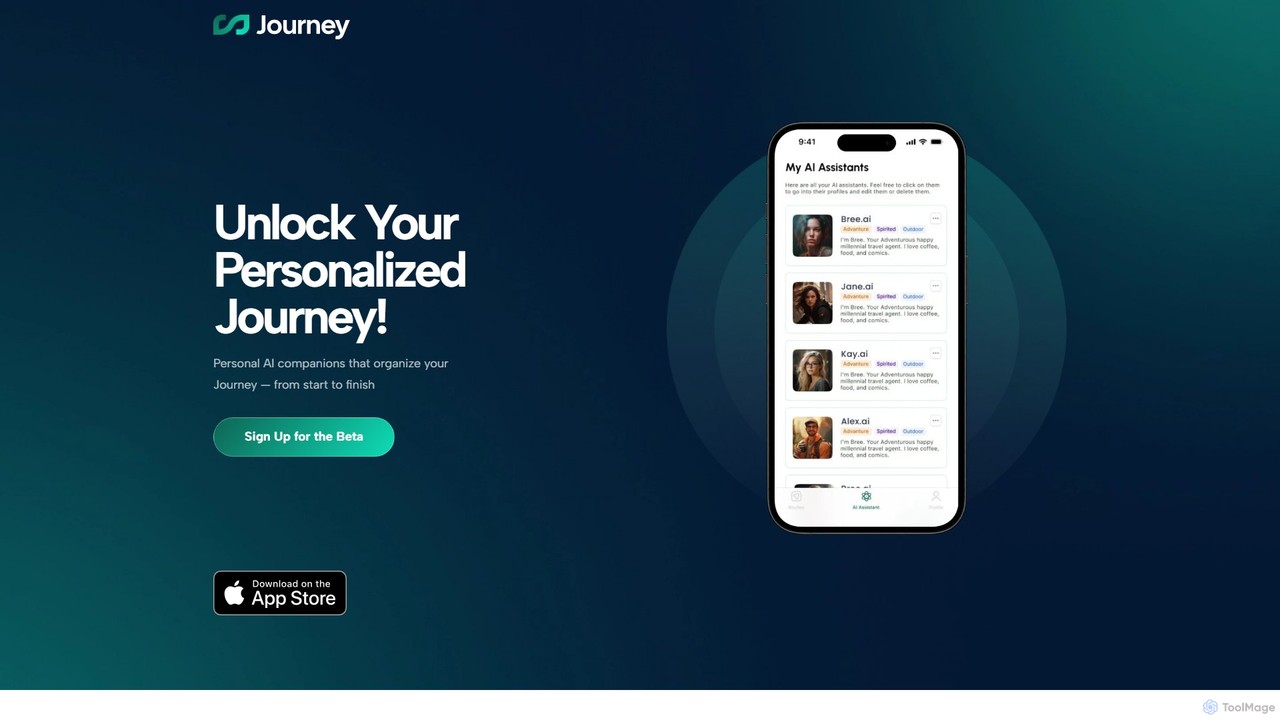
yourjourney.ai is a revolutionary travel app that lets you build a custom AI travel companion with a unique personality. Get tailored recommendations and dynamic trip plans from an AI that understands your travel style, from adventurous to thrifty. Redefine your travel planning experience.

App
Visits 3.3KFavorites 114Likes 117
StudyCards App
Freemium

StudyCards App

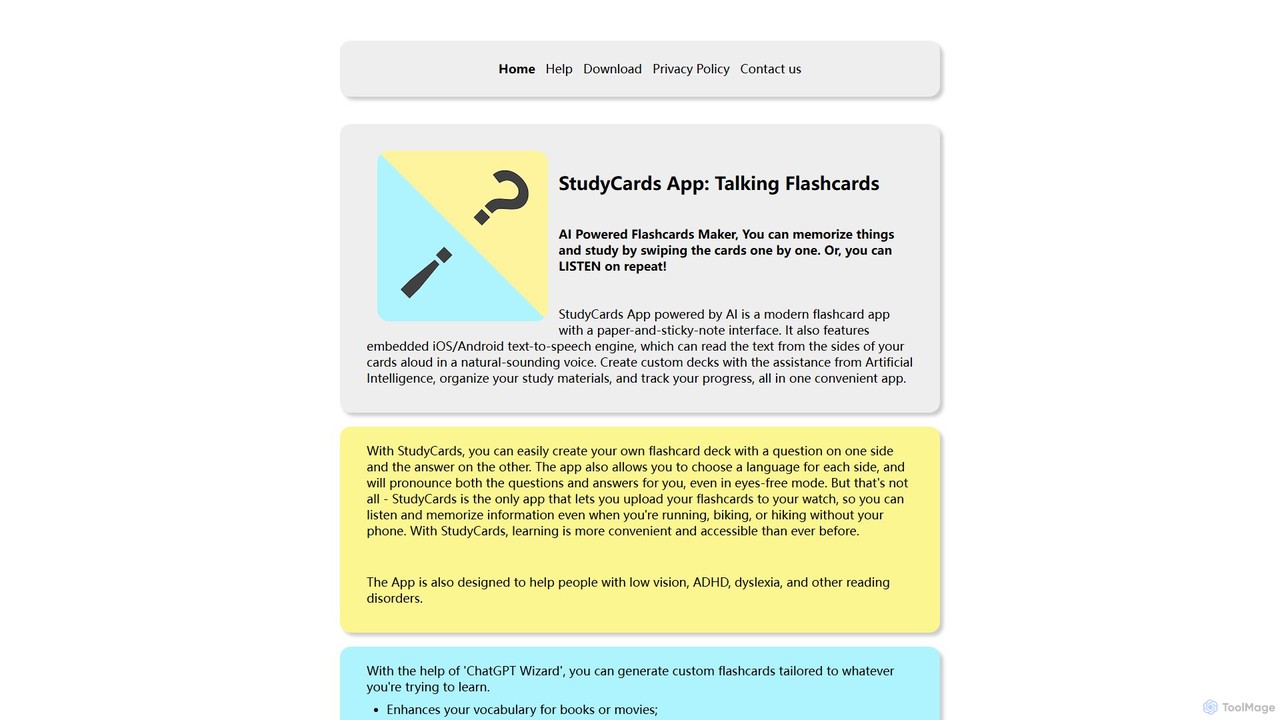
StudyCards App is an AI-powered flashcard maker for efficient learning on the go. It uses a 'ChatGPT Wizard' to instantly generate custom study decks on any topic. Key features include text-to-speech for auditory learning, smartwatch synchronization for phone-free studying, and CSV import. It's built with accessibility in mind, aiding users with dyslexia or ADHD. Available on iOS and Android, it makes memorization easy and accessible for everyone, from students to professionals.

Learning
Visits 6.5KFavorites 95Likes 88
Regrow AI
Freemium

Regrow AI

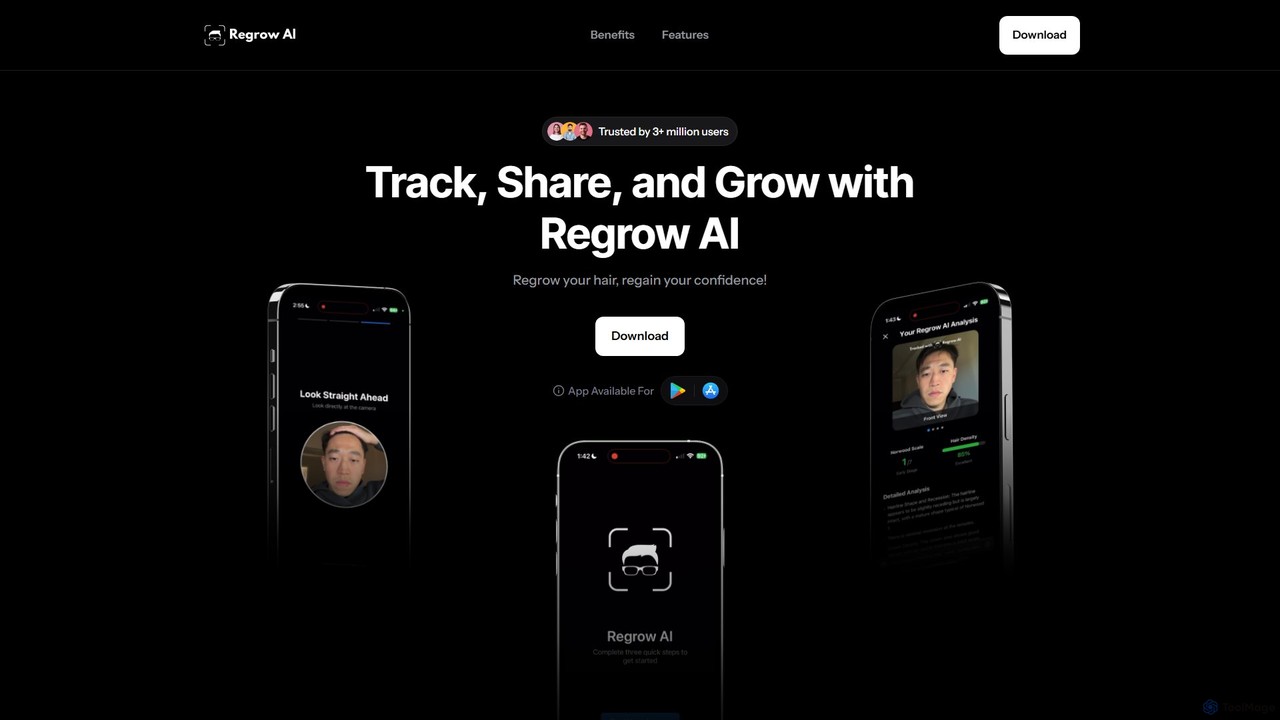
Regrow AI is an AI-powered mobile app designed to help users manage hair loss. It offers personalized regrowth plans, progress tracking through photo analysis, a dedicated AI assistant, and a supportive community to help you regain your hair and confidence.

Personal Care
Visits 5.3KFavorites 89Likes 107

About App

AI Apps are mobile applications that leverage artificial intelligence to deliver smart, personalized, and predictive user experiences. They integrate technologies like machine learning, computer vision, and natural language processing directly into a smartphone or tablet. This enables them to learn from user behavior, automate complex tasks, and provide proactive assistance, transforming standard mobile tools into intelligent companions. These apps go beyond simple functionality by anticipating needs and adapting to individual usage patterns.

Core Features

  • Personalized Recommendations: Dynamically tailors content, products, or services based on user history and preferences.
  • Intelligent Automation: Automates routine tasks such as photo organization, email filtering, or calendar scheduling.
  • Natural Language Interaction: Enables control and communication through voice commands or text-based chatbots.
  • Computer Vision Analysis: Uses the device's camera to identify objects, translate text, or apply augmented reality effects.
  • Predictive Functionality: Analyzes data to forecast outcomes, such as traffic conditions, user behavior, or health trends.

Use Cases

AI Apps are widely used across various sectors. In e-commerce, they power visual search and virtual try-on features. In health and fitness, they act as personal coaches by analyzing workout form. For productivity, they can transcribe meetings and summarize notes automatically, making them valuable for professionals, students, and everyday users seeking a more efficient mobile experience.

How to Choose

When selecting an AI App, evaluate the effectiveness and accuracy of its core AI features. Consider its data privacy policy to understand how your information is used. Also, assess its impact on battery life and whether it offers essential offline functionality. Finally, check for seamless integration with other mobile operating system features and apps.

Featured tool rankings

App use cases

1

Real-time Fitness Form Correction

For fitness enthusiasts working out at home, AI fitness apps use the phone's camera to provide real-time coaching. The app employs computer vision to analyze the user's posture and movements during exercises like squats or push-ups. It offers immediate audio and visual feedback to correct form, track repetitions, and monitor progress. This helps prevent injuries and ensures the effectiveness of the workout, acting as a virtual personal trainer available anytime.

2

Automated Photo Curation and Story Creation

For individuals with thousands of photos on their device, AI gallery apps automate the entire organization process. Using machine learning, the app identifies faces, locations, and objects to automatically tag and group images into logical albums. It can also curate the best shots from an event or trip and create highlight reels or animated stories complete with music, saving users hours of manual sorting and editing.

3

Interactive Language Learning with Speech Recognition

Language learners use AI-powered apps to practice pronunciation and conversation skills. These applications feature advanced speech recognition that listens to the user speaking a new language and provides instant feedback on accuracy and fluency. The AI can simulate real-life conversations with a chatbot, adapting its difficulty level based on the user's performance, creating an immersive and personalized learning environment.

4

Smart E-commerce with Visual Search

Online shoppers can use AI-driven retail apps to find products effortlessly. Instead of typing keywords, a user can take a photo of an item they see in the real world—like a piece of furniture or an outfit. The app's visual search engine analyzes the image, identifies the product, and shows identical or visually similar items available for purchase. This streamlines the discovery process and bridges the gap between offline inspiration and online shopping.

5

Proactive Calendar and Travel Management

For busy professionals and frequent travelers, AI assistant apps integrate with their calendar, email, and maps to manage schedules proactively. The app analyzes meeting details and traffic data to suggest the optimal time to leave for an appointment. It can automatically pull flight and hotel booking information from emails to create a travel itinerary, send check-in reminders, and provide real-time updates on gate changes or delays.

6

On-the-Go Document Scanning and Data Extraction

Mobile professionals and students use AI scanner apps to digitize physical documents quickly. The app uses computer vision to automatically detect document edges, correct perspective, and enhance readability. Furthermore, its Optical Character Recognition (OCR) feature extracts text from the scanned image, making it editable and searchable. Some apps can even identify and extract specific data like contact information from a business card and save it directly to the phone's contacts.

App FAQ

What is an AI App?

An AI App is a mobile application that uses artificial intelligence technologies like machine learning to perform tasks that typically require human intelligence. Key features include personalization, automation, and natural language understanding. They are used for a wide range of functions, from smart photo galleries to real-time language translation, making the mobile experience more intuitive and efficient.

How do AI Apps differ from regular mobile apps?

The main difference lies in their ability to learn and adapt. Regular apps operate based on pre-programmed rules and provide the same static experience for all users. In contrast, AI Apps analyze user data and context to offer personalized content, predict needs, and automate complex decisions, creating a dynamic and intelligent user experience that improves over time.

How to choose a reliable AI App?

When choosing an AI App, prioritize a clear and transparent data privacy policy to understand how your data is handled. Evaluate the accuracy and reliability of its core AI functions through user reviews and trial periods. Also, consider its performance impact, such as battery consumption and processing speed on your device, and check if it functions effectively offline when needed.

What are the main functions of AI Apps?

Core functions of AI Apps include:

  • Personalization: Customizing content, user interfaces, and recommendations.
  • Natural Language Processing (NLP): Understanding and responding to voice or text commands for features like assistants and chatbots.
  • Computer Vision: Analyzing images and video from the camera for tasks like object recognition, AR effects, or document scanning.
  • Predictive Analytics: Forecasting future events or user behavior based on historical data to provide proactive suggestions.
Do AI Apps require an internet connection to work?

It depends on the app's design. Some AI Apps perform processing directly on the device (on-device AI), allowing key features to work offline. Others rely on powerful cloud servers to perform complex AI calculations and require a stable internet connection. Many modern apps use a hybrid approach, offering basic offline functionality and enhanced features when connected.