Mobile Best in category 2 results Health AI Tool

Popular AI tools in the Health field of Mobile include lycaste、CoughPro, etc., helping you quickly improve efficiency.

Free
CoughPro

CoughPro

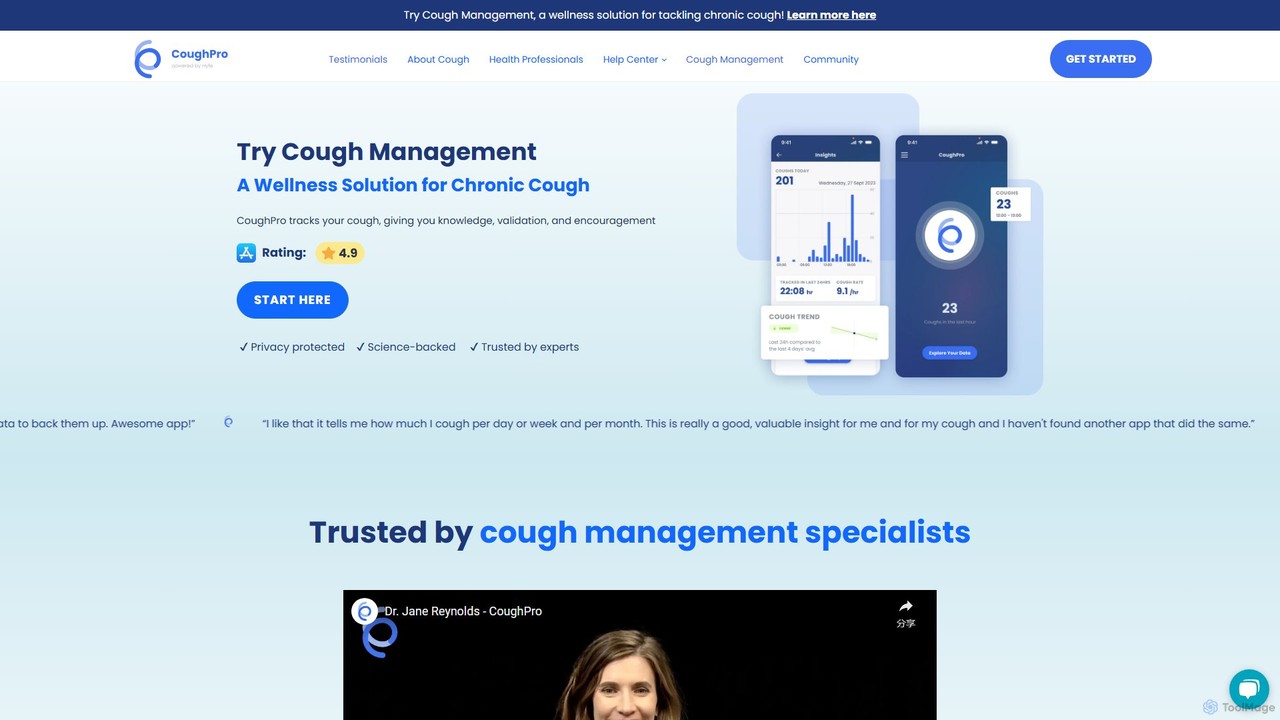
CoughPro is an AI-powered wellness app that accurately tracks your coughs using your smartphone's microphone. It provides detailed …

5.0K
lycaste

lycaste

Lycaste is an AI-powered personal skincare solution that uses your phone's camera to analyze your skin. It identifies …

5.5K

About Health

Health AI tools are applications that leverage artificial intelligence to monitor, analyze, and manage personal well-being and medical data, often integrated into mobile devices. These tools utilize advanced algorithms to process diverse health metrics, offering users personalized insights, proactive recommendations, and convenient access to health-related services. They empower individuals to take a more active role in their health journey, from fitness tracking to chronic disease management, right from their smartphones or wearables.

Core Features

  • Personalized Health Monitoring: AI analyzes vital signs, activity levels, and sleep patterns to provide tailored health reports and alerts.
  • Symptom Analysis & Triage: Users can input symptoms for AI-driven preliminary assessments and guidance on seeking professional medical advice.
  • Fitness & Nutrition Coaching: AI generates customized workout plans and dietary recommendations based on individual goals and data.
  • Mental Wellness Support: AI chatbots offer mood tracking, stress management techniques, and guided exercises for emotional well-being.
  • Medication Reminders & Adherence: Smart systems provide timely reminders and track medication intake to improve compliance.

Applicable Scenarios

Health AI tools are widely adopted by individuals managing chronic conditions, fitness enthusiasts seeking data-driven training, busy professionals prioritizing mental health, and anyone aiming for a proactive approach to their well-being. They serve as personal health assistants, offering continuous support and insights for a healthier lifestyle.

How to Choose

When selecting an AI health tool, prioritize data privacy and security, ensuring compliance with health data regulations like HIPAA or GDPR. Evaluate the accuracy and reliability of its monitoring and analytical features, and check for seamless integration with your existing wearables or mobile ecosystem. Consider the level of personalization offered and the clarity of its user interface for an optimal and trustworthy health management experience.

HealthUse Cases

1

Personalized AI Fitness Planning & Coaching

Fitness enthusiasts or beginners can leverage AI health tools to receive dynamic, personalized workout routines. By analyzing activity data, fitness goals, and physical condition from mobile sensors, the AI generates adaptive plans, tracks progress, and offers real-time form correction. This ensures users perform exercises safely and effectively, maximizing their training results and preventing injuries, all through their smartphone.

2

Smart Chronic Disease Management & Health Tracking

Individuals managing chronic conditions like diabetes or hypertension can utilize mobile AI tools for comprehensive health management. These apps integrate with medical devices (e.g., glucose meters), track vital signs, predict potential health issues, and provide timely medication reminders and dietary advice. The AI can also securely share aggregated data with healthcare providers, enabling better remote monitoring and personalized care adjustments, enhancing patient adherence and outcomes.

3

Mental Wellness Support & Stress Relief

For individuals seeking emotional support or stress management, AI-powered mobile tools offer accessible mental wellness solutions. These apps often feature AI chatbots that provide guided meditation, mood tracking, cognitive behavioral therapy (CBT) exercises, and journaling prompts. They create a private and convenient space for users to explore their feelings, learn coping mechanisms, and receive personalized support for stress reduction and overall emotional well-being, anytime and anywhere.

4

AI Symptom Checker & Preliminary Health Assessment

Users experiencing new symptoms can utilize mobile AI apps for a preliminary health assessment. By inputting their symptoms, the AI analyzes the information against a vast medical knowledge base to provide potential conditions and recommend whether to seek professional medical advice. This helps individuals triage non-emergency concerns, understand possible causes, and make informed decisions about their next steps, reducing unnecessary doctor visits while highlighting urgent needs.

5

Smart Nutrition Tracking & Dietary Recommendations

For those aiming for healthier eating habits or specific dietary goals, AI health tools offer intelligent nutrition tracking. Users can log food intake through photos or manual entry, and the AI analyzes nutritional values, identifies dietary patterns, and suggests personalized meal plans. This helps individuals understand their caloric and nutrient intake, make informed food choices, and adhere to specific diets (e.g., keto, vegan) to achieve their health objectives effectively, all from their mobile device.

6

Sleep Quality Analysis & Improvement Recommendations

Individuals struggling with sleep issues can benefit from mobile AI apps designed for sleep quality analysis. These apps monitor sleep cycles, duration, and disturbances using device sensors, providing detailed reports on sleep patterns. The AI identifies factors affecting sleep and offers personalized recommendations for improving sleep hygiene, such as optimal bedtime routines, environmental adjustments, or relaxation techniques. This data-driven approach helps users achieve better rest and overall well-being.

HealthFrequently Asked Questions