ToolMage
Sign in

Best 2 Health & Fitness AI tools for Mobile

Popular Health & Fitness AI tools in Mobile include Skinive and Biolytics, helping you work more efficiently.

Skinive
Freemium

Skinive

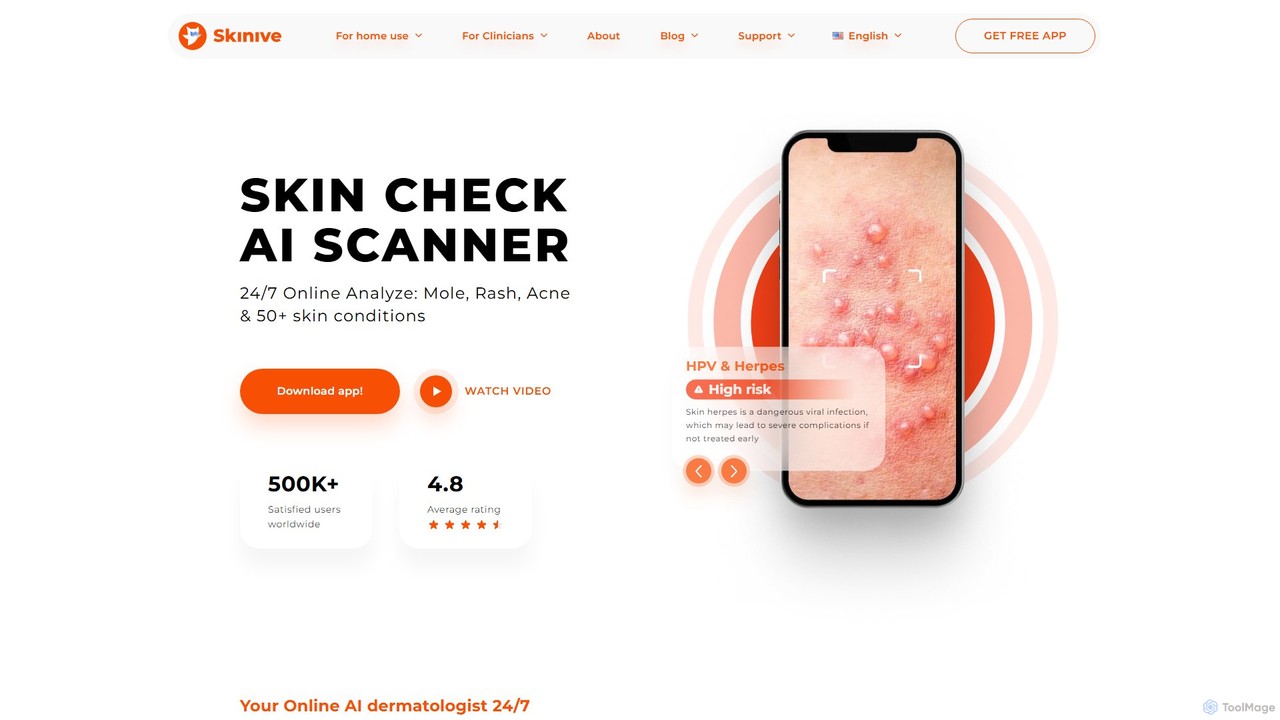
Skinive is an AI-powered skin scanner app that provides instant analysis of over 50 skin conditions. By taking a photo with your smartphone, you can get a risk assessment for moles, rashes, acne, and potential signs of skin cancer. It's a CE-marked medical device designed for both personal home use and to assist medical professionals, helping users monitor their skin health proactively and seek timely dermatological advice.

Dermatology
Visits 134.9KFavorites 117Likes 127
Biolytics
Free

Biolytics

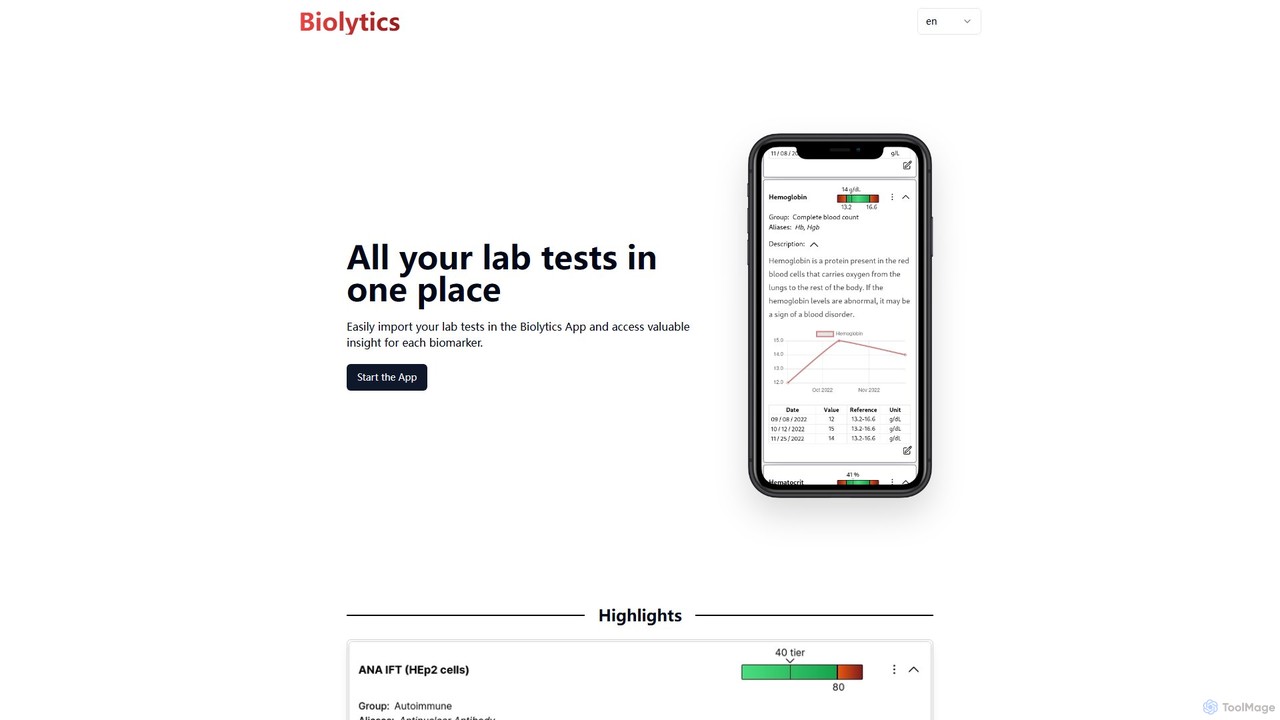
Biolytics is an AI-powered mobile app that digitizes and centralizes your lab test results. Easily import data from paper reports via OCR or QR codes, track biomarker trends with intuitive graphs, and gain a deeper understanding of your health with clear descriptions. Your data is stored securely on your device, ensuring complete privacy.

Medical
Visits 7.9KFavorites 133Likes 144

About Health & Fitness

Health & Fitness AI tools are a specialized category of mobile applications that leverage artificial intelligence to personalize and optimize individual well-being. These tools analyze user data from wearables, manual inputs, and behavioral patterns to offer tailored insights into physical activity, nutrition, sleep, and mental health. They empower users to set goals, track progress, and receive intelligent recommendations for a healthier lifestyle, making personal wellness management more accessible and effective.

Core Features

  • Personalized Workout Plans: Generates customized exercise routines based on fitness levels, goals, and available equipment.
  • Nutrition Tracking & Coaching: Monitors dietary intake, provides meal suggestions, and offers AI-driven nutritional advice.
  • Sleep Analysis & Improvement: Tracks sleep patterns, identifies disturbances, and suggests methods for better sleep quality.
  • Mental Wellness Support: Offers guided meditations, mood tracking, and AI-powered conversational support for stress management.
  • Progress Monitoring & Reporting: Visualizes fitness metrics, health trends, and goal achievement over time.

Use Cases

These tools are widely adopted by individuals seeking to improve their physical health, manage chronic conditions, or enhance mental well-being. For instance, a busy professional might use an AI fitness app to fit effective workouts into their schedule, while someone managing diabetes could leverage an AI nutrition tracker for personalized dietary guidance.

How to Choose

When selecting a Health & Fitness AI tool, consider its data integration capabilities with existing wearables, the depth of personalization offered for plans and recommendations, the range of health aspects it covers (e.g., fitness, nutrition, sleep, mental health), and its user interface and ease of use for daily interaction. Also, evaluate the privacy policy regarding sensitive health data.

Health & Fitness use cases

1

Optimizing Personalized Workout Regimens

An individual aiming for weight loss or muscle gain can utilize a Health & Fitness AI tool to generate dynamic workout plans. The AI analyzes their current fitness level, past performance, and available equipment (e.g., home gym vs. full gym access) to create daily routines, adjusting intensity and exercises based on real-time progress and recovery, ensuring efficient and injury-preventing training.

2

Managing Chronic Health Conditions with Dietary Guidance

Patients with conditions like diabetes or hypertension can use AI nutrition apps to monitor their food intake and receive personalized dietary recommendations. The tool tracks macronutrients, micronutrients, and glycemic index, providing alerts for unhealthy choices and suggesting alternative meals that align with their specific health requirements and doctor's advice, helping maintain stable health markers.

3

Improving Sleep Quality and Circadian Rhythms

Individuals struggling with insomnia or inconsistent sleep patterns can leverage AI sleep trackers. These tools analyze sleep stages (REM, deep, light), duration, and disturbances (e.g., snoring, restlessness) using wearable data. Based on this, the AI offers personalized advice on sleep hygiene, optimal bedtime routines, and environmental adjustments to foster better sleep quality and regulate circadian rhythms.

4

Enhancing Mental Well-being and Stress Reduction

Someone experiencing daily stress or anxiety can turn to AI mental wellness apps. These tools often include guided meditation sessions, breathing exercises, mood tracking features, and even AI-powered conversational companions. By analyzing mood patterns and user input, the AI provides tailored coping strategies and mindfulness practices to help users manage stress and improve emotional resilience.

5

Tracking and Analyzing Athletic Performance for Athletes

Amateur or professional athletes can use advanced Health & Fitness AI tools to meticulously track and analyze their performance metrics. The AI integrates data from GPS, heart rate monitors, and power meters to evaluate training load, recovery needs, and identify areas for improvement. It can predict peak performance windows and suggest optimal training schedules to prevent overtraining and maximize competitive readiness.

6

Personalized Weight Management and Lifestyle Coaching

Individuals seeking sustainable weight management can benefit from AI-driven lifestyle coaching. The tool combines nutrition tracking, activity monitoring, and behavioral insights to create a holistic plan. It provides motivation, sets achievable goals, and offers real-time feedback on habits, helping users make informed choices about diet and exercise that lead to long-term healthy weight maintenance.

Health & Fitness FAQ

What are Health & Fitness AI tools?

Health & Fitness AI tools are mobile-centric applications that use artificial intelligence to help users manage and improve their physical and mental well-being. They analyze personal health data from various sources like wearables and user input to provide personalized insights, recommendations for exercise, nutrition, sleep, and mental health, and track progress towards wellness goals.

How do Health & Fitness AI tools personalize recommendations?

These tools personalize recommendations by collecting and analyzing a wide array of user data, including age, gender, weight, fitness level, health history, dietary preferences, activity levels, and sleep patterns. AI algorithms then process this data to identify individual needs and goals, generating customized workout plans, meal suggestions, sleep improvement tips, and mental wellness exercises that are uniquely suited to each user.

What kind of data do these AI tools typically collect?

Health & Fitness AI tools typically collect data such as activity levels (steps, distance, calories burned), heart rate, sleep duration and quality, body metrics (weight, body fat percentage), dietary intake (food logs, macronutrients), and mood or stress levels. This data is often gathered through connected wearable devices, manual user input, and sometimes through integration with other health platforms.

Are Health & Fitness AI tools suitable for managing serious medical conditions?

While Health & Fitness AI tools can be valuable for monitoring and supporting general wellness, they are generally not substitutes for professional medical advice or treatment for serious medical conditions. They can assist in tracking symptoms or adherence to a doctor's plan, but users with chronic diseases or acute health issues should always consult with healthcare professionals for diagnosis and treatment. Some tools may offer features for specific conditions, but always with a disclaimer.

How do Health & Fitness AI tools differ from general fitness apps without AI?

The key difference lies in personalization and adaptability. General fitness apps often provide static workout plans or generic advice. Health & Fitness AI tools, however, use machine learning to continuously learn from user data, adapting recommendations in real-time. This means plans evolve with your progress, dietary advice adjusts to your habits, and mental wellness support becomes more targeted, offering a much more dynamic and responsive user experience.